What Are the 2026 Top Colored Contacts Trends? The answer begins with changing ideas about beauty, comfort, and personal identity. Colored contacts are moving beyond dramatic costume effects. Many shoppers now prefer subtle enhancement, realistic limbal rings, and shades that match their natural eye color.
Soft hazel, muted gray, warm honey, and olive green may attract attention in 2026. These tones work well in daylight and indoor photography. Transparent patterns could also become more popular. They create a gentle effect instead of a painted appearance. Comfort will matter just as much as color. People notice dryness during long workdays, especially under air conditioning or bright studio lights.
A reliable trend guide must look beyond social media. It should consider lens materials, water content, prescription needs, proper fitting, and professional eye examinations. Eye-care professionals can assess whether a lens fits safely and suits the wearer’s eyes. Regulations and purchasing requirements also differ by country. That detail is easy to overlook.
Predictions can be imperfect. Viral shades may disappear quickly. Consumer preferences can change overnight. Still, safer designs and better wearer education are likely to remain important. This article explores the leading colored contacts trends for 2026, while separating practical developments from attractive but unreliable claims. Readers will find visual examples, comfort considerations, care reminders, and questions worth asking before choosing a new look. The most stylish lens is not always the best choice. A beautiful color means little if the eye feels irritated.
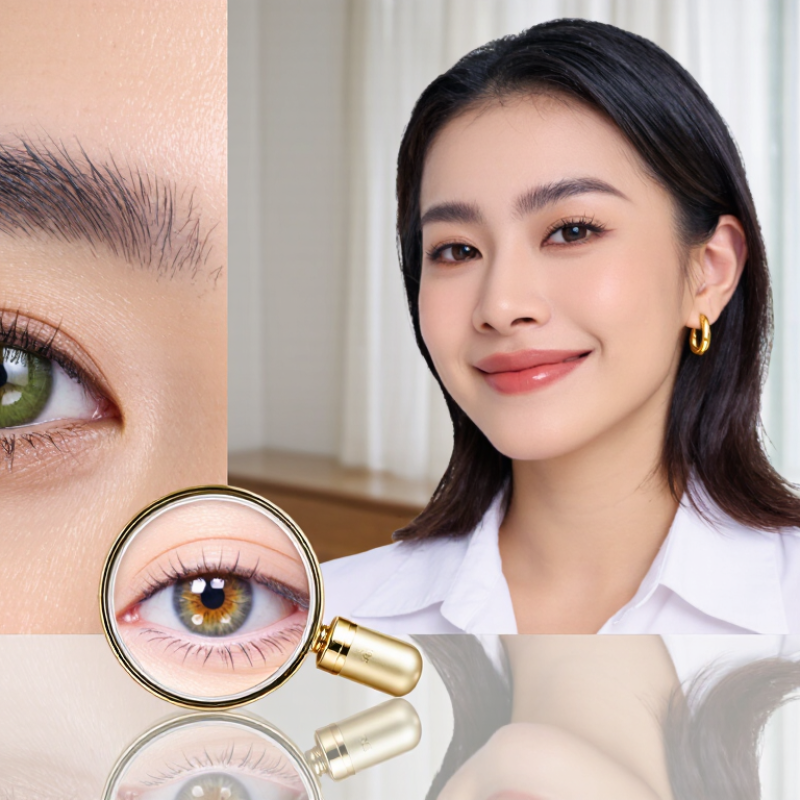
The colored contact lens market is projected to grow at a 7.1% CAGR from 2024 to 2030, according to Grand View Research. This forecast suggests stronger demand, not guaranteed sales. In 2026, natural-looking shades may lead the conversation. Soft hazel, warm brown, muted gray, and subtle green can add definition without appearing artificial. Thin limbal rings may remain popular, especially in close-up photos and everyday styling.
Comfort will matter as much as color. Consumers are likely to examine breathable materials, stable lens movement, and moisture retention more carefully. Clear labeling should show wear schedules, prescription details, and fitting requirements. An eye-care professional should assess the lens before use. A beautiful shade cannot compensate for poor fit.
Digital tools may also influence the market. Virtual try-ons can help shoppers compare undertones under daylight, office lighting, and evening conditions. Yet screen colors can mislead. The result may look different in real life. Seasonal palettes could bring brighter blue, lavender, or amber designs, but bold colors may appeal to smaller audiences. The 7.1% forecast reflects a broad market direction, while personal comfort, eye health, and changing fashion will shape actual choices. Trends move quickly. Safety should not.
Natural-looking colors are shaping cosmetic lens demand in 2026. Grand View Research identifies brown, hazel, and gray as leading choices. These shades work because they soften the face without changing its character dramatically. Warm brown can add depth to dark eyes, while hazel creates subtle golden or olive flashes. Gray often gives a cooler, quieter effect. Subtle works.
The most convincing lenses usually blend several tones instead of showing one flat color. A softly defined outer ring can enlarge the iris visually, but a heavy ring may look artificial in daylight. Eye-care professionals also consider skin tone, natural eye color, and lighting before recommending a shade. A color that looks gentle indoors may appear much stronger under sunlight. That difference is easy to underestimate.
Fit matters more than the trend. Cosmetic lenses should be professionally fitted, even without vision correction, because poor movement can cause redness, dryness, or blurred sight. Users should follow the prescribed replacement schedule, wash their hands, and never share lenses. Local regulations also matter, so buyers should choose legally approved products from reliable sources. The natural-look trend is appealing, but it is not perfect for everyone. Hazel may appear green on one person and nearly brown on another. Personal testing, careful guidance, and honest expectations still matter.
Smart personalization is moving colored contacts beyond simple shade selection. AI try-ons can map a lens pattern onto a user’s iris photo within seconds. Digital color matching may also assess eye tone, skin undertone, hair color, and lighting conditions. The goal is a more realistic preview, not a dramatic filter. Grand View Research’s 2024 Contact Lenses Market report projects steady global growth through 2030. Its findings support stronger demand for convenient, personalized vision and cosmetic products. However, virtual results can still differ from real-life comfort and color. Screens distort shades. Human eyes vary.
Tips: Use daylight photos, remove beauty filters, and compare several lens shades. Treat AI suggestions as guidance, not medical advice. A qualified eye-care professional should confirm fit and eye health before purchase. Colored lenses can affect comfort when the diameter or material is unsuitable. Digital tools should also explain how images are stored. That detail is often missing.
The 2026 trend may be less about brighter colors and more about controlled subtlety. Users can request a soft hazel ring, cooler brown depth, or a low-contrast limbal edge. This supports personalized results for different facial features. Research from the International Data Corporation indicates that businesses continue expanding AI-enabled customer experiences across digital commerce. Yet personalization needs restraint. An algorithm may recommend a shade that photographs well but feels unnatural in daylight. Human review still matters. That is the imperfect part.
Silicone hydrogel does not make every lens comfortable. Fit, water content, surface treatment, replacement timing, and individual tear quality still influence the experience. The U.S. Centers for Disease Control and Prevention reports that about 45 million Americans wear contact lenses, showing the scale of long-term lens use. For colored products, professional fitting remains especially important because pigment layers can affect oxygen flow and visual clarity. A premium design should therefore balance color density with optical performance, rather than simply appear more vivid.
The weak point is consumer education. Some shoppers may assume a higher price guarantees safer wear. It does not. In 2026, credible products will need clearer material specifications, verified oxygen-transmission data, and realistic wearing guidance. Silicone hydrogel may lead the premium segment, but comfort still depends on disciplined care and an eye-care professional’s assessment.
What Are the 2026 Top Colored Contacts Trends?
In 2026, colored contacts are leaning toward softer, more realistic effects. Warm brown, muted hazel, gray-green, and subtle limbal rings are gaining attention. These shades can enhance natural eye color without looking overly dramatic. However, appearance should never replace eye health. In the United States, the FDA classifies decorative contacts as medical devices. A prescription is required, even when the lenses contain no vision correction. Buying them without an eye examination can cause scratches, infections, or reduced vision.
A common mistake is treating colored contacts like ordinary makeup. That assumption is incomplete. Proper fitting matters because every eye has a different curve and tear-film pattern. A qualified eye-care professional can check comfort, movement, and surface health. The FDA also advises purchasing lenses only from legitimate sellers that request a prescription. Product photos cannot confirm safety. Neither can a friend’s recommendation. If your eyes become painful, unusually red, light-sensitive, or watery, remove the lenses and seek professional advice promptly.
Tips: Schedule an eye exam before choosing a color. Follow the wearing schedule exactly. Wash and dry your hands before handling lenses. Use fresh approved solution, never tap water. Do not share lenses, sleep in them, or wear damaged lenses. Keep the prescription current, even if your vision feels normal. I would also question any “instant color change” offer that avoids medical checks; convenience is not evidence of compliance.
In the United States, decorative and colored contact lenses are regulated medical devices, even when used only for cosmetic purposes.
The chart uses a compliance index: 100 means the requirement applies, while 0 means it does not. The U.S. Food and Drug Administration requires a valid prescription for decorative contact lenses, and sellers must verify the prescription before dispensing them. Cosmetic use does not create an exemption.
Soft brown, warm hazel, muted gray, and subtle green may attract wider interest. Natural-looking shades remain easier for daily styling.
Brown, hazel, and gray can add definition without dramatically changing facial character. They often look gentler than vivid colors.
Yes. A shade may appear soft indoors but stronger in sunlight. Evening lighting can change its undertone again.
They can compare colors under different lighting simulations. However, screen colors may mislead. Real lenses can look noticeably different.
Comfort, moisture retention, movement, and proper fitting matter greatly. A beautiful color cannot repair an uncomfortable fit.
They should be assessed and fitted by an eye-care professional, even without vision correction. Each eye has a different curve and tear pattern.
Wash and dry your hands before handling lenses. Follow the wearing and replacement schedule. Use fresh approved solution, not tap water.
Remove them if pain, unusual redness, light sensitivity, watering, or blurred vision appears. Seek professional advice promptly. Do not ignore warning signs.
No. It indicates a broad forecast from 2024 to 2030, not guaranteed sales. Personal comfort and changing fashion may alter actual demand.
Bright blue, lavender, and amber may gain seasonal attention. Still, they may appeal to smaller audiences. Trends change quickly. Safety should not.
In 2026, the colored contacts market is expected to maintain strong momentum, with forecasts pointing to a 7.1% compound annual growth rate from 2024 to 2030. Consumer preferences are increasingly moving toward natural-looking results, making brown, hazel, and gray among the most popular shades for cosmetic lenses. Rather than dramatic transformations, many users are seeking subtle color enhancement that complements their existing appearance.
Technology and comfort will also shape the next stage of the market. AI-powered virtual try-ons and digital color-matching tools are expected to help consumers select shades more confidently, while silicone hydrogel materials may strengthen the premium segment by supporting improved comfort and wearability. At the same time, safety and compliance remain essential. Decorative lenses should be obtained and used responsibly, and FDA requirements mean that prescriptions are necessary in the United States. Overall, the leading 2026 trends combine realistic aesthetics, personalized shopping experiences, advanced materials, and greater attention to eye health.