Blog

How to Choose Daily Disposable Contact Lenses?
Choosing daily disposable contact lenses is about more than convenience. The right pair should match your prescription, eye shape, routine, and comfort needs. A lens that feels fine in a store may feel dry by late afternoon. Small details matter, including how clearly you see a street sign or how your eyes feel after hours at a screen.
An eye care professional can check your prescription and assess whether a lens fits your eyes. Ask about material, oxygen flow, moisture, and options for astigmatism or presbyopia. Not every lens suits every eye. That is worth remembering.
Daily lenses are worn once, then discarded; they should not be cleaned or reused. Their single-use routine can reduce the need for lens solution, but it does not remove the need for clean hands and careful handling. Compare comfort during a full day, not just the first few minutes. Notice redness, dryness, or blurred vision. Take them out if discomfort develops, and seek professional advice if symptoms persist.
Cost and packaging also shape the decision. A lens that feels comfortable but strains your budget may be difficult to use consistently. Be honest about your habits, too: a rushed morning can make even a simple routine less simple. This guide explores practical ways to compare daily disposable contact lenses, ask useful questions, and make a choice with professional guidance. The best option is personal.
Read more »
 By:Callum
- November 17, 2026

What Are the Best Soft Contact Lenses in 2026?
What Are the Best Soft Contact Lenses in 2026? The answer depends less on a brand name than on your eyes, prescription, and daily routine. A lens that feels comfortable during a quiet morning may become dry after hours of screen work. Small details matter: how easily the lens settles, whether vision stays clear, and how your eyes feel by evening.
Optometrist and contact lens researcher Dr. Jason Nichols has emphasized individual needs in contact lens care. A concise paraphrase of that principle is: “The right lens depends on the wearer’s eyes and lifestyle.” This is a paraphrase, not a verified verbatim quotation. It captures why a 2026 guide should compare daily disposables, reusable lenses, silicone hydrogel materials, and options for astigmatism or presbyopia without declaring one universal winner.
Comfort is important. So is a proper fit. Soft contact lenses differ in moisture, oxygen transmission, edge design, replacement schedule, and cost. A lens may feel smooth at first yet become uncomfortable in dry indoor air. Another may suit long workdays but require careful handling and cleaning. There is no shortcut around an eye examination.
This guide will help readers compare practical features and understand what questions to raise with an eye-care professional. Personal experience can offer useful clues, but it cannot confirm that a lens is safe or suitable for a particular prescription. Expectations also deserve a reality check: even a well-fitted lens may need adjustment.
Read more »
 By:Ethan
- November 12, 2026
What Types of Beauty Contact Lenses Are Available?
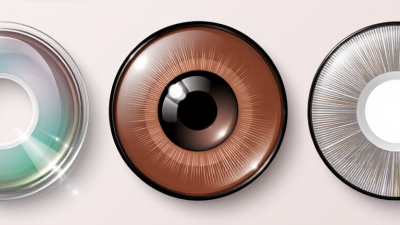
Beauty contact lenses can change the apparent color, pattern, or definition of the eyes. Some create a subtle shift; others make a striking change. Yet the right choice is not only about the mirror. Lens material, fit, and vision needs matter, too.
Ophthalmologist Dr. Thomas Steinemann has warned, “Decorative contact lenses are medical devices, not cosmetics.” That distinction is easy to overlook. A lens that looks like a harmless accessory still rests directly on the eye. A qualified eye-care professional can assess fit and explain safe wear and care. If a lens causes pain, redness, or blurred vision, remove it and seek professional advice.
Looks are only part. This guide explores common types of beauty contact lenses, including enhancement tints, opaque color lenses, and designs with limbal rings or patterned effects. Each offers a different visual result. Enhancement tints may deepen a natural shade, while opaque lenses can create a more noticeable change. Patterned styles add detail, but their appearance can vary with natural eye color and lighting.
There is no single best look for everyone. Product photos can be misleading; colors may appear different in daylight than indoors. The categories also overlap, and labels do not always explain how a lens will look on your eyes. We will compare the options and outline practical points to discuss with an eye-care professional before choosing.
Read more »
By:Ethan
- November 7, 2026
How to Choose Fashion Contact Lenses in 2026?
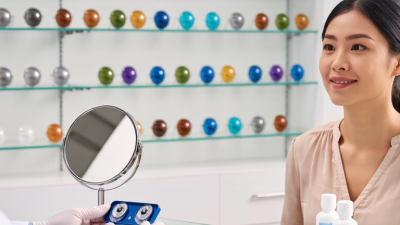
Choosing fashion contact lenses in 2026 means balancing the look you want with the health and comfort your eyes need. A vivid gray ring may look subtle in a studio photo, yet appear much stronger in daylight. Lens color, pupil design, material, and fit can all change the result. Looks matter. Fit matters more.
Ophthalmologist Dr. Thomas Steinemann has warned about the risks of decorative lenses. A concise paraphrase of his guidance is: “Decorative lenses are medical devices, not casual accessories.” That distinction matters when comparing fashion contact lenses online or in a store. A product photo cannot confirm whether a lens fits your eye, and a label alone cannot replace advice from a qualified eye-care professional. Seek a professional fitting, check that the product is clearly identified, and follow its cleaning and replacement instructions. Stop wearing lenses and get prompt eye-care advice if you notice pain, redness, blurred vision, or unusual light sensitivity. Small details count.
This guide will explore how to assess color and style, understand lens features, and make comfort part of the decision. It will also flag questions worth asking before you buy. No shade chart can predict exactly how a lens will look on every eye. That is easy to forget when a color seems perfect on screen. The safest choice is one that suits your appearance and your eyes.
Read more »
By:Ethan
- November 2, 2026

How to Choose Cosmetic Lenses for Global Buyers?
Choosing cosmetic lenses for global buyers requires more than matching a color to a product photograph. Fit matters. A lens may look natural online but feel dry, shift during blinking, or reduce clear vision. Buyers should examine base curve, diameter, oxygen permeability, replacement schedule, and material details. These specifications help manufacturers and distributors reduce avoidable discomfort across different markets.
Regulatory guidance supports this careful approach. The U.S. Food and Drug Administration classifies decorative contact lenses as medical devices, even when they are sold for appearance only. Its consumer guidance warns buyers to obtain professional fitting and a valid prescription. The Centers for Disease Control and Prevention reports that approximately 45 million Americans wear contact lenses. Its Morbidity and Mortality Weekly Report also found that 99% of surveyed wearers reported at least one hygiene behavior linked with higher complication risk. These findings show why attractive packaging cannot replace clinical advice.
Global buyers should also review supplier traceability, batch records, labeling, and complaint procedures. ISO 13485-based quality systems can indicate stronger medical-device controls, although certification alone does not guarantee a safe product. Country-specific requirements still matter. A supplier experienced in export documentation may prevent delays, but buyers must verify each claim independently. That part is often overlooked.
Color accuracy deserves practical testing. Compare samples under daylight, office lighting, and smartphone cameras. Check whether printed colors match the actual lens. Consider cultural preferences, prescription availability, and local climate. Dry air, dust, and long screen exposure may affect wearer comfort.
The market is growing, but growth should not lower standards. Cosmetic lenses are worn directly on the eye. A careful choice protects appearance, vision, and trust. Mistakes happen. Responsible buyers learn from them before scaling orders.
Read more »
By:Ethan
- October 28, 2026
What Are Cosmetic Contact Lenses and How Do They Work?
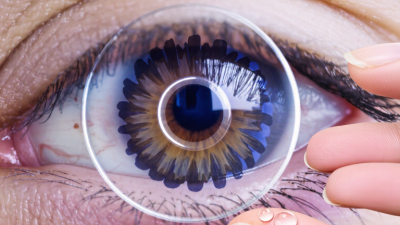
Cosmetic contact lenses can transform brown eyes into blue, enlarge the visible iris, or add a dramatic pattern. They work by placing a tinted or printed design over the natural iris. The clear central area allows light to reach the pupil. Some lenses also contain vision correction. Others only change appearance. The result depends on fit, lighting, eye color, and lens design.
The phrase sounds harmless. It is not always. Ophthalmologist Dr. Thomas Steinemann has warned, “Decorative contact lenses are medical devices, not cosmetics.” This distinction matters because a lens rests directly on the tear film and cornea. A poor fit can reduce oxygen flow, cause dryness, or create painful friction. A printed pupil area can also interfere with vision, especially in dim rooms when the natural pupil expands.
Safe use begins with a professional eye examination and a properly fitted prescription. An eye-care professional checks corneal shape, tear quality, and whether the lens moves correctly during blinking. Clean hands, fresh solution, and a strict replacement schedule reduce avoidable contamination. Never share lenses. Never sleep in them unless specifically directed by an eye-care professional. Small mistakes can become serious eye problems.
Still, fit alone does not guarantee comfort. Individual eyes react differently. Redness, blurred vision, discharge, or persistent pain require immediate removal and professional advice. Cosmetic contact lenses can be expressive and temporary, but they are not risk-free accessories. Understanding how they work encourages better choices, even when the desired effect is purely visual.
Read more »
By:Ethan
- October 23, 2026

10 Tips to Find Trusted Circle Contacts for Global Buyers?
Finding reliable circle contacts can shape every decision a global buyer makes. The right contact may reveal a supplier’s real capacity, response habits, and after-sales discipline. The wrong one can waste weeks, damage budgets, and weaken customer trust.
Networking expert Keith Ferrazzi said, “The currency of real networking is not greed but generosity.” That principle matters when building a professional circle contacts network. Experienced buyers do not collect names blindly. They compare recommendations, request verifiable company details, and study how contacts behave under pressure. A supplier who answers clearly at 9 a.m. should also explain delays at 5 p.m. That detail matters.
This guide presents ten practical tips for identifying dependable contacts across markets. It covers referrals, trade associations, professional platforms, references, communication tests, and basic company verification. It also considers privacy, ethical sourcing, contract clarity, and compliance with applicable international laws. No contact deserves trust simply because a profile looks polished. That assumption is risky.
Real experience often includes mistakes. A warm introduction may still lead to an unsuitable partner. A long contact list may produce little value. Buyers should review their decisions, record warning signs, and improve their screening process. Small checks help. A dated business address, consistent product information, and a reachable decision-maker can reveal more than impressive promises. Trusted relationships grow slowly, through evidence, transparency, and repeated professional conduct.
Read more »
By:Ethan
- October 18, 2026
Why Are Circle Lenses Popular Worldwide?
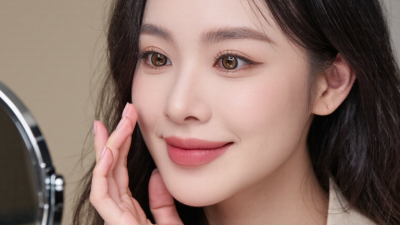
Circle lenses have become a visible part of global beauty culture. They enlarge the appearance of the iris and create a striking, camera-ready effect. For many wearers, the appeal extends beyond simple decoration. These lenses support cosplay, fashion styling, photography, and personal experimentation. A brown lens can soften an everyday look. A gray or violet lens can transform a character completely.
Social media has accelerated this interest. Short videos show dramatic before-and-after changes within seconds. Online stores also offer many colors, patterns, and diameters. The visual result is immediate. That makes circle lenses attractive to younger audiences and beauty-conscious consumers worldwide. However, popularity alone proves little. Fit, material quality, and hygiene still determine whether the experience is responsible.
As ophthalmologist Dr. Thomas Steinemann has warned, “These are not cosmetics. They are medical devices.” His statement provides an important professional perspective. Circle lenses sit directly on the eye, so improper use may cause irritation, infection, or reduced vision. Buyers should seek an eye examination and obtain lenses from legitimate, regulated sources. They should never share lenses or sleep while wearing them. Careful cleaning matters too.
The industry is appealing, but it is not flawless. Product descriptions may emphasize appearance more than eye health. Some consumers may also underestimate prescription requirements. A stronger future depends on transparent labeling, qualified fitting, and reliable aftercare. Circle lenses can remain expressive and enjoyable when beauty does not outrank safety. That balance may explain their lasting worldwide popularity.
Read more »
By:Callum
- October 13, 2026
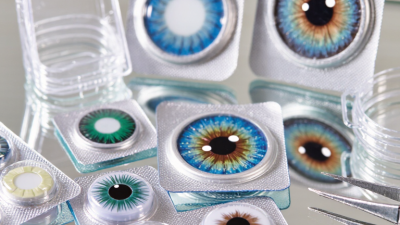
What Are the Top 10 Types of Color Contacts for Global Buyers?
Choosing the right color contacts is not simply a matter of matching blue, brown, or green shades. Global buyers must compare lens designs, wearing purposes, opacity levels, materials, and regional compliance requirements. A lens that looks natural in a studio photograph may appear much stronger under bright sunlight. Packaging, prescription information, manufacturing quality, and aftercare guidance also deserve close attention.
Dr. Thomas Steinemann, an ophthalmologist and contact lens safety expert, has warned: “Decorative contact lenses can be safe, but they can also cause serious eye problems if they are not prescribed and used properly.” His statement remains highly relevant for buyers evaluating color contacts across different markets. Safety should guide the purchase, not only visual appeal.
This guide examines ten common types, including enhancement tints, opaque lenses, circle lenses, daily disposables, monthly designs, custom-tinted options, and lenses created for special effects. The categories sometimes overlap. That can be confusing. A daily lens may also be an opaque lens, for example.
The discussion will consider appearance, comfort, intended use, replacement schedules, and buyer expectations. It will also highlight the importance of purchasing through legitimate suppliers and following professional fitting advice. No color contacts should be treated as ordinary accessories. The wrong base curve or poor-quality material can turn a beautiful design into an uncomfortable experience. Some buyer preferences are difficult to predict. That is why careful evaluation matters more than fashionable claims.
Read more »
By:Callum
- October 8, 2026
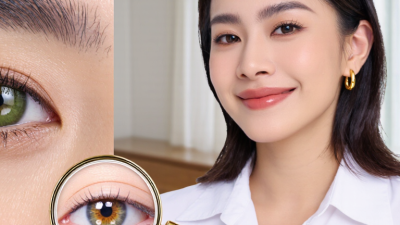
What Are the 2026 Top Colored Contacts Trends?
What Are the 2026 Top Colored Contacts Trends? The answer begins with changing ideas about beauty, comfort, and personal identity. Colored contacts are moving beyond dramatic costume effects. Many shoppers now prefer subtle enhancement, realistic limbal rings, and shades that match their natural eye color.
Soft hazel, muted gray, warm honey, and olive green may attract attention in 2026. These tones work well in daylight and indoor photography. Transparent patterns could also become more popular. They create a gentle effect instead of a painted appearance. Comfort will matter just as much as color. People notice dryness during long workdays, especially under air conditioning or bright studio lights.
A reliable trend guide must look beyond social media. It should consider lens materials, water content, prescription needs, proper fitting, and professional eye examinations. Eye-care professionals can assess whether a lens fits safely and suits the wearer’s eyes. Regulations and purchasing requirements also differ by country. That detail is easy to overlook.
Predictions can be imperfect. Viral shades may disappear quickly. Consumer preferences can change overnight. Still, safer designs and better wearer education are likely to remain important. This article explores the leading colored contacts trends for 2026, while separating practical developments from attractive but unreliable claims. Readers will find visual examples, comfort considerations, care reminders, and questions worth asking before choosing a new look. The most stylish lens is not always the best choice. A beautiful color means little if the eye feels irritated.
Read more »
 By:Elara
- October 3, 2026

2026 Top Types of Coloured Contact Lenses for Global Buyers
Coloured contact lenses can change an everyday look, whether the goal is a subtle shift or a vivid new shade. For global buyers, choosing well involves more than comparing colors on a screen. Lens type, fit, material, wearing schedule, and product documentation all matter. A soft hazel tint may look natural in daylight, while a bright blue design can appear quite different indoors. Small details count.
This guide explores the top types of coloured contact lenses in 2026, including enhancement tints, opaque shades, and lenses designed for different visual needs. It also explains how printed patterns and base colors affect the final appearance, especially over darker irises. Product images are useful, but they cannot guarantee the same result on every eye. That part is easy to overlook.
Comfort and eye health should guide the decision. Contact lenses are medical devices, even when worn for appearance alone. Buyers should check the lens specifications, follow the care instructions, and seek advice from a qualified eye-care professional about fit and safe wear. Requirements and product availability vary by market, so reliable documentation deserves close attention. A low price is not the whole story.
The comparison ahead is practical, not absolute. No single style suits everyone, and color names can be imprecise. Some claims may sound convincing. Verify them. By understanding the main lens categories and their trade-offs, buyers can ask better questions and choose more confidently for their needs, intended use, and local market.
Read more »
By:Elara
- September 29, 2026
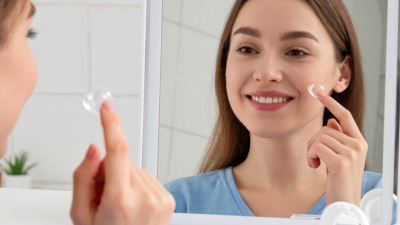
How to Choose Safe Color Contact Lenses?
A striking eye color can change the feel of a whole look. But safe color contact lenses are not just cosmetic accessories. They sit directly on the eye, where a poor fit, dirty hands, or overnight wear can cause real harm. A lens that feels comfortable is not automatically safe. That detail is easy to overlook.
Ophthalmologist Dr. Thomas Steinemann has discussed the risks of decorative lenses; in practical terms, his guidance is clear: cosmetic lenses still need professional fitting and careful use. This is a paraphrase, not a direct quotation. Before choosing color contact lenses, arrange an eye-care professional’s assessment and follow the lens maker’s cleaning and wear instructions. Check that the packaging identifies the lens and its parameters, and avoid products with unclear labeling. Never share lenses. Wash and dry your hands before handling them, and stop wearing them if your eyes become painful, red, or unusually sensitive to light. Seek prompt professional advice if symptoms appear.
A mirror cannot show whether a lens fits your cornea. Nor can a vivid product photo tell you how it was stored. Those limits matter. Some advice online sounds confident but leaves out the small, practical steps that protect your eyes. Choosing safely means checking the source, fit, hygiene instructions, and warning signs—not just the shade. I would still ask one more question: does this lens suit my eyes, not merely my outfit?
Read more »
By:Ethan
- September 29, 2026