0%

Circle lenses have become a visible part of global beauty culture. They enlarge the appearance of the iris and create a striking, camera-ready effect. For many wearers, the appeal extends beyond simple decoration. These lenses support cosplay, fashion styling, photography, and personal experimentation. A brown lens can soften an everyday look. A gray or violet lens can transform a character completely.

Social media has accelerated this interest. Short videos show dramatic before-and-after changes within seconds. Online stores also offer many colors, patterns, and diameters. The visual result is immediate. That makes circle lenses attractive to younger audiences and beauty-conscious consumers worldwide. However, popularity alone proves little. Fit, material quality, and hygiene still determine whether the experience is responsible.

As ophthalmologist Dr. Thomas Steinemann has warned, “These are not cosmetics. They are medical devices.” His statement provides an important professional perspective. Circle lenses sit directly on the eye, so improper use may cause irritation, infection, or reduced vision. Buyers should seek an eye examination and obtain lenses from legitimate, regulated sources. They should never share lenses or sleep while wearing them. Careful cleaning matters too.

The industry is appealing, but it is not flawless. Product descriptions may emphasize appearance more than eye health. Some consumers may also underestimate prescription requirements. A stronger future depends on transparent labeling, qualified fitting, and reliable aftercare. Circle lenses can remain expressive and enjoyable when beauty does not outrank safety. That balance may explain their lasting worldwide popularity.
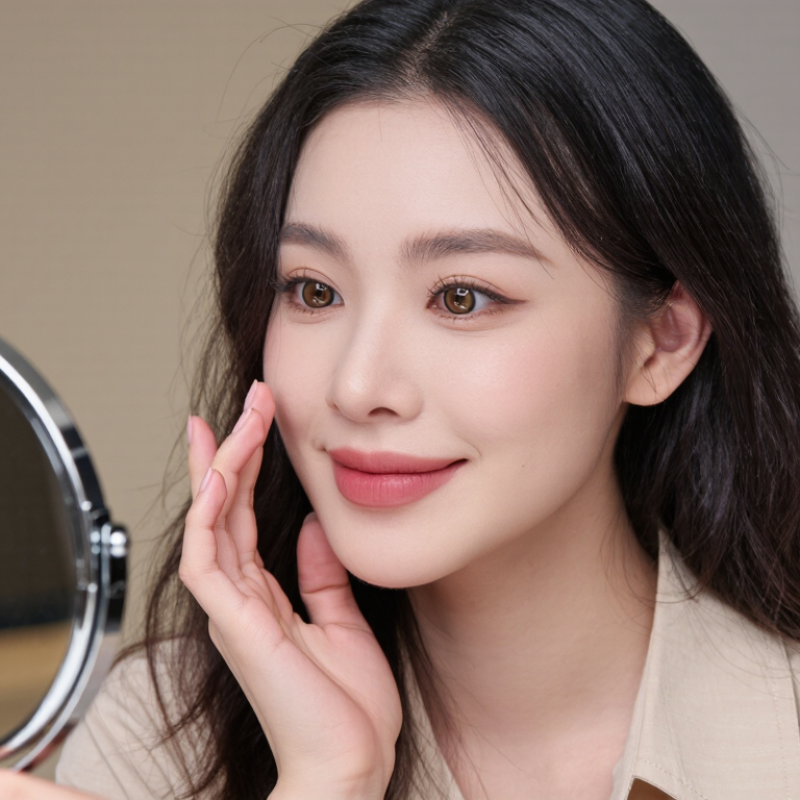
Why Are Circle Lenses Popular Worldwide?

What Are Circle Lenses and How Do They Work?

Why Are Circle Lenses Popular Worldwide?

What Are Circle Lenses and How Do They Work?

Circle lenses are cosmetic contact lenses with a colored pattern and a wider printed iris area. They create the appearance of larger, brighter eyes. However, they do not physically enlarge the eye. The effect comes from extending the visible iris boundary around the pupil. The wording “bigger eyes” is visually useful, but technically imperfect.

A lens rests on the tear film covering the cornea. Its material must allow oxygen to reach the eye. A suitable fit helps the lens move slightly during blinking. Poorly fitted lenses may cause dryness, redness, blurred vision, or corneal injury. The U.S. Food and Drug Administration classifies decorative contact lenses as medical devices requiring professional fitting. The Centers for Disease Control and Prevention reports that about 45 million Americans wear contact lenses. Grand View Research valued the global contact lens market at approximately US$17.7 billion in 2023. These figures show strong demand, but they do not prove every cosmetic lens is safe.

Tips: Obtain an eye examination before wearing circle lenses. Use lenses prescribed for your eyes. Wash and dry your hands carefully. Never share lenses or sleep in them unless an eye-care professional approves it. Replace the storage solution regularly. Stop wearing them when pain, light sensitivity, or sudden blur appears. A colorful look is not worth ignoring symptoms.

How Circle Lenses Became Popular Across Different Countries

Why Are Circle Lenses Popular Worldwide?

Circle lenses became popular across countries because they combine beauty, photography, and online self-expression. In Japan and South Korea, larger-looking irises became linked with soft, youthful makeup styles. Social media then carried this look to Southeast Asia, Europe, and North America. Short videos made the effect easy to compare: a subtle brown lens can enlarge the eyes, while a gray design creates a sharper appearance. Grand View Research’s 2024 analysis projects the global colored contact lens market to grow at about 7.8% annually from 2024 to 2030. Circle lenses are only part of this category, but the trend shows strong international interest.

The spread is not perfectly uniform. Consumers in Thailand may prefer bright, expressive colors, while users in Europe often choose natural tones for daily photographs. Costume events and digital creators also helped introduce dramatic styles to new audiences. Yet market reports often combine colored, cosmetic, and circle lenses, so exact global figures remain difficult to measure. That limitation deserves attention. Personal experience also matters: comfort, eye shape, climate, and wear time can change the result completely.

Tips: Buy only properly regulated lenses from verified sellers. Get an eye examination before wearing them. Follow the recommended replacement schedule, and never share lenses. If redness, pain, or blurred vision appears, remove them promptly and seek professional advice. A beautiful enlarging effect is not worth risking eye health.

What Makes Circle Lenses Attractive to Wearers?

Circle lenses attract wearers by making the iris appear larger and more defined. The effect can create a soft, doll-like look in photos. It may also make everyday makeup feel more expressive. Some people choose subtle brown tones for work. Others prefer brighter colors for performances, festivals, or creative portraits. Comfort matters as much as appearance, though. A lens that feels dry after two hours can quickly spoil the experience.

From personal wearers’ reports, the appeal often comes from small visual changes. Eyes may look more awake under indoor lighting. A thin limbal ring can add noticeable contrast without heavy makeup. Still, camera filters can exaggerate expectations. Real-life results depend on eye color, lens design, lighting, and fit. This is where professional guidance becomes important. Eye-care professionals can check whether the lenses suit your eyes and vision needs. Decorative lenses are not automatically risk-free.

Tips: Buy only from lawful, traceable sellers with clear product information. Ask an optometrist about sizing and safe use. Wash and dry your hands before handling lenses. Never share them, sleep in them, or use tap water for cleaning. Remove them if you notice pain, redness, blurred vision, or unusual sensitivity. Follow the replacement schedule, even when the lenses still look clean. I once underestimated how quickly dryness could develop during a long event. That assumption was careless. Beauty should not require ignoring warning signs.

How Fashion, Media, and Beauty Culture Influence Their Popularity

Circle lenses are popular because they turn a small eye detail into a visible fashion statement. Their printed outer ring can make the iris appear larger, brighter, or more defined. This effect suits soft makeup, cosplay, street fashion, and carefully staged selfies. The appeal is immediate. A mirror shows change within seconds.

Media accelerates that appeal. DataReportal’s Digital 2024 report counted 5.04 billion social media users worldwide. Short videos reward strong visual changes, even when lighting and filters influence the result. Beauty creators also teach viewers how to match lenses with eyeliner, colored shadows, and hairstyles. McKinsey’s 2023 beauty market analysis projected the global beauty industry could reach about $590 billion by 2028. That growth reflects a wider shift toward personal experimentation, not only traditional cosmetics.

Yet the explanation is incomplete. Online images rarely show dryness, cleaning routines, or fitting problems. The Vision Council’s 2024 consumer research continues to emphasize professional eye-care guidance for contact-lens wearers. Circle lenses should be fitted by an eye-care professional, even when vision correction is not needed. They require hygienic handling and proper replacement schedules. Fashion can inspire confidence, but comfort remains the real test. Some trends fade quickly. A safer beauty habit may look less glamorous, but it protects the eyes behind the image.

Why Are Circle Lenses Popular Worldwide? — How Fashion, Media, and Beauty Culture Influence Their Popularity

Influence Dimension Documented Data or Fact What It Suggests About Circle-Lens Popularity Geographic or Cultural Relevance Source
Global digital reach 5.4 billion people were online in 2023, representing approximately 67% of the world’s population. Beauty styles can spread rapidly through tutorials, short-form videos, livestreams, and user-generated photographs. Worldwide, especially among younger consumers with regular internet access. International Telecommunication Union, Facts and Figures 2023
Social-media exposure More than 5 billion social-media user identities were recorded globally in early 2024. Highly visual products, including enlarging or color-enhancing lenses, are easy to demonstrate in before-and-after content. Urban and digitally connected markets across Asia, Europe, North America, Latin America, and the Middle East. Data compiled from international digital-use estimates published in 2024
Beauty-content consumption Global internet users spent an average of more than two hours per day on social media in 2023 estimates. Frequent exposure increases familiarity with aesthetic techniques that emphasize larger-looking eyes, color contrast, and photographic definition. Particularly relevant to beauty communities, makeup tutorials, cosplay, and fashion-content audiences. International digital-behavior estimates, 2024 edition
Korean and East Asian beauty influence East Asian beauty media has popularized visual ideals such as softly defined eyes, gradient makeup, luminous skin, and coordinated styling. Circle lenses complement eye-focused makeup and can become part of a complete visual look rather than an isolated accessory. Strong influence in East and Southeast Asia, with wider adoption through international beauty and entertainment communities. UNESCO reports on the international circulation of cultural and creative industries; academic research on Korean popular culture and beauty practices
Photography and screen appearance Cameras, studio lighting, high-definition video, and image filters make eye size, iris color, and contrast more visually noticeable. Lenses can be perceived as an efficient styling tool for creating a distinctive appearance in photographs and videos. Relevant to online creators, performers, cosplay communities, fashion photography, and special-event makeup. Research literature on digital self-presentation and appearance management
Identity and self-expression Fashion consumption is commonly associated with identity construction, group belonging, experimentation, and social self-presentation. Circle lenses can support temporary or permanent style changes without altering clothing, hairstyle, or facial makeup. Visible in subcultures such as cosplay, alternative fashion, doll-inspired styling, and festival beauty. Peer-reviewed studies in fashion psychology, consumer behavior, and visual identity
Cosmetic versatility Circle lenses are available in visual styles designed to create effects such as larger-looking irises, enhanced limbal rings, or changed eye color. The same product category can serve natural, glamorous, character-inspired, seasonal, and editorial beauty preferences. Appeals to consumers with different levels of makeup experience and different cultural beauty ideals. Optometry and ophthalmology literature describing cosmetic and decorative contact lenses
Uncorrected vision needs The World Health Organization estimates that at least 2.2 billion people worldwide live with a near or distance vision impairment; at least 1 billion cases could have been prevented or remain unaddressed. Some consumers may combine vision correction with cosmetic preferences, although cosmetic appeal does not remove the need for professional fitting. Global relevance, with access and affordability varying substantially between regions. World Health Organization, World Report on Vision and vision-impairment fact sheets
Regulatory awareness In the United States, decorative contact lenses are regulated as medical devices and require a valid prescription. Popularity exists alongside a safety message: lenses should be fitted, purchased, and used according to local medical-device rules. Regulatory requirements differ by country, but professional fitting and hygiene are important worldwide. U.S. Food and Drug Administration guidance on decorative contact lenses
Safety and hygiene concerns Improperly fitted, shared, expired, or poorly cleaned lenses can increase the risk of corneal injury, infection, and vision loss. Public education influences responsible adoption and distinguishes legitimate cosmetic use from unsafe impulse purchases. Especially important in markets where lenses are sold online or outside professional eye-care channels. U.S. Food and Drug Administration; American Academy of Ophthalmology; public-health guidance on contact-lens safety
Overall popularity mechanism Fashion visibility + digital sharing + beauty experimentation + cultural storytelling create a reinforcing popularity cycle. Circle lenses become popular not only because of their visual effect, but also because they are easy to style, photograph, discuss, and adapt to different looks. A global pattern with local differences in beauty ideals, regulation, price, and access to eye-care services. Synthesis of the evidence listed above
Note: The available public evidence more often measures internet use, beauty-media behavior, vision care, and contact-lens safety than circle-lens sales alone. The table therefore presents documented contextual indicators rather than company or brand market-share data.

What Safety and Usage Factors Should Consumers Consider?

Circle lenses attract attention because they enlarge the visible iris and create a dramatic, doll-like appearance. Their popularity grows through online beauty culture. Yet appearance should not outrank eye health.

The U.S. Food and Drug Administration classifies decorative contact lenses as medical devices. Consumers should obtain an eye examination and a professional fitting before wearing them. Lens diameter, material, oxygen flow, and moisture balance affect comfort and corneal safety. A poor fit may cause redness, blurred vision, scratches, or infection. Never share lenses, even with close friends. Wash and dry hands before handling them. Keep lenses away from tap water, swimming pools, and saliva. Replace the storage case regularly, as recommended by an eye-care professional.

The CDC’s 2014 MMWR report found that 99% of surveyed contact-lens wearers reported at least one risky hygiene behavior. That figure is difficult to ignore. Sleeping in lenses, reusing solution, and extending replacement schedules can increase infection risk. Follow the exact wearing time and care instructions. Stop immediately if pain, light sensitivity, discharge, or sudden blurry vision appears. Seek qualified eye care quickly. I would not trust online comments as a substitute for an examination. Even experienced users can misjudge discomfort, especially when cosmetic lenses feel “almost fine.” FDA consumer guidance also warns that untreated contact-lens complications can threaten vision. Safety depends on routine choices, not just the lens’s appearance.

Why Are Circle Lenses Popular Worldwide?

Safety behaviors consumers should consider before wearing cosmetic circle lenses

Circle lenses are popular because they can create a larger-looking iris and support cosmetic self-expression. However, they are still contact lenses, so poor hygiene or exposure to water can increase the risk of eye irritation and infection.

The chart shows the percentage of adult contact-lens wearers in a U.S. survey who reported selected risky behaviors. The survey covered contact lenses generally, not circle lenses specifically; the behaviors are relevant because circle lenses require the same basic safety practices.

Source: Centers for Disease Control and Prevention, “Risky Contact Lens Practices Among Adult Contact Lens Wearers — United States, 2014.”

FAQS

Why do people find circle lenses attractive?

They make the iris look larger and more defined. A soft, doll-like effect appears in photos. Even simple makeup can feel more expressive.

Which colors and styles suit different occasions?

Subtle brown tones may suit workplaces. Brighter colors can fit performances, festivals, or creative portraits. Lighting changes the final effect. Photos may look stronger than real life.

Do circle lenses always look natural?

No. Results depend on eye color, lens design, fit, and lighting. A thin outer ring may add gentle contrast. Filters can exaggerate expectations. Real-life results may feel less dramatic.

Are decorative lenses safe without vision correction?

Not automatically. A professional should check your eyes and fit the lenses. Diameter, material, oxygen flow, and moisture balance affect comfort. Poor fitting can cause redness or blurred vision.

How should users handle circle lenses hygienically?

Wash and dry your hands before touching them. Use the recommended cleaning solution. Never use tap water, saliva, or shared storage liquid. Keep the case clean and replace it regularly.

Can users share lenses with friends?

No. Sharing can transfer germs and increase infection risk. Each person needs individually fitted lenses. Close friendships do not remove that risk.

Can someone sleep or swim while wearing circle lenses?

Sleeping in them is unsafe unless specifically approved by a professional. Avoid swimming pools and other water exposure. Water can carry harmful microorganisms. A few careless minutes may create serious problems.

When should someone remove the lenses and seek help?

Remove them if pain, redness, discharge, light sensitivity, or sudden blur appears. Seek qualified eye care quickly. Do not rely only on online comments. “Almost fine” can still be a warning.

What common mistake should wearers reconsider?

Some people underestimate dryness during long events. That assumption is careless. A lens may look clean but still need replacement. Beauty should never outweigh warning signs.

Conclusion

Circle lenses are cosmetic contact lenses designed to make the iris appear larger and the eyes look more defined. They achieve this effect through a printed color pattern and an enlarged outer ring, while still serving as vision-correction lenses in some cases. Their popularity has spread across many countries because they offer a simple way to change eye appearance for everyday fashion, photography, performances, and special occasions. Different beauty preferences and cultural trends have helped shape how people choose colors, patterns, and levels of enlargement.

The appeal of circle lenses comes from their ability to complement makeup, create a youthful or expressive look, and reflect styles promoted through fashion, entertainment, social media, and online beauty communities. However, appearance should never outweigh eye health. Wearers should choose lenses from trustworthy sources, obtain professional guidance when needed, follow cleaning and replacement instructions, and avoid sharing or wearing them for longer than recommended. Proper hygiene, correct fitting, and attention to discomfort or vision changes are essential for enjoying circle lenses safely.

Callum

Callum

Callum is a professional marketing specialist with a strong understanding of product strategy, customer needs, and digital communication. As a key contributor to the company’s content team, he regularly updates the corporate website with insightful blog articles that explain product features,......