A striking eye color can change the feel of a whole look. But safe color contact lenses are not just cosmetic accessories. They sit directly on the eye, where a poor fit, dirty hands, or overnight wear can cause real harm. A lens that feels comfortable is not automatically safe. That detail is easy to overlook.
Ophthalmologist Dr. Thomas Steinemann has discussed the risks of decorative lenses; in practical terms, his guidance is clear: cosmetic lenses still need professional fitting and careful use. This is a paraphrase, not a direct quotation. Before choosing color contact lenses, arrange an eye-care professional’s assessment and follow the lens maker’s cleaning and wear instructions. Check that the packaging identifies the lens and its parameters, and avoid products with unclear labeling. Never share lenses. Wash and dry your hands before handling them, and stop wearing them if your eyes become painful, red, or unusually sensitive to light. Seek prompt professional advice if symptoms appear.
A mirror cannot show whether a lens fits your cornea. Nor can a vivid product photo tell you how it was stored. Those limits matter. Some advice online sounds confident but leaves out the small, practical steps that protect your eyes. Choosing safely means checking the source, fit, hygiene instructions, and warning signs—not just the shade. I would still ask one more question: does this lens suit my eyes, not merely my outfit?
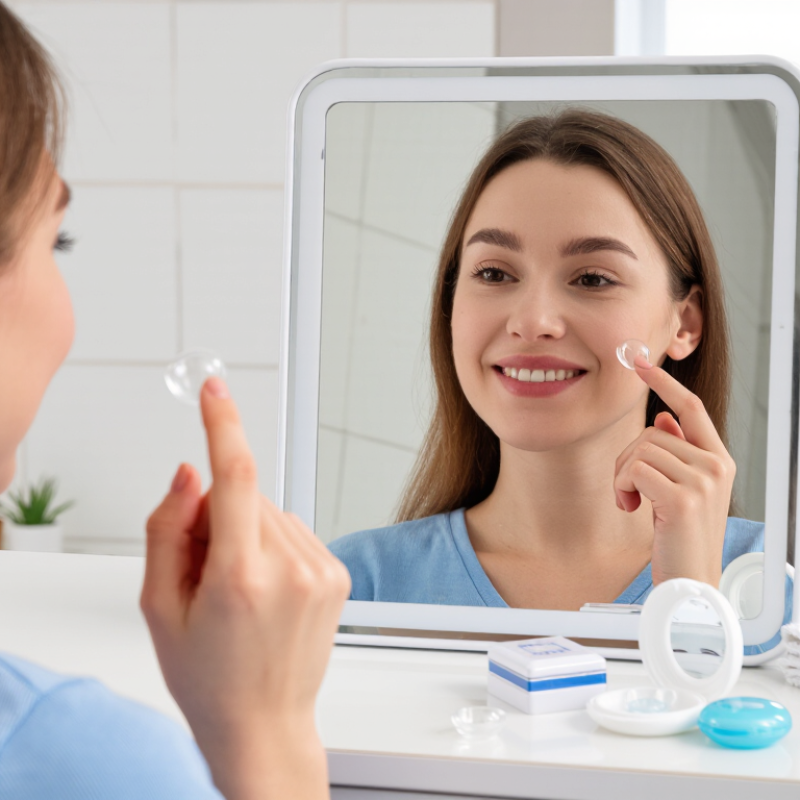
Color contact lenses can change an eye’s appearance, but they are still medical devices. Even non-prescription lenses need professional fitting. A poor fit may rub the cornea, reduce oxygen, or shift across the eye. The result can include redness, dryness, blurred vision, infection, or serious corneal damage. Eye pain is not a normal adjustment period.
The main types include enhancement tints, which deepen the natural eye color, and opaque tints, which cover it more fully. Some lenses correct vision, while plano lenses only change appearance. Daily disposable lenses can reduce buildup when used correctly. Reusable lenses require careful cleaning and proper storage. Decorative lenses without vision correction are not automatically safer. That assumption causes problems.
A qualified eye-care professional should check your eye health, measure the fit, and confirm the prescription. Buy lenses from a lawful, traceable source, with clear packaging and usage instructions. Never share them, sleep in them, or rinse them with tap water. Follow the replacement schedule, even when the lenses still look clean. Wash and dry your hands before handling them. Stop wearing lenses if you notice pain, light sensitivity, discharge, or sudden blurred vision, then seek prompt medical care. I would not treat online appearance claims as medical evidence. Comfort matters, but it can be misleading; some damage develops before discomfort becomes obvious.
Understand the risks and replacement schedules of color contact lenses.
The chart shows common planned replacement intervals for soft contact lenses. A shorter replacement interval does not make unsafe wear acceptable: color lenses should be prescribed, properly fitted, purchased from a legitimate source, and replaced according to the eye-care professional’s instructions. Never share lenses, sleep in them unless specifically approved, or use non-sterile water for cleaning or storage.
Reference: U.S. Food and Drug Administration, “Decorative Contact Lenses”; Centers for Disease Control and Prevention, “Healthy Contact Lens Wear and Care.”
How to Choose Safe Color Contact Lenses?
A professional eye exam should come before choosing colored contact lenses. An optometrist checks your vision, corneal shape, tear film, and eye health. The fitting also measures the lens diameter and base curve. These details affect movement, oxygen flow, and comfort. A mirror can show color, not fit.
The U.S. Food and Drug Administration classifies contact lenses as medical devices. Its consumer guidance states that decorative lenses require a valid prescription, even without vision correction. The Centers for Disease Control and Prevention reports that about 45 million Americans wear contact lenses. CDC also notes that 40% to 90% of wearers fail to follow at least one recommended care practice. That gap matters with colored lenses, which may reduce visibility around the pupil.
Your prescription should come from an eye-care professional, not an online color chart. Ask whether the lens suits dry eyes, allergies, astigmatism, or sensitive corneas. A proper prescription includes more than your glasses power. It may specify lens curvature, diameter, replacement schedule, and wearing limits. Never borrow lenses or sleep in them unless specifically instructed. Remove them if redness, pain, light sensitivity, or blurred vision appears. Seek prompt professional advice. Small discomfort is not always harmless. The honest mistake is treating appearance as the main test. Comfort can change after several hours, so a follow-up visit remains useful.
Color contact lenses should be treated as medical devices, not simple fashion accessories. The lens material affects oxygen reaching the cornea. High water content alone does not guarantee comfort or safety. A qualified eye-care professional can check your eye health, prescription, and suitable lens diameter. Fit matters. A lens that shifts, feels tight, or covers too much of the iris may cause irritation or blurred vision.
Look for clear material information, manufacturing details, an expiration date, and sealed packaging. Regulatory approval should also be verifiable through the relevant health authority in your country. Requirements differ by location, so approval in one region may not apply elsewhere. Buy only from a lawful, traceable seller. Avoid loose lenses, missing instructions, or packaging with spelling errors.
Small details matter. Wash and dry your hands before handling lenses. Never share them, sleep in them, or rinse them with tap water. Replace the storage solution as directed. Stop wearing lenses if you notice pain, unusual redness, light sensitivity, or discharge, and seek prompt professional care. The lens may not be the only cause, but guessing can delay treatment. It is easy to assume attractive lenses are harmless. That assumption needs reconsidering. Even when the fit seems comfortable, an eye examination remains the safer choice.
Choose a reputable seller before choosing a color. A professional eye examination helps confirm your prescription, base curve, and lens diameter. Color does not make a lens harmless.
Check whether the seller provides a physical address, customer service contact, and clear product information. Verify the manufacturer, prescription range, base curve, diameter, lot number, and expiry date. The package should arrive sealed, clean, and undamaged. Do not accept vague labels or missing instructions.
Read the seller’s return policy carefully. A very low price may reflect poor traceability, not a genuine bargain. I would compare the package with the prescription before opening it. Still, even careful shoppers can miss small details.
That is my weak point.
If the lens feels painful, unusually dry, loose, or blurry, remove it immediately and seek qualified eye-care advice. Never share lenses, sleep in them, or rinse them with tap water.
How to Choose Safe Color Contact Lenses?
Safe color contact lenses require disciplined wear, cleaning, and replacement. Choose lenses fitted by a qualified eye-care professional, even when vision correction is unnecessary. A proper fit reduces friction, dryness, and movement across the eye. Color does not make a lens safer. Never share lenses, sleep in them, or wear them during swimming or showering unless specifically instructed. Shortcuts feel harmless. They are not.
Wash and dry your hands before touching the lenses. Use fresh, approved disinfecting solution every time. Do not rinse lenses with tap water or saliva. Rub and rinse each lens as directed, then store it in a clean case filled with new solution. Avoid “topping off” old solution. The CDC reported that 99% of surveyed adult contact lens wearers had practiced at least one risky behavior, according to a 2016 MMWR report. That number is uncomfortable, but useful. Even experienced users forget small steps.
Follow the replacement schedule from your eye-care professional, not the lens’s appearance. A lens can look clear while collecting deposits or causing tiny surface damage. Replace the storage case at least every three months, or sooner if it cracks or becomes dirty. Stop wearing lenses if you notice pain, unusual redness, light sensitivity, discharge, or blurred vision. Remove them promptly and seek professional care. Do not “wait and see” with eye symptoms. FDA consumer guidance also advises following the prescribed wearing and replacement instructions carefully. My own reflection: cleaning routines often fail when they become automatic. A visible checklist near the mirror can prevent that.
An eye-care professional checks vision, corneal shape, tear film, and eye health. A mirror shows color, not fit.
It may include lens power, base curve, diameter, replacement schedule, and wearing limits. Glasses power alone may be insufficient.
Decorative lenses still need professional oversight and a valid prescription in some regions. Color does not make lenses harmless.
Look for a physical address, customer service contact, clear instructions, and traceable product details. Vague labels deserve caution.
Check the prescription, base curve, diameter, lot number, expiry date, and product information. The package should be sealed and undamaged.
Never share lenses, sleep in them, or rinse them with tap water. Wash and dry your hands before handling them.
Remove them immediately if you notice pain, redness, unusual dryness, light sensitivity, looseness, or blurred vision. Small discomfort can matter.
Fit and oxygen flow affect comfort over time. A lens may feel acceptable initially, then become dry or blurry later.
Not always. A low price may indicate poor traceability rather than a real bargain. I might still miss tiny package details.
Remove them and seek qualified eye-care advice promptly. Do not keep wearing them just to preserve the appearance.
Choosing safe color contact lenses starts with understanding that they are medical devices, not merely cosmetic accessories. Although they can change or enhance eye color, poorly made or improperly fitted lenses may reduce oxygen flow, cause irritation, or increase the risk of eye infection and vision problems. Before purchasing, schedule a comprehensive eye exam and obtain a prescription from a qualified eye-care professional, even if you do not need vision correction. Your prescription should account for the lens size, curvature, and fit required by your eyes.
When selecting color contact lenses, review the lens material, manufacturing information, expiration date, and regulatory approval in your region. Buy only from a reputable, authorized seller, and avoid products with unclear packaging or missing instructions. Always wash and dry your hands before handling lenses, use the recommended disinfecting solution, never share lenses, and follow the advised wearing schedule. Replace lenses as directed, remove them before sleeping or swimming unless specifically approved for those activities, and stop wearing them if you experience pain, redness, blurred vision, or unusual sensitivity.