0%

Choosing fashion contact lenses in 2026 means balancing the look you want with the health and comfort your eyes need. A vivid gray ring may look subtle in a studio photo, yet appear much stronger in daylight. Lens color, pupil design, material, and fit can all change the result. Looks matter. Fit matters more.

Ophthalmologist Dr. Thomas Steinemann has warned about the risks of decorative lenses. A concise paraphrase of his guidance is: “Decorative lenses are medical devices, not casual accessories.” That distinction matters when comparing fashion contact lenses online or in a store. A product photo cannot confirm whether a lens fits your eye, and a label alone cannot replace advice from a qualified eye-care professional. Seek a professional fitting, check that the product is clearly identified, and follow its cleaning and replacement instructions. Stop wearing lenses and get prompt eye-care advice if you notice pain, redness, blurred vision, or unusual light sensitivity. Small details count.

This guide will explore how to assess color and style, understand lens features, and make comfort part of the decision. It will also flag questions worth asking before you buy. No shade chart can predict exactly how a lens will look on every eye. That is easy to forget when a color seems perfect on screen. The safest choice is one that suits your appearance and your eyes.
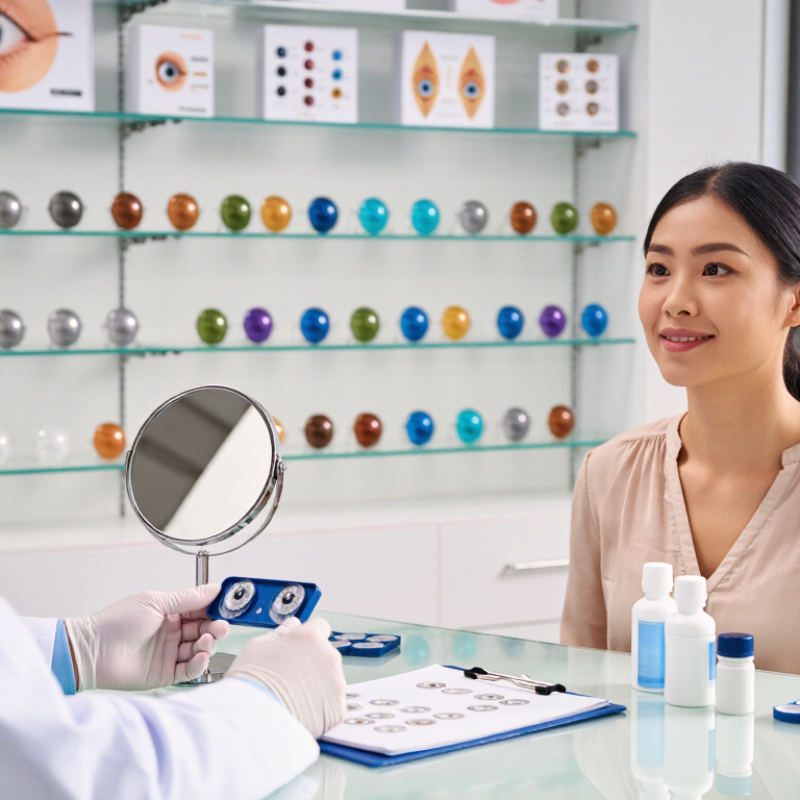
How to Choose Fashion Contact Lenses in 2026?

Identify Lens Types: The FDA Regulates Decorative Contacts as Medical Devices

Decorative contact lenses can change the apparent color or pattern of your eyes, even when they do not correct vision. In the United States, the FDA regulates them as medical devices. That distinction matters: a lens is not just a fashion accessory because it rests directly on the eye. Looks are not enough.

A proper fit depends on your eye’s shape, not just the color shown in a product photo. An eye-care professional can examine your eyes, measure them, and provide a prescription. Even lenses labeled “nonprescription” or sold for costumes may still require one under U.S. rules. Rules differ by country, so check local guidance too.

Poorly fitting or unhygienic lenses can irritate the eye and raise the risk of infection or corneal injury. Redness, pain, light sensitivity, or blurred vision deserve prompt attention from an eye-care professional. Remove the lenses if discomfort starts. Do not share them, and follow the care instructions for cleaning, storage, and wear time. It is easy to focus on a striking iris pattern and overlook a dry, gritty feeling. That small detail is worth taking seriously.

Get an Eye Exam and Fitting: CDC Estimates 45 Million U.S. Lens Wearers

Fashion contact lenses should begin with an eye exam, not a color chart. The CDC estimates that about 45 million people in the United States wear contact lenses. A professional fitting checks how a lens sits and moves on your eye, while an exam can identify issues that color alone cannot reveal. Fit matters. Even a lens worn occasionally can cause irritation if it does not suit your eyes.

Tips: Book an exam before choosing a style. Ask about lens material, wear time, cleaning, and replacement schedule. At the appointment, mention dryness, allergies, or long hours in front of a screen. Bring your current lens details, if available. Small details help.

Fashion lenses are still medical devices, even when they have no vision correction. The U.S. Food and Drug Administration advises consumers to obtain them through an eye-care professional with a valid prescription. That guidance is practical, not fussy. In a CDC-reported survey of 1,000 adult lens wearers, 99% reported at least one behavior linked with increased eye-infection risk. A loose routine can creep in: sleeping in lenses, rinsing them with water, or stretching replacement dates. It is easy to dismiss mild redness. Don’t. Remove the lenses and contact an eye-care professional if discomfort or blurred vision persists.

Compare Color, Material, and Oxygen Transmissibility on Product Labels

How to Choose Fashion Contact Lenses in 2026?

Fashion lenses can change an outfit, but the product label deserves a close read. Compare the color description with your natural eye color and the lens’s printed design. A translucent tint may blend softly, while an opaque pattern can look more dramatic. Check whether the colored area leaves a clear zone over the pupil. A product photo cannot show every result. Lighting changes the look, too.

Material labels offer useful clues, not a comfort guarantee. Hydrogel and silicone hydrogel lenses differ in how they handle oxygen and moisture. Silicone hydrogel generally allows more oxygen through the material, but fit and wearing habits matter as well. Comfort varies from person to person. Ask an eye-care professional to assess fit and suitability before wearing a new lens. That detail matters.

Look for oxygen transmissibility, often shown as Dk/t, when the label provides it. Higher values indicate more oxygen passing through a lens under specified conditions. Compare figures only when testing details and lens parameters are comparable; lens power can affect thickness and performance. If the label is unclear, ask the seller or your eye-care professional for documentation. Don’t guess. A vivid color is not a substitute for a clear label, a proper fit, or careful wear.

How to Choose Fashion Contact Lenses in 2026?

Compare color, material, and oxygen information on the product label. The chart shows broad, approximate oxygen-permeability (Dk) ranges for material categories—not the oxygen transmissibility of a finished lens.

Color: Check whether the tint is intended to enhance or fully change eye color. The result varies with your natural iris, lighting, and lens design.

Material and oxygen: Dk describes material permeability; Dk/t describes transmissibility through a lens and depends on lens thickness. Compare the same measure when reading labels.

Before buying: Confirm the lens is suitable for your eyes and prescribed or fitted by an eye-care professional. Follow its replacement schedule and care instructions.

Verify the Seller and Prescription: Decorative Contacts Require an Rx

A striking iris pattern can look harmless in a product photo. But decorative contact lenses sit directly on the eye, even when they do not correct vision. In the United States, non-corrective decorative lenses also require a valid prescription. Rules differ by location, so check your local requirements before ordering. A lens that feels tight or rubs can irritate the eye; color alone tells you nothing about its fit.

Verify the seller before sharing payment or prescription details. Look for a physical business address, clear customer-service contact, and evidence that the seller follows local rules for supplying prescription lenses. Be cautious if a checkout page skips prescription verification or promises a perfect fit for everyone. That is a warning sign. A legitimate seller should ask for a current prescription and provide clear product, care, and replacement information.

Check the package when it arrives. The lens type and measurements should match your prescription, and the sealed packaging should show an expiry date and lot number. If anything is missing or mismatched, pause. Do not guess. Contact the seller and your eye-care professional before wearing the lenses. It can be tempting to choose a pair by color first; that order of decisions deserves a second thought.

Plan Wear and Care: A CDC Study Found 99% Reported a Risky Habit

How to Choose Fashion Contact Lenses in 2026?

A striking lens color may look simple to choose. Safe wear takes more planning. Contact lenses, including decorative styles, need a professional fitting and suitable instructions for your eyes. An ill-fitting lens can rub the cornea, even when it feels comfortable at first.

In a CDC-published survey of 1,000 U.S. adult contact lens wearers, 99% reported at least one risky wear or care habit. The study appeared in the CDC’s 2014 Morbidity and Mortality Weekly Report. That figure reflects the surveyed group, not every lens wearer. Still, it is a useful warning: small shortcuts matter. A late night can make “just this once” feel harmless.

Plan wear around the lens instructions and your daily routine. Wash and dry your hands before handling lenses, use fresh recommended solution, and never top off old solution. Keep lenses away from water, including shower and pool water. Replace them on schedule, and remove them before sleep unless an eye-care professional specifically advises otherwise.

Redness, pain, light sensitivity, or blurred vision? Remove the lenses and seek prompt professional advice. Style is not worth an irritated eye.

Tips: Ask an eye-care professional to check fit before choosing a color. Set a phone reminder for replacement dates. Store lenses in a clean case, and replace the case regularly. Honestly, reminders can feel fussy. They also make rushed mornings safer.

FAQS

Are decorative contact lenses medical devices?

They change eye color or patterns, even without correcting vision. They rest directly on the eye, so appearance alone is not enough.

Should I get an eye exam before choosing lenses?

Yes. An eye-care professional can examine your eyes, measure them, and check how a lens sits and moves. Fit matters.

Can I wear lenses labeled “nonprescription”?

In the United States, decorative lenses may still require a prescription. Rules differ by country, so check local guidance.

How can I compare lens colors?

Compare the printed design with your natural eye color. Check whether the colored area leaves a clear zone over your pupil. Lighting changes the result. I might still be tempted by a dramatic product photo, but it cannot show the fit.

What do lens materials and Dk/t tell me?

Materials differ in how they handle oxygen and moisture. Silicone hydrogel generally lets more oxygen through, but comfort depends on fit and habits. Higher Dk/t values indicate more oxygen transmission under specified conditions. Don’t guess when label details are unclear.

What symptoms mean I should remove my lenses?

Remove them if discomfort starts. Redness, pain, light sensitivity, or blurred vision deserve prompt attention from an eye-care professional. Take these signs seriously.

How can I lower the risk of eye irritation or infection?

Follow instructions for cleaning, storage, and wear time. Don’t share lenses or rinse them with water. Avoid stretching replacement dates.

Can occasional wear still cause problems?

Yes. A poorly fitting lens can irritate your eye, even when worn occasionally. Mention dryness, allergies, or long screen hours during your fitting. Small details help.

Conclusion

Choosing fashion contact lenses in 2026 starts with eye health, not just appearance. Decorative lenses are regulated as medical devices, so arrange an eye exam and a proper fitting before choosing a style—even if you do not need vision correction. The CDC estimates that 45 million people in the United States wear contact lenses, and individual eyes can respond differently to lens size, shape, and material.

Compare color options and product-label details, including material and oxygen transmissibility, and make sure the seller requests a valid prescription. Follow the wear schedule and care instructions provided by your eye-care professional, never share lenses, and avoid wearing them while your eyes are irritated. A CDC study found that 99% of contact lens wearers reported at least one risky habit, underscoring why careful hygiene and routine eye care matter as much as choosing a look.

Ethan

Ethan

Ethan is a professional marketing specialist dedicated to helping businesses understand how thoughtful products and effective digital strategies can create lasting value. With extensive knowledge of the company’s product portfolio, market trends, customer needs, and industry developments, he......