0%

Choosing daily disposable contact lenses is about more than convenience. The right pair should match your prescription, eye shape, routine, and comfort needs. A lens that feels fine in a store may feel dry by late afternoon. Small details matter, including how clearly you see a street sign or how your eyes feel after hours at a screen.

An eye care professional can check your prescription and assess whether a lens fits your eyes. Ask about material, oxygen flow, moisture, and options for astigmatism or presbyopia. Not every lens suits every eye. That is worth remembering.

Daily lenses are worn once, then discarded; they should not be cleaned or reused. Their single-use routine can reduce the need for lens solution, but it does not remove the need for clean hands and careful handling. Compare comfort during a full day, not just the first few minutes. Notice redness, dryness, or blurred vision. Take them out if discomfort develops, and seek professional advice if symptoms persist.

Cost and packaging also shape the decision. A lens that feels comfortable but strains your budget may be difficult to use consistently. Be honest about your habits, too: a rushed morning can make even a simple routine less simple. This guide explores practical ways to compare daily disposable contact lenses, ask useful questions, and make a choice with professional guidance. The best option is personal.
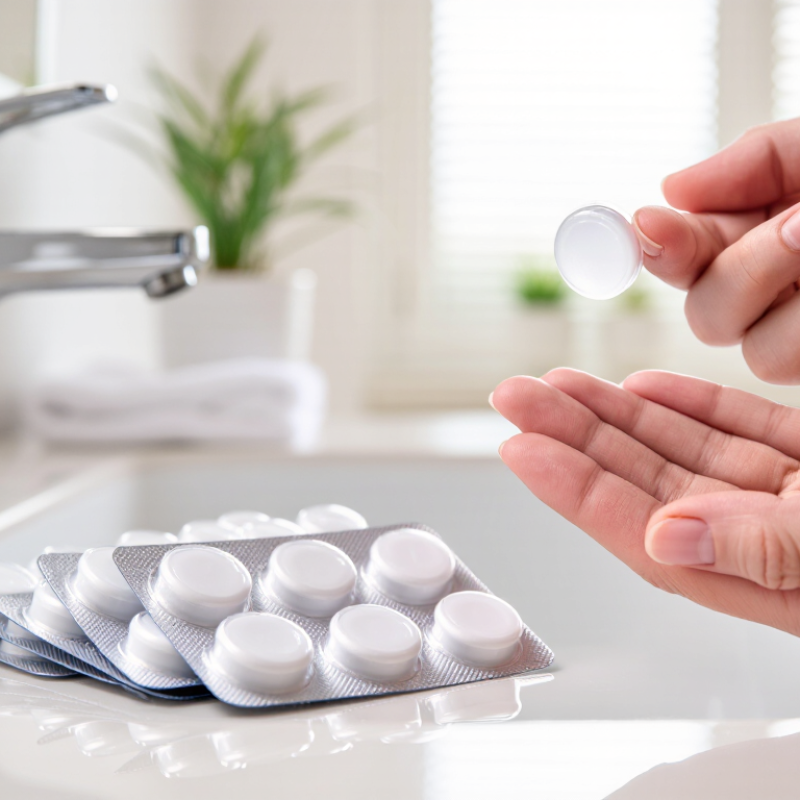
How to Choose Daily Disposable Contact Lenses?

Verify Your Prescription and Fit Before Comparing Daily Lenses

Before comparing daily disposable contact lenses, confirm that your prescription is current and specifically written for contact lenses. A glasses prescription is not interchangeable. Contact lens prescriptions include details such as lens power, brand or material, base curve, and diameter. These specifications affect how a lens sits and moves on your eye. A lens that feels comfortable for a few minutes may still fit poorly. An eye care professional can assess the fit and check your vision with trial lenses.

Tips: Bring your current lenses and prescription to your appointment. Ask whether the fit has been checked on your eyes, not just matched by numbers. Mention dryness, long screen hours, or discomfort. Small details matter.

Once your prescription and fit are verified, compare daily lenses by practical needs: comfort through your usual day, handling, and how clearly you see. Material and moisture features may feel different from one lens to another, but marketing descriptions cannot predict your personal comfort. It is tempting to choose by price or a quick online comparison; that can miss the fit question. Be willing to reassess. If you notice persistent redness, pain, blurred vision, or unusual light sensitivity, remove the lenses and contact an eye care professional promptly.

Compare Materials by Dk/t, the Standard Measure of Oxygen Transmissibility

When choosing daily disposable contact lenses, Dk/t is a useful number to compare. Dk describes how readily oxygen passes through the lens material; t refers to lens thickness. Together, Dk/t estimates oxygen transmissibility through a specific lens. Higher values generally indicate more oxygen can reach the cornea, but the number is not a complete measure of comfort or fit.

Compare Dk/t values from reliable product information, and remember that thickness can vary across a lens. Two materials may behave differently even when their headline figures look similar. Water content alone does not tell you how much oxygen reaches the eye. Numbers need context. A lens that feels comfortable at first may still not suit your eyes, wearing schedule, or prescription. An eye-care professional can assess fit and help interpret the specifications.

Tips: Ask which Dk/t value applies to your prescription and lens power. Follow the prescribed wearing schedule, and never sleep in daily lenses unless specifically directed by your eye-care professional. If your eyes become red, painful, or unusually light-sensitive, remove the lenses and seek professional advice. I used to focus too much on comfort alone; it is only one part of the choice.

Confirm Single-Day Wear: Discard Each Pair After One Day

Daily disposable contact lenses are designed for one day of wear, then disposal. Choose lenses with an eye-care professional, who can check your prescription, fit, and eye health. Comfort matters, but it cannot confirm that a lens fits safely. Tiny details count. Think about your routine, too: screen-heavy work, a commute, or time outdoors may affect how your eyes feel.

Start each day with a fresh, unopened pair. Discard both lenses at day’s end, even if you wore them briefly. Never rinse, store, or reuse them overnight. Contact lens solution cannot make a daily lens reusable. Follow the package instructions and your clinician’s wearing schedule. If a lens feels dry or irritating, remove it rather than pushing through. Redness, pain, blurred vision, or light sensitivity calls for prompt advice from an eye-care professional.

Tips: Wash and dry your hands before handling lenses. Check each package for leaks or damage. Keep glasses nearby. If discomfort continues, stop wearing the lenses and contact your eye-care professional.

Assess Safety: CDC Reports 1 in 5 Lens-Related Infections Resulted in Eye Damage

How to Choose Daily Disposable Contact Lenses?

Daily disposable lenses can simplify care: wear a fresh pair, then discard it. But “daily” does not mean risk-free. The CDC reports that about one in five contact lens-related eye infections reported to the FDA resulted in eye damage, such as corneal scarring or vision loss. That figure comes from reported cases, not every infection, but it is a serious warning. Some damage lasts. Sleeping in lenses is another avoidable risk; CDC guidance notes that overnight wear can raise the risk of eye infection six to eight times, even with lenses approved for overnight use.

Ask an eye-care professional to check the lens fit, prescription, and your tear film before choosing a material or wearing schedule. Daily lenses remove the need to clean and store reusable lenses, but clean, dry hands still matter. Never rinse lenses with tap water, and discard each pair after one day. A useful question: can you follow that routine on rushed mornings, not just ideal ones? I’m tempted to think a fresh lens solves everything. It doesn’t. If your eyes become painful, red, light-sensitive, or suddenly blurry, remove the lenses and seek prompt professional care. FDA and CDC guidance both emphasize that discomfort should not be ignored.

Consider Wear Habits: CDC Estimates 45 Million Contact Lens Wearers in the U.S.

The CDC estimates that about 45 million people in the United States wear contact lenses. That large number includes very different routines: long shifts, dusty commutes, sports, and late nights. A 2015 CDC MMWR online survey of 1,000 adult lens wearers found that 99% reported at least one behavior linked to higher eye-infection risk. The survey relied on self-reports, so it cannot show exactly how often problems occur. Still, it highlights how daily habits matter as much as lens type.

Daily disposables may suit people who want to skip cleaning and storage; the FDA advises discarding single-use lenses after one day. But “disposable” does not mean safe to sleep, shower, or swim in them. Convenience is not protection. Before choosing, discuss your prescription, eye health, workday length, and budget with an eye-care professional. Think about real moments: a lens drying out during a long shift, or a spare pair left at home. That matters. I would not assume a fresh pair fixes every bad habit; that’s an easy mistake to make. CDC guidance also stresses clean, dry hands and following the prescribed wearing schedule. Sources: CDC, Contact Lens Wear and Care; CDC MMWR, 2015; FDA, Contact Lens Risks.

How to Choose Daily Disposable Contact Lenses? - Consider Wear Habits: CDC Estimates 45 Million Contact Lens Wearers in the U.S.
Decision Dimension Verified Data or Guidance What It Means for Your Wear Habits
U.S. contact lens use The CDC estimates that about 45 million people in the United States wear contact lenses. Contact lenses are widely used, but the right lens type and wearing schedule should be chosen with an eye-care professional.
Replacement routine Daily disposable lenses are intended to be worn once and discarded at the end of the day. They should not be reused. Consider them if you prefer a fresh pair each day and can consistently open a new pair for each wearing day.
Cleaning and storage Because a daily disposable pair is discarded after use, it does not require overnight storage or cleaning for reuse. This schedule may suit people who want to avoid a lens-cleaning routine. Always wash and dry your hands before handling lenses.
Sleeping or napping CDC guidance advises against sleeping or napping in contact lenses unless specifically directed by an eye-care professional. A daily disposable lens is removed and discarded after its permitted wear period. If you often fall asleep unexpectedly, plan to remove your lenses before resting; choosing a daily lens does not make sleeping in lenses safe.
Showering and swimming CDC guidance recommends keeping contact lenses away from water, including while showering or swimming. If your routine includes water activities, remove lenses beforehand and follow your eye-care professional’s advice about vision correction during those activities.
Risky wear behaviors In a CDC-reported 2014 survey of 1,000 adult contact lens wearers, 99% reported at least one behavior associated with increased risk of eye infection. A daily replacement schedule can simplify lens care, but it does not eliminate risk. Follow hygiene and wear instructions consistently.
Prescription and fit Contact lenses are medical devices. An eye-care professional should determine whether a particular lens type and fit are suitable for you. Ask about daily disposables during an eye exam, especially if you have eye discomfort, dryness, or a history of eye problems.
Sources: CDC: About Contact Lenses; CDC: Risk Behaviors for Contact Lens-Related Eye Infections—United States, 2014; CDC: Contact Lens Wear and Care.

FAQS

What does Dk/t mean?

Dk describes how readily oxygen passes through lens material. The “t” refers to lens thickness. Dk/t estimates oxygen transmissibility. Higher values generally mean more oxygen can pass through, but they do not guarantee comfort or a good fit.

How should I compare Dk/t values?

Compare figures from reliable product information, and check which value applies to your prescription and lens power. Lens thickness can vary. Two lenses with similar headline figures may behave differently.

Does water content show how much oxygen reaches my eyes?

No. Water content alone does not tell you oxygen transmissibility. Numbers need context.

Are daily disposable lenses risk-free?

No. A fresh pair can simplify care, but daily lenses do not eliminate infection risk. The CDC reports that about one in five reported contact lens-related infections resulted in eye damage, such as corneal scarring or vision loss. That figure refers to reported cases, not every infection.

Can I sleep in daily lenses?

Follow your prescribed wearing schedule, and do not sleep in daily lenses unless your eye-care professional specifically directs you. Overnight wear can raise infection risk six to eight times, even with lenses approved for overnight use. Not worth guessing.

What daily habits help reduce problems?

Wash and dry your hands before handling lenses. Wear each pair for one day, then discard it. Never rinse lenses with tap water. A fresh pair helps, but it is not a magic fix.

What should I do if my eyes feel painful or look red?

Remove the lenses and seek prompt professional advice if your eyes become painful, red, unusually light-sensitive, or suddenly blurry. I used to focus on comfort alone. That was too narrow.

Conclusion

Choosing daily disposable contact lenses starts with confirming that your prescription is current and that the lenses fit comfortably. Before comparing options, consult an eye care professional, since a lens that works well for someone else may not suit your eyes. When reviewing lens materials, look at Dk/t, the standard measure of oxygen transmissibility; higher oxygen transmission can be an important factor, but it should be considered alongside fit and professional guidance.

Daily lenses are designed for one day of wear: remove and discard each pair after use rather than reusing it. Safe habits matter, as the CDC reports that one in five contact lens-related infections resulted in eye damage. The CDC also estimates that 45 million people in the United States wear contact lenses, making clear, consistent care advice important. Follow your prescribed wear schedule, keep lenses away from water, and seek professional advice if you notice pain, redness, or changes in vision.

Callum

Callum

Callum is a professional marketing specialist with a strong understanding of product strategy, customer needs, and digital communication. As a key contributor to the company’s content team, he regularly updates the corporate website with insightful blog articles that explain product features,......