Featured OEM & ODM Contact Lens Assortment
Medical-grade, CE MDR compliant optical formulations engineered for international pharmacy chains, optical brand owners, and cosmetic distributors.
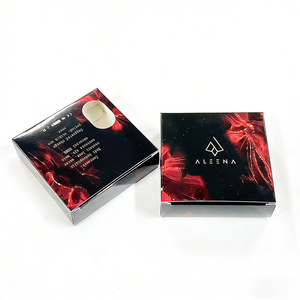
Hot Sale Low MOQ Factory-customized Digital Printing Gold Foil UV Coating Colored Contact Lens
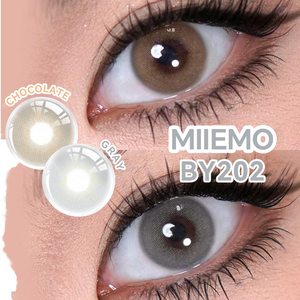
For MIEMO Natural Soft Colored Contact Lenses 14.2mm Diameter 8.6mm Base Curve 38% Water Content 2 Pieces Blister Pack Wholesale
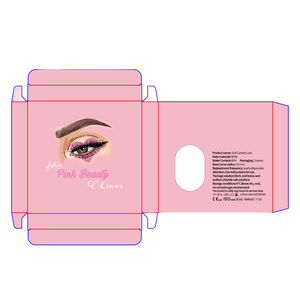
Custom Recyclable Colored Contact Lens Packaging Box Glossy Lamination Self Erecting with Four-Color Logo Printing
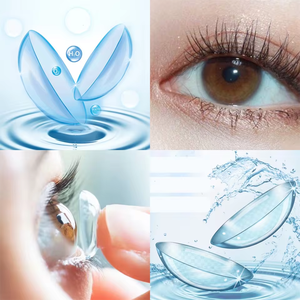
YITONGNIAN Wholesale Transparent Contact Lenses With Power 0.00~-10.00 Manufacturer
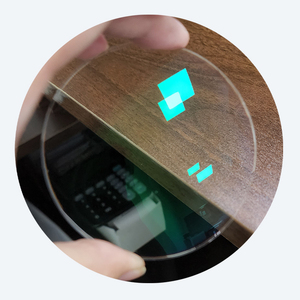
Factory Direct Wholesale Blue Cut Lens Photochromic UV 420 for Reading Lenses Eye Contact Optical Resin Lenses
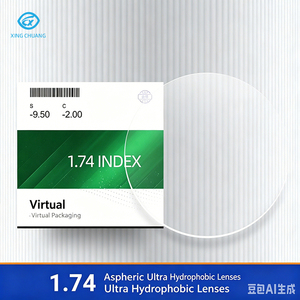
1.74 Aspheric Ultra-Thin Anti-Blue Light Contact Lens - Wholesale From Optical Stores
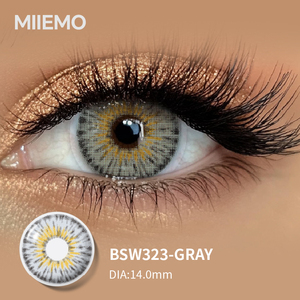
2026 Overstock Brown Soft 3 Tone Colored Contact Lenses Natural Looking Two Pieces Low Cost Wholesale
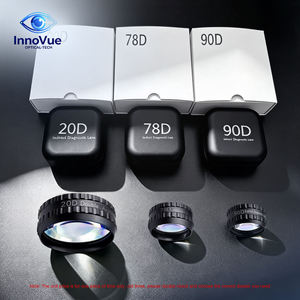
InnoVue Opto Ophthalmic Fundus Contact Lens Aspheric Lens 78D
Executive B2B Summary: Navigating CE-Certified Contact Lens OEM/ODM Sourcing
In the rapidly scaling global eye care market, procuring CE Certified colored contact lenses requires an intricate alignment between cosmetic aesthetic trends and rigorous medical device compliance. Modern procurement directors from pharmacy chains, optical retailers, and fast-growing DTC beauty brands face stringent regulatory hurdles under the European Union’s Medical Device Regulation (EU MDR 2017/745), US FDA 510(k) clearances, and ISO 13485 quality management directives.
Selecting a certified OEM/ODM manufacturing factory is no longer merely a pricing exercise; it is an exercise in risk mitigation, material science verification, bio-compatibility assurance, and supply chain continuity. This technical whitepaper establishes an industry baseline for enterprise buyers, detailing raw material polymer physics, pigment encapsulation safety standards, automated cleanroom packaging systems, and long-term procurement trajectories through 2030.
Biocompatible Polymer Engineering & Pigment Encapsulation
How leading OEM factories balance ocular surface health with vivid visual aesthetics.
Micro-Sandwich Pigment Technology
In compliant CE-marked cosmetic contact lens manufacturing, non-toxic bio-pigments are permanently locked between two micro-layers of hydrophilic polymer material (HEMA or Silicone Hydrogel). This structural isolation guarantees 0% pigment contact with the corneal epithelium.
- Zero Color Leaching: Tested against organic solvents and lacrimal fluid enzymes.
- Smooth Surface Matrix: Eliminates surface topography roughness, preventing friction-induced conjunctival irritation.
- UV-400 Protection: Integrated monomer UV-blocking agents shield against UVA/UVB radiation.
Oxygen Transmissibility ($Dk/t$) Dynamics
Corneal health depends directly on atmospheric oxygen flux. OEM factories utilize next-generation Silicone Hydrogel polymers featuring fluorinated siloxane monomers to drastically boost breathability compared to legacy Poly-HEMA lenses.
- Silicone Hydrogel ($Dk/t \ge 80 - 130$): Extended daily wear without corneal swelling or hyperemia.
- Standard Hydrogel ($Dk/t 15 - 28$): Cost-effective daily/monthly disposables with optimal water-binding capability (38% to 58%).
- Moisture-Lock Matrix: Hyaluronic acid (HA) embedded hydrogel matrices for all-day comfort.
| Material Class | Water Content (%) | Oxygen Permeability ($Dk/t$) | Manufacturing Method | Ideal Wear Schedule | CE MDR Compliance Status |
|---|---|---|---|---|---|
| Silicone Hydrogel (Filcon II 3) | 45% – 48% | 100 – 130 | Fully Automated Cast Molding | Daily / Monthly Wear | Class IIa Medical Device |
| HEMA-GMA Hydrogel | 55% – 58% | 25 – 30 | Precision Cast Molding | Daily Disposable | Class IIa Medical Device |
| Poly-HEMA (Classic) | 38% – 42% | 18 – 22 | Lathe-Cut / Mold Combination | 1-Year / Quarterly Wear | Class IIa Medical Device |
| Digital Foil Decorative Polymer | 38% – 45% | 20 – 35 | Multi-Layer Micro-Sandwich | Cosmetic Party / Daily Disposables | Class IIa Medical Device |
B2B Product Recommendation & Procurement Guide
Aligning retail consumer search intent with factory manufacturing capabilities.
1. Daily Disposable Cosmetic Lenses
Driven by modern hygienic consumer trends, single-use daily colored contact lenses command the highest growth rate in European and Asian drugstore channels. Formulated with high water content and single-use sterile blister sealing.
Best For: Supermarkets, FMCG retail, fast-fashion beauty brands, online DTC subscriptions.
2. Multi-Tone & Custom Foil Lenses
Features intricate 1-Tone, 2-Tone, 3-Tone radial blending, micro-glitter gold foil inserts, and limbal ring emphasis. Designed for high visual impact while maintaining natural iris translucency.
Best For: Beauty retail chains, cosplay/theatrical lines, luxury cosmetic collections.
3. Corrective Prescription Lenses
Combining cosmetic iris enhancement with precise optical correction spanning spherical powers from $0.00\text{ D}$ to $-10.00\text{ D}$ (and customized astigmatic toric parameters). Manufactured to tight optical tolerance ($\pm 0.25\text{ D}$).
Best For: Optical store chains, optometrist clinics, licensed pharmacy networks.
The international contact lens industry is undergoing a structural shift driven by material innovation, sustainability mandates, and heightened regulatory scrutiny. Enterprise procurement managers should factor the following 4 mega-trends into their multi-year supplier selection process:
1. Dominance of High-Breathability Silicone Hydrogels
Traditional Poly-HEMA lenses are systematically losing shelf share to Silicone Hydrogel materials. Consumers demanding 14+ hour wear times without ocular redness are forcing retailers to phase out low-permeability polymers. OEM factories with automated silicone curing lines will hold a major market advantage.
2. Eco-Friendly & Sustainable Packaging Architectures
Plastic reduction policies across the EU and North America are pushing manufacturers to redesign blister trays and secondary cartons. Future-ready OEM partners are adopting recyclable polypropylene blisters, biodegradable foil caps, and self-erecting FSC-certified outer paper packaging.
3. AI-Driven Color Matching & Low-MOQ Flexible Production
Traditional OEM production required massive batch runs (50,000+ units per SKU). Modern digital print technology combined with automated vision-inspection robotics enables factories to offer short-run custom color developments with MOQs as low as 1,000 to 3,000 units, accelerating market testing for niche brands.
4. Regulatory Harmonization & Traceability (MDR / UDI)
With the mandatory enforcement of EU MDR (2017/745), traceability via Unique Device Identification (UDI) matrix codes on every blister pack is required. OEM manufacturers must provide complete technical files (STED), clinical evaluation reports, and automated batch traceability infrastructure.
Kyralens Technology: World-Class Private Label OEM/ODM Ecosystem
Empowering international pharmacy networks, retail giants, and optical distributors with end-to-end manufacturing solutions.
Kyralens Technology Co., Ltd stands as a premier global wholesaler, manufacturer, and supply-chain partner specialized exclusively in private-label eye care solutions. Operating with a dual strategic footprint—including a centralized European distribution hub in Ede, The Netherlands (Faradaystraat 14, 6718 XT Ede)—Kyralens bridges state-of-the-art Asian precision manufacturing with European regulatory compliance and localized logistical agility.
Our manufacturing facilities operate under strict ISO 13485:2016 quality systems, housing Class 10,000 cleanrooms equipped with high-speed automated cast-molding machinery, multi-tone pad printing units, and full-spectrum automated optical testing benches.
Trusted Partner to Global Retail & Pharmacy Chains
Our turnkey OEM/ODM solutions power private label eye care programs across major retail conglomerates worldwide:
Frequently Asked Questions by B2B Buyers & Technical Auditors
Critical insights addressing regulatory compliance, factory audits, MOQs, and private label execution.
1. What specific regulatory certifications must a CE-certified colored contact lens OEM factory provide for EU & international market entry?
To legally import and sell colored contact lenses in the European Economic Area (EEA), the OEM manufacturer must hold a valid CE Certificate under EU Medical Device Regulation (MDR 2017/745) issued by a recognized Notified Body. Additionally, the factory must maintain an ISO 13485:2016 Certification for medical device quality management systems. For international markets, factories should also provide Declarations of Conformity (DoC), ISO 10993 biocompatibility test reports, Free Sale Certificates (FSC), and full Lot Traceability Documentation.
2. How does the Micro-Sandwich printing technology prevent ocular injury compared to surface-printed lenses?
Legacy or low-cost non-compliant cosmetic lenses often print pigments directly onto the outer contact lens surface. This exposes the ocular mucosa and cornea to pigment friction and potential chemical dye leaching. Compliant OEM factories utilize micro-sandwich technology, where color pigments are enclosed inside a central polymer layer, sealed on both sides by smooth bio-compatible hydrophilic hydrogel layers. This ensures zero direct pigment-to-eye contact, maintaining a continuous smooth surface with low mechanical friction.
3. What are the typical Minimum Order Quantities (MOQs) for private label custom colored contact lens manufacturing?
MOQs vary depending on the degree of customization. For standard stock color collections packaged in customized private-label foil blisters and retail boxes, MOQs generally start from 500 to 1,000 pairs per SKU. For completely custom-designed color patterns, bespoke base curves, or proprietary raw material polymer formulations, production batch MOQs typically range from 5,000 to 10,000 pairs per shade due to cleanroom mold setup and color-calibration requirements.
4. What is the difference between Hydrogel and Silicone Hydrogel materials for cosmetic contact lens OEM production?
Hydrogel materials (e.g., Poly-HEMA, HEMA-GMA) rely on water content to transport oxygen to the cornea. They offer high initial wearing comfort and lower manufacturing costs, making them ideal for short-duration daily disposables. Silicone Hydrogel materials combine silicone polymer chains with hydrogel, creating a permeable matrix that allows oxygen to pass directly through the material ($Dk/t > 80-130$) regardless of water content. Silicone Hydrogel is superior for long daily wear hours (12+ hours) and premium positioning.
5. How is shelf-life stability and sterilization validated for private-label contact lens blister packaging?
Every batch of contact lens blister packs undergoes high-temperature steam autoclave sterilization inside validated medical sterilizers. Packaging integrity is subjected to accelerated aging tests (simulating 3 to 5-year shelf-life), burst pressure testing, dye penetration leak tests, and pH stability checks of the buffered saline solution. Products must remain 100% sterile and functionally stable throughout their declared expiration cycle.
6. Can OEM partners supply custom optic base curves (BC), diameters (DIA), and prescription power ranges?
Yes. Standard cosmetic parameters are calibrated for global ergonomics (typically 14.2mm Diameter and 8.6mm Base Curve). However, full-service OEM factories can manufacture custom parameters including Base Curves from 8.4mm to 8.8mm and Diameters from 14.0mm to 14.5mm. Corrective prescription capabilities span plano ($0.00\text{ D}$) to spherical powers up to $-10.00\text{ D}$ in $0.25\text{ D}$ steps, as well as toric parameters for astigmatism correction.
7. How does the transition from EU MDD to EU MDR (Regulation 2017/745) affect ongoing private-label retail supply contracts?
Under EU MDR, regulatory scrutiny for Class IIa medical devices (which includes all contact lenses) has increased significantly. Retailers selling private-label lenses can no longer rely on self-declarations. OEM partners must maintain comprehensive Technical Files, implement continuous Post-Market Surveillance (PMS), conduct formal Clinical Evaluations (CER), and affix Unique Device Identifiers (UDI). Sourcing from an already MDR-compliant factory like Kyralens prevents product line suspensions at customs borders.
8. What secondary packaging customization options are available for retail-ready shelf display?
OEM services include full design and production of secondary packaging, including self-erecting tuck boxes, rigid sliding boxes, metallic foil stamping, UV spot gloss, glossy or matte lamination, eco-friendly FSC-certified paperboard cartons, multi-lingual instruction leaflets (IFUs), and barcode / EAN / UDI printing optimized for automated retail point-of-sale systems.
9. How do cleanroom standards impact defect rates and optical clarity in OEM manufacturing?
Manufacturing inside ISO Class 10,000 (Class M5.5) cleanrooms prevents micro-particulate contamination, dust deposition, and microbial ingress during cast-molding and blister sealing. Coupled with automated inline high-resolution vision inspection cameras, factory defect rates (such as edge tears, surface micro-bubbles, or color misalignment) are kept well below 0.01%, safeguarding brand reputation.
10. What is the standard turn-around timeline from initial concept brief to mass production shipment?
A standard private-label project timeline consists of: (1) Color & parameter approval (1–2 weeks); (2) Packaging artwork finalizing & printing plate setup (1–2 weeks); (3) Cleanroom cast-molding, printing, sterilization, and automated quality control (3–4 weeks); (4) Regulatory documentation clearance and shipping dispatch (1 week). Total turnaround time for initial launches typically ranges from 6 to 8 weeks, with expedited 4-week re-order cycles.
Launch Your Certified Eye Care Label Today
Connect with Kyralens’ engineering and regulatory team. Request complete technical dossiers, factory audit credentials, sample blister kits, and competitive OEM/ODM volume pricing.