Certified Contact Lenses & Manufacturing Solutions
Direct factory supply of medical-grade corrective optical lenses, aesthetic cosmetic series, and high-speed packaging technology for global resellers, pharmacies, and vision brands.
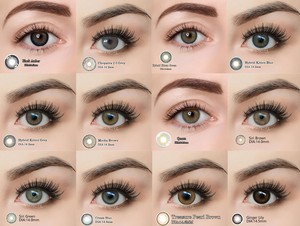
CE & ISO 13485 Certified Natural Soft 40% Water Content Colored Contact Lenses | OEM/ODM Factory Direct for Global Vision Brands
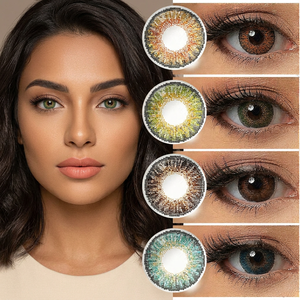
2026 Fashion Natural Colored 3 Tone Contact Lenses Soft Lenses Breathable HEMA+NVP Material CE Certified Factory Direct Supply
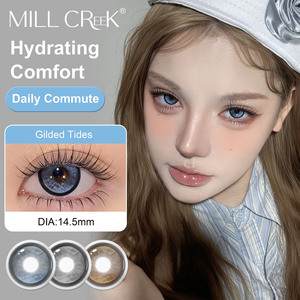
Haipurecon Factory Direct Wholesale Sky Blue Color Contact Lenses Natural Multi Colors New Style Bulk Order Low MOQ
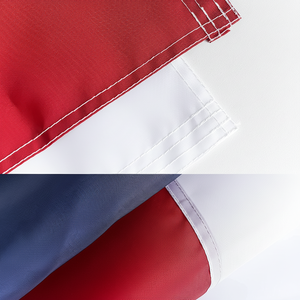
USA TOP FLAGSINC Texas Flag 5x8 580g Outdoor Heavy Duty Oxford Nylon Made Embroidered Sewn Stripes Canvas Header Made in USA
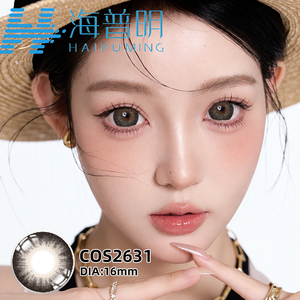
Wholesale High Quality Soft Cosmetic Colored Contact Lenses 16mm Yearly Disposable HEMA OEM ODM Factory Supplier for Resellers
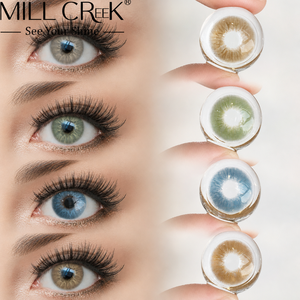
MILLCREEK Contact Lenses Prescription Green Yearly 14.2mm With Power Myopia Cosmetic HEMA Wholesale Supplier OEM Daily-Wear
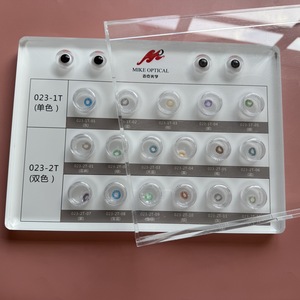
Contact Lens Display Stand Acrylic Physical Store Contact Lens Display with Dust-proof Cover Colored Glasses Wearing Props
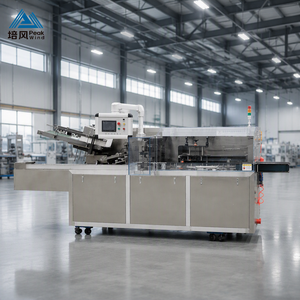
Professional Fully Automatic Large Capacity Aseptic Cartoner Machine for Contact Lenses with PLC Control
Executive Summary: The B2B Standard for Certified Contact Lens Manufacturing
In the rapidly evolving global ophthalmic market, securing a certified, high-yield, and technologically advanced OEM/ODM manufacturing partner is the single most decisive factor for vision brand owners, pharmacy retail chains, and international optical distributors. As a premier CE Certified contact lens manufacturer factory & exporter, our production architecture is engineered around strict compliance with the European Medical Devices Regulation (EU MDR 2017/745), ISO 13485:2016 quality management systems, and US FDA 510(k) standards.
Operating out of advanced automated facilities equipped with ISO Class 5 to Class 7 (Class 10,000 & 100,000) cleanroom environments, our manufacturing footprint seamlessly integrates raw polymer formulation, high-precision micro-injection cast molding, wet-state automated optical inspection (AOI), fully automated sterile blister sealing, and terminal high-pressure steam autoclave sterilization. By eliminating human intervention across critical aseptic packaging steps, we deliver an unyielding 99.85% first-pass quality yield and guarantee complete batch-to-batch consistency.
Material Science & Engineering Matrix: HEMA vs. NVP vs. Silicone Hydrogel
Optimal corneal health depends directly on the oxygen transmissibility ($Dk/t$), surface wettability, elastic modulus, and water equilibrium of contact lens polymers. As an authoritative manufacturer, we offer customized material matrices tailored to target wear durations—ranging from single-day disposable (1D) cosmetic lenses to extended-wear corrective hydrogels.
| Polymer Classification | Material Composition | Water Content (%) | Oxygen Permeability (Dk/t) | Elastic Modulus (MPa) | Primary B2B Application |
|---|---|---|---|---|---|
| Standard Hydrogel (Group I) | Polymacon (HEMA) | 38% – 42% | 12 – 18 Dk/t | 0.45 – 0.60 | Yearly Disposable Cosmetic & Myopia Lenses |
| Enhanced Hydrogel (Group IV) | HEMA + NVP Co-Polymer | 55% – 58% | 25 – 30 Dk/t | 0.30 – 0.40 | Daily / Monthly High-Comfort Natural Color Series |
| Next-Gen Silicone Hydrogel | Fluorosilicone Macromer + HEMA | 45% – 50% | 80 – 120 Dk/t | 0.65 – 0.85 | Premium Breathable Corrective & Therapeutic Lenses |
For cosmetic color lines (such as 1-tone, 2-tone, 3-tone, and natural iris enhancement designs), our factory utilizes proprietary Sandwich Micro-Encapsulation Technology. Color pigments are double-sealed between inert layers of hydrogel polymer, ensuring that dye particles never come into contact with corneal epithelial tissues or the tear film. This structural encapsulation maintains vivid color brilliance while preserving smooth, boundary-lubricated lens surfaces.
Future B2B Procurement Trends: The 2026–2030 Ophthalmic Landscape
Strategic buyers must align their supply chains with shifting consumer preferences and regulatory mandates. Analysis of global retail data indicates four key structural trends reshaping the contact lens OEM/ODM procurement paradigm:
Rapid Migration to Daily Disposables (1D)
Driven by heightened hygiene awareness and digital device-induced eye strain, end-users are accelerating away from annual or monthly replacement schedules toward single-use daily disposables. B2B buyers must partner with manufacturers capable of producing high-volume 1D foil blisters with automated cartoning efficiency.
Dominance of Natural Cosmetic Iris Optics
High-contrast, dramatic cosmetic patterns are giving way to soft, biomimetic iris textures. 3-Tone natural gradients, subtle limbal rings, and custom color blends (such as Sky Blue, Hazel, and Prescription Green) dominate cross-border e-commerce and retail pharmacy beauty counters globally.
Eco-Friendly Packaging & Sustainable Manufacturing
Environmental regulations across Europe and East Asia are pushing brands to adopt lightweight, recyclable polypropylene blister bowls and reduced-foil seal structures. Automated aseptic cartoners must now accommodate minimal-waste outer box designs and FSC-certified paperboard packaging.
Bundled Eye Health Ecosystems
Leading optical retailers are no longer sourcing lenses in isolation. Private label success requires integrated category sourcing—combining soft contact lenses, lubricating eye drops (hyaluronic acid formulation), multipurpose disinfectant solutions, storage cases, and acrylic point-of-sale display fixtures under a unified brand narrative.
Advanced Manufacturing Infrastructure & High-Speed Automation
Manufacturing medical device contact lenses requires stringent environmental controls and state-of-the-art automated machinery. Our production floor operates full-line Professional Fully Automatic Large Capacity Aseptic Cartoning Systems with PLC Control and robotic pick-and-place modules.
From liquid monomer dosing into precision metal optical molds to UV-induced polymerization, every step is continuously monitored by integrated sensors. Following hydration and extraction in ultra-pure water systems, individual lenses undergo 100% automated optical inspection (AOI) to detect edge nicks, surface inclusions, or dimensional deviations as small as 5 microns before heat-sealing in sterile saline blisters.
Factory-Direct OEM/ODM Strategic Advantages
Engineered to deliver maximum commercial value, regulatory peace of mind, and swift time-to-market for international vision importers.
Full Regulatory Compliance
CE marked, ISO 13485:2016 certified, with complete technical dossiers (STED) prepared for fast clearance across EU, Middle East, Asian, and Latin American health authorities.
Agile Private Label Customization
Custom power ranges (Myopia -0.50D to -10.00D), custom diameters (14.0mm to 16.0mm), base curves (8.5mm / 8.6mm), and bespoke private label blister box branding.
Scalable Low-MOQ Procurement
Flexible production scheduling accommodates both low-MOQ pilot market launches for emerging brands and multi-million blister automated runs for established retail optical chains.
Frequently Asked B2B Procurement Questions
Technical, regulatory, and commercial answers for OEM optical purchasing teams.
What specific international medical certifications does your factory maintain?
What are the Minimum Order Quantities (MOQs) for OEM private label orders?
How do you ensure dye pigment safety in cosmetic color contact lenses?
What is the typical shelf-life and storage protocol for sterile blister packaging?
Can you supply customized prescription diopter ranges for myopia and hyperopia?
What turn-around timeline can we expect for custom private label packaging?
Do you offer complementary eye care shelf accessories and retail fixtures?
How can international buyers request factory samples and technical dossiers?
Scale Your Vision Brand With a Certified OEM Factory
Connect directly with our engineering and export team to request physical product samples, customized OEM/ODM packaging quotations, and regulatory compliance files.