

CE Certified Contact Lenses Wholesale Supply Chain: Technical Standards & Procurement Strategy
An in-depth guide for optical procurement officers, pharmacy chain buyers, and private label brand managers on navigating regulatory compliance, biomaterial engineering, and supply chain scalability.
1. Global Contact Lens Wholesale Market Landscape & Compliance Benchmarks
The global contact lens market is undergoing a structural transition driven by rising myopia rates, expanding cosmetic adoption, and increasingly stringent international medical device regulations. For commercial procurement teams, sourcing from a verified CE Certified contact lenses wholesale distributor supplier is no longer merely a logistical requirement—it is a critical risk mitigation framework that protects brand reputation, ensures product safety, and accelerates market entry across European, Middle Eastern, and Asian retail networks.
As corrective and cosmetic optical products transition into high-volume consumer goods, distributors must maintain rigorous compliance with medical device standards. Compliance ensures that hydrogel and silicone-hydrogel lenses deliver optimal biocompatibility, preventing keratitis, corneal hypoxia, and mechanical irritation during extended wear cycles.
Regulatory Safety Integrity
Full conformance with European Union Medical Device Regulation (EU MDR 2017/745) ensures zero compliance friction at customs borders.
Biocompatibility & Comfort
Hydrophilic polymeric matrices designed with high water retention capabilities to prevent tear film breakdown throughout daily usage.
Global Distribution Scalability
Multi-lingual packaging, streamlined batch documentation, and standardized EUDAMED registration to support fast international roll-outs.
2. CE MDR (EU 2017/745) & ISO 13485: The Gold Standard in Optical Certification
The transition from the former Medical Device Directive (MDD 93/42/EEC) to the unified CE MDR (EU 2017/745) framework significantly escalated technical audit standards for contact lens manufacturers and suppliers. Contact lenses—whether corrective, cosmetic, or therapeutic—are classified as Class IIa or Class IIb medical devices depending on wear duration and material composition.
To operate legally within the European Economic Area and recognized international hubs, suppliers must maintain full ISO 13485:2016 certification, governing Quality Management Systems (QMS) across all stages of production:
- General Safety and Performance Requirements (GSPR): Verification of material toxicity, extractable substance profiles, and ocular tissue tolerance under ISO 10993 testing guidelines.
- Unique Device Identification (UDI): Complete barcoding implementation (UDI-DI and UDI-PI) enabling granular lot traceability across global inventory systems.
- Sterilization Validation: Rigorous terminal steam autoclaving protocols ensuring a Sterility Assurance Level (SAL) of 10-6 for every sealed blister package.
- Post-Market Surveillance (PMS): Continuous monitoring frameworks designed to audit product performance and customer satisfaction in real time.
3. Biomaterial Science: Hydrogel vs. Silicone-Hydrogel Polymers
Evaluating lens performance requires an understanding of polymer chemistry. The modern contact lens portfolio relies on two primary material classes: traditional Hydrogels (such as HEMA-based polymers) and advanced Silicone Hydrogels (Fluorosilicone Macromers).
The central metric determining corneal metabolic safety is Oxygen Transmissibility ($Dk/t$). Corneal tissue lacks direct blood supply and relies entirely on atmospheric oxygen dissolved in tear film. Silicone Hydrogel lenses integrate phase-separated silicone domains that achieve $Dk/t$ ratings exceeding 100, drastically outperforming standard hydrogels.
| Material Metric | Traditional Hydrogel (HEMA) | Silicone Hydrogel (3rd Gen) | Clinical & Procurement Impact |
|---|---|---|---|
| Oxygen Permeability ($Dk/t$) | 15 - 35 units | 90 - 160+ units | Higher Dk/t prevents corneal hypoxia during long wear cycles. |
| Water Content Range | 38% - 69% | 33% - 55% | Lower water content in SiHy reduces evaporative dehydration. |
| Modulus of Elasticity (MPa) | 0.2 - 0.5 MPa (Softer) | 0.6 - 1.2 MPa (Structured) | Optimal modulus ensures easy handling without ocular friction. |
| Surface Wettability | Naturally Hydrophilic | Plasma Treated / Wetting Agents | Sustained surface moisture guards against end-of-day dryness. |
| Target Retail Price Tier | Mass Market / Budget Retail | Premium / Healthcare Lines | Allows multi-tiered pricing strategies for retail chains. |
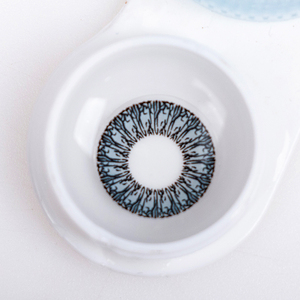
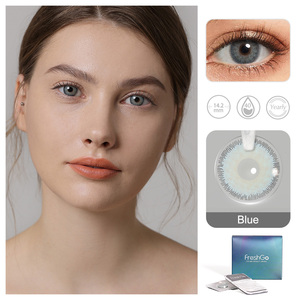
4. Cosmetic Color Contact Lenses: 3-in-1 Bio-Encapsulation Technology
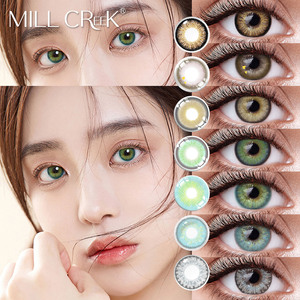
Cosmetic and prescription colored lenses represent one of the fastest-growing optical categories globally, driven by fashion trends and social media visibility. However, low-grade color lenses carry significant risks if color pigments come into contact with corneal tissue.
Our manufacturing infrastructure utilizes advanced 3-in-1 Bio-Encapsulation Sandwich Technology. Under this process, non-toxic micro-pigments are completely embedded within dual inner layers of hydrophilic polymer. The pigment never makes direct contact with the cornea or tear film, eliminating risk of pigment leaching, keratitis, or ocular abrasion while providing vibrant, natural-looking iris enhancement.
5. Global Procurement Trends & Private Label Market Dynamics (2025–2030)
As category managers re-evaluate their supply chains, four key strategic trends are reshaping the wholesale optics market:
Rise of Private Label Brands
Supermarket chains, pharmacy groups, and beauty retailers are expanding private label optical lines to secure higher gross margins than major international brand names offer.
Daily Disposable Dominance
Consumer preference continues to shift towards daily disposables, driving recurrent high-margin customer re-orders and reducing lens-care compliance risks.
Streamlined B2B Order Management
Digital enterprise ordering hubs enable automated re-ordering, EDI integration, real-time inventory visibility, and rapid global fulfillment.
6. Enterprise Advantage: Why Leading Retail Chains Partner with kyralens
Headquartered at Faradaystraat 14, 6718 XT Ede, The Netherlands, kyralens Technology Co., Ltd. is a recognized global innovator in private label contact lenses, eye drops, lens care solutions, and optical accessories. Our Dutch operations center serves as a strategic bridge for retail clients across Europe, the Middle East, and Asia.
We provide end-to-end OEM/ODM infrastructure that transforms complex optical procurement into a predictable, streamlined workflow:
Full Category Coverage
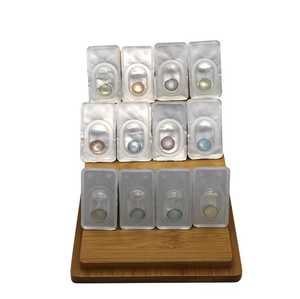
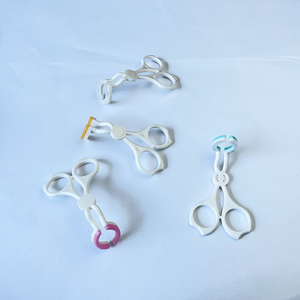
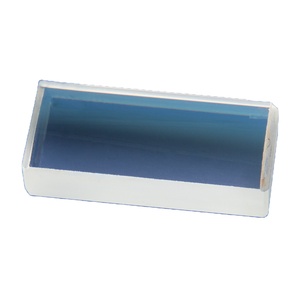
From daily disposable soft contacts and cosmetic color series to rewetting eye drops, peroxide solutions, and travel storage cases—consolidate your entire shelf under one certified supplier.
Regulatory Assurance
Our in-house regulatory affairs team manages declarations of conformity, batch testing reports, and custom artwork compliance to adhere to destination market legal requirements.
Tailored Commercial Terms
Flexible MOQ structures suitable for localized pilot launches or national multi-store chain rollouts, backed by guaranteed stock availability and planned replenishment cycles.
Trusted Partner Network & Retail Ecosystem
Our OEM/ODM solutions power private label programs and optical offerings for major global drugstores, pharmacy networks, and retail hypermarkets:







7. Quality Assurance Protocol & Production Workflow
Every batch of contact lenses delivered to our commercial clients undergoes strict multi-stage quality control checks before release:
- Raw Material Inspection: Spectrophotometric analysis and purity testing of incoming hydrophilic monomers and silicone prepolymers.
- Precision Molding & Casting: High-speed double-sided wet-casting technology ensures precise power calibration, concentricity, and smooth edge profiles.
- Automated Optical Inspection (AOI): 100% computer-vision inspection checks for surface tears, edge anomalies, or micro-bubble inclusions.
- Sterilization & Saline Immersion: Lenses are sealed in buffered isotonic saline solution with optional hyaluronic acid moisture lock and autoclaved at 121°C.
- Final QC Certificate Generation: Inspection certificates (CoA) and UDI lot data are filed, preparing stock for global dispatch.