Featured CE & ISO Compliant Optical Products
Explore top-tier private label contact lenses, cosmetic color ranges, lens care accessories, and high-barrier medical packaging produced under ISO 13485 cleanroom conditions.
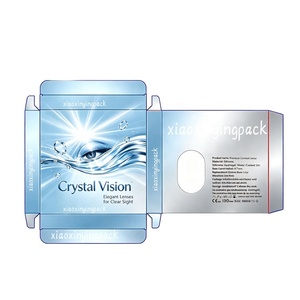
Four-Color Logo Printing Self Erecting Recyclable Custom Glossy Lamination Packaging Box
Contact Us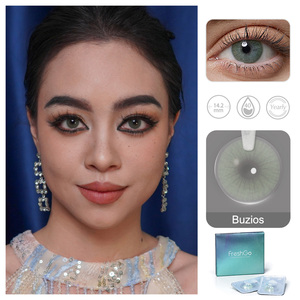
Freshgo Color Contact Lens 40% Water Soft Wearing Natural Soft Color Lenses for 1 Year
Contact Us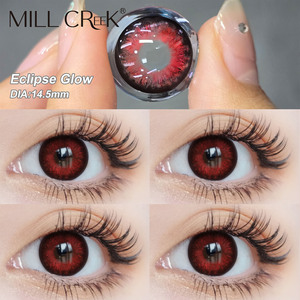
Haipurecon Hot Style Soft Contact Lenses Natural HEMA Material Daily Wear Low MOQ
Contact Us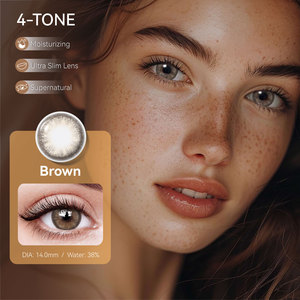
MIIEMO Fashion Contacts Lenses Manufacturer High Quality Factory Price Assortment
Contact Us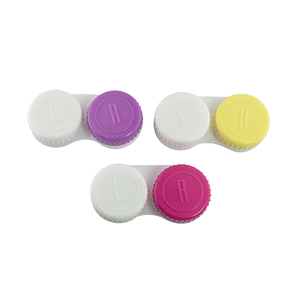
CHANXIN Classical Solid Color Lightweight Portable Irregular Shape Contact Lens Case
Contact Us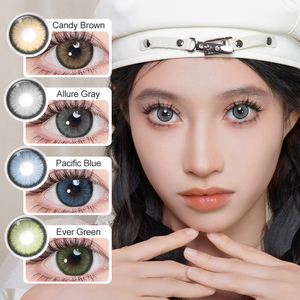
Magister Lenses 14.5mm Colored Contacts Soft Natural Brown Eye Color Contact Lenses
Contact Us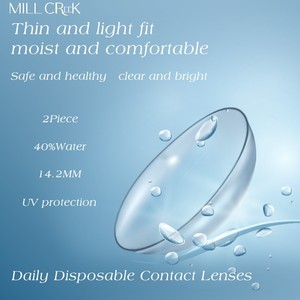
Daily Disposable Transparent Clear Contact Lenses Prescription Ready UV Defense
Contact Us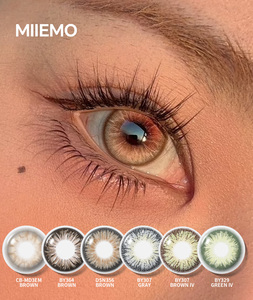
MIIEMO Creek Siri2.0 Wholesale High-Quality Soft Colored Contact Lens Series
Contact UsNavigating Contact Lens Sourcing: CE Certification & Quality Verification
Why verifying manufacturer credentials under European Medical Device Regulation (EU MDR 2017/745) is essential for brand protection, compliance, and consumer safety.
In the global ophthalmic market, contact lenses are classified as Class IIa or Class IIb Medical Devices due to direct ocular surface contact. Importers, pharmacy chains, optical retailers, and brand owners face unprecedented regulatory scrutiny. Navigating international supply chains requires moving beyond basic supplier claims to implement a rigorous, evidence-based supplier audit program.
A reliable contact lens supplier must demonstrate verifiable adherence to strict medical device manufacturing directives, cleanroom environmental controls, bio-compatibility standards, and full lot traceability. Sourcing uncertified or improperly validated lenses risks severe regulatory penalties, customs seizures, product recalls, and catastrophic brand damage.
1. CE MDR (2017/745) Authenticity
Verify that the supplier’s CE certification is issued by a recognized Notified Body (e.g., TÜV SÜD, BSI, SGS, DEKRA) under EU MDR rules. Ensure the certificate scope explicitly covers soft hydrogel, silicone hydrogel, or cosmetic colored lenses.
2. ISO 13485:2016 QMS
ISO 9001 is insufficient for medical devices. A reliable manufacturing factory must maintain an ISO 13485 quality management system covering automated mold casting, lens edge polishing, hydration, blister packaging, and terminal sterilization.
3. Biocompatibility & ISO 10993
Confirm complete toxicological reports under ISO 10993 testing standards. Ensure materials pass cytotoxicity, ocular irritation, and systemic toxicity evaluations, guaranteeing zero monomer leaching from pigments into the cornea.
4. Oxygen Permeability ($Dk/t$)
Evaluate corneal health parameters. Modern suppliers must offer precise measurement data for oxygen transmissibility ($Dk/t$), water content retention, and elastic modulus to minimize hypoxic corneal stress during wear.
5. Class 100,000 Cleanrooms
Inspect factory cleanroom standards (ISO Class 8 / Class 100,000). Automated optical inspection (AOI) systems must scan 100% of finished lenses for micro-tears, edge deformities, bubble inclusions, and surface contaminants.
6. Sterile Seal Integrity Validation
Autoclave sterilization cycles ($121^\circ\text{C}$ saturated steam) must be validated according to ISO 17665. Blister foil heat-sealing strength tests prevent microbial contamination during multi-year shelf storage.
Global Industry & Product Development Trends
How material advances, pigment encapsulation technology, and sustainability initiatives are reshaping the contact lens manufacturing landscape.
| Technology Dimension | Traditional HEMA Contact Lenses | Next-Gen Silicone Hydrogel (SiHy) Lenses | B2B Strategic Impact & Market Shift |
|---|---|---|---|
| Oxygen Transmissibility ($Dk/t$) | Low to Moderate ($15 - 30\text{ }Dk/t$) | Ultra-High ($80 - 160+\text{ }Dk/t$) | Premium market transition driving higher consumer satisfaction and reorder rates. |
| Dehydration & Moisture Retention | Relies on water content; high risk of end-of-day dryness | Biomimetic moisture matrix lock; low water evaporation rate | Critical for digital screen users and sensitive-eye consumer demographics. |
| Cosmetic Color Printing | Surface-printed pigments (Higher abrasion risk) | 3-Layer Sandwich Encapsulation Technology | Eliminates direct pigment-cornea contact, meeting stringent EU health safety rules. |
| Eco-Packaging Formats | Single-use non-recyclable multi-layer plastics | 100% Recyclable Polypropylene Blisters & FSC Cartons | Aligns with global retail ESG directives (e.g., EU Packaging & Packaging Waste Directive). |
Sandwich Printing Technology in Color Lenses
Leading cosmetic color lens exporters now employ micro-encapsulation, commonly known as Sandwich Printing Technology. Pigment layers are embedded securely between two transparent bio-compatible polymer membranes. This prevents pigment leaching, maintains optical surface smoothness, reduces friction against the palpebral conjunctiva, and enhances long-duration wear comfort.
Surface Hydrophilicity & Wettability Engineering
Modern silicone hydrogel formulations often face inherent surface hydrophobicity. Advanced exporters integrate plasma surface treatment or internal wetting agents (PVP/HA matrix) into the polymer blend. This creates a stable tear film layer, reducing lipid deposition and keeping the lens exceptionally hydrated throughout 16+ hour wear cycles.
Future Procurement Trends for Optical Importers & Chains
Key structural shifts in how major pharmacy chains, drugstores, and online brands source private label contact lenses.
1. Move to Turnkey Private Label Solutions
Retail buyers are moving away from unbranded bulk supply to comprehensive private label turn-key programs. Suppliers must provide full-service support including custom blister packaging design, multi-lingual box lamination, barcode generation, lot coding, and destination-market compliance files.
2. Low MOQ Customization & Agility
E-commerce beauty brands and boutique optical chains demand lower Minimum Order Quantities (MOQs) for pilot collection testing. Automated production lines allow flexible batch runs across various diopters (power range -0.50 to -10.00) without high inventory overhead.
3. Complete Eye Care Shelf Ecosystems
Category managers prefer single-source partnerships offering complete ocular ecosystems: daily/monthly lenses, cosmetic colors, multi-purpose disinfecting solutions, preservative-free hyaluronic acid eye drops, and stylish anti-bacterial lens storage cases.
4. Multi-Market Regulatory Compliance
Global distributors require dual-market regulatory clearance (e.g., EU CE MDR, US FDA 510(k), Saudi SFDA, and Japanese PMDA approval). Suppliers with pre-compiled technical documentation accelerate market entry and simplify import clearance.
Frequently Asked Sourcing & Regulatory Questions
Essential facts for purchasing managers, quality assurance heads, and optical brand owners.
What is the essential legal certification required to import contact lenses into Europe?
Under European Regulation EU 2017/745 (MDR), soft and colored contact lenses are classified as Class IIa or Class IIb medical devices. To legally import and distribute lenses in the EU, factories must provide an authentic CE Certificate issued by an accredited Notified Body (NB), along with an EU Declaration of Conformity, ISO 13485 QMS certification, and technical documentation proving bio-compatibility and sterility validation.
How can an optical buyer verify that color contact lenses are safe for sensitive eyes?
Buyers should verify that the manufacturer uses Sandwich Encapsulation Printing Technology (double-coating). This process embeds color micro-pigments inside the hydrogel lens structure, ensuring zero pigment leaching and preventing direct contact between colorants and the corneal epithelium. Always request ISO 10993 cytotoxicity and ocular irritation test reports.
What are the minimum order quantities (MOQ) for custom private label packaging?
MOQs depend on whether you are sourcing standard stock diopters or creating custom private-label box artwork. Standard stock orders can start at lower quantities (e.g., 500 to 1,000 pairs), while fully customized private-label blister packs and printed outer cartons typically require 5,000 to 10,000 units per collection. Pilot programs can be structured to support new retail brand launches.
What is the difference between HEMA and Silicone Hydrogel materials for B2B sourcing?
HEMA (2-hydroxyethyl methacrylate) hydrogel is cost-effective, offering high water content and exceptional immediate comfort, ideal for short-wear and cosmetic color lenses. Silicone Hydrogel (SiHy) features integrated silicone chains that deliver 4x to 6x higher oxygen transmissibility ($Dk/t$), significantly reducing corneal hypoxia and making it the ideal choice for premium daily clear prescription lenses and extended wear programs.
How do you guarantee batch-to-batch color and parameters consistency?
Leading factories utilize cast-molding automated production lines equipped with Automated Optical Inspection (AOI) camera systems. AOI units check 100% of lenses for dimensional parameters (Base Curve, Diameter, Power), edge profiles, center thickness, and color shade matching before blister sealing and steam sterilization.
Initiate Your Certified Contact Lens Private Label Program Today
Partner with an established European private label eye care developer. Speak with our optical procurement specialists to receive tailored pricing, free sample kits, and complete regulatory compliance dossiers for your target markets.