Featured Ophthalmic & Cosmetic Lenses Range
Certified by ISO 13485 and CE standards. Engineerd for superior comfort, high oxygen transmissibility (Dk/t), and vivid visual aesthetics.
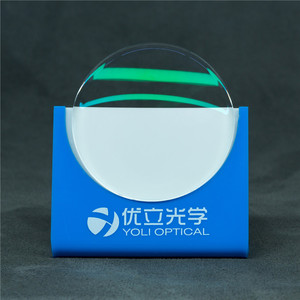 Optical Index 1.49-1.74
1.49 1.56 1.6 1.67 1.74 Lens China Ophthalmic Lenses Manufacturers (CE)
- Refractive Index: 1.49 to 1.74 High Index
- Coating: SHMC / Anti-Reflective / UV400
- Certification: CE / ISO13485 Compliance
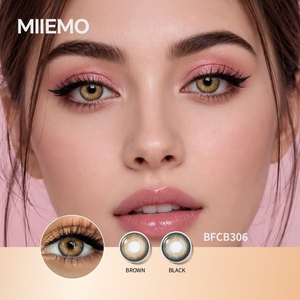 3-Tone Cosmetic
OEM/OEM Factory Direct Shipping Direct Sell Transition 3 Tone Ocean Blue Soft Magic Eye Color Contact Lens Low Price
- Water Content: 38% - 42% HEMA
- Base Curve (BC): 8.5mm - 8.6mm
- Graphic Diameter (GDIA): 14.2mm - 14.5mm
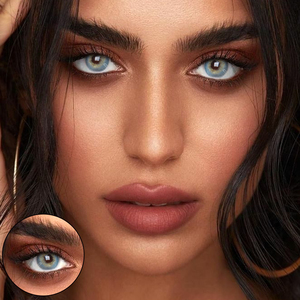 Wholesale OEM/ODM
Soft Color Contact Lenses Comfortable Soft Beauty Item Wholesale Price OEM ODM Logo Contact Lenses
- Material: Hydrogel / Silicone Hydrogel
- Replacement Cycle: Daily / Monthly / Yearly
- Dye Lock: 3-Layer Bio-Encapsulation
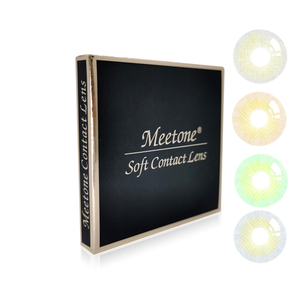 Custom Retail Packaging
Private Label OEM Available Paper Packaging Wholesale Cosmetic Meetone Color Contact Lens with Box
- Packaging: Custom Paper Box & Blister Pack
- Power Range: 0.00 to -8.00 Diopters
- Moisturizing Agent: Hyaluronic Acid Infused
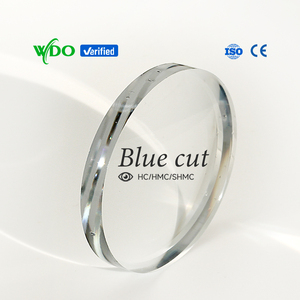 UV420 Blue Cut
WDO 1.56 Semi Finished Blue Cut Contact Lenses 1.56 Uv420 Blue Cut Shmc Optical Lenses Semi Finished Optical Lenses for Sale
- Lens Type: Semi-Finished Optical Blank
- Protection: High-Energy Visible (HEV) Blue Light
- Coating: Super Hydrophobic Multi-Coated
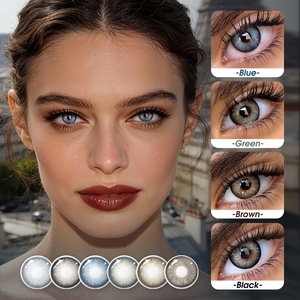 14.5mm Big Eye Ring
Lalens Natural Color Contact Lens Prescription Wholesale Eye Makeup Cosmetic Lens Colored Contact Lenses 14.5MM for Dark Eyes
- Diameter: 14.5mm Enlarging Effect
- Opacity: High Coverage for Dark Irises
- Edge Design: Smooth Radial Edge Geometry
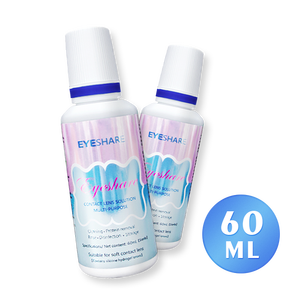 Yearly Wear Series
Eyeshare OEM ODM Yearly Beauty Circle Color Soft Contact Lenses Prescription Cosmetics Eye Care 1 Pair Solution
- Wear Duration: 12-Month Annual Disposable
- Tear Flow Design: Micro-channel Ventilation
- Sterilization: Autoclave Steam Sterilized
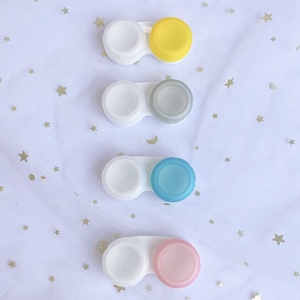 ISO13485 & BSCI
Contact Lens Case Travel Kit Custom OEM Fully Automated CE ISO13485 Certified Eyekan Brand BSCI Factory Easy Carrying Individual
- Material: Medical Grade BPA-Free PP
- Kit Components: Case, Tweezer, Inserter, Bottle
- Production: Fully Automated Robotic Assembly
Why Source Big Eye Contact Lenses from Top Chinese Exporters
Integrating state-of-the-art precision optical engineering with agile OEM/ODM supply chain solutions for global distributors, pharmacy chains, and beauty brands.
Sandwich Color Encapsulation
Our manufacturing process utilizes 3-Layer Sandwich Micro-Pigment Technology. Biocompatible colorants are embedded securely inside the hydrogel polymer matrices, preventing direct contact between pigments and the corneal epithelium to eliminate irritation.
Full Regulatory Compliance
Every batch of big eye circle lenses is manufactured under strict medical device frameworks. We provide complete technical dossiers including ISO 13485:2016, CE Mark (MDR 2017/745), US FDA 510(k), and NMPA Class III registration data.
Custom GDIA & Optical Tuning
We offer extensive customizability for Graphic Diameters (GDIA 13.0mm to 14.5mm) and Base Curves (BC 8.5mm to 8.7mm). Our optical design team optimizes the central optical zone to guarantee unobstructed peripheral vision.
Global Market Dynamics & Future Procurement Trends for Big Eye Contact Lenses
The global market for cosmetic and circle contact lenses—commonly referred to as "Big Eye Contact Lenses"—has undergone a massive technical and commercial transformation over the past decade. Driven by expanding consumer demand across North America, Europe, Southeast Asia, and the Middle East, big eye contact lenses have evolved from niche costume items into mainstream daily cosmetic staples. Enterprise buyers, procurement managers, and optical retailers sourcing from China are now prioritizing sophisticated material science, enhanced oxygen permeability, and strict regulatory adherence over simple low-cost manufacturing.
As leading Chinese manufacturers upgrade their automated casting lines, China has positioned itself as the preeminent hub for high-volume, medical-grade color contact lens exportation. This B2B technical whitepaper delivers deep insights into future procurement strategies, optical material trends, micro-encapsulation safety mechanisms, and quality control protocols essential for international brand owners.
1. Technological Innovations Reshaping the Circle Lens Industry
Historically, early-generation circle lenses faced clinical scrutiny due to reduced oxygen transmissibility (Dk/t) caused by dense pigment layers and thick hydrogel substrates. Modern Chinese ophthalmic exporters have solved these biomechanical hurdles through four groundbreaking manufacturing advancements:
- High-Dk Silicone Hydrogel (SiHy) Matrices: Integrating fluorosilicone macromers into traditional 2-HEMA polymers has elevated oxygen transmissibility from standard Dk/t 10-15 to high-performance levels exceeding Dk/t 50-80. This allows prolonged daily wear without triggering corneal hypoxia or neovascularization.
- Micro-Encapsulated 3-Layer Dye Locking (Sandwich Process): To guarantee maximum ocular safety, advanced factories utilize full sandwich encapsulation. Non-ionic natural dyes are locked inside an inner polymer core, fully shielded by two outer layers of clear hydrogel material. The pigment never makes contact with tears, eyelids, or the cornea.
- Bio-Mimetic Wetting Agents & Hyaluronic Acid Infusion: Premium private-label formulations now integrate Polyvinylpyrrolidone (PVP) and Sodium Hyaluronate directly into the packaging solution and monomer blend. This maintains surface lubrication for over 16 consecutive hours, significantly reducing dry eye symptoms in digital screen users.
- Precision Nano-Cast Molding & Aspheric Radial Margins: Automated robotic mold injection ensures that lens edges are cast with an ultra-thin, smooth bevel edge (down to 0.05mm thickness). This rounded edge profile minimizes lid interaction during blinking and facilitates optimal tear film exchange under the lens body.
Material Parameter Comparison Matrix for Enterprise Sourcing
When selecting lens specifications for private label portfolios, enterprise category managers must weigh material properties against consumer wear frequencies:
| Material Category | Water Content | Oxygen Permeability (Dk/t) | Modulus (Rigidity) | Recommended Replacement | Primary Consumer Benefit |
|---|---|---|---|---|---|
| Standard Hydrogel (2-HEMA) | 38% - 42% | 12 - 18 Dk/t | 0.30 - 0.35 MPa | Monthly / Yearly | High structural durability, cost-effective for retail, high pigment stability. |
| Glycerol-HEMA Moisture Gel | 55% - 58% | 22 - 28 Dk/t | 0.25 - 0.30 MPa | Daily Disposable | Immediate soft comfort upon insertion, ideal for sensitive eyes. |
| Advanced Silicone Hydrogel (SiHy) | 45% - 50% | 60 - 90 Dk/t | 0.45 - 0.60 MPa | Daily / Monthly | Maximum oxygen flow, extended wear capability, prevents redness and hypoxic stress. |
2. Future Procurement Trends in Private Label Big Eye Contact Lenses
Sourcing strategies in the global cosmetic eye care sector are rapidly shifting. Strategic procurement officers should align their product lines with the following emerging market trends:
A. Hyper-Natural Limbal Ring & Multi-Tone Depth Engineering
The demand for overly stark, artificial circle lenses is declining. Modern consumers favor "hyper-natural" enhancement. Suppliers are leveraging high-precision 3D digital printing to construct 3-tone and 4-tone iris patterns with feather-edged limbal rings. The graphic outer ring subtly enlarges the apparent size of the iris (GDIA 13.8mm to 14.2mm) while blending seamlessly with natural eye colors ranging from dark brown to light green.
B. Sustainable & Eco-Friendly Medical Packaging
Environmental regulations, particularly in the European Union (EU EPR directives), are driving demand for reduced plastic consumption. Leading OEM manufacturers are replacing bulky plastic packaging with slimline, recyclable polypropylene blister trays and FSC-certified biodegradable outer cartons. Compact packaging also drastically reduces international air freight costs and carbon footprints for global exporters.
C. Integrated Optical Correction (Plano to High Myopia & Astigmatism)
Cosmetic lenses are no longer restricted to Plano (0.00 diopter) beauty items. Upwards of 65% of global big eye contact lens orders now demand full prescription range support—spanning from -0.50D to -10.00D in fine 0.25D increments. Select specialized factories are even offering custom toric designs for astigmatic consumers who desire cosmetic enlargement.
3. Essential Quality Control & E-E-A-T Verification for Importers
Importing Class III medical devices from China requires strict adherence to international quality management systems. Importers must ensure their manufacturing partners maintain comprehensive audit trails and testing protocols:
- Cytotoxicity & Biocompatibility Testing: Compliance with ISO 10993-5 (In Vitro Cytotoxicity) and ISO 10993-10 (Ocular Irritation & Sensitization) is non-negotiable. Chemical extraction tests must confirm zero monomer leaching over a 5-year shelf life.
- Autoclave Terminal Sterilization (SAL 10^-6): Lenses must undergo validated steam sterilization at 121°C (250°F) under elevated pressure to achieve a Sterility Assurance Level (SAL) of 10^-6.
- Automated Vision System Inspection: Top-tier production facilities utilize high-resolution CCD camera visual automated system units to inspect 100% of finished lenses for edge tears, surface bubbles, color offset, and micro-particles prior to blister sealing.
- Lot Traceability & Storage Stability: Exporters must maintain retained batch samples and full raw material lot traceability for a minimum of five years, facilitating immediate recall capability if regulatory authorities require inspection.
Frequently Asked B2B Procurement Questions (FAQ)
Answers to common regulatory, manufacturing, logistics, and customization queries from wholesale buyers and brand owners.
What is the difference between Lens Diameter (DIA) and Graphic Diameter (GDIA) in big eye lenses?
How do China suppliers guarantee that color pigments won't leak or irritate the eye?
What regulatory certificates are required to import color contact lenses into European or US markets?
What are the typical Minimum Order Quantities (MOQs) for Private Label OEM production?
Can we customize prescription power ranges for cosmetic big eye contact lenses?
What is the shelf life and packaging stability of sealed soft contact lenses?
How long is the manufacturing and export lead time for B2B orders?
What quality control protocols are carried out before shipping?
Partner with China's Premier Contact Lens Manufacturer
Expand your optical brand or retail channel with high-margin, ISO/CE certified Big Eye Contact Lenses. Request product samples, technical dossiers, or custom OEM quotations today.
Send an Inquiry