High-Precision Contact Lenses & Retail Packaging Solutions
Directly engineered in ISO 13485 certified cleanroom environments. Explore our market-proven soft contact lenses, color cosmetics, and retail-ready packaging formats tailored for optical brands and retail chains.
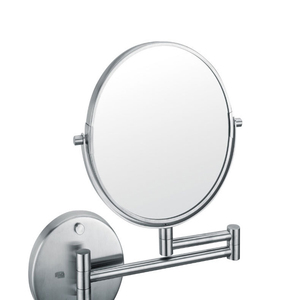
Bathroom Mirror Wholesale Round Stainless Steel Extendable Folding Double Sided 3X Magnifying Wall Mounted Vanity Modern
Essential optical vanity solution for contact lens insertion and eye care maintenance. Built with durable stainless steel and 3X distortion-free magnification.
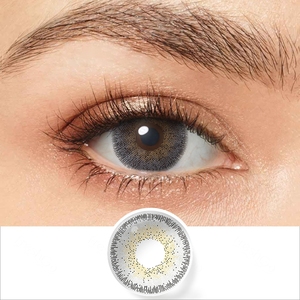
Very Cheap Freshgo Colored Contact Lenses Blended Eye Color Contact Lens Lentilles De Contact De Couleur PROMOTION
High-water-content blended tone cosmetic contact lenses engineered for natural iris enhancement, exceptional breathability, and budget-friendly wholesale volume.
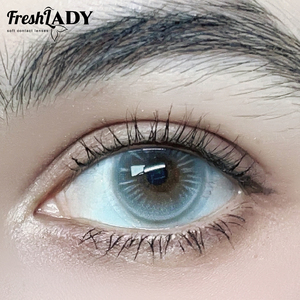
FreshLady 2024 Latest Models Wholesale Future Light Fashion Cosmetic Colored Eye Contact Lenses Color Eyewear Custom Lenses
Next-generation multi-tone aesthetic lenses featuring ultra-smooth cast-molded edge design and bio-encapsulated pigment sandwich construction.
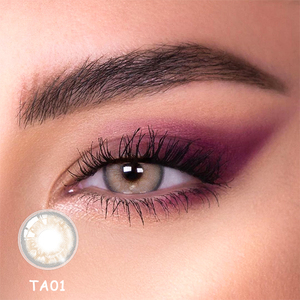
Mesiru TA01 Cosmetic Soft Colored Contact Lenses 1 Year Natural Color CE Certified 13 Colors Hot Wholesale
CE MDR compliant annual soft lenses offering 13 natural color shades. High tear resistance and non-ionic hydrogel material preventing protein deposits.
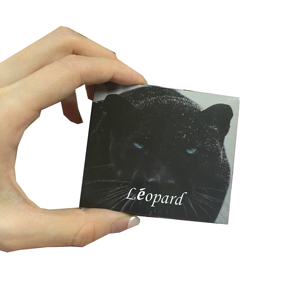
Free Design Paper Box Custom Logo Contact Lens Paper Packaging Boxes
Fully customizable private label rigid paper packaging. Includes structural design, embossing, foil stamping, and full compliance labeling support.
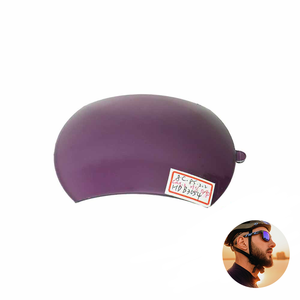
Taiwan Recycle Contact Lens Packaging Suitable for Eco-friendly Lens Design
Sustainable, eco-conscious polypropylene blister shells and recycled cardstock boxes engineered to align with European ESG retail standards.
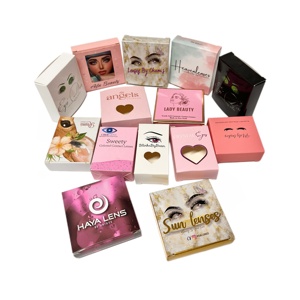
Packaging Box for All Color Contacts Natural Color Eye Lens New Design Hot Sale Colored Contact Lenses Box Card Stock Window UV
Premium retail presentation box featuring UV spot finishing and clear window cutout for instant lens color visibility on drugstore shelves.
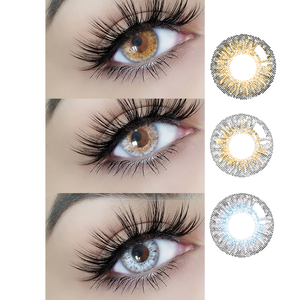
Private Label Customized Logo Brand Meetone 3 Tone Colored Contacts Paper Box Wholesale Color Eye Soft Contact Lenses Packaging
Complete multi-tone packaging kit tailored for boutique optical brands. Highly customizable graphics, localized barcode print, and insert leaflets.
China Contact Lens Manufacturing Capabilities at a Glance
Quantifiable operational metrics defining why global pharmacy chains, optical groups, and e-commerce leaders choose China as their primary manufacturing base.
1. Executive Summary: The Strategic Shift in China’s Contact Lens OEM/ODM Landscape
The global contact lens market is undergoing a structural transformation, driven by an accelerating consumer transition toward daily disposable modalities, cosmetic iris enhancement, and high-Dk/t silicone hydrogel materials. Traditionally dominated by a small cartel of multinational vision care conglomerates, the supply chain ecosystem has rapidly evolved. Today, China has established itself as the leading innovation hub for high-precision soft contact lens manufacturing and private-label OEM/ODM solutions.
China's best contact lens makers have advanced far beyond low-cost labor advantages. Through heavy capital investment in high-speed, fully automated cast-molding technology, advanced polymer research labs, and strict ISO 13485 quality systems, Chinese suppliers offer global distributors, pharmacy chains (such as Rossmann, Watsons, Kruidvat, and Albert Heijn), and digital-native brands unmatched agility, superior product consistency, and substantial margin advantages.
2. Polymer Science & Material Physics: Hydrogel vs. Silicone Hydrogel Matrix
When selecting a contact lens maker in China, optical procurement officers must evaluate polymer chemistry against target wear schedules and consumer comfort expectations. Material performance relies on three core variables: Oxygen Transmissibility (Dk/t), Water Content Percentage, and Modulus of Elasticity (MPa).
| Polymer Classification | Material Generation | Dk/t Range (at -3.00D) | Water Content | Modulus (Elasticity) | Primary Clinical Benefit |
|---|---|---|---|---|---|
| PolyHEMA Hydrogel | 1st Gen Standard | 15 - 25 Dk/t | 38% - 42% | Low (0.30 - 0.40 MPa) | High initial softness, budget-friendly cosmetic fashion wear. |
| Non-Ionic NVP Copolymer | 2nd Gen Hydrogel | 25 - 35 Dk/t | 55% - 58% | Ultra-Low (0.28 MPa) | Resistant to lipid/protein deposits; ideal for sensitive eyes. |
| Fluoro-Silicone Hydrogel | 3rd Gen Advanced Polymer | 100 - 130 Dk/t | 45% - 50% | Balanced (0.50 - 0.60 MPa) | Maximum corneal oxygenation; suitable for extended daily wear. |
| Hyper-Gel Matrix | Next-Gen Hybrid | 120 - 150 Dk/t | 58% - 62% | Optimized (0.45 MPa) | Mimics natural corneal water barrier; zero dehydrative friction. |
Leading Chinese contact lens factories now utilize 3rd-Generation Silicone Hydrogel polymers containing integrated hydrophilic monomers. Unlike older silicone materials that required surface plasma coatings to maintain wettability, modern Chinese formulations incorporate internal wetting agents (such as PVP). This eliminates surface breakdown over extended wear and drastically reduces ocular dryness and friction-induced keratitis.
3. Micro-Pigment Sandwich Technology for Cosmetic Color Lenses
For beauty retailers and fashion optical brands, color contact lenses represent the highest-margin segment. However, safety remains paramount. Lower-tier manufacturers apply color tints onto the outer surface of the lens, exposing the ocular epithelium to raw pigments and mechanical abrasion.
In contrast, top-tier Chinese manufacturers utilize Bio-Encapsulated 3-Layer Sandwich Technology:
Tri-Layer Encapsulation Architecture
1. Corneal-Facing Hydrogel Layer: Clear, non-pigmented hydrogel base providing direct biocompatible contact with the cornea.
2. Internal Pigment Core: FDA-approved organic micro-pigments printed via high-resolution laser-etched plates in 1-tone, 2-tone, 3-tone, or 4-tone patterns.
3. Outer Protective Matrix: Smooth clear hydrogel top coating sealing all pigment particles completely inside the polymer structure.
This sandwich process guarantees zero color leaching, smooth tear-film movement, and 100% protection against pigment-induced epithelial staining, meeting strict medical device safety standards worldwide.
4. Manufacturing Precision: Automated Cast-Molding vs. Lathe Cutting
To achieve high power accuracy (tolerances within ±0.25 Diopters) and consistent base curves, top-rated Chinese factories rely on automated cast-molding instead of manual lathe cutting. Liquid polymer monomers are injected into high-precision quartz or optical-grade resin molds, polymerized under ultraviolet (UV) light curing tunnels, and hydrated automatically.
Every single contact lens passes through Automated Optical Inspection (AOI) systems. High-resolution CCD cameras scan for micro-bubbles, peripheral edge tear defects, center thickness anomalies, and power deviations in under 200 milliseconds. Defective lenses are rejected instantly, maintaining batch quality yields exceeding 99.8%.
5. Enterprise Strengths: Why Partner with kyralens Technology Co., Ltd
As a global wholesaler and private-label eye care developer, kyralens Technology Co., Ltd bridges the gap between state-of-the-art manufacturing in China and complex retail markets in Europe, the Middle East, and Asia.
End-to-End Category Supply
We provide complete category coverage under your brand: clear daily/monthly lenses, cosmetic color contacts, lubricating rewetting eye drops, multi-purpose care solutions, micro-mirror storage cases, and reading glasses.
Turnkey Regulatory Support
Every SKU is backed by complete technical dossiers (STED), Declarations of Conformity, lot traceability systems, and localized packaging translation checked against market-specific medical device laws.
Retail Channel Proven
Trusted by global retail leaders, including Watsons, Rossmann, Kruidvat, Albert Heijn, Etos, and REWE, to build defensible, high-margin store-brand eye care categories.
6. Future Purchasing & Sourcing Trends in Eye Care (2025–2030)
B2B optical buyers must anticipate market shifts to retain market share over the next decade. Sourcing strategy should account for several key trends:
A. Sustainable & Biodegradable Packaging: Traditional plastic blister shells generate significant packaging waste. Future-focused Chinese suppliers are introducing eco-friendly polypropylene blister packs, reduced-foil lid stock, and 100% FSC-certified recycled paper outer boxes to satisfy EU Green Deal requirements.
B. Preservative-Free Companion Eye Care: Consumers buying private-label contact lenses are increasingly bundling their orders with preservative-free hyaluronate rewetting drops. Offering integrated "Lens + Drop + Storage Case" cross-merchandising kits drives higher average order values (AOV) across both physical and digital retail channels.
C. Blue-Light Blocking & UV-Filtering Monomers: As screen time increases globally, buyers are specifying Class 1 UV blocking (blocking >90% UVA and >99% UVB) and anti-blue-light monomer infusions as standard features across daily clear and cosmetic lines.
7. Quality Assurance & Risk Mitigation Audit Checklist
Before issuing a Purchase Order (PO) to any contact lens manufacturer in China, procurement teams should complete a 4-step supplier verification process:
1. Audit Biocompatibility Records: Verify ISO 10993 testing reports covering cytotoxicity, ocular irritation, systemic toxicity, and sensitization.
2. Validate Sterilization Controls: Ensure moist heat steam sterilization protocols operating at 121°C for a minimum of 20 minutes with validated F0 values.
3. Check Saline pH & Osmolality: Blister solution must maintain a stable pH of 7.2 to 7.6 and osmolality between 280 to 340 mOsm/kg to eliminate stinging upon application.
4. Confirm Shelf-Life Stability: Review real-time and accelerated stability testing supporting 3-year or 5-year expiration dating.
Why Leading Brands Partner with China's Premier Contact Lens Makers
Engineering precision, regulatory transparency, and agile supply chains tailored for private-label success.
Global Regulatory Compliance
Full technical documentation provided for EU CE MDR, US FDA 510(k), Saudi SFDA, and Asian medical device registrations.
Turnkey Private Label Design
Custom structural box design, blister foil branding, multi-language instructions for use (IFU), and retail POS artwork support.
Flexible MOQs & Scalability
Low minimum order quantities for pilot color launches, backed by automated mass production capacity for national rollouts.
Frequently Asked Questions for B2B Optical Buyers
Clear, definitive answers to common commercial, technical, and regulatory questions when sourcing contact lenses from China.
What makes a Chinese contact lens manufacturer 'Best-in-Class' for global sourcing?
A top-tier factory must possess ISO 13485 certification, Class 100,000 cleanrooms, fully automated cast-molding lines, 100% Automated Optical Inspection (AOI), and valid international registration files (CE MDR, FDA 510k). Furthermore, true leaders offer bio-encapsulated 3-layer sandwich printing for color lenses and internal wetting agent technology for silicone hydrogels.
What is the difference between OEM and ODM services in contact lens manufacturing?
OEM (Original Equipment Manufacturer) means the factory produces lenses based on your exact formulations, specifications, and branding guidelines. ODM (Original Design Manufacturer) means the supplier provides fully developed, market-proven lens formulations, parameter ranges, and packaging designs where you simply add your brand logo and retail artwork.
Are Chinese-manufactured colored contact lenses safe for long-term wear?
Yes, provided they are produced using Bio-Encapsulated 3-Layer Sandwich Technology. This locks pigments safely inside hydrogel layers, preventing color contact with the cornea or eyelids. Combined with high-water content hydrogels or silicone hydrogels, they ensure optimal corneal breathability and smooth tear circulation.
What regulatory documentation is provided for European and American import custom clearance?
Each private label order comes with a complete technical dossier, including Declaration of Conformity (DoC), CE Certificate under EU MDR 2017/745, ISO 13485 audit certificates, sterilization validation reports, bio-compatibility test data (ISO 10993), and lot-specific Certificates of Analysis (COA).
What are the typical Minimum Order Quantities (MOQs) for private label contact lenses?
MOQs depend on the material and packaging customisation. Standard hydrogel clear daily lenses start at lower pilot quantities (e.g., 5,000 to 10,000 units per diopter SKU). Custom color lenses or specialized silicone hydrogel formulations typically require 10,000 to 30,000 units per color shade across standard power ranges.
How does kyralens control color consistency across different production batches?
We utilize automated spectrophotometer color calibration and computerized laser printing plates. Every pigment batch undergoes strict CIE L*a*b* color space matching against master physical reference samples, guaranteeing identical shade reproduction between early pilot runs and future re-orders.
Why is Silicone Hydrogel rapidly replacing traditional PolyHEMA in private label lines?
Silicone Hydrogel offers 4x to 6x higher oxygen transmissibility (Dk/t) than standard PolyHEMA. This dramatically improves eye health, reduces end-of-day dryness, permits longer wear times, and upgrades your store brand's clinical reputation, driving higher customer retention and subscription re-order rates.
What is the standard production and shipping lead time for OEM orders?
Initial design proofing and custom packaging sampling take 2 to 3 weeks. Once dielines and artwork are finalized, commercial mass production, automated cast-molding, hydration, sterilization, and batch release take approximately 30 to 45 days. Air or ocean freight options are available depending on urgency.
Build Your Private Label Eye Care Assortment Today
Partner with China’s premier contact lens maker. Contact our product specialists to request physical samples, review complete regulatory files, and receive a competitive quotation tailored to your market.