OEM / ODM Catalog
Featured Wholesale & Private Label Products
High-precision contact lenses, diagnostic optics, and retail-ready eye care solutions engineered for global optical networks and pharmacy chains.
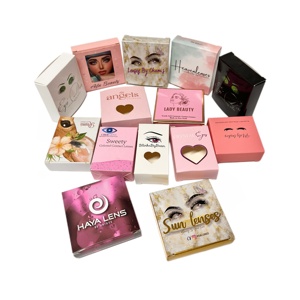
Packaging Box for All Color Contacts Natural Color Eye Lens New Design Hot Sale Colored Contact Lenses Box Card Stock Window UV

Canada B2B Lens Ordering App Order Contact Lenses Bulk Manage Prescriptions Track Orders Simplify Business Purchases
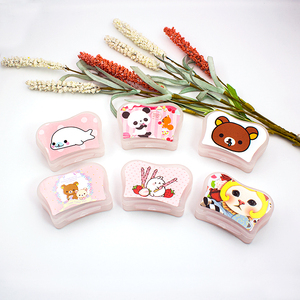
Wholesale New Design Natural Color Contact Lenses with Custom Packaging Case Eye Lens Accessories
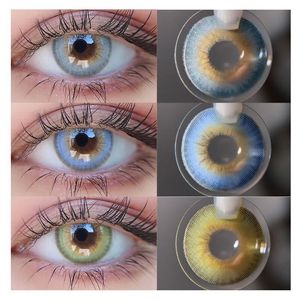
Haipurecon Cosmetic Eye Lenses Color Contact Lenses Eye Contact Lenses Color Contact Lens Eye
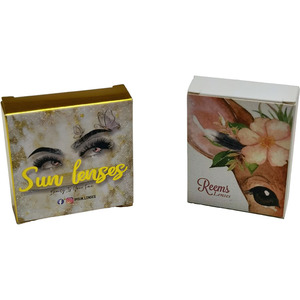
Wholesale Colored Contact Lenses Small Square Coloured Eye Contact Lens Pupilentes Lentes De Contacto De Colores Custom Logo
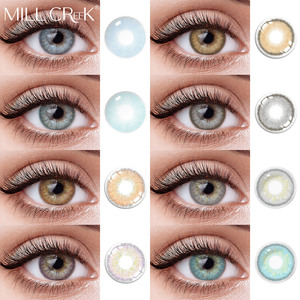
MILLCREEK Colored Contact Lenses Contacts Lenses Color Soft Daily Ultrathin Lenses 14.0mm 40% Water Content Lentes De Contacto
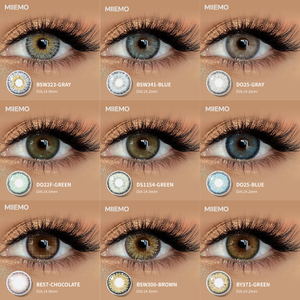
2026 Hot Sale Natural Colored Contact Lenses Soft 3 Tone Eye Contacts Wholesale Dark Eyes Super Natural Brown Grey CE ISO
100K+
Cleanroom ISO 7 Standard
99.8%
Automated AOI Pass Rate
50+
Global Markets Served
CE/ISO
Full Regulatory Compliance
Executive Summary: Navigating China's Wholesale Contact Lens Manufacturing Ecosystem
The global contact lens industry is undergoing a structural transformation driven by advancements in polymer chemistry, micro-fluidic mold design, and dynamic retail distribution channels. Modern enterprise procurement teams, pharmaceutical chains, and retail optical groups are increasingly shifting toward private label strategic partnerships to secure healthy gross margins and build brand equity. China has established itself as the world's premier hub for advanced OEM/ODM contact lens manufacturing, leveraging high-precision cast molding technology, automated visual inspection systems, and comprehensive ISO 13485 quality assurance frameworks.
As a recognized industry innovator, kyralens Technology Co.,Ltd delivers fully compliant, high-volume private label contact lens programs tailored to high-growth international markets. By integrating optical physics expertise with agile supply chain infrastructure, we help B2B buyers navigate the complexities of product specification, regulatory registration, and shelf-ready packaging customization across Europe, the Middle East, and Asia.
1. Technical Foundations of Modern Contact Lens Manufacturing
The performance, comfort, and ocular safety of soft contact lenses depend strictly on material science and lathe/casting precision. In high-volume wholesale operations, understanding the physical dynamics of hydrogel and silicone hydrogel substrates is essential for category managers evaluating factory capabilities.
| Technical Parameter | Standard Hydrogel (HEMA-based) | Next-Gen Silicone Hydrogel (SiHy) | Clinical / Commercial Impact |
|---|---|---|---|
| Oxygen Transmissibility (Dk/t) | 20 – 35 Dk/t | 80 – 150+ Dk/t | Crucial for corneal metabolic oxygen requirements; reduces hypoxia risks. |
| Water Content Equilibrium | 38% – 58% | 33% – 48% | Higher water content in HEMA provides initial softness; SiHy maintains hydration longer without drawing tear film. |
| Modulus of Elasticity (MPa) | 0.3 – 0.5 MPa | 0.6 – 1.1 MPa | Lower modulus offers high initial comfort; higher modulus provides easier handling for novice wearers. |
| Manufacturing Process | Cast Molding / Spin Casting | Advanced Dual-Mold Casting | Determines surface smoothness, edge profile geometry, and batch consistency. |
Our manufacturing matrix employs state-of-the-art automated cast molding technology. Rather than relying on traditional spin-casting which can create variations in peripheral thickness, cast molding uses optical-grade male and female molds crafted with sub-micron tolerances. This ensures that every single lens—whether clear prescription or cosmetic 3-tone color—exhibits uniform power distribution, identical Base Curve (BC) radii, and ultra-thin edge profiles that minimize lid interaction during blinking.
2. Color Technology & Cosmetic Lens Safety Protocols
Cosmetic and colored contact lenses represent one of the fastest-growing segments in direct-to-consumer (DTC) and pharmacy retail channels. However, cheap pigment application methods present severe clinical risks, such as corneal abrasion or pigment leaching. Enterprise buyers must prioritize suppliers who utilize proven micro-encapsulation techniques.
Our OEM color contact lens manufacturing processes adhere strictly to the Sandwich Printing Technology standard. Pigments (ranging from natural bio-inspired hazel and grey to vivid multi-tone hues) are fully encapsulated within inner inert hydrogel layers. The color pigment never touches the cornea or the palpebral conjunctiva, guaranteeing 100% biocompatibility and long-wearing comfort.
- Encapsulated Pigment Matrix: Multi-layer isolation ensures dye stability against multipurpose cleaning solutions and tear film enzymes.
- Bio-Inspired Palette Engineering: 1-tone, 2-tone, and 3-tone radial patterns designed to mimic natural iris structures with optical depth.
- High-Definition Peripheral Optics: Aspheric surface profiles designed to correct spherical aberrations and enhance visual acuity under low-light conditions.
3. Full Category Integration: The Kyralens Advantage
A successful eye care retail shelf requires more than just contact lenses; it demands a unified category solution. kyralens Technology Co.,Ltd provides end-to-end private label integration encompassing six interconnected product lines:
From daily disposable soft lenses and cosmetic color collections to preservative-free lubricating eye drops (Sodium Hyaluronate formulations), multi-purpose disinfecting care solutions, sterile lens storage cases, and ready-to-wear reading glasses. Consolidating your supply chain with a single verified partner eliminates multi-vendor friction, streamlines lot traceability, and significantly lowers freight and clearance overheads.
Factory Excellence
Why Partner With China's Top OEM Supplier
Rigorous quality control, scalable production pipelines, and comprehensive international regulatory support.
ISO 13485 & CE Certified
Fully compliant cleanroom environments operating under Class 100,000 (ISO 7) standards. Our medical device quality management system guarantees lot-by-lot traceability and sterile validation (SAL 10^-6).
Complete Regulatory Dossiers
We provide complete Technical Files, Declarations of Conformity, IFU artwork compliance, and localized packaging translation support for European MDR, Middle Eastern SFDA, and Asian health authorities.
Automated Visual Inspection
Every produced lens undergoes sub-micron Automated Optical Inspection (AOI) to detect edge tears, surface inclusions, or power deviations before blister sealing, ensuring a 99.8% first-pass quality yield.
Turnkey Packaging Customization
From premium card-stock window cartons with UV spot varnish to eco-friendly blister foils, our design team translates your brand identity into retail-ready shelf displays that drive consumer conversion.
Flexible MOQ & Scalable Batching
Whether you are executing a regional pilot test or launching a nationwide drugstore roll-out, our modular manufacturing lines accommodate low minimum order quantities with rapid SKU scalability.
Digital B2B Supply Ecosystem
Streamline inventory management with direct integration into B2B lens ordering apps. Track production milestones, manage prescription parameter re-orders, and audit shipments in real time.
Product Development & Future Sourcing Trends (2025–2030)
To maintain a competitive edge, procurement directors must align their supply chains with emerging technical trends and shifting consumer expectations. Over the next five years, four pivotal innovations will redefine the wholesale contact lens landscape:
1. Transition to Silicone Hydrogel (SiHy) Daily Disposables
Consumer preference is rapidly pivoting from monthly reusable lenses to single-use daily disposables due to convenience and ocular hygiene. Furthermore, first-generation hydrogel materials are being replaced by high-Dk/t Silicone Hydrogel formulations. Modern SiHy materials incorporate hydrophilic wetting agents (such as polyvinylpyrrolidone, PVP, or Hyaluronic Acid) directly into the polymer matrix, eliminating surface hydrophobic dry spots without needing secondary plasma treatments.
2. Ocular Health Integration: HEV Blue-Light & UV Blockers
With prolonged screen time becoming the global norm, contact lenses are evolving from visual correction devices into proactive eye protection filters. Advanced OEM factories are embedding Class 1 UV filters (blocking >90% UVA and >99% UVB) alongside high-energy visible (HEV) blue-light absorbing monomer additives. Offering blue-light filtering capabilities in private label contact lenses allows retailers to capture high-margin premium positioning.
3. Eco-Conscious Packaging & Sustainable Supply Chains
Environmental sustainability is no longer optional for major supermarket and drugstore chains. Traditional blister packs rely heavily on single-use plastics and aluminum foils. Next-generation packaging trends focus on recyclable card-stock secondary cartons, reduced-volume plastic blisters, and biodegradable lens storage cases. Factory supply chains that prioritize green energy and reduced carbon intensity during cast molding will enjoy significant regulatory and brand preference advantages.
4. Digitalized B2B Procurement & Rapid Re-Ordering
The traditional offline wholesale ordering cycle is being replaced by integrated B2B digital platforms. Retail buyers can now manage complex multi-SKU portfolios—across various sphere powers, cylinder axes, and color shade variations—through automated EDI systems and mobile replenishment applications. This reduces order lead times from months to weeks and minimizes warehouse inventory holding costs.
Procurement Intelligence
Frequently Asked Questions (FAQ)
Clear answers to crucial operational, technical, and regulatory questions asked by international buyers and category managers.
What is a private label contact lens wholesale program? ▼
A private label contact lens program allows retailers, optical chains, pharmacy networks, and e-commerce brands to sell professionally manufactured contact lenses, eye drops, and accessories under their own brand identity. The OEM factory (kyralens) handles lens production, regulatory compliance, quality control, primary blister packing, and custom retail box packaging, allowing the brand owner to focus exclusively on marketing, distribution, and margin capture.
What minimum order quantities (MOQs) apply for OEM/ODM orders? ▼
MOQs depend on product complexity, material specification, and packaging customization. For standard clear contact lenses with stock packaging, MOQs start as low as 1,000 pairs per power SKU. For fully customized private label color lenses with custom-printed blister foils and bespoke secondary card-stock boxes, typical pilot launch MOQs range from 5,000 to 10,000 units. We provide transparent SKU-by-SKU quotations to ensure scalable launch timelines.
How do you guarantee pigment safety in colored contact lenses? ▼
We utilize advanced Sandwich Printing Technology (micro-encapsulation). Color pigments are safely locked inside dual inert layers of hydrogel material. This prevents direct contact between the pigment particles and the patient's cornea or eyelid tissue, preventing dye leaching, inflammation, or mechanical irritation while preserving vibrant optical color depth.
What quality standards and certifications do your manufacturing lines hold? ▼
Our partner facilities operate under strict ISO 13485 Medical Device Quality Management Systems and Class 100,000 (ISO 7) cleanroom clean standards. Products hold CE certification under European Medical Device Regulation (EU MDR) requirements and comply with international standards including ISO 18369 for ophthalmic optics. Complete technical dossiers, sterilization validation reports, and stability testing data are provided for global registration.
Can you supply preservative-free eye drops and care solutions alongside contact lenses? ▼
Yes. As a comprehensive eye care solution supplier, we offer private label lubricating eye drops (utilizing Sodium Hyaluronate in single-dose or specialized multi-dose preservative-free bottles), multi-purpose contact lens cleaning solutions, peroxide disinfection systems, travel-friendly lens storage cases, and pre-assembled care kits. This allows retailers to offer a complete, unified eye care range under a single brand identity.
What is the lead time for standard bulk orders vs. custom OEM projects? ▼
For in-stock catalog products, dispatch typically occurs within 7 to 14 business days. For customized private label OEM orders (including artwork design approval, custom foil printing, cast molding, secondary box manufacturing, and quality release), standard lead times range from 30 to 45 days. Re-orders benefit from streamlined automated production schedules and faster delivery turnarounds.
How do you handle localized language and regulatory labeling for global markets? ▼
Our regulatory compliance team works closely with your local import officers. We provide full multilingual layout design for blister foils, outer cartons, and Package Insert Leaflets (IFU). We ensure correct symbol usage (e.g., STERILE A, expiry date, lot number, CE mark, manufacturer details) compliant with EU, GCC, ASEAN, and LATAM regulatory frameworks.
Accelerate Your Private Label Contact Lens Program
Partner with China's leading OEM/ODM manufacturing platform. Request a customized quotation, request physical product sample kits, or schedule a technical consultation with our optical engineering team today.