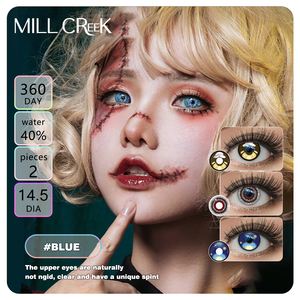
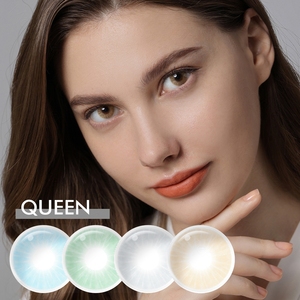
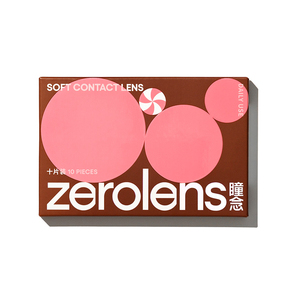
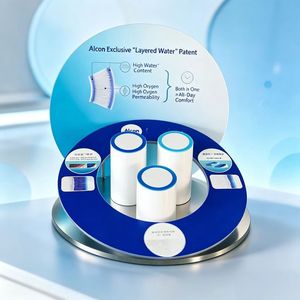
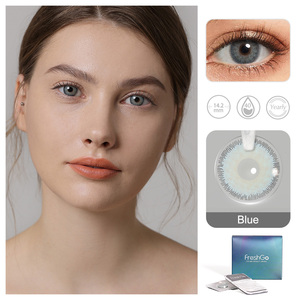
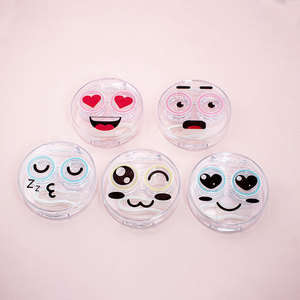
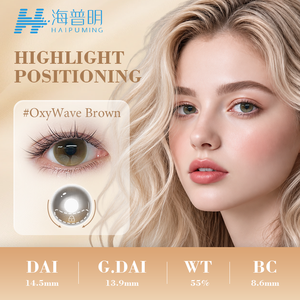
Featured OEM/ODM Cosmetic & Optical Contact Lens Portfolio
Explore high-demand product lines engineered with medical-grade HEMA materials, advanced rotational stability, and customizable private-label packaging.
1. Material Science & Chemical Engineering in Contact Lens Manufacturing
Understanding the fundamental polymer mechanics, hydration dynamics, and biocompatibility standards utilized by leading Chinese lens factories.
The manufacturing of modern cosmetic and corrective colored contact lenses represents a sophisticated convergence of optical physics, polymer chemistry, and biomedical engineering. To evaluate how colored contact lenses are made in China’s top factories, B2B procurement managers and optical retail buyers must first examine the raw material hydrogels and silicone hydrogels that dictate physiological performance, oxygen permeability ($D_k/t$), and ocular safety.
Poly-HEMA Formulations
Poly-2-hydroxyethyl methacrylate (Poly-HEMA) serves as the baseline hydrophilic matrix. Its hydrogel structural cross-links absorb water efficiently, maintaining flexible softness and physical tear resistance for standard daily or monthly wear.
Next-Gen Silicone Hydrogel
Integrating siloxane monomers into hydrogel matrices unlocks high oxygen transmissibility ($D_k/t > 80$). This prevents corneal hypoxia, allowing extended wear while supporting vibrant multi-tone color printing without sacrificing breathability.
Non-Ionic Tear Resistance
Advanced Chinese suppliers utilize non-ionic hydrogel surface treatments. This prevents protein, lipid, and cosmetic residue buildup on the lens surface, keeping the visual field clear and reducing ocular friction.
Technical Insight: Biocompatibility is paramount. ISO 10993 cytotoxicity standards dictate that pigments used in cosmetic lenses must be completely sequestered inside the lens polymer layers. Direct pigment contact with the human cornea or conjunctiva is strictly prohibited under international medical device regulations.
2. Precision Engineering: Step-by-Step OEM Manufacturing Process
A breakdown of full-automated cast molding, lathe cutting, and micro-pigment sandwich encapsulation in China's state-of-the-art optical hubs.
Monomer Synthesis & Mix Formulation
Purified monomers (HEMA, NVP, MAA, or Siloxane complexes) are blended with UV initiators, cross-linking agents, and hydration stabilizers in cleanroom environments to create uniform optical-grade liquid prepolymers.
Automated High-Precision Cast Molding
Liquid prepolymer resin is injected into high-precision male and female mold pairs crafted via diamond lathe tooling. Molds define base curve (BC), central thickness (CT), and power parameters ($D$).
Sandwich Color Printing Technology
Before curing, non-toxic bio-pigments are pad-printed onto a micro-thin polymer layer, followed by a secondary protective hydrogel coating. This encapsulates color completely between clear monomer layers.
Thermal & UV Photopolymerization
Molds enter UV or thermal curing tunnels. Controlled radiation locks the monomer chains together, solidifying the liquid prepolymer into a dry, rigid optic lens core with embedded structural print graphics.
Demolding, Hydration & Edge Finishing
Lenses are extracted from optical molds and immersed in purified saline solutions. Hydration expands the matrix, transforming dry plastic into a soft, flexible, 40%-58% water-rich contact lens with rounded edge comfort.
AOI Inspection & Terminal Sterilization
Automated Optical Inspection (AOI) systems scan 100% of production for edge burrs, color misalignments, or pinhole defects. Verified lenses are heat-sealed in blisters and autoclaved at 121°C (250°F).
3. Global Development & B2B Procurement Trends (2025–2030)
Market intelligence for optical brand owners, retail chains, and healthcare distributors planning next-generation color lens lines.
Dominance of Daily Disposable (1-Day) Formats
Consumer habits are shifting decisively toward single-use daily disposables. Hygiene awareness, convenience, and reduced risk of microbial keratitis have made 1-day colored lenses the fastest-growing optical retail sector worldwide. Leading Chinese factories have responded by scaling ultra-high-speed daily blister packaging lines that lower unit costs while maintaining zero-sterility-breach standards.
Rise of Natural 3-Tone & Pupil-Blended Aesthetics
Cosmetic buyers increasingly reject artificial, flat block colors. Market demand favors intricate iris patterns, subtle limbal rings, and multi-layered translucent tones (e.g., Hazel, Honey, Slate Gray, Olive) that blend seamlessly with natural iris colors. Automated digital pad-printing tech allows sub-micron dot alignment for realistic depth.
Sustainable & Smart Retail Packaging
Global brands are prioritizing eco-friendly secondary packaging. FSC-certified paperboard cartons, reduced-plastic blister trays, and recyclable foil lids are becoming essential RFQ specifications. OEM suppliers now offer comprehensive custom paper box and counter packaging solutions alongside lens manufacturing.
Strict Medical Device Regulatory Harmonization
Regulatory bodies worldwide (US FDA, EU MDR 2017/745, NMPA, Saudi SFDA) treat cosmetic color lenses as Class IIa or Class IIb medical devices. Procurement strategies must prioritize factories that maintain robust Technical Files, ISO 13485 Quality Management Systems, and full Lot Traceability from monomer batch to retail shelf.
4. Why Partner with Leading China Contact Lens Suppliers & Factories?
Leverage end-to-end optical engineering, private-label agility, and global compliance infrastructure designed for B2B scale.
Class 100,000 Cleanroom Infrastructure
Manufacturing takes place under stringent ambient air particle filtration, temperature regulation, and humidity controls matching international pharmaceutical production guidelines.
Full Private-Label (OEM/ODM) Agility
From custom iris design vectoring to branded blister foil seals, custom paperboard boxes, and point-of-sale display trays, suppliers deliver complete shelf-ready turnkey products.
Global Regulatory Documentation Support
Receive comprehensive technical documentation including Declarations of Conformity, ISO 13485 audit reports, CE certificates, sterilization validation reports, and stability data.
5. Frequently Asked Questions (FAQ) for B2B Contact Lens Buyers
Direct answers to technical, regulatory, and logistics queries encountered during international contact lens procurement.
How does "Sandwich Printing Technology" protect the wearer's eye safety?
What is the typical Minimum Order Quantity (MOQ) for OEM private-label colored lenses?
What regulatory compliance documents are provided for market authorization?
What are the primary differences between HEMA and Silicone Hydrogel color lenses?
How are prescription power ranges ($D$) and cosmetic Plano (0.00) lenses handled in production?
Initiate Your Private-Label Contact Lens Program
Partner with China’s premier certified optical manufacturing facility. Request product catalogues, technical files, factory audit schedules, or custom quotation benchmarks today.