Featured Export Catalog: Premium OEM & Private Label Contact Lenses
Explore China’s leading export-grade cosmetic and corrective contact lenses. Engineered using high-precision cast molding, multi-layer sandwich pigment technology, and bio-compatible hydrogel materials to meet rigorous global standards.
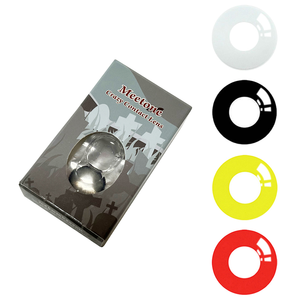
Private Label OEM Customize Paper Packaging Wholesale Meetone Halloween Crazy Cosplay Color Contact Lens Box
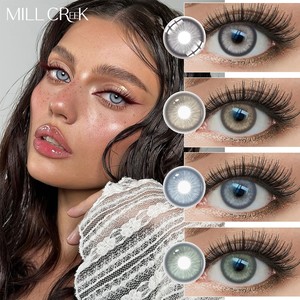
MILL CREEK Hazel 14.2mm Yearly Cosmetic HEMA Colored Contact Lenses Wholesale OEM Custom Enhancement Fashion
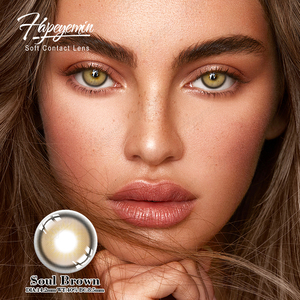
Haipurecon 14.2mm Original Fresh Wholesale Soft Colored Blend Eye Contacts Economic Eye Lenses Color Contact Lenses Colored
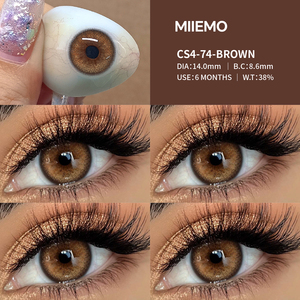
Miiemo Brown Private Label Beauty Colored Soft Contact Lenses 38% Water Content 6-Month Using Cycle
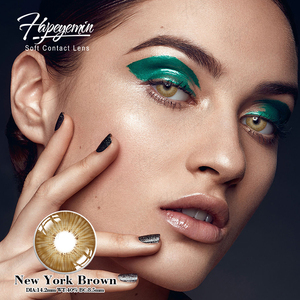
Wholesale Contact Lenses China Cheap High Quality Color Contact Lens Haipurecon Bollywood Style ISO 13485 Certified
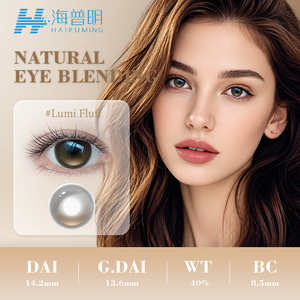
Contact Lenses Brown Fixed-Axis Highlight Daily Disposable Wholesale Supplier OEM HEMA 14.5mm Cosmetic Trendy Kawaii Luminous
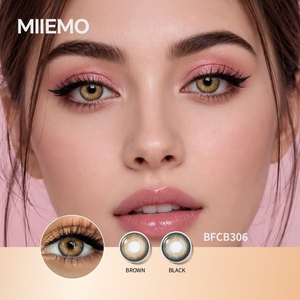
OEM/OEM Factory Direct Shipping Direct Sell Transition 3 Tone Ocean Blue Soft Magic Eye Color Contact Lens Low Price
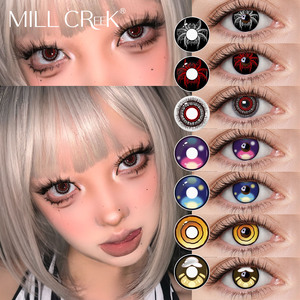
Haipurecon Halloween Cosplay High Quality Soft Crazy Contact Lenses 14.5mm Three Tone Big Eyes Makeup Wholesale
How to Import Contact Lenses from Top China Manufacturers: A Master Class
Navigating the international procurement of contact lenses requires deep domain expertise. As Class II and Class III medical devices, contact lenses are strictly regulated worldwide. Importing successfully from Chinese manufacturers demands rigorous compliance verification, material validation, quality control audits, and streamlined logistics planning.
1. Regulatory Compliance & Certification Framework
Before issuing a purchase order, importers must confirm that the Chinese manufacturer holds valid medical quality certifications tailored to your target jurisdiction:
- ISO 13485:2016: Comprehensive quality management for medical devices.
- CE Marking (MDR 2017/745): Mandatory for distribution within the European Union.
- US FDA 510(k) Clearance: Required for market entry into the United States.
- NMPA License: China National Medical Products Administration production license ensuring legal export origin.
2. Material Science: HEMA Hydrogel vs. Silicone Hydrogel
Evaluating raw material chemistry is essential for matching your customer profile:
- Polymacon / 2-HEMA: Highly cost-effective, proven stability, ideal for cosmetic colored lenses and high-vibrancy opacity.
- Silicone Hydrogel (SiHy): Offers superior oxygen transmissibility (DK/t > 100), enabling extended wear comfort and reduced corneal hypoxia risk.
- Water Content Optimization: 38% low water content preserves tear film stability in air-conditioned environments, while 55%+ water content provides immediate insertion softness.
3. Packaging, Private Labeling & Sterilization
OEM projects require tailored primary and secondary packaging architectures:
- Sandwich Pigment Technology: Micro-encapsulates lens color between hydrogel layers so dye never contacts ocular tissue.
- Blister Packs vs. Glass Vials: Polypropylene blisters foil-sealed with medical-grade aluminum are industry standard for mass-market retail.
- Steam Autoclave Sterilization: Terminal sterilization at 121°C guarantees a 10^-6 Sterility Assurance Level (SAL).
SEO Information Gain Insight: Importing contact lenses under HS Code 9001.30.00 requires accompanying Certificate of Free Sale (CFS), Sterile Liquid Transport MSDS, and Batch Test Reports (COA). Standardized freight forwarders experienced in pharmaceutical cold-chain or temperature-controlled logistics prevent lens dehydration during transit across extreme climate zones.
Enterprise Manufacturing Superiority: Partnering with kyralens Technology
kyralens Technology Co., Ltd. is a global leader in private label eye care product development and contact lens manufacturing. Our state-of-the-art facilities bridge cutting-edge optical engineering with comprehensive retail category management.
Category Strategy
In-depth market positioning analysis, identifying price thresholds, parameters, and color trends for retail success.
Material Formulation
Precision tuning of water content, base curve, oxygen permeability, and pigment opacity to target specifications.
Automated Casting
Fully automated cast molding inside Class 100,000 cleanrooms eliminating manual human contamination risks.
Regulatory Compliance
Multi-lingual packaging, lot barcode generation, legal documentation, and destination market regulatory filings.
Global Fulfillment
End-to-end supply chain logistics with lot-level traceability delivered directly to regional distribution centers.
Trusted by Leading International Retailers & Optical Chains


2025–2030 Contact Lens Development & Procurement Trends
The global contact lens market is undergoing rapid evolution driven by changing consumer lifestyle habits, visual fatigue from digital screens, and rising demand for cosmetic personalization. Key purchasing trends shaping B2B sourcing include:
| Trend Area | Technological & Market Shift | Strategic Advantage for Importers |
|---|---|---|
| Silicone Hydrogel 3.0 | Transition from legacy HEMA to third-generation low-modulus Silicone Hydrogel with built-in moisture agents. | Higher consumer satisfaction, reduced dryness complaints, higher retail margin positioning. |
| Daily Disposable Dominance | Consumer preference shifting rapidly toward 1-Day disposable formats driven by hygiene awareness. | Drives higher volume replenishment orders and recurring consumer subscription models. |
| Hyaluronic Acid (HA) Lock | Incorporation of Hyaluronic Acid into buffering saline solution inside blister packs. | Provides immediate insertion comfort and 16-hour continuous hydration claims. |
| Micro-MOQ Private Labeling | Flexibility in low-batch production runs for emerging DTC brands and specialized optical boutiques. | Lowers market testing risk and capital expenditure for new product launches. |
| Eco-Friendly Packaging | Recyclable polypropylene blisters and FSC-certified paper packaging for reduced plastic footprint. | Fulfills ESG corporate compliance requirements for top European and North American retail chains. |
Frequently Asked Questions (FAQ) for Global Buyers
Get authoritative answers to critical technical, regulatory, and commercial queries regarding contact lens importation from China.
What is the step-by-step process to start a private label contact lens line?
Launching a private label line involves five structured phases: (1) Parameter and color collection selection; (2) Packaging design approval including blister foil artwork and secondary paper box branding; (3) Regulatory document preparation (DoC, ISO certificates, labeling localization); (4) Pilot production and batch sample verification; and (5) Mass production, automated blister sealing, sterilization, and container shipment.
How do Chinese manufacturers ensure ocular pigment safety in color contact lenses?
Top Chinese exporters utilize advanced "Sandwich" or "Triple-Layer" printing technology. The FDA-approved organic pigments are embedded inside the interior layers of the hydrogel matrix. This prevents direct contact between the color dyes and the corneal surface or conjunctiva, ensuring 100% ocular safety and zero pigment leaching over time.
What are the minimum order quantities (MOQs) for OEM custom orders?
MOQs depend on the level of customization. Standard stock collections in factory branding start as low as 50 to 100 pairs per power/color SKU. For custom private label artwork on outer paper boxes, MOQs typically range from 500 to 1,000 units per design. Fully customized lens parameters or custom molded base curves require larger production runs starting at 10,000 units per batch.
How is liquid packaging shipped internationally without customs hold-ups?
Contact lenses are packaged in sterile buffered isotonic saline solution. Importers must supply the freight forwarder with a valid Material Safety Data Sheet (MSDS) and a Non-Dangerous Goods Declaration Certificate. Proper labeling under HS Code 9001.30.00 ensures smooth customs clearance through air or ocean channels.
What quality assurance testing is performed prior to factory export?
Every batch undergoes rigorous quality testing under ISO 13485 guidelines: (1) Automated optical vision inspection for edge tears and surface inclusions; (2) Dimensional verification (Base Curve, Center Thickness, Diameter); (3) Sterility validation testing; (4) Bubble emission package integrity testing (ASTM F2096); and (5) Oxygen permeability (DK/t) bench testing.
What documentation is required to clear contact lenses at customs?
Standard export paperwork includes: Commercial Invoice, Packing List, Bill of Lading (B/L), Certificate of Origin (Form E/CO), ISO 13485 Quality Certificate, CE Certificate of Conformity (for EU entries), Certificate of Free Sale (CFS), and Batch Certificate of Analysis (COA).
Accelerate Your Private Label Eye Care Line Today
Partner with China's leading ISO 13485 certified contact lens exporter. Request our comprehensive 2025 product catalog, material spec sheets, and wholesale price breakdown.