Medical & Cosmetic Contact Lens Assortment
High-precision contact lenses, diagnostic ophthalmic optics, and clinic-grade eye care accessories manufactured in CE and ISO 13485 certified cleanrooms.
Engineering Excellence in Medical-Grade Contact Lens Manufacturing
The global contact lens market is undergoing a profound structural shift. Modern eye care professionals, optical retail conglomerates, and pharmacy chains are demanding higher levels of biocompatibility, oxygen transmissibility (Dk/t), and dimensional reproducibility. As a premier China medical-grade contact lenses manufacturer, factory, and exporter, kyralens Technology Co., Ltd. leads this industry transformation by integrating bio-polymer material science with fully automated, high-precision cast-molding infrastructure.
1. Polymer Chemistry & Advanced Biomaterial Matrix Formulation
At the core of medical-grade contact lens production is the precise formulation of monomer mixtures. Our R&D facility specializes in synthesizing high-purity hydrophilic polymers that maintain structural integrity while facilitating maximum oxygen transport across the tear film. Key material innovations include:
- Silicone Hydrogel (SiHy) Copolymers: Engineered with long-chain siloxane macromers combined with hydrophilic monomers (N-Vinylpyrrolidone, NVP). This creates an interpenetrating polymer network (IPN) offering high oxygen permeability (Dk/t range: 110–140) alongside low modulus (0.3–0.5 MPa) to minimize mechanical corneal friction.
- Non-Ionic HEMA-MAA Formulations: Utilizing 2-Hydroxyethyl Methacrylate crosslinked with Ethylene Glycol Dimethacrylate (EGDMA). These non-ionic Hydrogel lenses feature a high water content (38% to 58%), resisting tear-film protein and lipid deposition in high-pollutant environments.
- Bio-Compatible Wetting Agents: Hyaluronic Acid (HA) and Polyvinyl Alcohol (PVA) are locked within the lens matrix during micro-injection molding, establishing a permanent hydration layer that mitigates dry eye symptoms during prolonged digital device usage.
2. Micro-Precision Cast-Molding & Automated Optical Inspection (AOI)
Traditional spin-casting and lathe-cutting methodologies present limitations in high-volume, uniform manufacturing. China's leading medical-grade contact lens factories now utilize high-speed, fully automated cast-molding systems operating under Class 100,000 (ISO Class 7) cleanroom protocols.
Each lens mold tool is CNC-machined using diamond micro-turning lathes to achieve sub-micron curve precision. Liquid monomer mixture is injected into optical quartz female/male mold pairs, followed by UV/thermal polymerization. Following demolding and hydration in purified saline, 100% of lenses undergo high-resolution Automated Optical Inspection (AOI). Dual-camera vision systems evaluate edge geometry, center thickness (ct), base curve (BC), optical power tolerance (±0.25D), and microscopic peripheral defects, guaranteeing batch consistency to medical device standards.
Enterprise Competencies & Strategic Capabilities
From single-product pilot projects to multinational drugstore chain rollouts, our platform offers scalable solutions for global buyers.
Global Regulatory dossiers
Full compliance documentation including CE Mark (MDR 2017/745), ISO 13485:2016 quality management systems, FDA 510(k) cleared files, and Free Sale Certificates (FSC) for seamless international customs clearance.
End-to-End Private Labeling
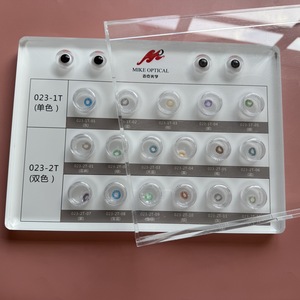
Turnkey OEM/ODM services offering custom blister packaging, primary blister foil sealing, multi-lingual outer carton art development, barcode serialization, and tailored point-of-sale acrylic displays.
Integrated Supply Chain
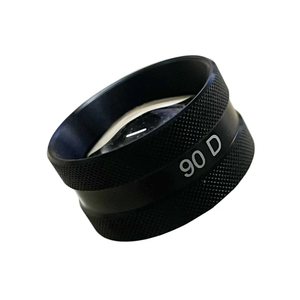
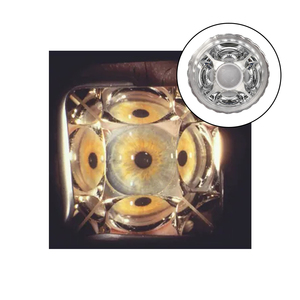
From raw monomer synthesis to sterile multi-purpose lens solutions, storage cases, and diagnostic slit-lamp fundus lenses (78D/90D), we streamline procurement under one roof.
Technical Specification Comparison: Contact & Ophthalmic Lenses
Compare physical parameters, material properties, and operational profiles across our core OEM contact lens series.
| Product Category | Material Composition | Water Content | Oxygen Permeability (Dk/t) | Base Curve (BC) | Sterilization Standard | Target Application |
|---|---|---|---|---|---|---|
| Daily Disposable Hydrogel | HEMA + NVP Monomers | 55% - 58% | 25 - 30 Dk/t | 8.5mm / 8.6mm | Moist Heat Autoclave (121°C) | Daily retail myopia correction |
| Silicone Hydrogel Premium | Fluorosiloxane Macromer | 42% - 48% | 110 - 135 Dk/t | 8.4mm - 8.8mm | Moist Heat Autoclave (121°C) | Extended wear / Dry eye sensitive |
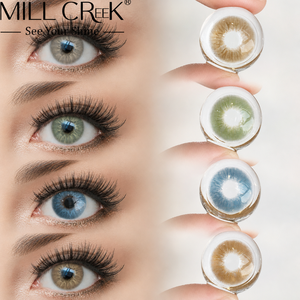
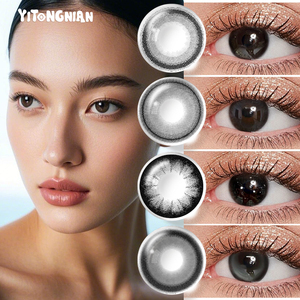
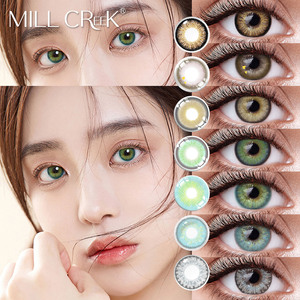
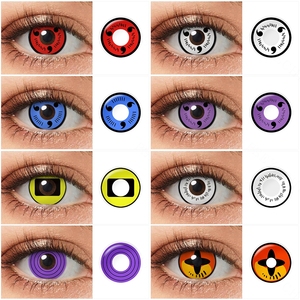
| Cosmetic Color Series (1-3 Tone) | HEMA + Micro-encapsulated Pigment | 38% - 42% | 20 - 25 Dk/t | 8.6mm | Moist Heat Autoclave (121°C) | Beauty, Cosplay & Fashion Retail |
| Yearly Prescription Clear | Crosslinked Hydrogel (Polymacon) | 38% | 18 - 22 Dk/t | 8.6mm | Sterile Saline Blister Packaging | Cost-effective global distribution |
| Ophthalmic 78D/90D Diagnostic | High-Index Optical Glass / Acrylic | Non-Hydrated | N/A | Aspheric Optics | Chemical Cold Sterilization Ready | Eye Clinic Fundus Examination |
Future Sourcing & Technology Trends (2025–2030)
1. Transition to Bio-Inspired Color Encapsulation
Traditional cosmetic color contact lenses relied on surface printing, which raised potential concerns regarding pigment-corneal contact and surface roughness. The industry has rapidly shifted toward 3-Layer Sandwich Micro-Encapsulation Technology. Color pigments are isolated inside biocompatible HEMA polymer layers, ensuring 0% pigment contact with ocular tissue while enhancing surface wettability and smoothness.
2. Sustainability & Eco-Friendly Packaging
Procurement managers in Europe and North America are prioritizing sustainable packaging solutions. Factories in China are deploying bio-based polypropylene blister packs, 50% thinner aluminum foil seals, and 100% recyclable outer cardboard boxes. Manufacturing facilities are also adopting closed-loop water filtration to recycle micro-purified water used during lens hydration stages.
Key Procurement Priorities for B2B Buyers
- Direct Factory Sourcing: Bypassing multi-tier trading channels to secure direct OEM factory pricing, achieving 30%–45% higher gross margins for retail store brands.
- Low-MOQ Launch Flexibility: Strategic private label buyers are seeking low-MOQ pilot orders (e.g., 100 to 500 pairs per SKU) for market testing prior to mass production.
- Compliance Agility: Ensuring suppliers maintain active CE MDR certificates, enabling swift registration in localized regional health authorities (GDFRA, SFDA, HSA, etc.).
- Integrated Care Ecosystem: Bundling contact lenses with companion products like multi-purpose disinfectant solutions, hyaluronic acid drops, and antimicrobial storage cases.
Frequently Asked Questions (FAQ) for Global Buyers
Answers to common technical, regulatory, and commercial inquiries when importing contact lenses from China factories.
Medical-grade contact lenses must be manufactured in Class 100,000 (ISO Class 7) certified cleanrooms under ISO 13485 Quality Management Systems. They undergo strict biocompatibility testing according to ISO 10993 standards (including cytotoxicity, ocular irritation, and systemic toxicity tests) and maintain a Sterility Assurance Level (SAL) of 10^-6 following moist heat autoclaving.
For standard stock color or vision correction lenses, our minimum order quantity starts as low as 100 pairs per SKU. For fully customized private label packaging (custom blister printing, tailored carton boxes, and personalized lens parameters), standard MOQs range between 1,000 to 5,000 pairs depending on the lens material and packaging format.
We provide comprehensive regulatory technical dossiers, including ISO 13485:2016 Certificates, CE Declarations of Conformity, Full Quality Assurance System Certificates, Sterilization Validation Reports, Stability Testing Data (3 to 5-year shelf-life validation), and Free Sale Certificates (FSC).
The 3-layer sandwich technology embeds non-toxic, micro-encapsulated color pigments between two micro-thin layers of clear hydrogel material (HEMA). This prevents pigments from directly contacting the cornea or conjunctiva, avoiding pigment leachate and ensuring a smooth lens surface for comfortable wear.
Hydrogel lenses rely on water content to transport oxygen (typically Dk/t 20-30), making them cost-effective, soft, and suitable for standard daily wear. Silicone Hydrogel lenses integrate silicone macromers, allowing oxygen to pass directly through the polymer matrix regardless of water content (Dk/t 100-140+). Silicone hydrogels are ideal for premium positioning, extended daily wear, and dry eye prone demographics.
Yes, in addition to soft contact lenses, our manufacturing network produces precision optical glass and high-index acrylic diagnostic lenses (78D, 90D, 20D) with anti-reflective coatings. These non-contact and contact fundus lenses are designed for eye clinics, hospitals, and slit-lamp diagnostic examinations.
Every batch of contact lenses is assigned a unique Lot Number that tracks raw material monomer batches, molding tool parameters, sterilization autoclave runs, and final AOI inspection records. Complete lot traceability records are retained for a minimum of 6 years to comply with global medical device traceability guidelines.
In-stock items ship within 3 to 7 business days. For OEM private label custom orders, initial packaging design artwork approval and sample proofing require approximately 10 to 14 days, followed by mass manufacturing and sterile autoclaving in 20 to 30 days. Express air freight and ocean shipping options are available based on buyer requirements.
Partner with China's Premier Medical Contact Lens Manufacturer
Whether expanding an established optical chain, launching a private label cosmetic collection, or sourcing clinical diagnostic lenses, our engineering team provides end-to-end support.