Featured Private Label Contact Lens Lines
Explore our export-ready, customizable soft cosmetic and prescription contact lens formulations available for private label manufacturing.
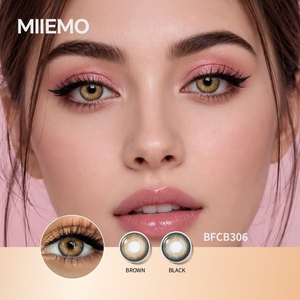
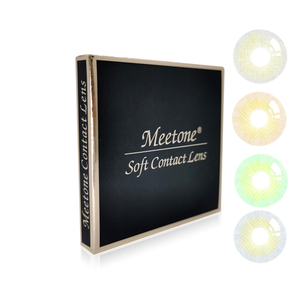
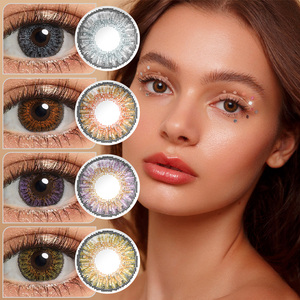
Understanding Private Label Contact Lens Manufacturing: Industry White Paper & Buyer's Guide
The global contact lens market has evolved dramatically, shifting from dominated legacy brand control to dynamic private label formulations driven by optical chains, e-commerce beauty platforms, and pharmacy conglomerates. When procurement executives search for what is private label contact lenses manufacturing, they are evaluating an OEM/ODM framework where specialized Class III medical device manufacturers engineer soft Hydrogel or Silicone Hydrogel lenses tailored precisely to a brand's visual identity, diopter parameters, material specifications, and packaging compliance requirements.
China has established itself as the world’s primary hub for advanced contact lens manufacturing, blending state-of-the-art lathe-cutting and full-cast molding technologies with cost-efficient, high-volume automated production lines. Partnering with top-tier Chinese manufacturers allows brand owners to leverage mature supply chains, lower minimum order quantities (MOQs), dynamic graphic customization, and rigorous medical-grade compliance protocols.
Technical Material Science: Hydrogel vs. Silicone Hydrogel in Private Label Procurement
Selecting the appropriate polymers is a crucial technical decision when establishing a private label contact lens line. Modern soft contact lenses rely on bi-compatible hydrogel materials optimized for moisture retention, corneal oxygenation (Dk/t), and tear-film stability:
1. Poly-HEMA (Hydroxyethyl Methacrylate) & Non-Ionic Formulations
HEMA-based hydrogels remain the gold standard for daily cosmetic color lenses and cost-effective spherical correction lenses. Formulated with a standard water content ranging from 38% to 42%, Poly-HEMA lenses offer low protein absorption, structural stability, and exceptional resistance to environmental dehydration. This makes them exceptionally comfortable in dry ambient conditions, offering high tensile strength during insertion and removal.
2. Advanced Silicone Hydrogel (SiHy) Matrix
For premium optical lines and extended daily wear, Silicone Hydrogel represents the cutting edge of contact lens technology. By incorporating siloxane macromers into the hydrogel matrix, SiHy lenses deliver oxygen transmissibility (Dk/t values exceeding 80 to 120) directly to the cornea, drastically exceeding conventional hydrogel limits. This significantly reduces hypoxia risk, ensures long-wear clarity, and meets stringent European and North American optometric standards.
3-Tone Sandwich Printing Technology & Aesthetic Color Innovation
A critical concern for beauty and cosmetic contact lens brand owners is color safety and natural aesthetic gradient blending. Leading Chinese contact lens manufacturers utilize specialized Micro-Encapsulation 3-Layer Sandwich Technology:
- Outer Protective Hydrogel Layer: Clear biocompatible hydrogel prevents direct contact between color pigments and the human cornea or eyelid conjunctiva.
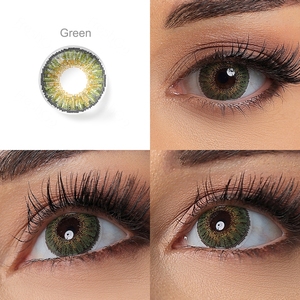
- Entrapped Color Pigment Matrix: High-definition non-toxic color pigments (such as iron oxides and titanium dioxide) are printed using high-precision digital photolithography to achieve realistic 3-tone iris blending (Outer Limbal Ring, Primary Iris Tone, and Inner Pupil Transition Accent).
- Inner Basal Hydrogel Layer: Maintains a smooth base curve (8.5mm to 8.7mm) to facilitate dynamic tear exchange and natural lens movement.
Global Quality Standards & Export Regulatory Compliance Matrix
Because contact lenses are classified as Class III Medical Devices across most international regulatory frameworks (including the US FDA, European MDR, and China NMPA), importing private label lines requires flawless technical dossier documentation and factory quality management verification.
As a leading Chinese manufacturer and exporter, our production facilities adhere to international quality assurance standards:
Private Label Technical Specification Reference
| Parameter | Standard Specification Range | B2B Customization Options |
|---|---|---|
| Material Options | HEMA / HEMA-NVP / Silicone Hydrogel | Custom Hydrophilic Monomer Blends |
| Water Content | 38% (Low Moisture) to 58% (High Moisture) | Optimized for regional climate humidity |
| Base Curve (BC) | 8.50mm – 8.60mm (Standard Fit) | 8.40mm – 8.80mm custom molding |
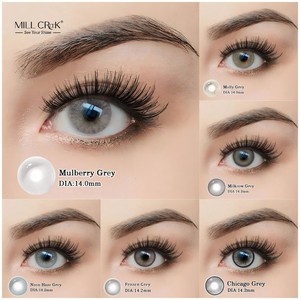
| Diameter (DIA) | 14.0mm to 14.5mm (Natural to Enlarging) | 14.0mm – 14.8mm cosmetic enlarged iris |
| Power / Diopters | 0.00 (Plano) to -10.00D (Myopia Correction) | Custom Toric (Astigmatism) & Hyperopia |
| Manufacturing Process | Full Automated Cast Molding / CNC Lathe Cut | Custom graphic plate digital etching |
| Packaging Options | Sterile Buffered Saline Blister Pack / Glass Vials | Custom Foil Lidstock & Retail Outer Paper Cartons |
| Regulatory Markings | ISO 13485:2016, CE 0123 / CE 2797, GMP Cleanroom | Complete Technical Files (TCF) provided |
Why Partner With China’s Premier Contact Lens Manufacturer?
Our end-to-end OEM/ODM private label infrastructure handles every phase of development—from raw material formulation to branded retail-ready delivery.
100,000-Class Cleanroom Facilities
Manufacturing takes place in fully automated, sterile ISO Class 5 / Class 100,000 cleanrooms using high-precision robotic liquid injection, auto-demolding, and moist heat autoclaving at 121°C for complete sterility assurance.
Turnkey Regulatory & TCF Support
We provide global distributors with comprehensive technical documentation, clinical evaluation reports, stability testing data, and certificate of analysis (CoA) batches needed for fast regional medical registration.
Bespoke Retail Box & Foil Branding
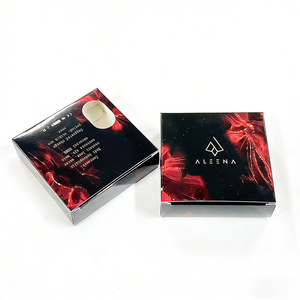
Stand out in optical boutiques and online shops with custom packaging. We offer hot-foil stamping, UV spot coating, embossed paper boxes, eco-friendly cartons, and custom blister foil lids tailored to your brand.
Future Sourcing & Procurement Trends in the Contact Lens Sector (2025–2030)
Navigating the next decade of optical retail requires anticipating shift patterns in consumer habits, material innovation, and regulatory compliance. As private label contact lens manufacturing matures in China, several strategic trends are reshaping how procurement managers construct their product catalogs:
1. The Rapid Dominance of Daily Disposables (1-Day Lenses)
While monthly and annual replacement lenses historically dominated cosmetic color segments due to unit cost advantages, consumer preference has rapidly shifted toward daily disposable formulations. Hygiene awareness, convenience, and zero maintenance (no cleaning solutions required) drive 1-day lens demand. Advanced automation in Chinese factories has narrowed the cost gap between daily blisters and long-wear vials, allowing private label brands to offer competitive daily colored contact lens packages with high profit margins.
2. Bio-Compatible Moisture-Lock & Anti-Blue Light Additives
Modern consumers spend over 8 hours daily staring at digital screens, accelerating dry eye syndrome and eye fatigue. Next-generation private label formulations incorporate natural lubricating agents directly into the lens matrix or blister saline solution—such as Hyaluronic Acid (HA), Trehalose, and Poloxamer. Furthermore, integrated UV-blocking monomers and blue-light filtration tints are becoming standard features for premium private label contact lens SKUs targeting office professionals and gamers.
3. Niche Aesthetic Customization & Micro-Iris Patterns
The cosmetic beauty contact lens sector is shifting away from stark, unnatural colors toward subtle, natural iris enhancements. Emerging design trends emphasize hyper-realistic iris structures, translucent limbal rings, soft hazel-gray gradients, and ambient olive tones. By leveraging digital plate etching technology, OEM manufacturers can rapidly prototype bespoke pattern files, empowering e-commerce brands to launch exclusive color collections in as little as 30 days.
Frequently Asked Questions (FAQ) for B2B Importers
Critical answers for category buyers, brand strategists, and optical procurement specialists.
What is private label contact lens manufacturing?
Private label contact lens manufacturing is a strategic partnership where an authorized medical device factory produces contact lenses according to your desired parameters, material choices, and aesthetic graphics, then packages them under your proprietary brand name for direct commercial sale.
What are the standard Minimum Order Quantities (MOQs)?
For existing stock designs with custom over-printing paper boxes, MOQs start as low as 500 to 1,000 pairs per color/diopter. For fully customized lens color patterns, base curve molds, or unique blister foil artwork, MOQs typically range from 5,000 to 10,000 pairs depending on SKU complexity.
What certificates are available for export customs clearance?
Our manufacturing facilities hold ISO 13485:2016 quality management system certifications, CE certificates under European medical directives, and Free Sale Certificates (FSC). Complete batch test reports and sterilisation validation certificates accompany every export shipment.
How long does production and packaging customization take?
Sample approval and artwork proofing take approximately 7–10 days. Full batch mass production, including cast-molding, automated packaging, autoclaving, quality control inspection, and packaging assembly, typically requires 25 to 35 business days from final deposit.
Can I customize prescription diopter power ranges for color lenses?
Yes. We offer both Plano (0.00 non-prescription beauty lenses) and prescription power steps ranging from -0.50D to -6.00D in 0.25D increments, and -6.50D to -10.00D in 0.50D increments. Custom toric parameters for astigmatism are also available upon request.
What is the shelf life of sealed sterile contact lens blister packs?
Our medical-grade aluminum-foil sealed blister packs offer a validated shelf life of 5 years from the date of steam sterilization, ensuring long inventory viability across international supply chains and retail store storage.
Ready to Launch Your Own Private Label Contact Lens Line?
Connect with our expert optical engineers and supply chain specialists today. Get instant access to our master wholesale catalog, material sample kits, and factory-direct OEM pricing schedules.
Get Catalog