OEM & Wholesale Contact Lens Portfolio
Direct supply from China's leading medical device cleanrooms. Fully compliant with international regulatory specifications for drugstore chains, pharmacies, optical distributors, and e-commerce retail brands.
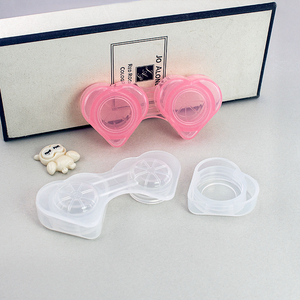
Wholesale Clear Prescription Contact Lenses Factory Eye Contact Lens Case Travel Colored Contact Lenses for Eyes
High-clarity prescription vision correction lenses combined with ergonomic travel storage accessories. Engineered for daily comfort and high oxygen flux.
Get Catalog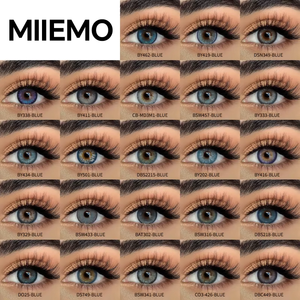
OEM Private Label Three Tone Colored Contact Lenses 38% Water Content Custom Logo Blister Pack Soft Comfortable Beauty
3-Tone iris realistic gradient technology featuring 38% hydration matrix. Custom foil printing and automated blister seal packaging for beauty retailers.
Get Catalog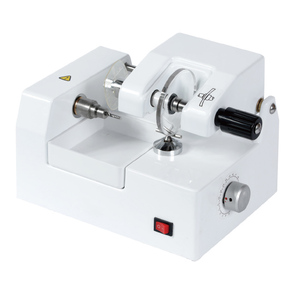
CP-400AT Optical Instrument Lens Processing Molding Machine Lens Mold Opening Machine
Automated high-precision mold processing equipment. Delivers sub-micron edge accuracy for soft contact lens manufacturing facilities.
Get Catalog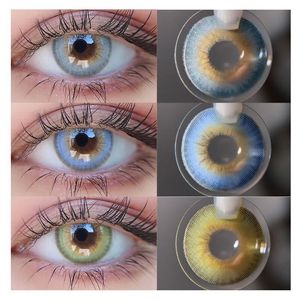
Haipurecon Cosmetic Eye Lenses Color Contact Lenses Eye Contact Lenses Color Contact Lens Eye
Vivid color enhancement series with bio-compatible polymer matrix. Designed for high visual impact and smooth corneal wettability.
Get Catalog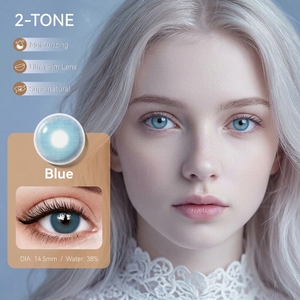
Fashion Style Natural Blue Soft Contact Lenses Cosmetic OEM ODM Wholesale 14.5mm 38% Water Content ISO 13485 Certified
14.5mm diameter natural blue cosmetic lenses. Certified under ISO 13485 standards with embedded non-leaching micro-pigments.
Get Catalog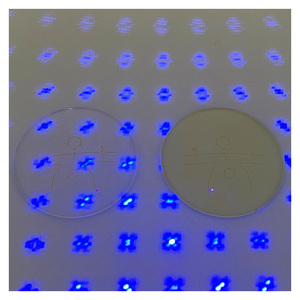
1.56 Invisible Anti Blue Ray Hard Contact Lens hc Hmc Round Top Bifocal Ophthalmic Bluelight Optical Lenses
Advanced anti-blue ray optical lenses with HMC hydrophobic coating. Engineered for digital screen fatigue relief and bifocal vision correction.
Get Catalog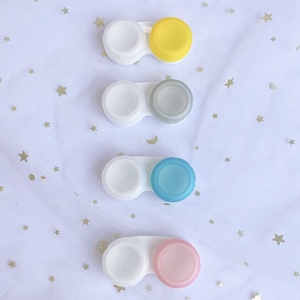
Contact Lens Case Travel Kit Custom OEM Fully Automated CE ISO13485 Certified Eyekan Brand BSCI Factory Easy Carrying Individual
BSCI audited automated production travel kit. Features leak-proof dual lens wells, insertion tools, and antimicrobial resin construction.
Get Catalog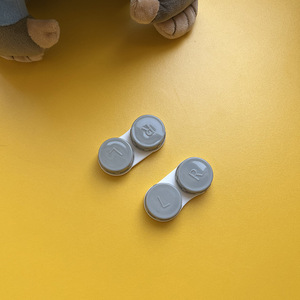
Gray ABS Plastic Small Exquisite Simple Style Color Contact Lenses Double Box Wholesale Manufacturer Direct Supply Model Wl-001
Compact medical-grade ABS plastic double case (Model WL-001). Direct wholesale supply for solution bundle promotional campaigns.
Get CatalogGlobal Color Contact Lens Sourcing & Manufacturing Shift to China
The global cosmetic contact lens sector has evolved from a niche optometric market into a powerhouse driver within the beauty, retail pharmacy, and fast-fashion consumer healthcare sectors. Market valuation models indicate that the global colored contact lens market is expanding from $4.25 Billion in 2024 to an estimated $9.80 Billion by 2032, registering a Compound Annual Growth Rate (CAGR) of 9.4%. Driven by the convergence of visual correction, cosmetic expression, and social media beauty trends, international procurement teams are rapidly restructuring their supply chains to align with high-capacity, technology-advanced OEM/ODM manufacturing hubs in China.
Historically, contact lens manufacturing was concentrated among legacy Western optical corporations utilizing centralized production models. However, modern procurement demands—such as rapid private label SKU diversification, custom multi-tone iris pattern development, low-MOQ pilot validation, and competitive cost-of-goods-sold (COGS)—have shifted global buyer focus toward China's advanced optical manufacturing clusters. Leading Chinese factories have integrated fully automated wet cast-molding systems, state-of-the-art polymer synthesis, and rigid regulatory compliance frameworks that match or exceed Western standards while drastically reducing time-to-market.
For B2B procurement directors, retail category managers, and optical distributors, identifying a qualified China top colored contacts wholesale supplier factory requires a rigorous analysis of material science, pigment isolation technology, cleanroom automation, and multi-jurisdictional regulatory certifications (such as EU MDR CE 2797, US FDA 510(k), and NMPA Class III).
Advanced Material Science & Pigment Isolation Engineering
The core structural integrity and ocular health performance of cosmetic soft contact lenses depend on two pivotal manufacturing variables: polymer hydrogel matrix composition and pigment encapsulation technology. Leading Chinese factories utilize cutting-edge manufacturing processes engineered to protect corneal physiological health while delivering vivid, stable visual aesthetics.
3-Layer Micro-Encapsulation "Sandwich" Tech
Standard low-cost printing methods apply pigment directly onto the lens surface, creating a rough texture that risks corneal abrasion and chemical dye leaching. Premier Chinese factories utilize automated gravure micro-printing to sandwich non-toxic, bio-compatible color pigments entirely between two smooth layers of clear PolyHEMA or Silicone Hydrogel monomer matrix. The pigment never touches the cornea or palpebral conjunctiva, ensuring 100% bio-safety and uncompromised tear-film exchange.
High Dk/t Hydration & Oxygen Permeability
Modern cosmetic wearers require all-day comfort without ocular redness or hypoxia. Chinese manufacturing facilities deploy specialized Hydrogel monomers (HEMA, HEMA-MMA, Polymacon, Methafilcon) alongside next-generation Silicone Hydrogel (SiHy) formulations. With water content engineered between 38% and 58% and oxygen transmissibility (Dk/t) exceeding 25 to 120 units, lenses maintain optimal corneal hydration, preventing protein deposition and tear evaporation.
Manufacturing Technology Comparison Matrix
| Manufacturing Attribute | Automated Wet Cast Molding | High-Precision Lathe Cutting | Spin-Casting Technology |
|---|---|---|---|
| Surface Smoothness & Edge Profile | Ultra-smooth, sub-micron polished edge profiles; zero micro-burrs. | Precision controlled center thickness; required manual edge polishing. | Variable edge thickness; high center-to-edge slope ratio. |
| Dimensional Consistency | 99.98% batch-to-batch parameter reproducibility. | 98.5% reproducibility; ideal for custom toric/RGP lenses. | 95.0% reproducibility; prone to minor hydration swelling variance. |
| Annual Production Scalability | Massive scale: 50M - 200M blisters per automated line. | Low-to-medium scale: Specialized prescription lenses. | Medium scale: Traditional clear contact lenses. |
| Pigment Lock-in Capability | Optimal for 3-layer Sandwich printing integration. | Post-lathe color tinting required; high labor input. | In-mold dye placement; potential pigment displacement. |
Future Sourcing & Product Development Trends in Cosmetic Contacts
As the global optical retail market matures, buyer preferences and consumer safety mandates are reshaping product development criteria. Procurement executives sourcing from China must align their product roadmaps with key emerging technological trends:
1. Silicone Hydrogel Daily Disposables
Consumer intent has overwhelmingly pivoted toward daily disposable (1-Day) color contact lenses. Daily disposables eliminate maintenance, contact lens care solution costs, and infection risks. Integrating Silicone Hydrogel into daily color lenses provides supreme breathability (Dk/t > 80), driving premium retail margins.
2. Dual UV-Blocking & Blue-Ray Filtering
Modern eyes face constant digital screen radiation and solar ultraviolet exposure. Chinese factories are embedding class-2 UV absorbers (blocking >95% UV-B and >80% UV-A) directly into the polymer matrix alongside subtle blue-light filtering monomers without altering cosmetic shade fidelity.
3. Natural Iris Mimicry & AI Patterning
Heavy, opaque block colors are being replaced by hyper-realistic 3-tone and 4-tone radial iris patterns developed via digital AI image synthesis. These patterns blend seamlessly with dark brown Asian or light European eyes, creating a natural limbal ring enlargement with high color coverage.
4. Sustainable Eco-Blister Packaging
Environmental sustainability mandates across Europe and North America are forcing brands to abandon thick polypropylene (PP) plastic cups and heavy glass vials. Next-generation eco-blisters use 40% less plastic, biodegradable foil lids, and 100% recyclable FSC-certified paper secondary cartons.
5. Multi-Functional Eyecare Ecosystems
Leading retailers no longer sell contact lenses in isolation. Top China suppliers provide bundled private label solutions—combining cosmetic lenses, multi-purpose contact lens disinfectant solutions, lubricating hyaluronic acid eye drops, and customized travel storage cases into cohesive shelf-ready retail collections.
Why Global Retail Leaders Partner with Top Chinese Factories
Navigating global eyecare manufacturing requires an enterprise-grade partner capable of executing flawless product development, rigid quality control, and international regulatory backing. As exemplified by industry pioneers such as kyralens Technology Co., Ltd., top Chinese contact lens factories operate with comprehensive supply chain synergy.
Whether supplying major retail pharmacy chains, supermarket giants, or specialty optical distributors across Europe, the Middle East, and Asia, premier Chinese factories provide end-to-end buyer security:
- Class 100,000 (ISO 8 Cleanroom Purification): Contact lenses and lens cases are manufactured, filled, and sealed within ultra-clean environment cleanrooms to prevent airborne particulate contamination.
- Automated High-Temperature Terminal Sterilization: All finished blister packs undergo moist heat autoclave sterilization at 121°C (250°F) for 30 minutes, achieving a Sterility Assurance Level (SAL) of 10-6.
- 100% Vision System Optical Inspection: Automated high-resolution cameras inspect every single lens blister for edge defects, tears, pigment misalignment, or foreign particles prior to final packaging.
- Turnkey Private Label Customization: Full OEM/ODM services including bespoke color creation, base curve engineering, custom blister foil artwork, multi-lingual instruction leaflets, and retail display cartons.







Navigating International Ocular Device Standards
Because soft contact lenses are classified as regulated medical devices in virtually all sovereign jurisdictions, international procurement teams cannot afford compliance lapses. Chinese wholesale manufacturing factories work hand-in-hand with global buyers to compile technical documentation dossiers, facilitating smooth customs clearance and legal commercialization.
| Target Region | Regulatory Classification | Key Required Documentation & Certification | Factory Compliance Capability |
|---|---|---|---|
| European Union (EU) | MDR 2017/745 Class IIa / IIb Medical Device | CE 2797 / CE 0197 Certificate, Declaration of Conformity (DoC), EUDAMED Registration, Technical Dossier (STED). | Full CE Certification issued by EU Notified Bodies; EUDAMED actor registration support. |
| United States (US FDA) | Class II Medical Device (21 CFR 886.5925) | US FDA 510(k) Premarket Clearance, Establishment Registration, Device Listing, UDI Barcoding. | 510(k) cleared polymer formulations; compliant master files on record. |
| China (NMPA) | Class III Medical Device (Highest Risk Category) | NMPA Medical Device Manufacturing License, Product Registration Certificate, Clinical Trial Data. | State NMPA Class III licensed cleanroom facilities and continuous audit readiness. |
| Global / Multi-Market | ISO 13485:2016 Medical Quality System | MDSAP (Medical Device Single Audit Program), ISO 10993 Bio-compatibility Testing reports. | TÜV / SGS audited ISO 13485 certified quality management systems. |
Frequently Asked Questions by Optical Buyers & Category Managers
Below are authoritative answers to the primary technical, commercial, and regulatory questions raised by procurement professionals during factory audits and vendor selection.
What are the minimum order quantities (MOQ) for OEM/ODM private label color contact lenses?
How does the factory ensure color pigments do not contact the wearer's eye?
What shelf-life stability and saline buffer solutions are utilized in packaging?
Can the factory supply supporting eyecare products like lens cases, solutions, and drops?
What is the standard lead time for OEM sample prototyping and mass production?
What quality assurance protocols are conducted on finished production batches?
1. Geometric Inspection: Base curve (BC), diameter (DIA), center thickness (CT), and refractive power verified via automated optical comparators.
2. Physical Property Testing: Tensile strength, modulus of elasticity, water content hydration percentage, and oxygen permeability (Dk/t) validation.
3. Microbiological Testing: Bio-burden screening, bacterial endotoxin testing (LAL test), and sterility assurance verification post-autoclave.