Featured Contact Lenses & OEM Packaging Solutions
Directly sourced from CE & ISO 13485 certified Chinese manufacturing lines with medical-grade primary blister packaging, barrier lidding foils, and customized secondary retail boxes.
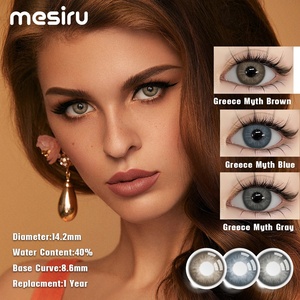
Hot Selling Product Brown Style Fresh Contact Lenses Wholesale Soft Color Contact Lens Manufacturer
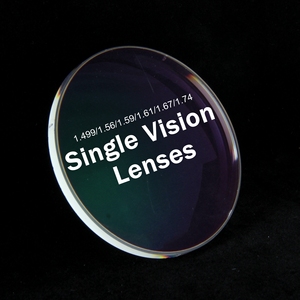
China Factory Direct Supplier Single Vision Prescription Lenses 1.499 Lenses
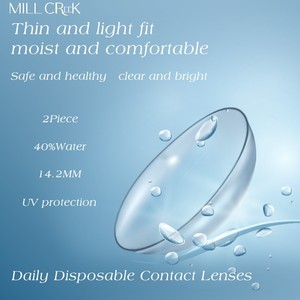
Wholesale Daily Disposable Transparent Clear Contact Lenses Prescription Ready UV Defense Factory Direct

Private Label Customized Brand Color Contact Lenses Factory Wholesale Natural Blue Soft Lens
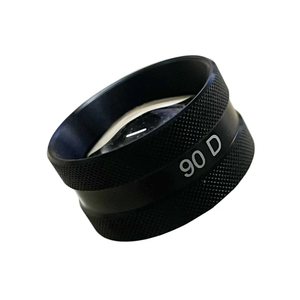
Hot Sale Professional InnoVue Opto 90D Ophthalmic Fundus Contact Lens Aspheric Lens CE Approved
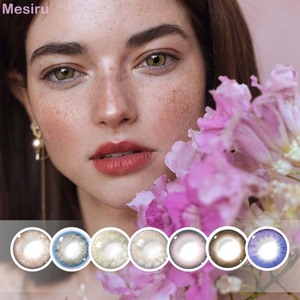
New La Girl Collection Soft Contact Lenses HEMA-NVP Material 105 Colors CE Certified OEM Label
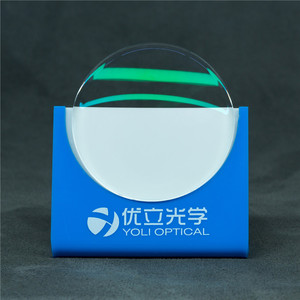
1.49 1.56 1.6 1.67 1.74 Index Ophthalmic Lenses China Manufacturers CE Certified Packaging
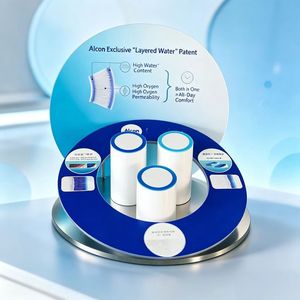
Premium Stable PMMA Stainless Steel Contact Lens Display Tray Custom Retail Packaging Solution
Engineering Excellence in Contact Lens Primary & Secondary Packaging
Contact lenses are classified under international regulatory frameworks as Class IIa or Class III medical devices (depending on optical duration, cosmetic pigments, and prescription indication). Consequently, contact lens packaging is not merely a transport shell; it serves as a sterile barrier system governed by rigorous standards such as ISO 11607-1, ISO 11607-2, FDA 21 CFR 820, and the European Union Medical Device Regulation (EU MDR 2017/745). For global importers, drugstores, and optical chains sourcing from China, evaluating factory packaging capability is as critical as verifying lens polymer biocompatibility.
Technical Insight: Primary blister packaging for hydrogel and silicone hydrogel (SiHy) contact lenses must maintain zero fluid loss (Water Vapor Transmission Rate < 0.01 g/m²/day) under extreme temperature fluctuations during transatlantic and maritime logistics, while ensuring absolute peelability without fiber shredding or tear failures.
1. Primary Packaging Component Analysis: Blister Trays & Lidding Foils
China's top contact lens exporters have transitioned from legacy glass vial systems to automated high-speed Polypropylene (PP) blister pack lines. The primary packaging unit consists of two vital engineered layers:
Medical-Grade PP Blister Bowls
Manufactured using ultra-pure medical polypropylene via precision injection molding or thermoforming. Trays must exhibit zero leachables or extractables into the saline medium, maintaining optical clarity and structural rigidity under 121°C steam autoclaving.
Multi-Laminate Lidding Foils
Composed of an outer PET print layer, an aluminum barrier core (20–25 microns) offering total light, oxygen, and moisture blocking, and a specialized heat-seal lacquer (PP compatible) calibrated for precise peel force (3.5 N to 7.0 N per ISO 11607).
Buffer Saline Chemistry
The internal preserving solution utilizes isotonic, pH-balanced (7.2–7.6) borate or phosphate buffered saline, frequently enhanced with hyaluronic acid (HA) or poloxamers to prevent hydrophobic polymer sticking and preserve hydration over 5-year shelf-life cycles.
2. Material Specifications & Physical Testing Standards Table
To ensure zero degradation during sea freight and air express shipping, Chinese export factories subject contact lens packages to exhaustive mechanical and chemical verification tests. Below is the technical compliance matrix implemented by top OEM factories:
| Packaging Parameter | Technical Requirement / Target Standard | Test Standard / Protocol | Impact on Product Quality |
|---|---|---|---|
| Seal Integrity (Bubble Test) | Zero visual bubble formation at 20-30 kPa pressure | ASTM F2096 / ISO 11607 | Prevents bacterial penetration & saline leakage |
| Peel Seal Strength | 3.5 N / 15mm – 6.5 N / 15mm smooth pull | ASTM F88 / EN 868-5 | Prevents user frustration while guaranteeing hermetic seal |
| Dye Penetration Integrity | Zero dye channel formation across seal margin | ASTM F1929 | Identifies micro-voids in lidding heat seal |
| Water Vapor Transmission Rate (WVTR) | < 0.005 g/(m² · 24h) at 40°C / 90% RH | ASTM F1249 | Prevents lens drying out over 3-5 year shelf life |
| Autoclave Thermal Stability | No warpage or seal failure at 121°C for 20 mins | ISO 17665-1 | Guarantees terminal sterilization compliance |
Global Procurement & Future Packaging Development Trends (2025–2030)
The international eye care market is experiencing a profound transformation driven by sustainability mandates, automated pharmacy logistics, and high-volume daily disposable lens adoption. Strategic sourcing managers must align with Chinese exporters who are proactively upgrading their packaging automation and material science capabilities.
1. Eco-Friendly Sustainable Monomaterial Packaging
Traditional contact lens blisters combine aluminum foil lidding with polypropylene plastic trays, making separation and consumer recycling complex. China's leading R&D factories are pioneering next-generation monomaterial polypropylene blister systems. By utilizing ultra-high-barrier transparent SiOx/AlOx coated PP films for lidding, the entire blister pack can be processed in standard PP recycling streams, reducing carbon footprint by up to 42% without compromising the 5-year sterile barrier.
2. UDI Traceability & Smart Packaging Compliance
Under US FDA regulations and EU MDR directives, all medical contact lens unit cartons and multipacks must feature Unique Device Identification (UDI) system codes. Advanced exporters in China now integrate high-resolution inline laser etching and 2D GS1 DataMatrix printing directly on lidding foils and folding cartons. This enables full batch-to-retail traceability, anti-counterfeiting verification, and automated inventory control for multinational drugstore chains.
Ultra-Compact Flat Packs
Novel strip-pack designs reduce saline volume by 60%, allowing 30-day packs to be mailed in slim envelope packaging—drastically lowering last-mile logistics costs for D2C brands.
Preservative-Free Multi-Dose Drops
Co-packaged lubricating eye drops utilize advanced Ophthalmic Squeeze Dispensers (OSD) with unidirectional air filter valves, eliminating the need for benzalkonium chloride (BAK).
Anti-UV Secondary Coating
Secondary paperboard cartons feature UV-blocking varnish coatings to safeguard photosensitive cosmetic pigments in soft color contact lenses during retail shelf exposure.
Kyralens Technology & Certified OEM/ODM Factory Advantages
kyralens Technology Co., Ltd. represents the benchmark in private label eye care development. Headquartered in Faradaystraat 14, 6718 XT Ede, The Netherlands, with high-capacity ISO Class 7 cleanroom manufacturing partnerships in China, kyralens bridges European quality control, regulatory precision, and scalable Asian industrial manufacturing.
End-to-End Regulatory Guarantee
We deliver turn-key product release including Declarations of Conformity, CE Certificates (MDR 2017/745), US FDA 510(k) clearances, and country-specific packaging localization for Europe, Middle East, and Asia.
Full Category Shelf Coverage
A single supply chain partner for hydrogel and silicone hydrogel contact lenses, cosmetic color collections, MPS cleaning solutions, peroxide systems, sterile eye drops, cases, and ready-to-wear readers.
Precision Automation & High-Speed FFS
Our Chinese export manufacturing hubs feature fully automated Form-Fill-Seal (FFS) lines with inline visual inspection cameras checking foil alignment, print accuracy, and liquid volume per blister.
Tailored Private Label OEM/ODM Branding
From custom foil lidding artwork to FSC-certified outer paper boxes, luxury display units, and compact trial kits, we help retail buyers maximize margin and shelf impact.
Trusted by International Retail Leaders & Pharmacy Chains
Our private label eye care programs power shelf assortments across major drugstores and grocers





Contact Lens Packaging Procurement FAQ
Direct technical answers to critical questions asked by optical category buyers, medical device quality managers, and private label procurement directors.
Ready to Build Your Private Label Eye Care Line?
Download our complete Contact Lens Packaging Specifications, Cleanroom Audit Protocols, and Private Label OEM Product Catalogs.
Get Catalog