Featured Optical & OEM Contact Lens Portfolio
Direct factory wholesale options with full customization, fast lead times, and global regulatory certification support.
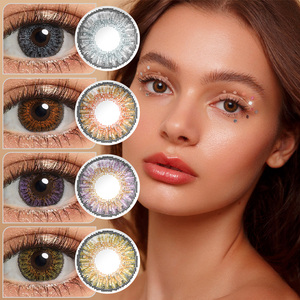
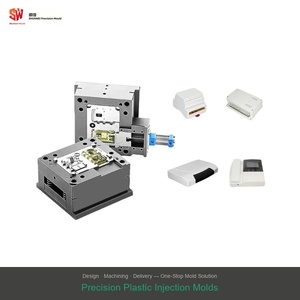
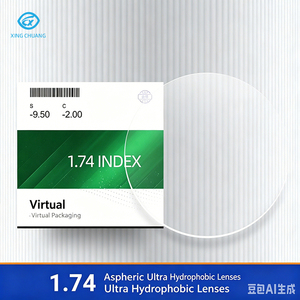
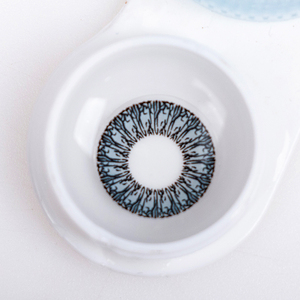
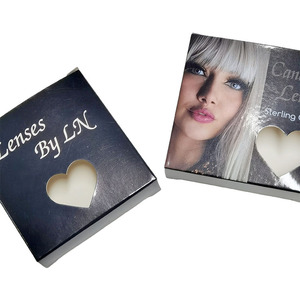
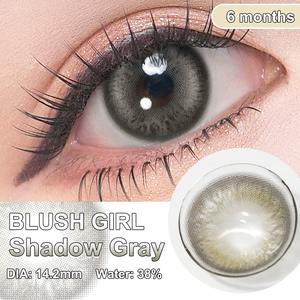
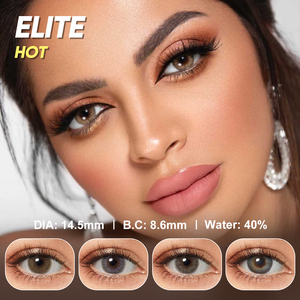
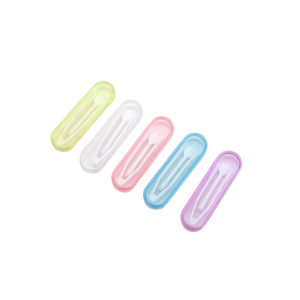
Strategic Manufacturing & Supply Partner For Global Retail Chains


1. Global Market Landscape & Chinese Contact Lens Manufacturing Ecosystem
The global contact lens industry is undergoing a structural paradigm shift. Driven by surging myopia rates across demographic groups, increasing cosmetic lens adoption among Gen Z consumers, and elevated demand for high-oxygen daily disposable modalities, the worldwide market value is projected to reach $18.5 Billion by 2030. In this evolving landscape, China has transitioned from an optical assembly hub into a global powerhouse for advanced contact lens research, polymer formulation, micro-injection mold engineering, and end-to-end OEM/ODM private label manufacturing.
For international optical brands, pharmacy chains, beauty conglomerates, and e-commerce aggregators, sourcing contact lenses directly from top-tier Chinese exporters offers unmatched economies of scale, vertical supply integration, and technological sophistication. Key technological breakthroughs—such as automated cast-molding systems, triple-layer sandwich color printing, and bio-inspired hydrogel synthesis—have elevated domestic Chinese manufacturing standards to align seamlessly with ISO 13485, EU MDR (2017/745), and US FDA 510(k) requirements.
Technical Comparison: Contact Lens Material Generations
Selecting the optimal material matrix is the foundational decision in any contact lens OEM venture. Below is an authoritative technical overview comparing legacy hydrogel, modern silicone hydrogel, and cosmetic-grade polymers manufactured in our cleanrooms:
| Material Category | Polymer Composition | Oxygen Transmissibility (Dk/t) | Water Content (%) | Primary Clinical & Market Advantage |
|---|---|---|---|---|
| Gen 1 HEMA Hydrogel | Poly-HEMA / EGDMA Matrix | 18 - 25 Dk/t | 38% - 42% | High mechanical stability, cost-effective for daily cosmetic wear. |
| Gen 2 High-Water Hydrogel | HEMA + NVP Copolymer | 28 - 35 Dk/t | 55% - 58% | Enhanced initial comfort, excellent choice for high-volume daily disposables. |
| Gen 3 Silicone Hydrogel (SiHy) | Fluoro-Silicone Macromer + Hyaluronic Acid | 100 - 150 Dk/t | 45% - 48% | Uncompromised corneal oxygenation, extended wearing comfort, premium clinical grade. |
| Cosmetic 3-Tone PC Hydrogel | Phosphorylcholine (PC) + Bio-Color Pigment | 25 - 32 Dk/t | 42% - 50% | Biocompatible surface layer, resists protein deposit formation, vibrant color payoff. |
2. Precision OEM/ODM Manufacturing & Custom Tooling Framework
Kyralens Technology Co.,Ltd and our manufacturing network operate under a modern optical engineering framework engineered to bridge international design intent with flawless factory execution. Modern contact lens manufacturing demands nanometer-level accuracy, where mold curvature variations measured in microns can alter refractive power or edge lift geometry.
PMMA Mold Injection Engineering
Utilizing high-precision single-use PMMA optical inserts ensures that every lens cured maintains optimal edge profiles and accurate spherical/toric geometry without thermal distortion.
Micro-Encapsulated Color Tech
Our 3-tone color contact lenses utilize bio-compatible sandwich printing technology. Pigments are embedded safely between polymer layers, preventing direct corneal-pigment contact.
Automated Blister & Sterilization
Fully robotic primary blister sealing paired with moist-heat terminal autoclave sterilization guarantees a 10⁻⁶ Sterility Assurance Level (SAL) across all production lots.
End-to-End Production Process Protocol
To provide complete supply chain visibility for international partners, our factory deployment follows a rigorous 5-stage manufacturing cycle:
- Monomer Synthesis & Formulation: High-purity monomers are blended with UV-blocking agents and wetting enhancers under temperature-controlled cleanroom environments.
- Cast-Molding & UV Polymerization: Liquid monomer is injected into custom-tooled optical molds, followed by controlled ultraviolet polymerization to establish structural cross-linking.
- Hydration & Multi-Stage Extraction: Unreacted monomers are thoroughly extracted in purified USP water baths, transforming rigid polymer blanks into soft, hydrophilic contact lenses.
- Automatic Optical Inspection (AOI): 100% of manufactured lenses pass through high-resolution digital imaging systems to screen for tears, edge chips, inclusions, or optical power deviations.
- Blister Packaging & Terminal Sterilization: Lenses are sealed with bio-compatible saline solution in foil blister packs, followed by steam sterilization and final automated carton cartoning.
3. 2025–2030 Sourcing Outlook: Future Trends Shaping Optical Manufacturing
Procurement teams must anticipate consumer demands and regulatory shifts when negotiating multi-year supply contracts. Based on aggregated market intelligence and internal R&D roadmap benchmarks, four strategic mega-trends define the future of contact lens exports from China:
1. Expansion of High Dk/t Silicone Hydrogel Disposables
The global shift from monthly modalities to daily disposable lenses is accelerating. Environmental awareness and hygiene priorities drive buyers towards daily disposables that eliminate cleaning solutions. Factories equipped with high-speed automated SiHy lines capable of achieving Dk/t values >120 are securing long-term contracts with major pharmacy retail networks across Europe and North America.
2. Functional & Smart Contact Lenses
Contact lenses are transcending simple refractive correction. Advanced functional formulations now incorporate Anti-Blue Light Filtering (ideal for heavy digital device users), photochromic light-adaptive tints, and ocular dry-eye soothing agents embedded directly within the hydration matrix. Partnering with a factory capable of custom functional formulation gives private label brands a distinct competitive advantage.
3. Sustainable Packaging & Eco-Conscious Manufacturing
Retail giants like Ahold Delhaize, Rossmann, and REWE are demanding sustainable supply chains. Key developments include ultra-compact blister designs that reduce plastic material usage by 30%, 100% recyclable polypropylene packaging shells, and energy-efficient closed-loop extraction systems during factory production.
4. Strict Regulatory Harmonization (EU MDR & Unique Device Identification)
Global regulatory agencies have significantly heightened documentation requirements. China's leading exporters are responding by implementing comprehensive UDI (Unique Device Identification) barcode tracing, detailed Clinical Evaluation Reports (CER), and full REACH/RoHS compliance across secondary accessory kits (including contact lens cases, picking tools, and travel kits).
4. Kyralens Corporate Advantages & Sourcing Value Proposition
Kyralens Technology Co.,Ltd operates as a specialized manufacturer, developer, and global distributor of private label eye care products. We serve as a trusted single-source procurement platform for drugstores, optical chains, e-commerce brands, and healthcare importers across Europe, the Middle East, and Asia.
Turnkey Private Label Services
From initial artwork design, die-line creation, micro-perforated carton printing, to multilingual blister foil stamping—we handle all aspect of branding.
Full Regulatory Dossier Support
Every shipment is backed by Declarations of Conformity (DoC), Certificates of Free Sale (CFS), ISO 13485 audit reports, and complete lot analysis sheets.
Integrated Category Supply
Consolidate your orders: contact lenses, lubricating eye drops, disinfectant cleaning solutions, storage cases, and reading glasses shipped in unified containers.
5. Frequently Asked Questions (FAQ) for Optical Procurement Teams
Here are clear answers to critical operational, technical, and regulatory questions typically raised by international procurement managers during factory auditing:
Ready to Build Your Private Label Eye Care Line?
Connect directly with our senior optical sourcing specialists. Receive personalized quotations, request physical color samples, or review technical regulatory dossiers tailored to your market.
Send an Inquiry