Featured Optical & Contact Lens Catalog
Direct factory wholesale solutions, customized OEM/ODM packaging, and medical-grade quality assurance for international retail channels.
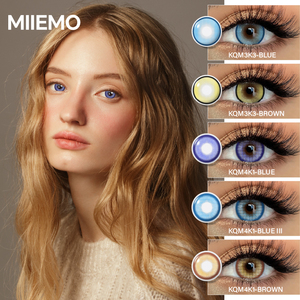
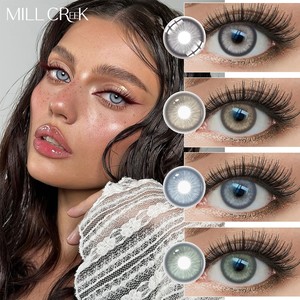
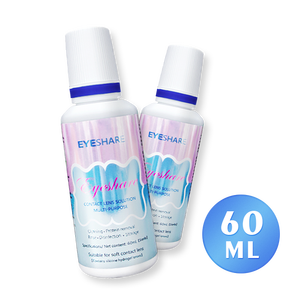
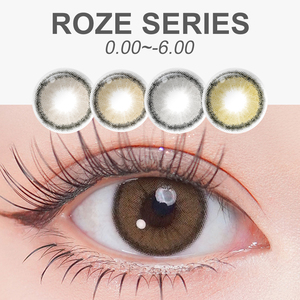
Executive Market Overview: The Strategic Evolution of Chinese Contact Lens Manufacturing
Analyzing the shift from standard contract manufacturing to high-precision optical engineering and global private label dominant supply chains.
Global Supply Chain Dynamics
The global contact lens market is experiencing an unprecedented structural shift. Historically dominated by traditional Western conglomerates, global procurement leaders, optical retail chains, and pharmacy conglomerates are increasingly turning to China's top contact lens manufacturers & suppliers for strategic partnerships. This transition is propelled by massive capital investments in high-automation cast-molding technologies, ultra-precise nano-lathe tooling, and proprietary polymer material science.
Modern Chinese contact lens factories no longer serve merely as low-cost contract assemblers. Instead, they function as full-scale innovation hubs capable of delivering medical-grade Class III medical devices that adhere strictly to EU CE MDR (Regulation EU 2017/745), US FDA 510(k) clearances, and ISO 13485 quality management frameworks.
Search Intent & Sourcing Drivers
For enterprise procurement officers, brand managers, and optical distributors, navigating the landscape of Chinese contact lens suppliers requires a sophisticated understanding of material physics, regulatory paperwork, and factory operational capabilities. Key procurement criteria have shifted from purely unit-cost evaluations toward holistic value-add metrics:
- Material Biocompatibility: Transition from 1st-generation HEMA to 3rd-generation Silicone Hydrogel polymers.
- Manufacturing Repeatability: Sub-micron dimensional tolerance across high-volume production lots.
- Turnkey OEM/ODM Packaging: Retail-ready primary blisters, secondary cartons, and multi-language compliant leaflets.
- Supply Chain Agility: Rapid prototyping of cosmetic color patterns combined with stable buffer stock management.
Material Science & Technological Innovations
A deep dive into polymer chemistry, optical design algorithms, and color encapsulation safety protocols.
Silicone Hydrogel (SiHy) Chemistry
Modern B2B sourcing favors Silicone Hydrogel due to its superior oxygen transmissibility (Dk/t > 120). By synthesizing fluorinated silicone monomers with hydrophilic hydrophilic vinyl monomers (such as NVP and HEMA), top Chinese vendors eliminate the trade-off between oxygen permeability and modulus flexibility, mitigating corneal hypoxia and end-of-day dryness.
3D Color Sandwich Technology
In cosmetic and colored contact lens manufacturing, safety is paramount. Leading manufacturers utilize automated micro-pad printing combined with Bio-Lock Sandwich Encapsulation. Color pigments are embedded securely between two transparent polymer layers, preventing direct dye contact with corneal epithelium cells.
Aspheric Aberration Control
To enhance visual acuity under low-light conditions, optical designs integrate computer-calculated front-surface aspheric optics. This neutralizes natural spherical aberrations of the human eye, sharpening contrast sensitivity and reducing halos for wearers across both sphere and multifocal corrections.
Comparative Technical Analysis: Lens Material Classification
| Technical Parameter | Standard HEMA (Group I/VIII) | Advanced Hydrogel (Group IV) | 3rd Gen Silicone Hydrogel |
|---|---|---|---|
| Oxygen Transmissibility (Dk/t) | 15 – 25 Fatt units | 28 – 35 Fatt units | 100 – 150 Fatt units |
| Water Content (%) | 38% – 42% | 55% – 58% | 45% – 48% (Optimal Balance) |
| Young's Modulus (Elasticity) | 0.3 – 0.4 MPa | 0.35 – 0.45 MPa | 0.5 – 0.7 MPa (High Handling Strength) |
| Surface Wetting Angle | ~65° (Requires wetting agents) | ~50° | < 35° (Plasma Grafted / PVP Locked) |
| Dehydration Rate | Moderate | High (Prone to late-day dryness) | Low (Extended Comfort) |
| Target Sourcing Application | Budget Cosmetic Lenses / Yearly | Daily Disposables / High Moisture | Premium Retail & Health Categories |
Global Procurement & Sourcing Trends (2025 – 2030)
Strategic foresight for category managers and retail buyers navigating shifting consumer behavior and regulatory frameworks.
1. The Unstoppable Rise of 1-Day Daily Disposables
Consumer hygiene consciousness and convenience preferences are accelerating the phase-out of traditional yearly or monthly replacement modalities in premium markets. Sourcing strategies are leaning heavily toward single-use daily disposables. For volume buyers, partnering with Chinese factories that operate ultra-high-speed blister packaging lines (producing upwards of 300 blisters per minute) guarantees lower per-unit amortized costs and reliable supply during peak retail cycles.
2. Hyper-Personalized & Natural-Iris Cosmetic Collections
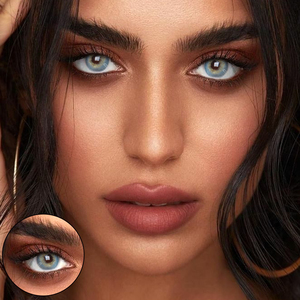
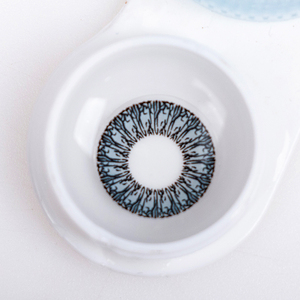
Cosmetic colored contact lenses are no longer restricted to costume or novelty markets; they have firmly embedded themselves into daily beauty regimens. Modern buyers demand multi-tone color depth (such as 3-in-1 iris blends, limbal ring highlights, and hazel/olive gradient undertones). Advanced Chinese manufacturers leverage computer-aided aesthetic modeling to roll out tailored seasonal shade palettes with minimal setup lead times.
3. Integrated Private Label Shelf Solutions
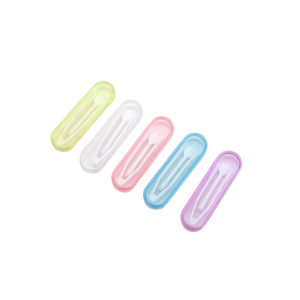
Major European and North American retail chains (pharmacies, drugstores, and supermarket grocers) are moving away from single-product vendors. The future belongs to single-source ecosystem suppliers. Enterprise buyers seek turnkey solutions combining contact lenses, lubricating eye drops (preservative-free hyaluronic acid formulas), multi-purpose cleaning solutions, and ergonomic silicone lens storage cases under a unified private brand identity.
4. Green Manufacturing & Sustainable Blister Packaging
Environmental sustainability is rapidly becoming a mandatory metric in corporate supplier audits. Leading Chinese contact lens manufacturers are investing in recyclable polypropylene blister cups, biodegradable outer carton board, and energy-efficient closed-loop water purification systems to help global brands meet their Scope 3 ESG carbon reduction targets.
Enterprise Infrastructure & Global Partner Network
Combining European quality control management with China's scale manufacturing efficiency.
Why Global Retail Leaders Partner With Us
Specializing exclusively in private label eye care solutions, our integrated enterprise platform bridges international buyer expectations with state-of-the-art Chinese production infrastructure. Whether managing pilot market testing or scaling national pharmacy roll-outs, our supply chain guarantees complete lot traceability, strict batch-to-batch consistency, and compliant packaging translated across multilingual markets.
Our OEM/ODM capabilities encompass every segment of the optical retail shelf: daily/monthly soft clear lenses, fashion cosmetic color collections, hyaluronic rewetting drops, peroxide cleaning systems, and specialized contact lens storage accessories.
Trusted by International Retail & Pharmacy Giants


Regulatory Compliance & Quality Audit Framework
Essential checklist for international compliance verification prior to contract execution.
Medical Device System Standard
Verify that the manufacturing facility holds certified ISO 13485:2016 quality management system credentials specific to soft contact lens design, casting, and sterilization.
Target Market Regulatory Approvals
Ensure destination market access with official Notified Body CE Certification under EU MDR, US FDA 510(k) premarket clearance numbers, or regional NMPA/PMDA registrations.
Sterilization & Biocompatibility
Audit steam autoclave validation records (ISO 17665), cytotoxicity assay reports (ISO 10993-5), ocular irritation studies, and real-time product shelf-life stability data.
Frequently Asked Questions (B2B Sourcing FAQ)
Direct technical and operational answers to common questions asked by international procurement teams.
Ready to Launch or Scale Your Private Label Eye Care Brand?
Connect directly with our engineering and procurement team for technical specifications, custom quotation schedules, and complimentary sample evaluation kits.
Inquire Now