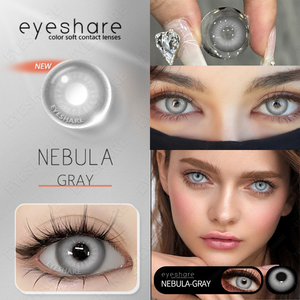
Multicolor Contact Lenses NEBULA 14.0mm 38% Water Yearly CE ISO13485
Inquire Now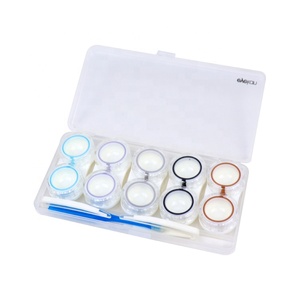
High-end Customization Transparent Green Plant Design ABS+PP Contact Lens Cases ISO13485 Certified Eyekan Brand Wholesale K1713
Inquire Now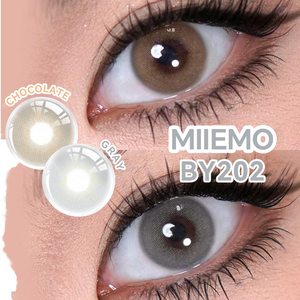
For MIEMO Natural Soft Colored Contact Lenses 14.2mm Diameter 8.6mm Base Curve 38% Water Content 2 Pieces Blister Pack Wholesale
Inquire Now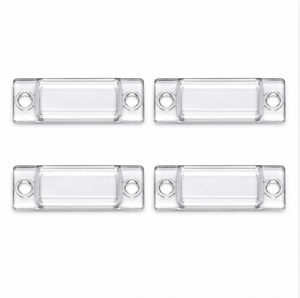
Transparent Cover Injection Mold Making Service, Custom Clear Lens Molds for Digital Device Panels and Instrument Displays
Inquire Now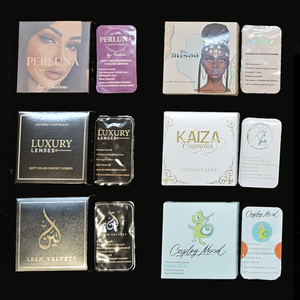
OEM ODM Factory Custom Color Contact Lens Private Label Contact Lenses Gift Case Packaging Box Private Label Logo Wholesale
Inquire Now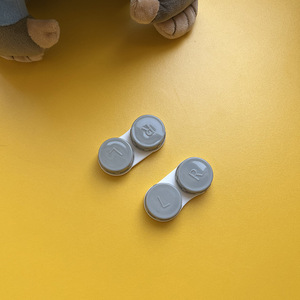
Gray ABS Plastic Small Exquisite Simple Style Color Contact Lenses Double Box Wholesale Manufacturer Direct Supply Model Wl-001
Inquire Now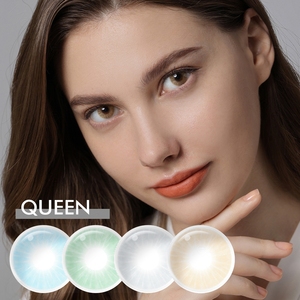
Magister Queen Colored Contact Lenses Natural Coloured Eye Contact Lens Pupilentes Lentes De Contacto De Colores Private Logo
Inquire Now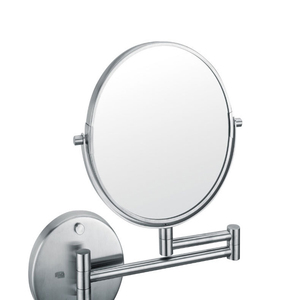
Bathroom Mirror Wholesale Round Stainless Steel Extendable Folding Double Sided 3X Magnifying Wall Mounted Vanity Modern
Inquire NowExecutive Industry Whitepaper: Medical-Grade Contact Lens Manufacturing in China
The global ophthalmic medical device ecosystem has undergone a structural transformation. Global distributors, optical retail chains, pharmacy groups (such as Watsons, Rossmann, Kruidvat, and Ahold Delhaize), and OEM brand owners are increasingly consolidating their supply chains with high-precision Chinese manufacturers. At the center of this industrial evolution is the requirement for stringent compliance under ISO 13485 certification—the definitive quality management system standard for medical devices.
Manufacturing contact lenses—classified as Class IIb medical devices under European Union CE MDR (2017/745) and Class II/III under US FDA & NMPA frameworks—requires an uncompromising synthesis of polymer chemistry, micromachining engineering, and aseptic filling protocols. Modern Chinese factories have transitioned from basic lathe-cutting methods to fully automated full-cast molding (Cast Molding) systems operating inside ISO Class 7 (Class 100,000) cleanroom environments. This shift delivers unmatched batch-to-batch repeatability, superior surface wetting, and optimized oxygen transmissibility ($Dk/t$).
Key Information Gain: Chemical Polymer Formulations & Oxygen Kinetics
Optimal corneal metabolism requires sustained oxygen flux. Traditional hydrogel formulations based on Polymacon (38% water content) or HEMA/NVP co-polymers (55% water content) rely on bound water molecules to transport oxygen. Advanced manufacturing paradigms now utilize Silicone Hydrogel (SiHy) macromers incorporating fluoro-silicone monomers, boosting oxygen transmissibility ($Dk/t$) from 15–25 barrier units up to 100+ $Dk/t$. This drastic increase prevents corneal hypoxia, limbal hyperemia, and corneal edema during extended wear schedules.
Enterprise Manufacturing Capabilities & OEM/ODM Excellence
As a leading OEM/ODM manufacturer headquartered in China’s high-tech optical manufacturing hubs, our production infrastructure is architected around complete vertical integration. From in-house optical tool making and precision injection molds to automated micro-pigment printing and terminal moist-heat autoclaving, our factory guarantees uncompromising quality at scale.
Sub-Micron Injection Tooling
Custom optical core molds crafted using diamond-turning single-point lathes, ensuring surface roughness ($Ra$) under 5 nanometers for zero corneal friction.
3D Color Sandwich Tech
Bio-compatible pigment encapsulation embedding color layers firmly between two hydrogel membranes, preventing direct contact with epithelial tissues.
100% Automated AOI Inspection
High-speed machine vision systems inspecting 100% of manufactured lenses for edge tears, peripheral bubbles, dimensional deviations, and power accuracy.
Comprehensive Product Lines & Technical Portfolio
Our ISO 13485 certified production catalog encompasses a comprehensive suite of vision correction products, cosmetic enhancement lenses, specialized injection molds, and care accessories engineered for global pharmacy and retail fulfillment:
| Product Line | Material Composition | Key Specifications | Sterilization & Packaging | Compliance Marks |
|---|---|---|---|---|
| NEBULA Series Cosmetic Lenses | HEMA + NVP Co-polymer (38% Water) | Dia: 14.0mm | BC: 8.6mm | Power: 0.00 to -8.00D | Sterile Foil Blister / Buffered Saline | CE 2460, ISO 13485, NMPA |
| MIEMO Natural Soft Series | Polymacon Non-Ionic Material | Dia: 14.2mm | BC: 8.6mm | Moisture Lock Coating | 2-Piece Blister Pack / Box | ISO 13485, CE MDR Compliant |
| Silicone Hydrogel Daily Disposable | Filcon V (SiHy) Dk/t 120 | Dia: 14.1mm | BC: 8.5mm / 8.7mm | UV Blocking | Single-Use Blisters (30-Pack Carton) | US FDA 510(k), CE, ISO 13485 |
| Eyekan ABS+PP Companion Cases | Medical-Grade ABS Case + PP Vials | Leak-proof silicone seal, non-toxic pigment | EO Sterilized / Individually Wrapped | ISO 13485 Registered, REACH |
| Precision Optical Injection Molds | Hardened Tool Steel (NAK80 / S136) | Tolerance < 0.002mm, High Gloss Polish | Antirust Oil Coating / Wooden Crate | ISO 9001 / ISO 13485 Tooling |
Strategic Procurement & Future Technology Trends (2025–2030)
Procurement officers and optical brand directors must align their purchasing strategies with emerging technological and regulatory shifts. Key developments reshaping the global contact lens manufacturing sector include:
1. The Rise of Daily Disposable Silicone Hydrogel
Consumer preferences are shifting away from monthly or yearly reusable lenses toward daily disposables due to superior ocular hygiene and zero maintenance requirements. Procurement teams are heavily investing in SiHy daily contracts to satisfy premium retail demand.
2. Bio-Inspired Surface Hydration Coatings
Modern wearers experience digital eye strain from prolonged screen use. Third-generation contact lenses incorporate biomimetic phosphorylcholine (PC) technology or hyaluronic acid (HA) embedded directly into the matrix to minimize tear evaporation.
3. Eco-Friendly Sustainable Packaging Formats
Leading European drugstore chains are demanding reduced plastic footprints. Global manufacturers are pioneering recyclable polypropylene blister trays, thinner seal foils, and FSC-certified paperboard secondary packaging.
Regulatory Compliance Matrix & Quality Audit Standards
Navigating international medical device regulations requires continuous compliance maintenance. Our manufacturing plant provides turnkey technical documentation packages (Technical Files, STED format) to accelerate product registration in target export territories:
- ISO 13485:2016 Certification: Audited and certified quality management system covering design, manufacturing, inspection, and lot traceability.
- EU MDR 2017/745 (CE Marking): Comprehensive clinical evaluation reports (CER), post-market surveillance (PMS), and Unique Device Identification (UDI) system compliance.
- ISO 10993 Biocompatibility: Rigorous testing verification for cytotoxicity, ocular irritation, sensitization, and systemic toxicity.
- ISO 11987 Ocular Stability: Shelf-life stability validation testing under accelerated and real-time environmental conditions.
Frequently Asked Questions (FAQ) for B2B Buyers & Distributors
What does ISO 13485 certification mean for a contact lens manufacturing facility?
What are your minimum order quantities (MOQs) for Private Label (OEM) colored contact lenses?
How do you ensure color safety and prevent pigment leakage on cosmetic contact lenses?
What regulatory export documents do you supply for custom private label orders?
What is the standard production lead time for customized contact lens packaging?
Can your factory handle custom precision injection mold design for optical accessories?
Partner with China's Premier ISO 13485 Contact Lens Factory
Whether you are expanding a retail pharmacy brand, launching a new cosmetic lens line, or procuring high-precision optical injection molds, our engineering and compliance teams are ready to support your product rollout.