Featured ODM/OEM Product Portfolio
Explore our top-tier CE & ISO 13485 certified colored contact lens formulations, precision diagnostic optics, and customizable private label packaging options engineered for international retail chains.
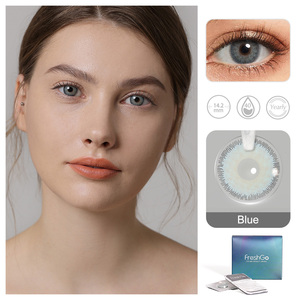
Freshgo Prescription Yearly Coloured Contact Lenses
Water Content: 38% - 42%
Power Range: 0.00 to -8.00D
Tech: 3-Layer Micro-Sandwich
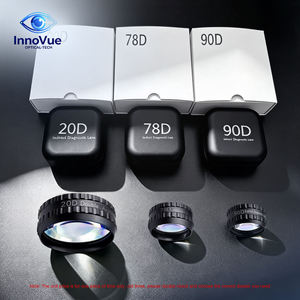
InnoVue Opto Ophthalmic Fundus Aspheric Lens 78D
Optics: Double Aspheric Glass
Magnification: High-Resolution 0.93x
Standard: Medical Grade CE Certified
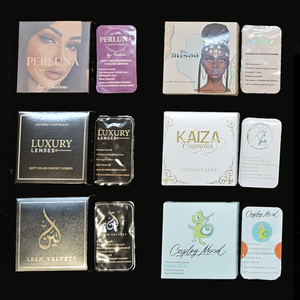
Custom Private Label Packaging & Gift Box Kits
Box Options: Rigid, Paperboard, Acrylic
Branding: Hot Stamping, UV Gloss, Embossing
MOQ: Low Batch Flexible Start
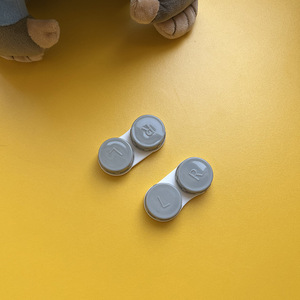
Model WL-001 Exquisite ABS Contact Lens Double Box
Accessories: Lens Case, Tweezers, Inserter
Feature: Leakproof & Compact Travel Kit
Colors: Custom Pantone Available
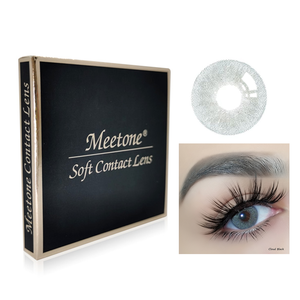
Meetone Cosmetic Color Lenses with Retail Box
Base Curve: 8.5mm - 8.6mm
Diameter: 14.0mm - 14.5mm
Packaging: Customized Retail Box
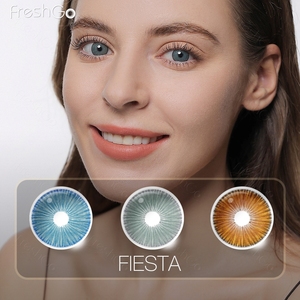
Freshgo New York Collection High-Opacity Lenses
Wear Cycle: Yearly / Monthly Disposable
Hydration: High-Comfort Hyaluronate
Safety: ISO 13485 Certified
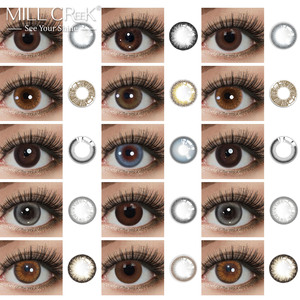
CE & ISO Certified 40% Water Content ODM Lenses
Water Content: 40% Optimal Hydration
Dk/t: Oxygen Transmissible Matrix
Supply: Factory Direct Enterprise B2B
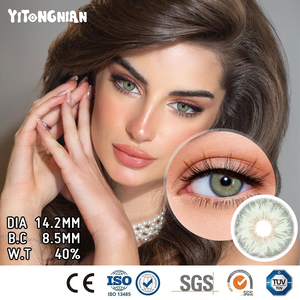
YITONGNIAN Siri Green & Dawn Brown Contact Lenses
Target Market: Beauty Retail & Drugstores
Comfort: Ultra-thin Edge Geometry
Customization: OEM Packaging Available
China's Premier Contact Lens Manufacturing Infrastructure
Empowering international vision brands, retail chains, and ophthalmic distributors with medical-grade manufacturing excellence and end-to-end supply chain reliability.
1. The Strategic Landscape of China's ODM Colored Contact Lens Manufacturing
The global market for cosmetic and optical colored contact lenses has undergone a profound paradigm shift over the past decade. No longer confined strictly to vision correction, colored contact lenses have evolved into a high-margin, fast-moving consumer health-and-beauty staple. International optometry retail chains, drugstores, and cross-border e-commerce brands are increasingly partnering with China’s top Original Design Manufacturers (ODM) to access cutting-edge polymer chemistry, automated cast-molding infrastructure, and compliance-ready product frameworks.
China has established itself as the world’s central hub for medical-grade contact lens production. By integrating advanced raw material synthesis with fully automated cleanroom assembly lines, leading Chinese manufacturers provide unparalleled cost efficiencies without sacrificing biological safety or optical precision. For global procurement officers and brand founders, understanding the operational maturity, technological capabilities, and regulatory compliance standards of Chinese ODM partners is critical to establishing a resilient supply chain.
The Shift from OEM Assembly to ODM Product Co-Creation
Historically, global optics sourcing relied on rigid OEM (Original Equipment Manufacturing) models where brands supplied strict technical blueprints. Today’s market demands rapid innovation, leading to the dominance of ODM (Original Design Manufacturing) partnerships. Top Chinese ODM exporters offer complete product lifecycles:
- Proprietary Photolithographic Color Patterning: Developing multi-tone iris graphics that simulate natural eye depth while maintaining consistent light transmission.
- Custom Hydrogel & Silicone Hydrogel Formulation: Engineering monomer matrices tailored for targeted hydration profiles (38% to 58% water content) and oxygen transmissibility levels (up to 120 Dk/t).
- Turnkey Global Regulatory Dossiers: Supplying pre-validated technical files for US FDA 510(k), EU Medical Device Regulation (MDR 2017/745), and Saudi SFDA clearance.
2. Technological Innovations in Color Lens Engineering
How advanced polymer synthesis, micro-encapsulation, and high-speed automated cast molding ensure ocular safety and visual clarity.
3-Layer Sandwich Technology
Micro-encapsulation embeds color pigments completely between two clear hydrogel layers. This ensures zero pigment contact with the cornea, preventing ocular staining or irritation while maintaining a glass-smooth surface friction coefficient.
Silicone Hydrogel (SiHy) Matrix
Our next-gen SiHy formulations combine high oxygen transmissibility (Dk/t) with low modulus flexibility. This prevents corneal hypoxia during extended wear while minimizing lipid and protein deposition on the lens surface.
Automated Cast Molding
Utilizing high-precision optical molds inside Class 10,000 cleanrooms guarantees an optical tolerance within ±0.01mm. Dual-sided cast molding creates smooth, feather-light edge profiles that eliminate lid sensation during blinks.
Biocompatible Hydration Fillers
Infusing hyaluronic acid (HA) and trehalose directly into the saline blister storage solution locks in moisture molecules, reducing tear evaporation rates and providing up to 16 hours of continuous wearing comfort.
Deep-Dive: Cast Molding vs. Lathe Cutting in Mass ODM Production
In high-volume B2B manufacturing, choosing the right production methodology determines both product consistency and unit cost economics. Leading Chinese ODM factories operate state-of-the-art dual-cast molding technology:
| Manufacturing Parameter | Automated Cast Molding (ODM Benchmark) | Traditional Lathe Cutting |
|---|---|---|
| Surface Smoothness | Ultra-smooth, mold-replicated surface; zero micro-abrasions. | Requires mechanical polishing; risk of microscopic lathe marks. |
| Edge Profile Uniformity | 100% consistent round-edge geometry via precision mold clamping. | Variability dependent on diamond tool wear and manual edge finishing. |
| Pigment Encapsulation | Integrated 3-layer sandwiching during polymer curing phase. | Surface printing or post-cure tinting with higher exposure risks. |
| Mass Production Capacity | Scalable to 500,000+ units daily per automated module. | Labor-intensive; limited daily output suited for custom prosthetic lenses. |
| Unit Cost Efficiency | Optimal economies of scale for mass-market B2B distribution. | High labor component resulting in elevated unit costs. |
3. Future Procurement Trends in Global Eye Care Sourcing
Sourcing directors and category managers must anticipate evolving consumer behavior and regulatory shifts when planning multi-year inventory cycles. Based on clinical studies, supply chain metrics, and retail sales telemetry, four macro trends are defining the future of color contact lens procurement:
1. The Rapid Dominance of Daily Disposable (1-Day) Cosmetic SKUs
While monthly and yearly disposable lenses maintain strong market share in price-sensitive regions, mature markets in North America, Europe, and East Asia are shifting decisively toward daily disposable formats. Consumers prioritize the hygiene and convenience of throwing away lenses at the end of the day, eliminating maintenance solutions and storage cases. From a retail perspective, 1-day colored lenses generate significantly higher Customer Lifetime Value (LTV) and repeat purchase rates, driving predictable subscription-based revenue for optical brands.
2. Hyper-Natural Aesthetic Design & Micro-Dot Pattern Printing
The era of harsh black limbal rings and flat color blocks has been replaced by demand for hyper-natural iris simulation. Next-generation ODM designs utilize sub-micron dot printing technology with up to six color layers. Patterns blend seamlessly with the wearer’s natural iris structure, creating translucent radial gradients, iris ring highlights, and subtle limbal softening. Manufacturers offering custom Pantone color matching based on localized demographic eye colors (e.g., high-opacity coverage for dark brown eyes versus subtle enhancement tints for lighter eyes) provide a major competitive advantage.
3. Sustainable Packaging & Eco-Conscious Blister Materials
Environmental compliance is rapidly becoming a mandatory sourcing requirement, particularly across the European Union. Procurement teams are demanding ODM suppliers adopt eco-friendly materials, such as bio-degradable polypropylene blister trays, reduced plastic foil lids, and 100% recyclable FSC-certified outer paper packaging printed with non-toxic soy inks. Streamlining package volumetric weight also directly reduces global carbon footprints and freight logistics costs.
4. Multifunctional Hybrid Lenses: Vision Health + Aesthetics
Modern consumers expect cosmetic contact lenses to deliver comprehensive ocular protection. Future-proof product lines incorporate integrated UV400 blocking (filtering over 95% of UVA and 99% of UVB rays), blue-light filtering monomers for digital screen users, and specialized spherical aberration correction optics to provide crisp, high-definition vision in low-light environments.
4. Enterprise Advantages of Sourcing with Top Chinese Manufacturers
Why leading pharmaceutical chains, drugstore conglomerates, and optical brands rely on our integrated OEM/ODM manufacturing infrastructure.
Full Regulatory Certification Suite
Our manufacturing facilities maintain strict compliance with ISO 13485:2016 quality management systems. Product lines carry European CE medical device certification, US FDA 510(k) clearances, and China NMPA Class III medical device manufacturing licenses, ensuring smooth customs processing worldwide.
Turnkey Private Label Customization
We provide comprehensive OEM/ODM services from initial concept sketches to shelf-ready stock. Our in-house design team crafts customized blister foils, retail gift boxes, multi-lingual instruction leaflets, and anti-counterfeiting security labels tailored to your market's legal requirements.
Rigorous Biological & Optical Quality Control
Every production lot undergoes stringent 100% automated optical vision inspection for edge defects, optical power accuracy, and color print alignment. Batches undergo rigorous Ethylene Oxide (EO) sterilization, bio-burden testing, and cytotoxicity evaluations per ISO 10993 standards.
End-to-End Supply Chain Traceability & Risk Mitigation
Supply chain security is non-negotiable for medical device buyers. Top Chinese ODM exporters implement enterprise ERP and MES (Manufacturing Execution Systems) that track raw material lot numbers, monomer polymerization batches, sterilization parameters, and final box serial numbers. This total lot traceability guarantees that in the rare event of a regulatory query or quality audit, complete manufacturing historical data is available within minutes.
5. Frequently Asked Questions for B2B Sourcing Managers
Clear, authoritative answers to the most critical technical, legal, and operational questions asked by global optical buyers.
Q1: What is the difference between OEM and ODM colored contact lens manufacturing?
OEM (Original Equipment Manufacturing) involves manufacturing contact lenses according to exact customer-supplied specifications, molds, and formulations. ODM (Original Design Manufacturing) offers complete turnkey solutions, where the factory provides pre-formulated hydrogel/silicone hydrogel materials, patented 3-layer color graphic designs, verified packaging templates, and existing regulatory dossiers. ODM allows retail brands to launch custom-branded color contact lens lines rapidly without incurring heavy R&D or clinical trial costs.
Q2: How does your factory ensure pigment safety and zero color leaching?
Safety is paramount in contact lens manufacturing. We utilize proprietary 3-layer Sandwich Micro-Encapsulation Technology. The organic color pigments are printed and thermally locked between an inner and outer layer of clear, biocompatible hydrogel monomer. As a result, the color pigments never come into direct contact with the wearer's cornea or conjunctiva, completely eliminating color leaching, pigment toxicity, or abrasive friction risks.
Q3: What certifications are provided for international customs clearance and local medical device registration?
Our manufacturing facilities operate under ISO 13485:2016 certified Quality Management Systems. Products are backed by CE Certificates (under Medical Device Directives and MDR standards), US FDA 510(k) clearances, Free Sale Certificates (FSC), Certificates of Analysis (CoA), and complete technical documentation (STED) required for local health ministry registration across Europe, the Middle East, Southeast Asia, and Latin America.
Q4: What are the typical Minimum Order Quantities (MOQs) and lead times for custom private label orders?
Minimum order quantities depend on the level of customization. For stock shade collections with custom private label packaging, initial pilot MOQs typically start at 500 to 1,000 pairs per SKU. For fully custom color pattern creation and bespoke monomer formulations, MOQs generally start at 10,000 pairs. Standard manufacturing lead times range from 25 to 35 days post-packaging artwork approval, with expedited sample creation available in 10 to 14 days.
Q5: Can you match specific brand color palettes or create custom iris shade patterns?
Yes. Our optical design lab utilizes advanced spectrophotometry and digital photolithography to match exact Pantone or RGB color references. Whether you require subtle natural enhancement lenses, vivid cosplay shade palettes, or high-coverage designs optimized for dark brown eyes, our team can develop proprietary sample prototypes for physical verification prior to mass production.
Q6: What stability and shelf-life testing is conducted on packaged lenses?
All packaged blister products undergo real-time and accelerated aging stability studies per ISO 11987 standards. Lenses maintain a validated shelf life of 5 years from the date of Ethylene Oxide (EO) or steam autoclave sterilization when stored in sealed, undamaged blister packages.
Partner with China's Premier ODM Contact Lens Factory
Elevate your optical product portfolio with certified medical-grade colored contact lenses, custom private label packaging, and competitive direct-from-factory pricing. Contact our OEM/ODM specialist team today to request free product samples, technical documentation, or a customized production quote.