100K
Class 100,000 Cleanroom
99.8%
AOI Pass Rate
50+
Global Export Markets
15M+
Monthly Blister Capacity
Featured Wholesale Product Catalog
Precision-engineered cosmetic, prescription, and private label contact lenses manufactured under strict international quality standards.
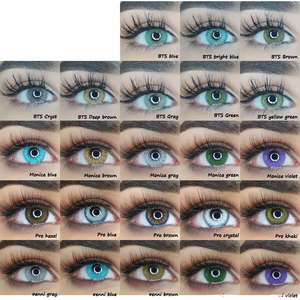
Wholesale Beauty Color Contact Lenses for Dark Eyes Soft Color Contact Lens Natural Colored Contacts
Get a Quote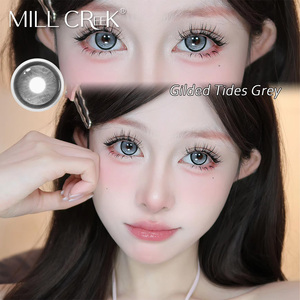
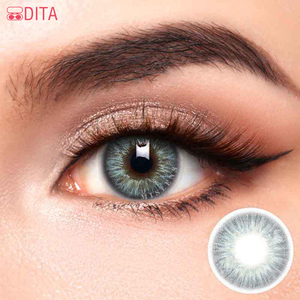
Haipurecon Factory Direct Wholesale Grey Sky Blue Color Contact Lenses Natural Multi Colors New Style Bulk Order Low MOQ
Get a Quote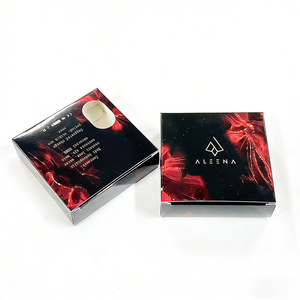
Hot Sale Low MOQ Factory-customized Digital Printing Gold Foil UV Coating Colored Contact Lens
Get a Quote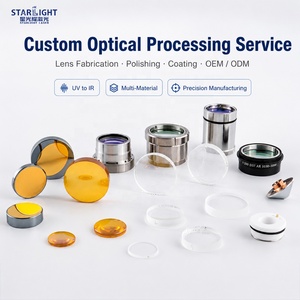
Custom Optical Components Manufacturing / Precision Optical Processing / Optical Coating Service
Get a Quote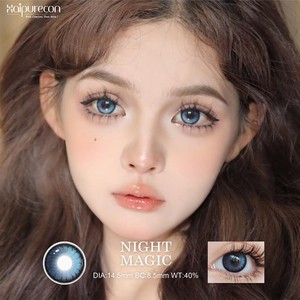
Haipurecon High Quality Soft Contact Lenses Natural Colored Cosmetic Eye Lenses De Contacto Color
Get a Quote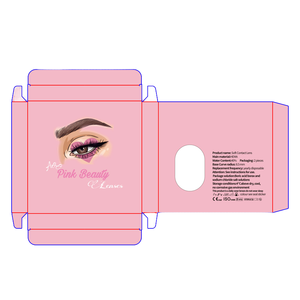
Eyeshare Custom Recyclable Glossy Lamination Self Erecting Oblong Ivory Board Contact Lens Packaging Box with Logo Options
Get a Quote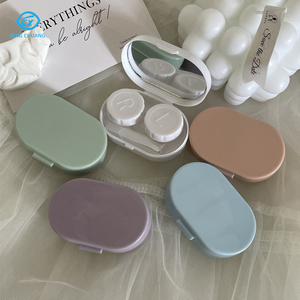
Factory OEM ODM Lenses Contact case Support Custom Contact Lensess case Travel Kit Candy Colors Contact Lens case
Get a QuoteExecutive Summary: Global Color Contact Lens Market Landscape
The global color contact lens market is undergoing a structural evolution, shifting from purely vision-corrective devices to high-margin optical cosmetics and bio-compatible healthcare products.
According to current ophthalmic supply chain market intelligence, the global cosmetic contact lens sector is projected to expand at a Compound Annual Growth Rate (CAGR) of 8.7%, exceeding USD 4.2 billion by 2030. Key growth catalysts include the convergence of beauty and personal care (the "optical cosmetic" phenomenon), increased adoption of daily disposable formats, and rapid technological developments in China's high-precision manufacturing centers.
For international buyers, optical chain store procurement directors, and cosmetic brand developers, sourcing from an established China wholesale colored contact lens manufacturer offers unmatched cost efficiency, scale, and rapid production cycles. However, navigating regulatory hurdles, material selection, and micro-layer pigment encapsulation requires a deep technical understanding of modern ophthalmic manufacturing.
Core Industry Shift: Modern procurement strategy has shifted from basic price-per-unit negotiation to holistic compliance evaluation, focus on oxygen transmissibility ($Dk/t$ values), zero-pigment-migration technology guarantees, and agile private-label supply chain integration.
Engineering & Manufacturing Technological Excellence
Ophthalmic contact lenses are categorized as Class III Medical Devices in most regulatory jurisdictions (including US FDA, EU MDR, and China NMPA). Manufacturing high-quality colored contact lenses requires strict precision, biocompatibility, and optical clarity. China's leading OEM/ODM facilities utilize state-of-the-art polymer chemistry and automated cast-molding techniques to ensure batch-to-batch consistency.
Sandwich Color Encapsulation
Unlike low-grade color lenses where pigments are surface-printed, medical-grade manufacturing utilizes Sandwich Micro-Encapsulation Technology. The non-toxic bio-pigment layer is fully embedded between two ultra-thin layers of hydrogel material (PolyHEMA), preventing any direct pigment contact with the cornea or conjunctiva.
Full Automatic Cast Molding
High-speed, fully automated cast-molding lines eliminate human error during polymer curing. Liquid monomer (PolyHEMA or Silicone Hydrogel) is injected into precision optical molds, cured under UV radiation, and demolded seamlessly, achieving smooth edge profiles for superior tear fluid exchange.
AOI Quality Control Inspection
Every single blister pack undergoes 100% Automated Optical Inspection (AOI). Ultra-high-resolution vision cameras instantly screen for edge tears, micro-bubbles, optical axis misalignment, pigment dots, and foreign particulate matter, ensuring a 99.8%+ yield quality before secondary packaging.
Material Science Matrix: PolyHEMA vs. Silicone Hydrogel
Choosing the correct raw material substrate is crucial for targeted market positioning. The table below outlines the core technical specifications comparing conventional hydrogels with next-generation silicone hydrogels:
| Material Parameter | PolyHEMA (Polymacon / 2-HEMA) | Silicone Hydrogel (SiHy Formulations) |
|---|---|---|
| Oxygen Permeability ($Dk/t$) | 15 - 25 $Dk/t$ (Suitable for daily / daily wear) | 80 - 130+ $Dk/t$ (Extended wear & ultra-comfort) |
| Water Content (WC%) | 38% - 55% (High moisture retention) | 33% - 48% (Low dehydration rates) |
| Modulus (Flexibility) | 0.3 - 0.5 MPa (Ultra-soft, quick adaptation) | 0.6 - 0.9 MPa (Better structural memory & handling) |
| Pigment Adhesion Stability | Excellent with thermal sandwich curing | Requires specialized plasma surface treatment |
| Cost Positioning | Highly competitive for mass retail & fast-fashion | Premium optical market & high-margin pharmacy chains |
Enterprise Competency: OEM, ODM & Private Label Services
kyralens Technology Co., Ltd. and associated manufacturing partners offer full-service private label solutions engineered specifically for global pharmacy chains, beauty retailers, and e-commerce brand owners.
1. End-to-End Regulatory Support
Navigating global healthcare compliance is effortless with our comprehensive documentation packages. We provide technical files, ISO 13485:2016 certification, CE 2797 compliance certificates, FDA 510(k) reference data, and full lot traceability for seamless customs registration in Europe, the Middle East, North America, and Asia.
2. Customized Pattern & Iris Design
Our optical design laboratory offers custom iris patterns, including 1-tone natural enhancement, 2-tone blending, 3-tone exotic hues, cosplay FX patterns, and luxury digital foil/metallic printing. We translate trend forecasts into market-ready color collections tailored to dark or light natural eye colors.
3. Complete Packaging Ecosystem
From primary blister packaging (buffered saline, hyaluronic acid moisture-enhanced solution) to secondary eco-friendly FSC-certified ivory board cartons, custom travel kits, and solution care bottles—we deliver complete retail-ready shelf displays aligned with your brand identity.
Future Procurement Trends & Industry Innovations
As the international eye care sector matures, B2B procurement strategies are pivoting toward four primary technological and commercial trends:
1. Ophthalmic Health & UV Protection
Modern consumers demand more than just aesthetic color transformation. Next-generation colored contact lenses are formulated with built-in UV Class 1 and Class 2 blocking agents (absorbing >90% UVA and >99% UVB) as well as anti-blue-light filters to protect eyes during prolonged digital screen use.
2. Hyaluronic Acid (HA) Infused Saline
To combat dry-eye syndrome, leading Chinese manufacturers are replacing traditional saline in blister packaging with bio-compatible Sodium Hyaluronate (HA) and Trehalose conditioning agents. This creates a cushion of moisture around the lens surface, providing immediate end-of-day comfort.
3. Low-MOQ Agile OEM Supply Chains
With fashion and cosmetic trends evolving rapidly via social media channels, brands require agile inventory models. Smart factories in China now support low Minimum Order Quantities (MOQs) for custom artwork and trial runs, enabling rapid market testing before large-scale mass rollouts.
B2B Buyer's Guide: Factory Verification & Quality Audit Protocols
When selecting a wholesale contact lens manufacturer in China, procurement teams must execute rigorous vendor audits. Below is our recommended verification framework for international buyers:
| Audit Category | Key Evaluation Criteria | Verification Standard |
|---|---|---|
| Facility Cleanliness | Airborne particle control, differential pressure, HEPA filtration | Class 100,000 Cleanroom (ISO 14644-1 Class 8) |
| Quality System | Medical Device Quality Management System compliance | ISO 13485:2016 Certification |
| Biocompatibility | Cytotoxicity, ocular irritation, systemic toxicity, sensitization | ISO 10993 Series Biological Evaluation Reports |
| Sterilization Validation | Moist heat / Steam sterilization parameters & bioburden testing | ISO 17665 Terminal Sterilization Compliance |
| Traceability | Raw monomer batch logs, foil sealing integrity, lot tracking | UDI (Unique Device Identification) Systems |
Procurement & Technical FAQ
Expert answers to common questions asked by international buyers, opticians, and brand owners.
What is private label eye care and how does the OEM process work?
Private label eye care allows retailers, optical store chains, and beauty brands to sell high-quality contact lenses, lubricating eye drops, and contact lens accessories under their own brand identity. The OEM manufacturer handles raw material sourcing, optical molding, pigment encapsulation, sterile blister packaging, quality assurance, and regulatory documentation. This turnkey process enables high profit margins without requiring costly manufacturing infrastructure.
Which contact lens products and accessories can be customized under my label?
Our OEM/ODM capabilities cover daily disposables, 2-week disposables, monthly replacement lenses, cosmetic colored lenses (with or without vision correction powers from 0.00D to -10.00D), specialty gold foil / UV reactive lenses, multi-purpose contact lens disinfectant solutions, preservative-free lubricating eye drops, custom contact lens storage cases, and travel kits.
How do China contact lens factories guarantee pigment safety and bio-compatibility?
Leading manufacturers utilize proprietary Sandwich Encapsulation Technology. FDA-approved, non-toxic bio-pigments are enclosed within the internal polymer layers of the lens. The color pigments never come into direct contact with corneal tissues or eyelid membranes. Furthermore, all materials undergo ISO 10993 cytotoxicity and ocular irritation safety testing prior to commercial release.
What regulatory documentation is provided for customs clearance and regional registration?
Every shipment is supported by a comprehensive regulatory technical file. This includes ISO 13485:2016 QMS certificates, CE Declarations of Conformity, Free Sales Certificates (FSC), Certificate of Analysis (CoA) per lot, Sterilization Certificates, and detailed artwork labelling compliance reviews according to target market requirements (EU MDR, US FDA, Saudi SFDA, etc.).
What are the minimum order quantities (MOQs) and lead times for OEM private label orders?
MOQs vary depending on product specs and customization depth. Standard bulk catalog orders start as low as 50–100 pairs per SKU for existing designs. Customized private-label packaging and bespoke iris patterns typically require 1,000 to 5,000 blisters per color SKU. Mass production lead time is usually 25 to 40 days following artwork approval and deposit confirmation.
How do I select the proper Base Curve (BC) and Water Content for my target market?
A standard Base Curve of 8.5mm to 8.6mm combined with a Diameter (DIA) of 14.0mm to 14.5mm covers approximately 95% of human corneal topographies worldwide. Water content ranging between 38% and 42% is recommended for dry climates and long workdays because it reduces lens dehydration, whereas higher water content (55%+) provides high immediate softness for casual daily wear.
Build Your Premium Private Label Contact Lens Brand
Partner with an industry-leading China wholesale color contact lens manufacturer. Request instant pricing, product samples, custom packaging mockups, and regulatory compliance dossiers today.
Get a Quote