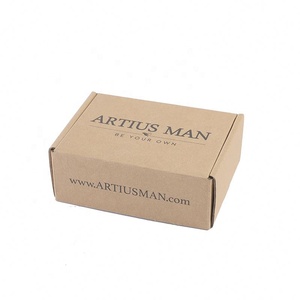
OEM / ODM Product Showcase
Factory-Direct Custom Contact Lens Packaging Solutions
High-precision blister packs, custom color box packaging, and certified contact lens systems tailored for international optical distributors and beauty retail brands.
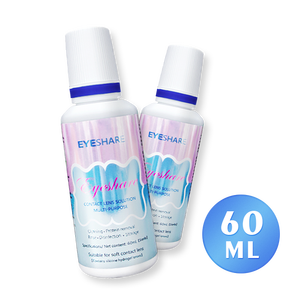
Eyeshare OEM ODM Yearly Beauty Circle Color Soft Contact Lenses Prescription Cosmetics Eye Care 1 Pair Solution

Private Label Customized Brand Color Contact Lenses Factory Wholesale Fashion Natural Blue Soft Eye Colored Lens Contact
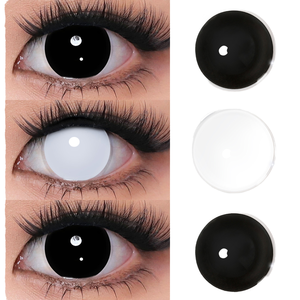
MIIEMO Halloween Crazy Soft Contact Lenses Cosplay Colored Eye Contacts 49 Models
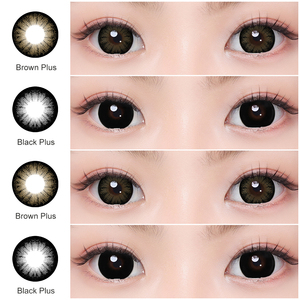
YITONGNIAN Natural Brown Colored Contact Lenses Wholesale, OEM/ODM Korean Style Soft Lentes De Contacto for Beauty & Optical
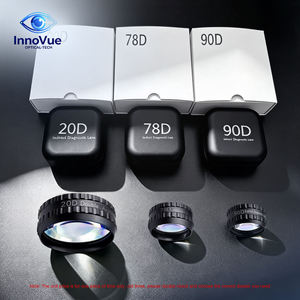
InnoVue Opto Ophthalmic Fundus Contact Lens Aspheric Lens 78D

YITONGNIAN Cosplay Contact Lenses Special Effects Whiteout Blackout Wholesale Bulk OEM Custom Factory
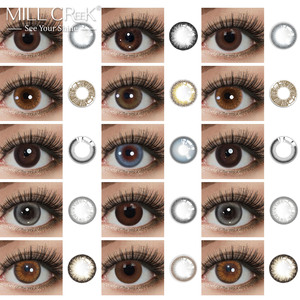
CE & ISO 13485 Certified 40% Water Content Colored Contact Lenses | OEM/ODM Factory Direct for Global Vision Brands
Technical Whitepaper: Precision Engineering in Contact Lens Packaging Manufacturing
In the global vision care industry, primary and secondary packaging for contact lenses is far more than an aesthetic shell; it is an engineered Class II/Class III medical device containment system. China has established itself as the world’s leading hub for wholesale custom contact lens packaging, providing sophisticated thermoforming blister solutions, ultrasonic foil sealing, and sustainable outer carton box packaging. At kyralens Technology Co., Ltd., we fuse high-capacity automated production with stringent European and North American regulatory compliance to safeguard lens hydrated stability, sterility, and brand impact.
Core Procurement Insight: The integrity of contact lens blister packaging directly dictates the shelf-life and osmolality balance of soft hydrogel and silicone hydrogel lenses. Sourcing from certified Chinese manufacturers guarantees medical-grade Polypropylene (PP) resins, precise heat-seal lacquer thickness, and zero-leakage aluminum foil lids.
1. Primary Packaging Components: Thermoformed Blister Packs & Foil Lidstocks
The primary barrier system consists of a medical-grade thermoformed blister bowl and a high-barrier foil lamination lidstock. During the manufacturing process, automated cleanroom thermoforming machinery shapes Polypropylene (PP) cups to tight dimensional tolerances, ensuring zero micro-fissures or stress-whitening that could compromise seal integrity.
- Polypropylene (PP) Blister Cups: High-transparency, autoclave-resistant (121°C thermal cycle) medical PP polymers engineered to resist deformation under pressure changes during air cargo transit.
- Multi-Layer Aluminum Foil Lids: Laminated aluminum foil (typically 20-30 microns) coated with specialized heat-sealable lacquer (FDA/CE approved) that bonds permanently with the PP blister flange.
- Buffer Saline Preservation: Packaging lines feature micro-dosing pumps that inject exact volumes of buffered saline solution (pH 7.2–7.4, matching human tear film osmolality of 290–310 mOsm/kg).
- Peel Strength Calibration: Precision-calibrated heat sealing ensures a uniform peel force (typically between 3.5N to 6.5N), enabling effortless consumer opening without solution spillage or foil shredding.
2. Secondary & Tertiary Packaging: Custom Printed Retail Cartons & Master Shippers
Secondary packaging serves dual functions: regulatory compliance disclosure (UDI codes, batch numbers, expiry dates, diopter specifications) and high-impact visual merchandising. Designed for high-end optical boutiques, drugstore chains (such as Watsons, Rossmann, and Kruidvat), and e-commerce platforms, customized paperboard packaging provides crucial brand differentiation.
- FSC-Certified Premium Cardstock: 300gsm–400gsm SBS (Solid Bleached Sulfate) or Kraft paperboard engineered for structural compression strength during international freight.
- Advanced Surface Finishing: Soft-touch tactile matte lamination, spot UV coatings, holographic cold foil stamping, and anti-scratch gloss finishes that elevate consumer unboxing experiences.
- Tamper-Evident Security Seals: Integrated tear strips and security void stickers guaranteeing product authenticity and compliance with global pharmacy standards.
- Automated Die-Cutting & Structural Folding: Custom structural inserts designed to hold 1-pair, 5-pair, 10-pack, or 30-pack daily disposables securely without internal shift.
Why Partner With Us
Enterprise Capabilities & OEM/ODM Manufacturing Excellence
From conceptual design and regulatory dossier compilation to high-speed cleanroom blister filling, our infrastructure delivers end-to-end supply chain reliability.
ISO 13485 & CE Certified
Full international regulatory compliance. Manufacturing operates under ISO 13485 quality management systems, providing complete lot traceability, CE declarations of conformity, and FDA medical device listings.
Custom Design & Rapid Prototyping
In-house structural and graphic engineering teams capable of delivering 3D packaging renders, physical mockups, and custom blister mold tooling within 7–10 business days.
Class 100,000 Cleanroom Filling
State-of-the-art automated optical inspection (AOI) machines and HEPA-filtered cleanroom environments ensure zero dust contamination and 100% blister seal defect detection.
Trusted Supply Partner For International Retailers & Pharmacy Chains
Watsons
Rossmann
Kruidvat
Trekpleister
Ahold Delhaize
Albert Heijn
Etos
Nahdi Pharmacy
GMG Group
REWE
Migros
Global Sourcing Trends & Future Development in Contact Lens Packaging (2025–2030)
As consumer preferences, environmental regulations, and ecommerce dynamics evolve, China’s wholesale contact lens packaging manufacturers are pioneering new technological frontiers. Procurement managers and brand owners must adapt to four critical structural shifts in packaging development over the coming decade.
1. Eco-Friendly & Sustainable Materials (Green Packaging)
European Union directives on single-use plastics and packaging waste (PPWR) are forcing a paradigm shift away from non-recyclable complex laminates. Modern Chinese factories are investing heavily in mono-material PP blister structures and bio-based plastics. Furthermore, outer secondary packaging is rapidly migrating toward 100% recycled post-consumer waste (PCW) paperboards printed exclusively with non-toxic, soy-based inks.
2. Smart Anti-Counterfeiting & GS1 Digital Link Integration
With cosmetic and prescription color contact lenses expanding rapidly across social commerce platforms (TikTok Shop, Instagram, Amazon), counterfeit protection has become vital. Emerging packaging trends include serialized QR codes based on GS1 Digital Link standards, tamper-evident micro-holograms, and NFC-enabled smart cartons that allow consumers to verify batch authenticity via smartphone scans.
3. Korean & Japanese Aesthetic Trends for Beauty Contact Lenses
Cosmetic lenses (circle lenses, natural brown/blue tint lenses, Halloween cosplay contacts) represent the fastest-growing sector in vision care packaging. Packaging design has shifted from rigid clinical medical boxes to luxury cosmetic-grade packaging. Korean-style minimalism, soft pastel palettes, tactile embossing, metallic foil stamping, and compact travel-friendly sliding drawer boxes are dominating current global market orders.
4. Strict Global Regulatory Harmonization & Traceability
Regulatory bodies including the US FDA, EU MDR (Medical Device Regulation 2017/745), and Saudi SFDA now demand strict Unique Device Identification (UDI) compliance on both primary blister foil and secondary box labels. Sourcing partners must deliver pre-validated packaging lines capable of printing high-resolution 2D DataMatrix barcodes that survive steam sterilization without degradation.
Procurement Guidance
Frequently Asked Questions (FAQ) for B2B Buyers
Answers to common technical, regulatory, and logistics queries encountered by procurement officers when sourcing wholesale contact lens packaging from China.
Q1: What is the standard Minimum Order Quantity (MOQ) for custom contact lens packaging?
For custom printed secondary paper boxes, typical MOQs start at 3,000 to 5,000 units per SKU. For custom thermoformed blister cups and specialized aluminum foil lidstock printing, MOQs generally range from 10,000 to 30,000 blister units due to high-speed automated cleanroom print runs and foil cylinder setup costs.
Q2: How do Chinese factories ensure the saline buffer and blister seals remain sterile?
Blister packaging undergoes terminal steam sterilization (autoclave treatment at 121°C for 20–30 minutes) post-sealing. Facilities utilize medical-grade Polypropylene (PP) and high-barrier peelable foil that maintain 100% seal integrity without micro-leakage, ensuring a certified 5-year sterile shelf life.
Q3: Can you provide full OEM/ODM private label packaging customization?
Yes. We provide complete OEM/ODM solutions—including custom blister bowl geometries, foil lid graphic design, box structural engineering, multi-language leaflet printing, outer master carton configuration, and full regulatory labeling compliance tailored to your target country.
Q4: What regulatory documentation is included with packaging orders?
Every production batch includes full Quality Assurance (QA) dossiers: Certificate of Analysis (CoA), Material Safety Data Sheets (MSDS), Bio-compatibility Test Reports (ISO 10993), Sterility Validation Reports, and CE / ISO 13485 compliance certificates required for customs clearance and medical device audits.
Q5: What is the typical lead time from prototype approval to final shipment?
Sample prototyping and structural box proofing typically require 5 to 7 business days. Once artwork and technical specs are approved, mass production and cleanroom blister assembly take 15 to 25 days depending on order volume and custom finishing complexity.
Q6: Are your packaging materials compatible with automated high-speed packing lines?
Absolutely. Our blister bowls and paperboard boxes are engineered to standard global pitch dimensions, ensuring seamless compatibility with high-speed automated cartoners, pick-and-place robotics, and secondary shrink-wrapping equipment.
Ready to Scale Your Vision Care Brand?
Connect with our senior OEM packaging engineers today. Get a customized quote, request free physical sample kits, or schedule a virtual factory audit.