Turnkey Contact Lens Catalog & Private Label Packages
Explore our medical-grade soft cosmetic contact lenses, rigid gas permeable (RGP) care systems, and custom packaging solutions designed for global optical brands, distributors, and pharmacy chains.
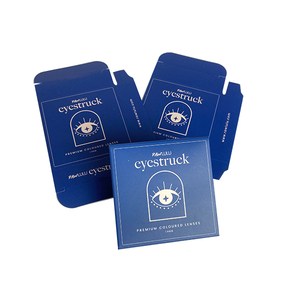
Free Design Soft Contact Lenses Packaging Low MOQ Wholesale Lentes De Contacto
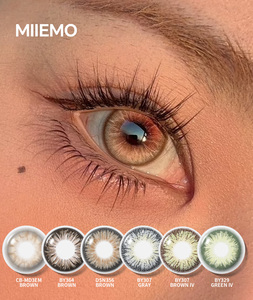
MIIEMO Creek Siri2.0 Wholesale Hot Selling China High-Quality Soft Colored Lenses
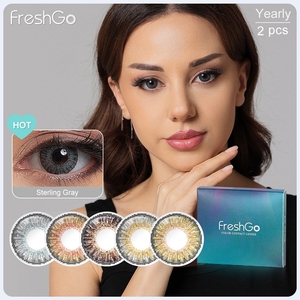
Cheap Colored Contacts 3 Tone Wholesale Lenses Eye Contact Lentilles
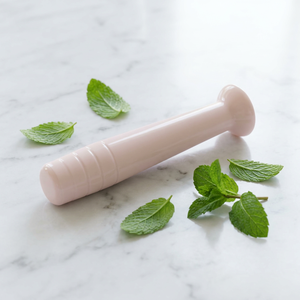
High Suction Solid Color RGP Contact Lens Inserter Kits & Suction Rods
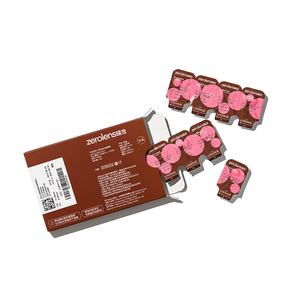
Custom Design Cardboard Soft Contact Lens Packaging Box for Cosmetic Brands
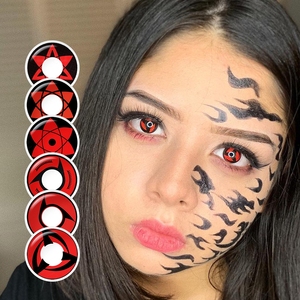
Anime & Cosplay Colored Contact Lenses Halloween Eye Lens Wholesale
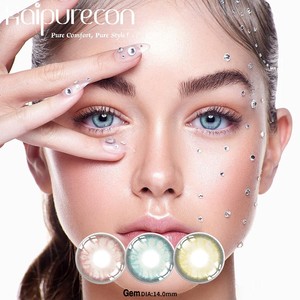
14.0mm Soft HEMA Cosmetic Natural Contact Lenses OEM ODM Bulk Factory
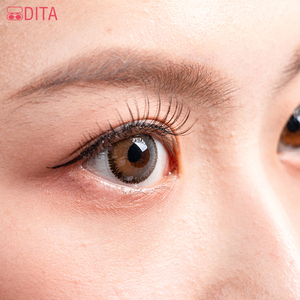
Private Label Yearly Cosmetic Soft Lenses Natural Brown Color Contact Lens
China Wholesale & Manufacturing Ecosystem: Launching a Competitive Contact Lens Brand
The global vision care market is experiencing an unprecedented structural transformation. Driven by expanding e-commerce channels, heightened demand for aesthetic eye-enhancement products, and technological breakthroughs in polymer chemistry, private-label contact lens brands represent one of the highest-margin sectors within optical retail. For procurement directors, pharmacy chain buyers, and digital brand creators, contracting directly with qualified Chinese contact lens factories is no longer merely a cost-reduction exercise—it is a strategic imperative for rapid innovation, regulatory agility, and long-term business scalability.
Section 1: B2B Sourcing & Procurement Trends (2025–2030)
Understanding market shifts is paramount for optical buyers when establishing long-term contract manufacturing partnerships. The next decade will be defined by four key global procurement trends:
1. Transition to High Dk/t Silicone Hydrogels
While conventional HEMA (Hydroxyethyl methacrylate) hydrogels dominate entry-level cosmetic categories, global buyer demand is heavily pivoting toward Silicone Hydrogel (SiHy). SiHy matrix formulations allow 4 to 5 times more oxygen transmission to the cornea, mitigating hypoxic risks during extended wear and enabling brands to capture premium medical and daily-disposable market segments.
2. Hybrid Cosmetic & Corrective Assortments
The boundary between corrective ophthalmic devices and cosmetic beauty products has vanished. Consumers now demand high-definition visual correction (-0.50 to -10.00 Diopters) combined with sophisticated multi-tone color graphics. Sourcing factories capable of simultaneously casting custom optical power and precise micro-pigmentation is mandatory for brand success.
3. Low-MOQ Flexible Supply Chains
Modern e-commerce and direct-to-consumer (DTC) brands cannot commit to historic factory minimums of 50,000 units per SKU. Leading Chinese manufacturers now leverage agile automated lines, enabling private-label clients to launch initial market trials with MOQs as low as 1,000 to 3,000 pieces per shade/power combination.
Section 2: Material Science & Polymer Innovation Trends
In optical manufacturing, performance is dictated by polymer mechanics. Soft contact lenses are sophisticated cross-linked hydrophilic networks. To optimize end-user comfort, tear-film stability, and safety, factories implement continuous material breakthroughs:
| Polymer Category | Oxygen Permeability (Dk/t) | Water Content % | Modulus (Stiffness) | Primary Commercial Application |
|---|---|---|---|---|
| Standard HEMA (Polymacon) | 15 - 25 | 38% - 42% | Low (Soft & Flexible) | Cost-Effective Cosmetic Lenses, Annual Lenses |
| High-Water Hydrogel (Etafilcon A) | 28 - 35 | 55% - 58% | Very Low (Ultra Comfort) | Daily Disposable Clear & 1-Day Color Lenses |
| 3rd-Gen Silicone Hydrogel | 80 - 130 | 45% - 48% | Balanced / Resilient | Premium Health Lenses, Extended Wear, Dry-Eye Fit |
| MPC Biomimetic Polymer | 35 - 45 | 50% - 54% | Ultra Low (Hydration Lock) | Sensitive Eyes, Anti-Protein Deposit Formulation |
Sandwich Printing Technology (Bio-Color Encapsulation)
Safety is the ultimate indicator of factory competence in cosmetic contact lens manufacturing. Inferior color lenses apply dye directly onto the lens surface, leading to potential pigment leaching, surface roughness, and corneal abrasion. Leading Chinese exporters utilize proprietary 3-Layer Sandwich Technology:
- Base Clear Layer: A biocompatible hydrophilic polymer layer that sits directly against the ocular surface.
- Encapsulated Pigment Core: FDA-approved organic micro-pigments printed within the hydrogel matrix.
- Top Protective Shield: A completely smooth exterior layer locking pigment inward, guaranteeing zero dye-to-eye contact and preserving natural tear flow.
Section 3: Strategic Blueprint: Launching Your Contact Lens Brand
Building a private label vision brand requires a disciplined, regulatory-compliant execution framework. Below is the step-by-step roadmap implemented by top-tier importers and factory partners:
Category Positioning & Parameter Matrix Definition
Determine target wear schedule (Daily, Monthly, Yearly) and functional niche (Natural Beauty, Cosplay/Special Effects, Prescriptive Clear, High-Dk SiHy). Finalize key parameters: Diameter (14.0mm - 14.5mm), Base Curve (8.5mm - 8.6mm), and Diopter range.
Custom Artwork & Packaging Architecture
Develop secondary packaging (paper cartons, luxury magnetic boxes) and primary blister foil artwork. Ensure compliance with regional marking standards (CE symbol, Notified Body number, UDI barcode, LOT number, expiry date, manufacturer address).
Regulatory File Assembly & Market Clearance
Obtain technical documentation from the factory: ISO 13485 Certificate, CE Declaration of Conformity (MDR 2017/745), Free Sale Certificate (FSC), and Sterilization Validation Reports necessary for customs clearance in destination ports.
Pilot Batch Production & Automated Inspection
Initiate pilot casting run. 100% of lenses undergo automated optical vision machine inspection to verify edge smoothness, power accuracy, and zero air bubble occlusion prior to saline blister sealing and steam autoclave sterilization.
Section 4: Factory Infrastructure & Supply Chain Superiority
Partnering with kyralens Technology Co.,Ltd and our integrated Chinese manufacturing alliance guarantees an end-to-end industrial bridge for global retailers, pharmacy conglomerates, and optical brands. Our factory strengths encompass:
Full-Category Eye Care Portfolio
We provide a unified procurement platform spanning daily/monthly contact lenses, cosmetic color collections, multipurpose lens care solutions, lubricating eye drops, and customized storage cases—streamlining inventory management into a single supply chain.
Medical Grade GMP Cleanrooms
Casting, hydration, blister sealing, and secondary packaging take place within ISO Class 7 (Class 100,000) cleanrooms operating under continuous microbial monitoring, HEPA air filtration, and automated robotics to prevent cross-contamination.
Global Regulatory Dossier Support
Our dedicated regulatory compliance teams prepare market-specific registration dossiers for Europe, the Middle East, Southeast Asia, and Latin America—helping buyers pass local health authority clearance quickly.
Frequently Asked Questions for Optical Importers & Brands
Because soft contact lenses are classified as Class IIa or Class III medical devices depending on jurisdiction, factories must maintain ISO 13485 certification for Quality Management Systems. For European distribution, compliance with CE MDR 2017/745 is required. Imports into the United States require FDA 510(k) clearances. Our factory network provides full technical files, certificates of analysis (COA), and sterility assurance documents to clear customs smoothly.
OEM (Original Equipment Manufacturer) involves producing lenses using your existing artwork, box designs, and brand name on our certified lens matrix formulations. ODM (Original Design Manufacturer) is a comprehensive solution where our R&D team designs custom color graphics, formulates unique polymer ratios, designs bespoke blister foils, and creates end-to-end retail packaging tailored to your brand identity.
We utilize computerized 3-Layer Sandwich Technology. Micro-pigments are completely enclosed between inner and outer transparent monomers during the automated mold casting process. Pigment layers undergo solvent extraction testing and optical surface profilometry to verify that no colorant contacts ocular tissue, preventing allergic reactions or mechanical friction.
For standard stock designs packaged under custom blister foils, MOQs start as low as 500 to 1,000 pairs per power/color. For fully customized color pattern manufacturing or bespoke box packaging, typical MOQs range from 3,000 to 10,000 pieces per SKU. Standard production lead times are 15 to 25 calendar days post artwork approval, with expedited options for repeat stock replenishment.
In standard HEMA hydrogel lenses, water content (38%-58%) acts as the primary vehicle for oxygen transport; however, higher water content can cause lens dehydration in dry environments as the lens draws tears to maintain its structure. In Silicone Hydrogel (SiHy) lenses, oxygen passes directly through the silicone polymer matrix regardless of water percentage, achieving Dk/t values exceeding 80–120. This makes SiHy ideal for daily extended wear and dry climates.
Yes. While standard global production defaults to an 8.5mm or 8.6mm Base Curve with a 14.0mm to 14.5mm Diameter—fitting over 90% of global wearers—our tooling facility can engineer custom mold inserts for unique anatomical specifications (such as smaller 13.8mm sizes popular in certain East Asian markets or larger 14.8mm cosmetic enlargement series).
Every blister batch undergoes high-pressure thermal sealing followed by vacuum leak testing to verify seal integrity. Blisters are sterilized in high-pressure steam autoclaves at 121°C (250°F) for 30 minutes. Accelerated aging studies in climate chambers validate product stability, maintaining sterility and hydration for up to 5 years.
Our blister saline solution is enriched with natural hydrating agents such as Hyaluronic Acid (HA) and Trehalose. These bio-polymers bind moisture to the lens surface, creating a protective cushion that reduces initial insertion awareness and prevents end-of-day eye fatigue.
Launch Your Private Label Contact Lens Brand Today
Connect with our senior OEM/ODM specialists to request product samples, factory compliance dossiers, and transparent B2B price quotations tailored to your market vision.
Inquire Now