Natural Series
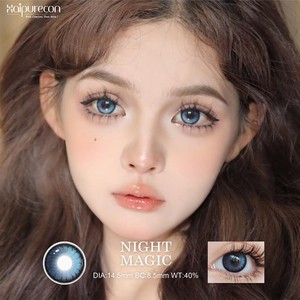
Haipurecon Natural Colored Cosmetic Soft Lenses
Hydrogel HEMA
38% Water
14.0mm DIA
Explore our certified wholesale contact lens formulations. Manufactured under ISO 13485 cleanroom conditions with customizable diameters, base curves, and pigment layers for international retail brands.
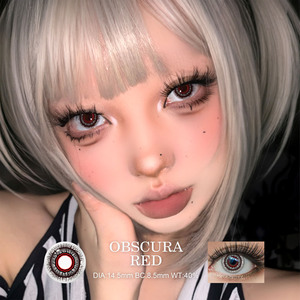
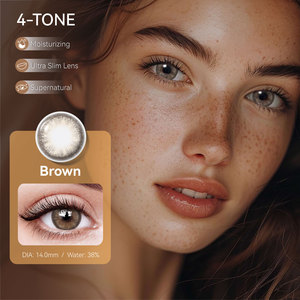
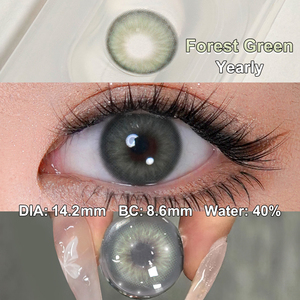
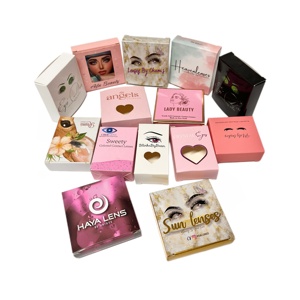
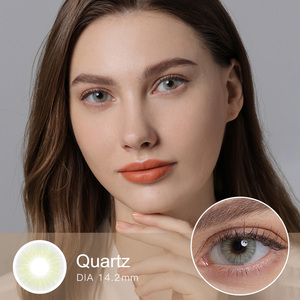
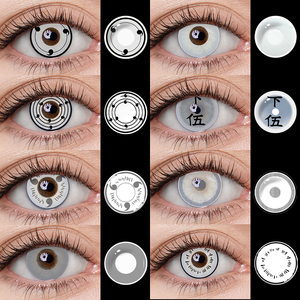
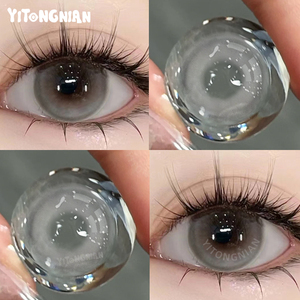
An authoritative analysis of polymer hydrogel evolution, regulatory compliance shifts, and structural sourcing models for enterprise optical buyers, pharmacy conglomerates, and beauty brand owners.
The global cosmetic contact lens market is expanding at a CAGR of 8.6%, driven by non-corrective (plano) beauty trends across Asia, Europe, and North America. Procurement strategies have transitioned from simple spot buying to full-service OEM/ODM private label programs.
Global medical device regulatory bodies—including the EU MDR (2017/745), US FDA 510(k), and Saudi SFDA—now enforce rigorous UDI (Unique Device Identification) and ISO 13485 quality system standards. Partnering with fully compliant exporters is vital for risk mitigation.
| Procurement Dimension | Generic Spot Wholesale | Contract OEM Manufacturing | Kyralens Strategic ODM Partnership |
|---|---|---|---|
| Branding Freedom | Pre-branded distributor stock | Custom box design & private blister | Full IP ownership & turnkey box/foil/leaflet engineering |
| Material Options | Standard HEMA (Polymacon) | HEMA + Basic Hydrogel | Silicone Hydrogel (SiHy), Polymacon, & Bio-mimetic Hydrogel |
| Pigment Encapsulation | Surface printing (leaching risk) | Standard Dual-layer | Triple-Layer Micro-Sandwich Technology (Zero pigment contact) |
| Regulatory Dossiers | Basic COA provided | Standard CE / ISO certificates | Full Technical Files, EU MDR 2017/745, FDA 510(k) assistance |
| Supply Chain Traceability | Batch level only | Blister lot identification | End-to-End GS1 UDI Barcoding & Cleanroom Lot Auditing |
Technical transparency is the cornerstone of safety in contact lens manufacturing. Understanding the chemical matrices, optical parameters, and printing technologies directly impacts consumer comfort and brand longevity.
Traditional colored lenses use Hydroxyethyl Methacrylate (HEMA) offering 38%–55% water content and an oxygen transmissibility (Dk/t) of 10–15. Modern premium OEM lines leverage Silicone Hydrogel matrices, yielding a Dk/t of 80–120. This drastic increase in oxygen permeability eliminates corneal hypoxia, allowing extended daily wear while preventing red eyes.
Standard low-cost factories print pigments on the inner surface of the lens, exposing the cornea to potential dye friction. Our advanced factories utilize Micro-Sandwich Encapsulation Technology. The biocompatible organic pigments are sealed between two micro-thin layers of clear hydrogel, guaranteeing zero direct dye contact with ocular tissue.
Utilizing high-speed CNC mold inserts and automated polymer liquid dosing, our manufacturing lines achieve surface smoothness tolerances under 0.05 microns. Every lens edge undergoes multi-stage automated optical inspection (AOI) to eliminate micro-burrs, tearing risk, and peripheral power distortion.
Category managers must align their supply chains with shifting consumer preferences and environmental mandates to sustain retail growth.
Consumer preferences are rapidly shifting away from yearly or monthly re-usable lenses toward daily disposables due to hygiene awareness. B2B buyers should focus OEM investments on 1-day blister packaging formats to capture higher lifetime customer value and repeat purchase frequencies.
Environmental regulations in Europe and Asia are forcing brands to reduce single-use plastic waste. Innovators are deploying polypropylene (PP) blister trays with thinner aluminum foil seals, complemented by FSC-certified secondary paper boxes using vegetable-based printing inks.
Opaque dramatic block colors are yielding market share to subtle, multi-tone iris-blending patterns (3-tone and 4-tone prints). Optics that mimic natural iris structures with soft limbal rings are dominating beauty and drugstore retail shelves.
Top optical chains no longer source lenses in isolation. Enterprise procurement strategies combine custom colored lenses with private label rewetting eye drops (hyaluronic acid formulations), multi-purpose cleaning solutions, and ergonomic storage cases into cohesive cross-sold brand ecosystems.
Kyralens Technology Co., Ltd. acts as a global master distributor and manufacturing orchestrator, delivering complete, shelf-ready eye care solutions tailored for drugstores, optical chains, and cross-border e-commerce leaders.
All production lines operate under ISO 13485 quality management standards. Products carry CE mark clearance, ISO compliance certificates, and batch-level lot traceability for seamless customs entry worldwide.
Eliminate multi-vendor fragmentation. Source custom color contact lenses, daily clear lenses, lubricating eye drops, disinfectant solutions, cases, and reading glasses from a single, reliable supply partner.
From custom blister foil printing and barcode generation to luxury outer cardstock packaging with spot UV and foil stamping, we provide scalable solutions for pilot testing and full national rollouts.
Clear, direct answers to essential sourcing, manufacturing, and regulatory questions.
Our minimum order quantities depend on customization depth. For standard factory colors packaged in custom branded private label boxes, MOQs start as low as 500 to 1,000 pairs per shade. For entirely custom lens iris prints, unique base curves, or proprietary silicone hydrogel formulations, MOQs typically range between 5,000 and 10,000 pieces per SKU. We offer flexible pilot batch options to assist new brand launches.
Micro-Sandwich Technology embeds color pigments inside the lens core. During the molding process, the color layer is encapsulated between an outer clear hydrogel layer and an inner clear hydrogel layer. This prevents pigment particles from leaching into the tear film or contacting the delicate corneal endothelium, ensuring maximum safety, smooth eyelid glide, and long-term wearing comfort.
Because contact lenses are classified as Class IIa/IIb medical devices, importers typically require an ISO 13485 Certificate, CE Certificate (Directive 93/42/EEC or Regulation EU 2017/745 MDR), Declaration of Conformity (DoC), Certificates of Analysis (CoA), and sterile barrier validation reports. Kyralens provides complete technical dossier support to streamline customs clearance and local health authority registrations.
We provide full end-to-end packaging support. You can provide finalized Adobe Illustrator dielines, or our in-house engineering team can create structural packaging concepts, custom blister foil layouts, outer cardstock boxes with specialized UV spot/hot-stamping finishes, and compliant multilingual instruction leaflets adhering to destination market labeling laws.
All contact lenses are packaged in medical-grade buffered saline solutions within high-barrier PP blisters and steam autoclaved at 121°C (250°F) for at least 20 minutes under strict validation protocols. This process guarantees a sterile shelf life of up to 5 years from the date of manufacture when stored in cool, dry ambient conditions.
Initial design proofing and pre-production color sample approval take approximately 7–10 days. Once samples are confirmed and packaging artwork is finalized, mass production lead time is typically 25 to 35 business days. Repeat re-orders utilizing stored packaging stock can be dispatched in as little as 14 to 20 days.
Yes. Kyralens specializes in total eye care portfolio development. We can produce matching private label lubricating eye drops (preservative-free single-dose or multi-dose bottles), multi-purpose contact lens cleaning solutions, hydrogen peroxide systems, antimicrobial contact lens cases, and travel accessory kits, allowing you to offer a complete branded solution.
Speak directly with our B2B procurement specialists to review lens parameters, order OEM sample packs, and receive factory-direct pricing for your market.