Featured OEM/ODM Cosmetic Contact Lens Portfolio
Explore our export-ready range of color contact lenses, care accessories, and bespoke packaging designed for high-margin retail performance in Australia and international markets.
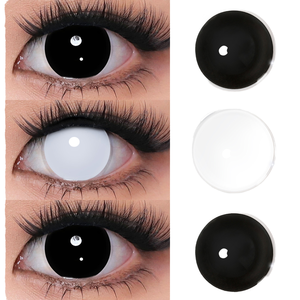
MIIEMO Halloween Crazy Soft Contact Lenses Cosplay Colored Eye Contacts 49 Models
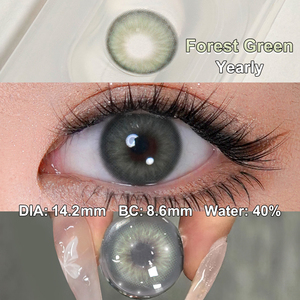
Free Shipping Freshgo Eye Contact Lenses New Wholesale 14.20mm Soft Black Contact Lenses 6 Months Beauty Eye Color Contacts
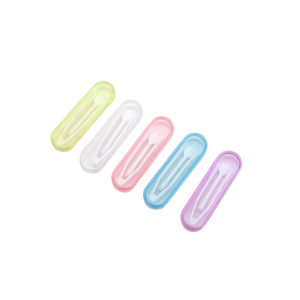
Best Price High Quality Silicone Contact Lens Tweezers Plastic Picking Tool for Contact Lens Eyeglasses Cases Bags
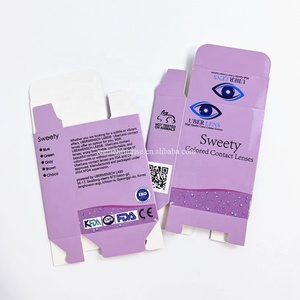
Custom Printed Cosmetic Boxes Eye Contact Lenses Complete Package for Contact Lenses
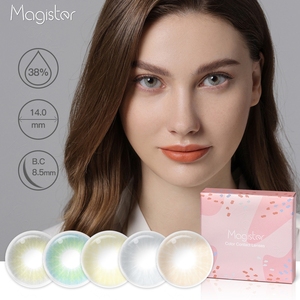
Magister Queen Most Natural Color Contact Lenses Cosmetic Colored Contacts Eye Colored Contact Lens Pupilentes
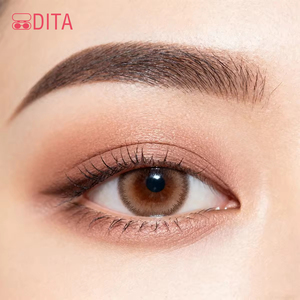
Hot Sale Colored Contact Lenses 14.2mm Natural Brown Daily Disposable Soft Cosmetic Eye Lenses CE Certified
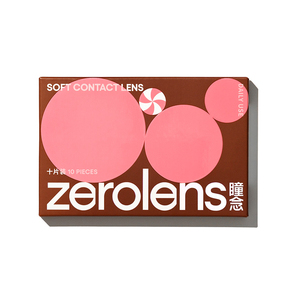
Hot Selling Custom Logo Paperboard Box Color Contact Lens Box Customized Cosmetic Package for Contact Lenses Paper Box
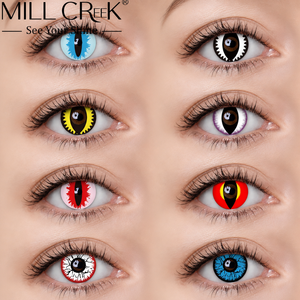
MILLCREEK Red Yearly 14.5mm Cosplay Party Special-Effect Crazy HEMA OEM Wholesale Colored Contact Lenses Lentes De Contacto
Strategic OEM Sourcing in Australia: Navigating TGA Compliance & Market Demands
The Australian cosmetic contact lens market represents one of the highest growth optical retail segments across the Asia-Pacific region. As consumer preference shifts rapidly from standard vision correction toward cosmetic enhancement, hyper-realistic iris patterns, and daily disposable convenience, brand owners, pharmacy wholesalers, and e-commerce importers face unprecedented commercial opportunities. However, navigating the Australian market requires a highly specialized OEM/ODM supplier capable of executing precision color formulation while meeting strict medical device compliance parameters governed by the Therapeutic Goods Administration (TGA).
As an established global contract manufacturer and distributor, kyralens Technology Co., Ltd serves as a reliable institutional partner for Australian businesses. We streamline the complex transition from concept design to shelf-ready inventory. Whether your procurement strategy focuses on natural daily disposable beauty lenses, high-impact cosplay/crazy special-effect series, or complete private label eye care lines—including lubricating eye drops, multi-purpose care solutions, and specialized storage cases—our production architecture is engineered to guarantee commercial viability, patient safety, and regulatory adherence.
Enterprise Manufacturing Superiority: The Kyralens Advantage
At kyralens Technology Co., Ltd, we specialize exclusively in private label eye care solutions tailored for major retail conglomerates, optical boutique chains, drugstores, and emerging direct-to-consumer (D2C) brands. Our supply chain architecture has been audited and adopted by world-leading retail operators—such as Watsons, Rossmann, Kruidvat, Trekpleister, Ahold Delhaize, Albert Heijn, Etos, Nahdi, GMG, Eureka, Migros, and REWE. This international operational footprint demonstrates our capability to execute high-volume contract manufacturing without compromising precision optical engineering.
End-to-End Shelf Solutions
We supply more than just lenses. We manufacture complete eye care categories including HEMA and Silicone Hydrogel lenses, lubricating eye drops, peroxide solutions, custom cases, and reading glasses under a unified brand identity.
Triple-Layer Pigment Lock
Our bio-compatibility process utilizes Sandwich Printing Technology. Color pigments are fully encapsulated inside bio-hydrogel layers, ensuring zero direct contact between dyes and the human cornea.
Regulatory Support
We provide full technical documentation packages including CE certificates, declarations of conformity, packaging artwork compliance reviews, and complete lot history records for seamless Australian import clearings.
Future Industry Procurement Trends in Colored Contact Lenses (2025–2030)
Procurement directors and brand strategists operating in the Australian optical ecosystem must align their sourcing models with emerging technological and consumer developments. The contact lens industry is undergoing a structural paradigm shift driven by material science advancements and heightened consumer awareness regarding ocular health.
1. Accelerated Adoption of Next-Generation Silicone Hydrogel Materials: Traditional HEMA (Hydroxyethyl Methacrylate) hydrogel materials, while cost-effective for short-wear cosmetic products, are increasingly being complemented by advanced Silicone Hydrogel formulations. Modern Australian consumers demand higher Oxygen Transmissibility (Dk/t) to accommodate extended daily wear without corneal hypoxia. OEM custom formulations utilizing hyper-moisturizing agents like Hyaluronic Acid (HA) embedded directly into the polymer matrix represent the future standard for premium private label collections.
2. Bio-Mimetic 3D Iris Patterning: High-definition cosmetic lenses have moved beyond flat, single-tone pixel printing. Market growth is heavily driven by 3-tone micro-dot matrix layer technology that replicates the natural texture, depth, and radial striations of the human eye. Custom color development now requires bespoke pigment mixing to complement diverse skin undertones and natural light environments typical in Australia.
3. Sustainability in Secondary Packaging & Mono-Material Blister Systems: Environmental sustainability has shifted from an optional marketing angle to a core procurement requirement. Major Australian retailers are actively seeking OEM suppliers offering recyclable PP blister cups, reduced plastic foil lids, and FSC-certified custom paperboard outer packaging printed with soy-based inks.
| Specification Category | Standard HEMA Hydrogel | Advanced PolyHEMA + HA | Silicone Hydrogel (SiHy) |
|---|---|---|---|
| Oxygen Permeability (Dk/t) | 18 – 25 Dk/t | 28 – 35 Dk/t | 80 – 120+ Dk/t |
| Water Content Range | 38% – 42% | 45% – 55% | 38% – 48% (Optimal balance) |
| Recommended Wear Cycle | Daily / Monthly / Cosplay | Daily Disposable Beauty | Extended Wear / Premium Daily |
| Dehydration Rate | Moderate | Low (High moisture retention) | Ultra-Low |
| B2B Unit Cost Position | Highly Economical (Volume wholesale) | Balanced Premium | High-End Executive Tier |
Step-by-Step OEM/ODM Customization Workflow for Importers
Kyralens provides a structured, risk-mitigated private label manufacturing pathway. Our operational methodology is designed to translate your brand vision into compliant, commercial products smoothly:
Step 1: Product Specification & Parameter Definition
During the initial strategic consultation, we work with your buying team to define key optical metrics: Base Curve (BC 8.5mm - 8.6mm), Diameter (DIA 14.0mm - 14.5mm), water content, replacement schedule (Daily, Monthly, 6-Month, Yearly), power ranges (Plano 0.00 to -8.00D corrective), and target shade palettes (e.g., Natural Brown, Crystal Gray, Vibrant Cosplay Red/Yellow).
Step 2: Custom Packaging Engineering & Structural Design
Packaging is a critical touchpoint for consumer trust in optical retail. Our design lab assists in creating high-impact custom-printed paperboard boxes, specialized foil blister covers, localized multi-lingual instruction leaflets, and bundled eye care kits incorporating custom-branded plastic picking tweezers and lens cases.
Step 3: Sampling, Color Proofing & Quality Validation
Prior to mass commercial runs, physical samples and pre-production color proofs are produced for client review. Optical clarity, color fidelity under varied lighting, edge-thickness profiles, and tear-resistance parameters undergo rigorous laboratory testing.
Step 4: Automated Cleanroom Manufacturing & Micro-Sterilization
Production occurs in ISO Class 8 (Class 100,000) cleanroom facilities utilizing fully automated cast-molding lines. Lenses undergo 100% optical inspection, automatic edge detection, saline filling, thermal sealing, and final steam autoclave sterilization to ensure absolute product sterility.
Step 5: Compliance Dossier & Australian Freight Logistics
We prepare complete lot-specific Quality Certificates (CoA), Certificate of Origin, and technical documentation required by your customs broker for efficient importation into Sydney, Melbourne, Brisbane, Perth, or Fremantle ports.
Frequently Asked Procurement Questions (B2B FAQ)
Direct technical and commercial answers for Australian importers, buyers, and brand managers.
What are the key regulatory requirements for importing custom color contact lenses into Australia?
Contact lenses (both cosmetic non-prescription and prescription) are regulated as Class IIa Medical Devices by Australia's Therapeutic Goods Administration (TGA). Importers must hold an Australian Register of Therapeutic Goods (ARTG) entry or partner with an authorized Australian Sponsor. kyralens supports your registration process by providing full ISO 13485 documentation, CE certificates, manufacturing facility audit reports, and technical dossiers.
What are the typical Minimum Order Quantities (MOQs) for OEM custom colored contacts?
MOQs depend on the level of customization. For standard catalog models (such as our 49 Halloween cosplay models or Magister Queen series) with custom over-printed outer boxes, MOQs start as low as 500 to 1,000 pairs. For completely bespoke iris color development, unique base curves, or proprietary blister foil printing, MOQs typically start at 5,000 pairs per SKU to optimize manufacturing efficiency.
How does Sandwich Printing Technology protect the user's eyes?
Sandwich Printing Technology (also known as double-cladding encapsulation) embeds the organic pigment layer between two micro-thin layers of clear hydrogel material. This prevents the color dye from directly touching the corneal tissue or conjunctiva, preventing pigment leaching, allergic reactions, and surface friction for maximum user safety.
Can kyralens manufacture matching eye care accessory solutions under our private label?
Yes. As a comprehensive private label eye care manufacturer, we supply complete shelf solutions. Australian buyers can develop branded multi-purpose lens cleaning solutions, sterile lubricating eye drops, silicone lens tweezers, picking tools, and custom travel storage cases alongside their lens line to increase overall retail average order value (AOV).
What is the standard production lead time for custom OEM orders bound for Australia?
Once artwork and technical specifications are finalized, standard mass production takes approximately 20 to 30 business days. Air freight delivery to major Australian airports (SYD, MEL, BNE) typically takes 5 to 7 days, while ocean freight shipping to major ports takes approximately 18 to 25 days depending on the origin shipping lane.
How do you ensure lot-to-lot color consistency across large manufacturing batches?
We utilize automated spectrophotometric color matching and high-resolution digital vision systems during the pigment deposition process. Every production batch is calibrated against approved master digital references, guaranteeing zero shade variance between production lots.
Partner with a Leading OEM/ODM Contact Lens Manufacturer
Expand your retail portfolio in Australia with high-margin, TGA-compliant colored contacts, private label eye care accessories, and customized packaging solutions.