OEM Contact Lens Portfolio & Manufacturing Solutions
Explore our export-ready contact lens ranges, custom optical components, and precision molding tooling engineered to meet rigorous international medical device benchmarks.
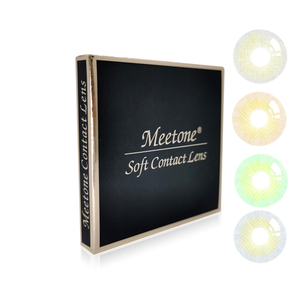
Private Label OEM Available Paper Packaging Wholesale Cosmetic Meetone Color Contact Lens with Box
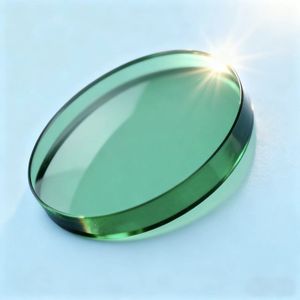
Colorful Semi-Finished Photochromic Lenses Green 1.56 Optical SF Lens Contact SF Lenses
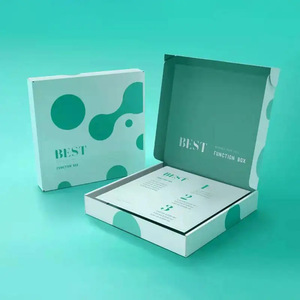
Best Quality Korean Color Contact Lenses Yearly Colored Contacts with Coated Paper Packaging for Cosmetic Use or Gifts
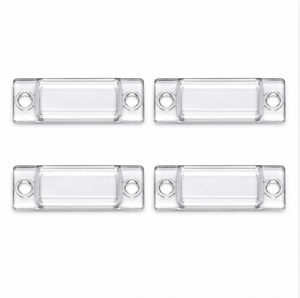
Transparent Cover Injection Mold Making Service, Custom Clear Lens Molds for Digital Device Panels and Instrument Displays
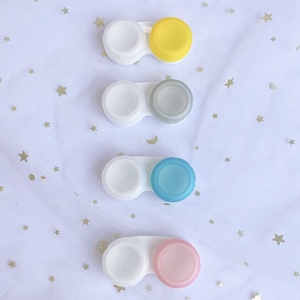
Contact Lens Case Travel Kit Custom OEM Fully Automated CE ISO13485 Certified Eyekan Brand BSCI Factory Easy Carrying Individual
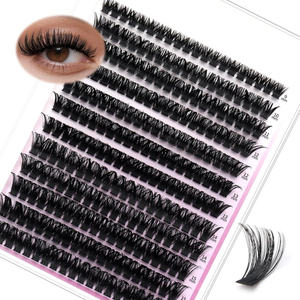
Eye Colored Contact Lenses Nasar Green Small Pupil 3 Tone Soft Yearly Wholesale Plastic Cotton Band Eyelash Tray 1
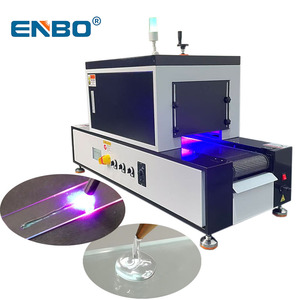
Compact UV LED Curing Conveyor Systym for Optical Glass Lens Manufacturing UV Adhesives Efficient Curing
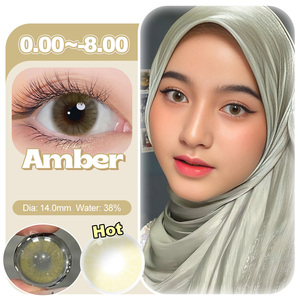
Free Shipping Magister Hidrocor Colored Contact Lenses Soft Eye Lens Natural Color Prescription Contact Lenses Lentes Decontacto
OEM Manufacturing & Turnkey Execution Benchmarks
Kyralens Technology Co., Ltd. combines precision optical manufacturing with scalable European logistical operations to reduce lead time variability by over 35% compared to regional industry averages.
Deconstructing the Custom OEM Contact Lens Lead Time Matrix
A comprehensive engineering guide for retail buyers, optical chain category managers, and healthcare procurement directors seeking optimized turnaround schedules without compromising biological safety.
Understanding Lead Time Drivers in Medical-Grade Lens Fabrication
In global contact lens manufacturing, lead time is not merely a reflection of machine speed; it is a tightly governed sequence of polymer chemistry, photolithographic color sandwich application, hydration dynamics, primary blister micro-sealing, high-pressure steam sterilization, and mandatory biological quarantine. When sourcing custom OEM contact lenses—whether specialized daily disposable hydrogel lenses or high-oxygen silicone hydrogel cosmetic lenses—procurement professionals must evaluate the distinct operational phases that dictate realistic delivery timelines.
At Kyralens Technology Co., Ltd. (headquartered with strategic European customer service and distribution hubs in Ede, Netherlands), we split the OEM manufacturing pipeline into transparent, verifiable stages. By automating injection mold tooling and utilizing compact UV LED curing conveyor systems, we eliminate traditional bottlenecks in high-volume production.
| Manufacturing Phase | Standard Industry Lead Time | Kyralens Optimized OEM Timeframe | Critical Quality Control Milestones |
|---|---|---|---|
| 1. Tooling & Mold Production | 14 – 21 Days | 7 – 10 Days | Optical surface profilometry & cavity tolerance check (±0.005mm) |
| 2. Monomer Formulation & Casting | 7 – 10 Days | 4 – 6 Days | Refractive index validation, Dk/t oxygen transmissibility testing |
| 3. Color Printing & Encapsulation | 5 – 8 Days | 3 – 5 Days | Automated vision registration, non-leaching pigment barrier review |
| 4. Hydration, Extraction & Saline Packaging | 4 – 6 Days | 3 – 4 Days | Osmolality check, pH stability (7.2 - 7.6), zero residual monomer audit |
| 5. Autoclave Sterilization & Quarantine | 7 – 10 Days | 4 – 5 Days | SAL 10⁻⁶ sterility assurance validation, 14-day bio-burden quarantine |
| Total Turnkey Execution | 37 – 55 Days | 21 – 30 Days | Full Certificate of Analysis (CoA) & Lot Traceability Release |
Precision Tooling & Custom Optical Mold Production Days 1 - 7
Every custom OEM contact lens parameter—including base curve (BC 8.5mm - 8.7mm), diameter (DIA 14.0mm - 14.5mm), and center thickness—requires ultra-precise injection mold inserts. Utilizing high-speed CNC lathe cutting and automated optical glass insert molds, Kyralens fabricates single-use male and female plastic lens molds. Rapid tooling allows custom parameter requests to move into casting up to 50% faster than traditional optical mold shops.
Cast Molding, UV Polymerization & Sandwich Color Printing Days 8 - 15
During the polymer reaction phase, liquid hydrogel (HEMA/MAA) or silicone hydrogel monomers are injected into the mold cavity. For colored cosmetic lenses (1-tone, 2-tone, 3-tone, or natural limbal ring designs), micro-pigments are printed via micro-pad technology onto the inner surface of the female mold prior to monomer dosing. This locks the color layers safely *between* lens material layers, completely isolating colorants from the human cornea.
Automated Extraction, Hydration & Primary Blister Packaging Days 16 - 20
Once polymerized, rigid dry lens blanks are demolded and transferred to automated extraction channels where unreacted monomers are thoroughly removed using purified water circuits. Lenses are hydrated in buffered isotonic saline containing natural wetting agents (such as HA or Poloxamer). Automated robotic arms place each hydrated soft lens into individual medical-grade foil blisters, sealed with heat-welded multi-layer foil lids containing printed lot codes and expiration dates.
High-Pressure Terminal Sterilization & Bio-Quarantine Release Days 21 - 25
Sealed blister packs are processed in industrial steam autoclaves at 121°C (250°F) under validated temperature-pressure exposure cycles to guarantee Sterility Assurance Level (SAL) of 10⁻⁶. Following sterilization, random batch samples undergo mandatory 14-day microbiological testing, endotoxin screening, and dimensional stability verification before final release for export shipment.
Future Procurement Trends in Contact Lens Manufacturing
How progressive retail brands, drugstore chains, and pharmacy buyers are adapting their supply chain strategies to capture shifting consumer preferences and regulatory updates.
1. Shift Toward High Dk/t Silicone Hydrogels
Global buyer purchasing patterns show a rapid movement away from traditional low-permeability HEMA materials toward advanced silicone hydrogel polymers. Providing oxygen transmissibility ratios exceeding 100 Dk/t, these formulations maintain corneal health, allow extended wear comfort, and form the foundation of premium OEM private label lines.
2. Fast-Track CE MDR & FDA Technical Dossiers
Regulatory scrutiny under the European Union Medical Device Regulation (EU MDR 2017/745) and US FDA 510(k) clearings has made regulatory readiness a primary bottleneck for retail brands. Future-focused procurement directors prioritize OEM partners who provide complete Technical Files, Clinical Data Summaries, and Declaration of Conformity documents upfront.
3. Modular MOQs & Agile Replenishment
To reduce inventory holding costs and prevent product expiration on retail shelves, major buyers are moving away from massive single-order commitments. Emerging contract models leverage agile, smaller batch manufacturing (Modular MOQs) paired with centralized regional buffer stock holding—such as Kyralens' European warehousing facilities.
Future Development Trends in Contact Lens Technology
Emerging innovations in material science, automated quality assurance, and smart optics that will define the next decade of eye care manufacturing.
Photochromic & Light-Filtering Hydrogels
Next-generation contact lenses incorporate dynamic photochromic dyes directly within the matrix. As seen in specialized semi-finished optical components and soft lenses, these materials auto-adjust shade density when exposed to UV light and high-energy visible (HEV) blue light, protecting wearer eyes seamlessly across indoor and outdoor environments.
Automated Vision Inspection (AOI) & AI Defect Detection
To achieve sub-micron defect detection at production speeds exceeding 600 lenses per minute, modern contact lens factories rely on Automated Optical Inspection systems with high-resolution cameras. AOI algorithms instantly reject blisters with tears, edge chips, color registration drift, or particulate contamination prior to high-temperature sterilization.
Ocular Drug Delivery & Dry-Eye Bio-Sensing Lenses
R&D efforts are actively expanding contact lens functionality beyond refraction and cosmetics. Micro-encapsulated hyaluronic acid, lipid-layer stabilizing agents, and therapeutic anti-allergy compounds embedded in hydrogel structures leach slowly over 8-12 hours of wear, converting standard disposable lenses into active ocular health treatments.
Sustainable & Biodegradable Blister Packaging
Environmental compliance is altering packaging specifications across Europe and North America. Manufacturers are introducing ultra-thin polypropylene blister shells, zero-aluminum foil membranes, and FSC-certified recycled paper outer cartons to lower carbon footprints without compromising sterile shelf-life barrier integrity (up to 5 years).
Enterprise Strengths & Precision Manufacturing Ecosystem
Combining state-of-the-art optical engineering, stringent medical device compliance, and dedicated client management to deliver unmatched reliability for global private label programs.
CE & ISO 13485 Certified Infrastructure
Kyralens operates under full ISO 13485 Medical Device Quality Management System standards. Our cleanroom facilities feature Class 10,000 (ISO Class 7) air filtration, automated humidity controls, and validated terminal sterilization lines compliant with international healthcare regulations.
In-House Mold Engineering & UV Curing
From transparent injection mold inserts to high-speed UV LED curing conveyor systems, our technical tooling center creates high-precision micro-cavities for clear, toric, and multi-tone color contact lenses with minimal lead time overhead.
European Base & Global Logistics Network
With corporate management and distribution based at Faradaystraat 14, 6718 XT Ede, The Netherlands, we bridge high-volume Asian manufacturing with direct European, Middle Eastern, and Asian retail distribution channels.
End-to-End Private Label Project Management
We take complete responsibility for your product execution—from initial diopter range specification (-0.50D to -10.00D, +0.50D to +6.00D) and primary blister art design to multilingual regulatory box labeling, barcode generation, and customs clearance support.
Custom OEM Contact Lens Procurement FAQ
Direct technical and operational answers to common questions asked by B2B buyers, category managers, and private label optical distributors.
Request Your Custom OEM Lead Time & Price Quote
Accelerate your optical brand launch with guaranteed lead times, regulatory compliance, and premium contact lens manufacturing. Speak directly with our technical procurement team today.