Featured OEM & Wholesale Contact Lens Assortment
Explore our factory-direct OEM/ODM soft contact lenses, color cosmetic series, and optical single-vision blanks engineered for global pharmacy chains, optical groups, and private label distributors.
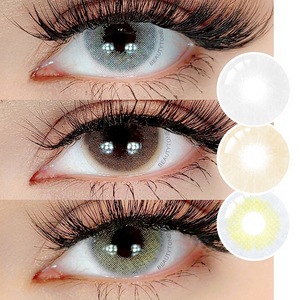
Colored Contact Lenses Wholesale Lenses Eye Contact Non Prescription Soft Lens Custom Packaging
Get Catalog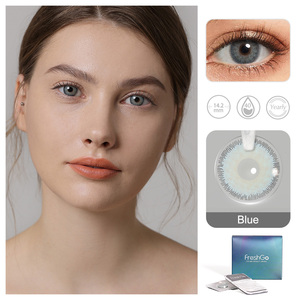
Freshgo Wholesale Prescription Lenses Yearly Coloured Contact Lenses Natural Power Color Contact Lens
Get Catalog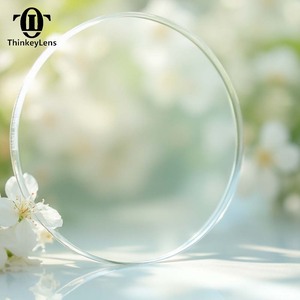
China Factory Wholesale 1.499 CR 39 Hard Coating White Single Vision Optical Lenses
Get Catalog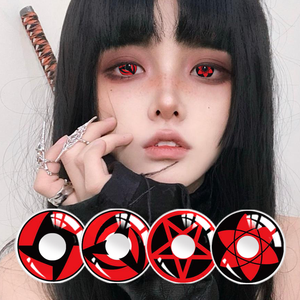
YITONGNIAN Cosplay Contact Lenses Special Effects Whiteout Blackout Wholesale Bulk OEM Custom Factory
Get Catalog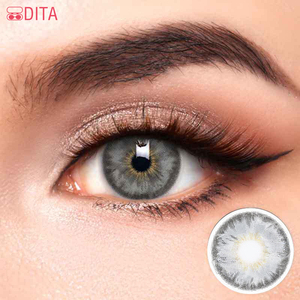
OEM Brand Silicone Hydrogel 1 Year Cheap Eye Contact Lenses Cosplay Disposable Contact Lenses
Get Catalog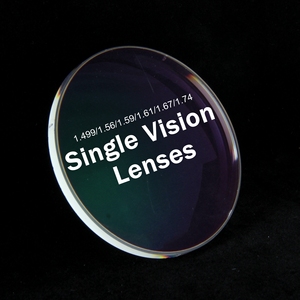
China Factory Direct Supplier Single Vision Prescription Lenses 1.499 Lenses
Get Catalog
Contact Lenses Clear Prescription Myopia With Power Eye High Quality 40% Water Content HEMA Wholesale OEM Supplier
Get Catalog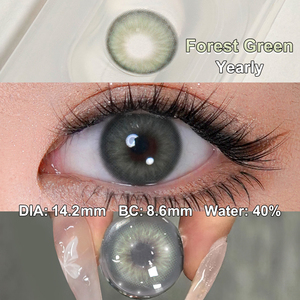
Free Shipping Freshgo Eye Contact Lenses New Wholesale 14.20mm Soft Black Contact Lenses 6 Months Beauty Eye Color Contacts
Get CatalogDemystifying Contact Lens OEM Minimum Order Quantities (MOQ)
In the rapidly evolving ophthalmic and cosmetic eyewear sector, navigating custom OEM contact lens minimum order quantity (MOQ) parameters is the foundational step for brand owners, healthcare distributors, and retail procurement officers. Minimum order quantity dynamics directly dictate capital efficiency, inventory turnover, SKU depth, and gross margin structures. OEM contact lens manufacturing relies on high-precision cast molding technology, automated polymerization, and cleanroom packaging lines (ISO Class 5 to Class 7), where setup overheads heavily influence unit economics.
As an established OEM/ODM manufacturer and exporter, our facility bridges the gap between massive industrial minimums and flexible private label entry thresholds. Understanding the underlying factors of contact lens production—such as monomer synthesis, hydration cycles, base curve (BC) variations, power matrix distributions (-0.50D to -10.00D), and packaging foil prints—enables procurement directors to negotiate custom MOQs that align perfectly with market launch strategies.
Core Drivers Influencing Manufacturer MOQs in Ophthalmic Production
Why do manufacturers enforce strict MOQs on custom contact lenses? The answer lies in the complex medical-device manufacturing chain. Here are the five engineering variables determining MOQ levels:
Polymer Mold Amortization
High-precision injection molds for polypropylene mold-halves (front and back curves) are single-use per contact lens cast. Tooling calibration requires minimum run lengths to offset plastic injection cycle setup costs.
Pigment & Printing Setup
For cosmetic colored lenses, multi-tone pad printing (1-tone, 2-tone, 3-tone, or 4-tone fusion) requires precise alignment of cliché plates and non-toxic bio-ink mixing. Color changeovers demand systemic line flushes.
Sterilization Batch Size
Finished blister packs undergo terminal steam autoclaving at 121°C (250°F) under validated cycle parameters (ISO 17665). Autoclave chambers must run at optimized loading density to guarantee SAL 10^-6 sterility.
Custom OEM MOQ Matrix: Production Capabilities & Lead Times
To provide full transparency for enterprise buyers, our manufacturing facility outlines clear minimum order volume tiers based on material technology, color customization, and packaging complexity. From initial pilot launches to high-volume pharmacy replenishment, review our standard operational matrix below:
| OEM Service Level | Material / Type | Color / Design | Standard MOQ (Pcs) | Packaging Customization | Lead Time |
|---|---|---|---|---|---|
| In-Stock Wholesale | HEMA (38%-40% Water) | Standard 1/2/3 Tone | 50 - 500 Pcs | Factory Standard Blister & Box | 3 - 7 Days |
| Private Label Starter | HEMA / Polymacon | Catalog Color Dies | 3,000 Pcs / Color | Custom Box & Branded Foil Cover | 15 - 25 Days |
| Advanced Silicone Hydrogel | Silicone Hydrogel (High Dk/t) | Clear Rx / Natural Tint | 10,000 Pcs / SKU | Custom Blister, Box, & IFU Insert | 25 - 35 Days |
| Custom Cosplay / SFX Lenses | HEMA 42% Water Content | Full Opaque / Blackout / Whiteout | 5,000 Pcs / Pattern | Custom Vials or Blister Packs | 20 - 30 Days |
| Bespoke ODM Formula | Custom Hydrogel / Toric / Multifocal | Bespoke Design / Pattern | 50,000+ Pcs | Full Custom Packaging & Mold Tooling | 45 - 60 Days |
Future Procurement & Manufacturing Trends in Contact Lenses
As global retail channels shift toward private label brand equity, contact lens procurement is undergoing fundamental transformations. B2B buyers must adapt to four dominant manufacturing trends shaping the next decade of optical sourcing:
1. High Oxygen Transmissibility (Silicone Hydrogel Democratization)
Historically reserved for major pharmaceutical conglomerates, Silicone Hydrogel (SiHy) manufacturing processes are becoming accessible for OEM private labels. With Dk/t values exceeding 100 (compared to HEMA's 15-25 Dk/t), high oxygen permeability promotes corneal health during extended wear. OEM factories are optimizing SiHy polymer curing cycles, effectively lowering SiHy MOQs for emerging optical brands.
2. Bio-Encapsulated Micro-Color Pigmentation
Cosmetic lens safety standards are stricter than ever under US FDA 510(k) and EU MDR 2017/745 regulations. Modern OEM production utilizes "Sandwich" or double-cladding tech, locking color pigments securely inside hydrogel layers so color never directly touches ocular tissue. This technology is becoming a standard prerequisite for retail procurement contracts.
3. Sustainable & Eco-Conscious Packaging
Environmental regulations in Europe and North America are driving demand for recyclable polypropylene (PP) blister packs, biodegradable secondary packaging boxes, and minimized foil sealing waste. OEM exporters who offer eco-friendly blister solutions are capturing a growing share of pharmacy chain tenders.
Why Leading Global Retail Chains Partner With Us
kyralens Technology Co., Ltd. (Faradaystraat 14, 6718 XT Ede, The Netherlands) stands as a premier global developer, manufacturer, and distributor of private label eye care products. We specialize in end-to-end optical supply chain integration, serving major drugstores, supermarkets, optical retail chains, and healthcare groups across Europe, the Middle East, and Asia.
Full Category Shelf Supply
Consolidate your supply chain under one roof. We supply daily/monthly clear contact lenses, cosmetic color lenses, lubricating eye drops, multipurpose peroxide disinfectant solutions, customized contact lens storage cases, and pre-assembled reading glasses.
Turnkey Regulatory Dossiers
Every private label program comes complete with destination-market compliance files: CE Certifications, EU MDR dossiers, FDA 510(k) clearances, Declarations of Conformity, and full lot-traceability audit records to ensure seamless customs entry.
Flexible OEM/ODM Scalability
Whether launching a 3,000-piece pilot project for regional store testing or scaling up a 1,000,000-piece national rollout, our dual manufacturing infrastructure in Europe and China delivers reliable production and fast replenishment.
Trusted By Leading Retail Chains Worldwide
Frequently Asked Questions: OEM Contact Lens Procurement & MOQs
Below are expert answers to critical questions faced by sourcing managers when evaluating contact lens OEMs and minimum order quantities:
What is the absolute minimum order quantity (MOQ) for custom private label contact lenses?
How do diopter/power distributions affect the total MOQ calculation?
Can we customize water content, base curve (BC), and diameter (DIA)?
What international regulatory certifications do your manufacturing facilities hold?
What is the shelf life of OEM soft contact lenses in blister packaging?
How are design samples and packaging proofs handled prior to full mass production?
What packaging options are available for private label contact lenses?
Ready to Launch Your Private Label Eye Care Line?
Connect directly with our OEM/ODM procurement specialists to receive tailored unit quotes, custom MOQ schedules, and detailed product catalogs for your target retail market.