Institutional Product Catalog
Explore our certified OEM/ODM contact lens portfolios engineered for high oxygen transmissibility, moisture retention, and optical clarity across international distribution channels.
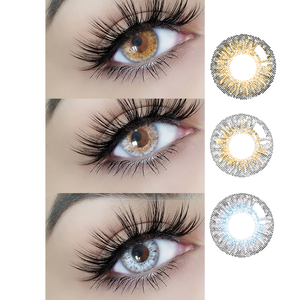
Private Label Customized Logo Brand Meetone 3 Tone Colored Contacts Paper Box Packaging
Inquire Now
USA TOP FLAGSINC American Flag 4x6 450g/kg Heavy Duty 420D Embroidered Stars Outdoor
Inquire Now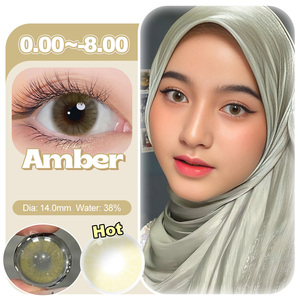
Free Shipping Magister Hidrocor Colored Contact Lenses Soft Eye Lens Natural Prescription
Inquire Now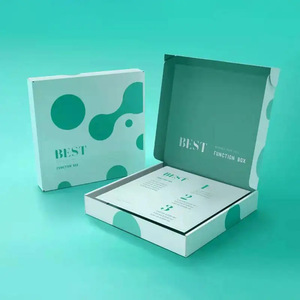
Best Quality Korean Color Contact Lenses Yearly Colored Contacts with Coated Paper Packaging
Inquire Now
Canada B2B Lens Ordering Portal Bulk Prescriptions & Logistics Tracking Suite
Inquire Now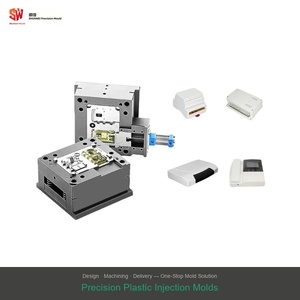
Custom PMMA Injection Mould for Optical Lens Cover High Precision OEM ODM Component
Inquire Now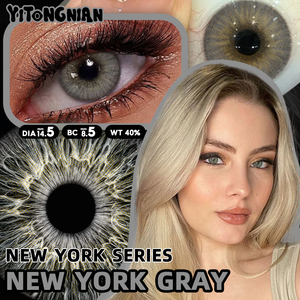
YITONGNIAN OEM/ODM Customized Package Soft HEMA Colored Contact Lenses Wholesale
Inquire Now
Technical Whitepaper
Industrial Scale Contact Lens OEM/ODM Manufacturing Architecture
In the evolving landscape of ophthalmic device manufacturing, securing a scalable, compliant, and technologically advanced Custom OEM Contact Lens ODM Manufacturer Factory & Supplier is a strategic imperative for global brands, pharmacy chains, and direct-to-consumer optical enterprises. Modern contact lens fabrication requires micro-precision polymer chemistry, sub-micron lathe cutting, automated cast molding, and stringent bio-compatibility validations to meet stringent international standards including EU MDR (2017/745), US FDA 510(k), and ISO 13485.
Our European-managed production infrastructure, anchored in Ede, Netherlands, operates as a single-source developer and global distributor. By integrating polymer synthesis, structural lens geometry optimization, and specialized color encapsulation techniques, we deliver retail-ready private label assortments engineered for high physiological performance and market longevity.
1. Advanced Material Formulations: Hydrogel vs. Silicone Hydrogel
The foundation of any high-performance contact lens lies in its polymer matrix. Our manufacturing plants utilize proprietary material compositions optimized for specific wearing modalities:
- Poly-HEMA Hydrogel Formulations: Formulated with hydrophilic monomer matrices (38% to 58% water content), providing exceptional soft lens flexibility, tear resistance, and visual stability for daily disposable and cosmetic applications.
- Third-Generation Silicone Hydrogel (SiHy): Combining fluoro-silicone macromers with hydrophilic monomers to achieve superior oxygen transmissibility (Dk/t exceeding 125). This eliminates hypoxia-related corneal risks during extended wear while preserving a low elastic modulus for instant wearing comfort.
- Non-Ionic Biomimetic Polymers: Resistant to protein deposition and lipid buildup, ensuring lens surface clarity and lubrication throughout multi-week wear cycles.
2. Precision Manufacturing Processes & Mold Tooling
Achieving absolute batch-to-batch consistency requires advanced automated production lines. Our manufacturing ecosystem leverages two main production methodologies:
Cast Molding Technology: Utilizing high-precision PMMA injection-molded optical core tools, liquid polymer monomers are injected into high-precision male/female mold pairs. Polymerization is induced via controlled UV curing tunnels, resulting in spherical, toric, or multifocal geometry with ultra-smooth edges that minimize palpebral friction.
Sub-Micron Computer Numerical Control (CNC) Lathe Cutting: For specialized custom toric, high-diopter spherical, or customized prosthetic lenses, diamond-turned lathe cutting is employed directly on dry polymer buttons. This process guarantees optical surface finishes with surface roughness tolerances below 10 nanometers.
Micro-Sandwich Color Encapsulation
Pigment layers are locked securely between bio-compatible clear hydrogel polymer sheets, preventing direct contact between colorants and ocular tissue for maximum cosmetic safety.
Full Regulatory Documentation
Complete Technical Files, Declarations of Conformity, IFU artwork review, and Lot Traceability databases supplied for seamless registration across target markets.
Class 10,000 Cleanroom ISO Standard
Automated blister sealing, saline filling, and high-pressure steam autoclave sterilization (121°C for 20 mins) ensure zero bio-burden contamination across all SKUs.
Market Intelligence
Global Contact Lens Procurement & Technical Development Trends (2025–2030)
The global contact lens market is undergoing structural shifts driven by changing consumer behaviors, technological innovations, and heightened regulatory standards. Procurement directors and category buyers must align their private label strategy with these four key development pillars:
1. The Shift to High Dk/t Silicone Hydrogel Daily Disposables
Consumer preference continues to migrate rapidly from traditional monthly hydrogel lenses toward single-use daily disposables. Driven by hygiene awareness and convenience, the market share for daily disposables is projected to surpass 70% globally by 2028. Consequently, B2B buyers are requiring ODM partners to supply high-margin Silicone Hydrogel daily matrices capable of high oxygen transmissibility to support long digital-screen wear times.
2. Ocular Wellness & Functional Cosmetic Integration
Cosmetic and colored lenses are no longer restricted to costume or cosplay applications. The fastest-growing category is subtle, enhancement-tinted, natural 3-tone lenses designed for everyday aesthetic wear. Furthermore, functional additions—such as UV-blocking absorbers (Class 1 & Class 2 UV filtering), Blue-Light filtering monomers, and Hyaluronic Acid infused blister packaging saline solutions—are becoming baseline expectations for premium retail offerings.
3. Supply Chain Resilience & Regulatory Rigor (EU MDR Compliance)
The transition to the EU Medical Device Regulation (MDR 2017/745) has raised barriers to market entry. Distributors and optical chains are divesting from low-tier vendors lacking certified Quality Management Systems (QMS). Procurement strategies are shifting toward fully audited, enterprise-grade manufacturers capable of providing end-to-end technical dossiers, full lot traceability, and localized European regulatory representation.
4. Sustainable Materials & Eco-Friendly Packaging Formulations
Environmental sustainability is transforming blister and carton specifications. High-volume procurement programs now prioritize recyclable PP (polypropylene) blister cups, ultra-thin foil lids, and FSC-certified paper packaging. Manufacturing facilities utilizing closed-loop water filtration and reduced-carbon curing methods offer significant competitive advantages in enterprise RFPs.
Enterprise Advantage
Why Global Retail Leaders Partner With Our Manufacturing Platform
As an established leader in private label eye care solutions, kyralens Technology Co., Ltd. (Headquartered at Faradaystraat 14, 6718 XT Ede, The Netherlands) delivers comprehensive OEM and ODM programs engineered specifically for high-volume retail environments, drugstores, optical chains, and pharmaceutical distributors across Europe, the Middle East, and Asia.
Full Shelf-Category Partner
Beyond contact lenses, we formulate and manufacture complete eye care ranges under your brand: lubricating eye drops, multipurpose contact lens disinfectant solutions, peroxide systems, antimicrobial storage cases, and pre-assembled reading glasses. Consolidate your supply chain under one accountable partner.
Proven Institutional Footprint
Our private label programs power major retail brands worldwide, including market leaders such as Watsons, Rossmann, Kruidvat, Trekpleister, Ahold Delhaize, Albert Heijn, Etos, Nahdi, GMG, Eureka, Migros, and REWE. We understand the stringent quality audit protocols of tier-1 retail groups.
Frequently Asked Questions (B2B OEM / ODM Procurement)
Key technical, regulatory, and commercial answers for purchasing directors and brand managers.
1. What is the fundamental difference between OEM and ODM contact lens manufacturing services?
OEM (Original Equipment Manufacturer): We manufacture lenses strictly according to your pre-existing optical design specifications, material selections, diopter ranges, and artwork files.
ODM (Original Design Manufacturer): We manage the full product lifecycle from scratch—developing custom polymer formulations, designing optical curves, creating brand packaging identity, obtaining regulatory approvals, and supplying market-ready inventory tailored to your targeted regional demographics.
ODM (Original Design Manufacturer): We manage the full product lifecycle from scratch—developing custom polymer formulations, designing optical curves, creating brand packaging identity, obtaining regulatory approvals, and supplying market-ready inventory tailored to your targeted regional demographics.
2. What regulatory documentation is included with your private label supply contracts?
Every shipment is supported by comprehensive technical dossiers necessary for commercial distribution in your target country. This includes CE Certificates under EU MDR, ISO 13485:2016 QMS verification, Certificates of Free Sale (CFS), Batch Sterilization Reports, Material Safety Data Sheets (MSDS), Stability Testing validation data, and localized multilingual packaging compliance artwork.
3. How do you ensure safety and color stability in custom colored contact lenses?
We utilize advanced 3-layer Micro-Sandwich Technology. The organic, FDA-approved bio-compatible color pigments are encapsulated inside the inner hydrogel layer. This prevents pigments from contacting ocular tissues or eroding under mechanical blink friction, delivering exceptional color clarity and complete physiological safety.
4. What are the typical Minimum Order Quantities (MOQs) and lead times for custom production runs?
MOQs vary based on parameter customization and packaging choices. For standard clear/colored HEMA hydrogel series with private label artwork boxes, MOQs generally start at 1,000 pairs per shade/diopter. Custom silicone hydrogel or complex toric runs have specific volume tiers. Initial private label development cycles take 4 to 8 weeks including packaging approval; repeat replenishment orders ship within 2 to 4 weeks.
5. Can you manufacture custom base curves (BC), diameters (DIA), and prescription diopters?
Yes. Our high-precision cast molding and CNC diamond lathe cutting systems support custom Base Curves (ranging from 8.4mm to 8.8mm) and Diameters (14.0mm to 14.5mm). Spherical powers cover -0.50D to -10.00D (in 0.25D/0.50D steps) and positive powers for hyperopia, as well as custom cosmetic plano (0.00) options.
6. What quality control steps take place before product release?
100% of our lenses undergo automated optical power verification, dimensional edge checking, and surface defect analysis via high-resolution projection inspection equipment. Sealed blisters are subjected to high-temperature steam sterilization and undergo bio-burden testing, endotoxin screening, and seal integrity burst testing prior to release.
Initiate OEM/ODM Project
Empower Your Retail Brand with World-Class Ophthalmic Manufacturing
Contact our engineering and sales consultation team today. We provide full technical proposals, material sample kits, quotation breakdowns, and custom packaging design concepts for your target market.