Featured OEM/ODM Private Label Product Series
High-turnover cosmetic, natural, and therapeutic contact lens lines engineered for rapid market penetration and compliance efficiency.
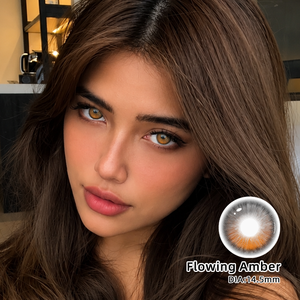
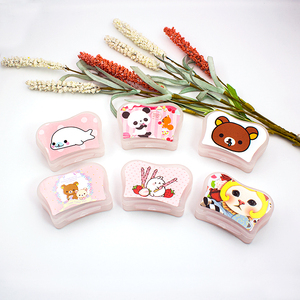
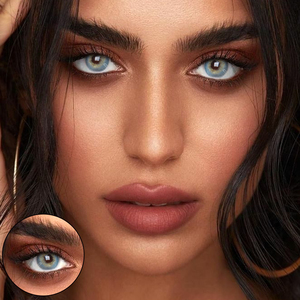
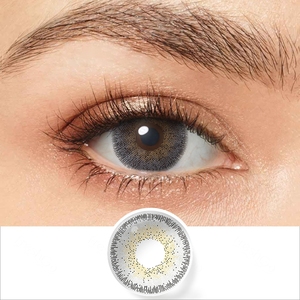
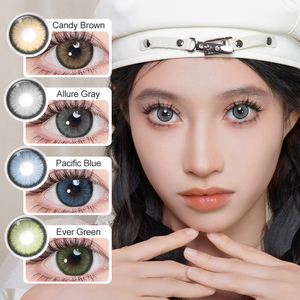
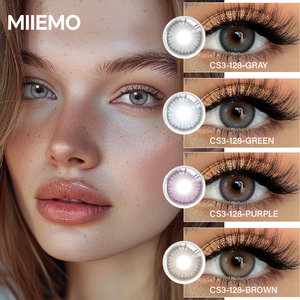
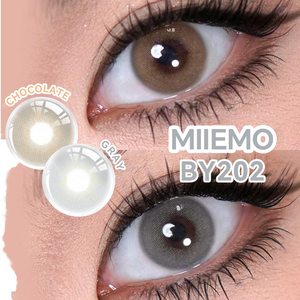
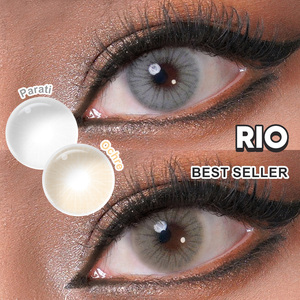
Executive Financial Breakdown: Comprehensive OEM Cost Components
Entering the contact lens retail space requires a clear understanding of Class II and Class III medical device production dynamics. Unlike standard fashion accessories, contact lenses reside at the intersection of medical compliance, optical precision, and consumer aesthetics. To launch a commercially viable brand, buyers must calculate both initial capital expenditures (CapEx) and recurring operational expenses (OpEx).
The total capital required to launch a contact lens brand typically spans from $3,500 to $150,000 depending on your business model: white-label stock catalog sourcing, full custom OEM pattern development, or nationwide retail pharmacy placement. Below is the granular breakdown of cost centers involved in custom OEM contact lens manufacturing:
| Cost Category | Entry-Level (White Label / Small Batch) | Growth Brand (Custom OEM Color Patterns) | Enterprise Level (Custom Mold / High Volume) |
|---|---|---|---|
| Target Audience | E-commerce boutiques, Instagram brands | Established cosmetic lines, chain stores | National pharmacy chains, international optics |
| Minimum Order Quantity (MOQ) | 500 - 2,000 pairs | 5,000 - 20,000 pairs | 50,000+ pairs |
| Unit Production Cost | $1.20 - $2.50 per pair | $0.65 - $1.20 per pair | $0.35 - $0.60 per pair |
| Packaging & Labeling Customization | $300 - $800 (Overprint / Sticker) | $1,200 - $3,500 (Custom Box / Blister) | $5,000 - $12,000 (Fully Bespoke Kits) |
| Regulatory Testing & Compliance | Included in Supplier Certificate | $1,000 - $3,000 (Local Registration) | $10,000 - $40,000 (FDA 510k / Full MDR) |
| Total Estimated Initial Investment | $3,500 - $7,500 | $15,000 - $45,000 | $80,000 - $200,000+ |
1. Raw Material Engineering & Manufacturing Technology
The foundation of unit costs relies on material chemistry and lens fabrication technology:
- Hydrogel (HEMA / PolyHEMA): Cost-effective material with water content ranging from 38% to 45%. HEMA material lenses are standard for cosmetic and short-wear applications, offering lower unit production expenses ($0.35 - $0.80 per pair).
- Silicone Hydrogel (SiHy): Offers high oxygen transmissibility ($Dk/t > 80$), allowing extended comfort and safe daily wear. Silicone hydrogel raw materials require advanced polymer polymerization and cast molding technology, increasing unit costs by 35% to 60%.
- Manufacturing Methods: High-precision Cast Molding is utilized for volume efficiency and consistent base curves ($8.6\text{mm}$) and diameters ($14.0\text{mm} - 14.5\text{mm}$). Custom specialty optics or toric color lenses may require Lathe Cutting, which raises single-unit labor costs.
2. Pigment Sandwich Technology & Custom Print Plate Fees
Cosmetic colored contact lenses require specialized triple-layer embedding (Sandwich Printing Tech) to prevent pigment contact with the cornea. When designing custom color patterns (e.g., natural iris patterns, 3-tone blends, or cosplay effect lenses), suppliers charge a one-time printing plate creation fee (typically $150 to $400 per color channel/SKU design).
3. Primary Blister Packaging vs. Secondary Retail Packaging
The visual identity of your eye care line directly drives brand equity and consumer trust. Costs break down as follows:
- Primary Packaging: Polypropylene (PP) blister packs with heat-sealed medical-grade aluminum foil. Unit cost ranges from $0.05 to $0.15 per blister, including saline solution buffering and thermal autoclave sterilization ($121^\circ\text{C}$ for 20 minutes).
- Secondary Packaging: Custom paperboard folding cartons with UV coating, foil stamping, anti-counterfeiting seals, and compliance leaflets. Custom printed cartons have a minimum order threshold of 3,000 to 5,000 units, costing approximately $0.15 to $0.50 per box.
Future Procurement Trends & Market Evolution (2025–2030)
The global contact lens industry is undergoing a structural paradigm shift driven by evolving consumer habits, medical technology breakthroughs, and stringent international medical device regulations. Brands planning prospective supply chains must align their procurement strategies with four key macro trends:
A. Material Transition to High-Oxygen Silicone Hydrogel
Global buyers are shifting away from traditional HEMA lenses toward breathable Silicone Hydrogel (SiHy). Modern consumers demand all-day hydration and dry-eye prevention, especially given increased screen usage. OEM manufacturers that offer SiHy color lenses with low modulus and high water content will command premium market pricing and higher customer retention rates.
B. "Beauty + Ophthalmic Health" Cross-Category Kits
Retail strategy has moved beyond standalone lens sales. Forward-thinking beauty brands and pharmacies are procuring integrated eye care systems: pairing custom color lenses with preservative-free lubricating eye drops (Hyaluronic Acid formulations), multipurpose disinfecting solutions, and custom antimicrobial storage cases. Bundling items expands cart value by 180% to 300%.
C. Environmental Sustainability & Eco-Friendly Packaging
European and North American markets are demanding reductions in single-use plastic waste. Key innovations include bio-based polypropylene blister packs, lightened foil lids, and recyclable paper secondary boxes. Suppliers offering eco-compliant supply chains enable brands to meet strict corporate ESG targets.
D. Strict Regulatory Harmonization (EU MDR & US FDA 510k)
Regulatory hurdles are increasing worldwide. The European Union's transition to the Medical Device Regulation (MDR 2017/745) and strict US FDA clearance demand full batch traceability, clinical safety audits, and ISO 13485 QMS certification from OEM suppliers. Working with pre-certified global factories drastically reduces time-to-market risks.
The Step-by-Step OEM/ODM Launch Roadmap
From initial design concept to final warehouse delivery, partnering with an experienced contact lens manufacturer ensures a smooth production timeline of 30 to 60 days. The roadmap includes:
Concept & Brief
Target audience selection, lens parameter definition (diameter, base curve, power range 0.00 to -10.00D), shade selection.
Sample Proofing
Physical lens trial samples, color density verification under variable ambient lighting, hydration stability testing.
Artwork & Regulatory
Diaper packaging design, barcode generation, multi-language warning text review, ISO/CE compliance sign-off.
Cast Molding & Sterilization
Automated lens molding, pigment printing, blister sealing, high-pressure steam autoclaving, bio-burden testing.
Logistics & Delivery
Full-lot tracking, certificate of analysis (COA) issuance, door-to-door temperature-controlled air/sea shipment.
Enterprise Supply Chain Capabilities: Why Partner with kyralens Technology Co.,Ltd
As a global wholesaler, developer, and manufacturer specialized in private label eye care solutions, kyralens Technology Co.,Ltd bridges technical innovation with end-to-end retail execution. Rooted in strong international operational logistics (with European operations located at Faradaystraat 14, 6718 XT Ede, Netherlands), we support retail chains, drugstore groups, and optical distributors across Europe, the Middle East, and Asia.
1. Total Category Integration
We deliver a unified shelf solution. Manage your entire eye care segment under one manufacturer: clear daily/monthly lenses, cosmetic color lenses, lubricating eye drops, peroxide solutions, travel cases, and reading glasses.
2. Rigorous Regulatory Documentation
Every batch comes with full lot traceability, Declarations of Conformity, CE certifications, ISO 13485 QMS documentation, and localized multi-lingual regulatory labeling tailored to your destination market.
3. Flexible Scale & Commercial Security
Whether structuring a regional pilot launch or a full national roll-out across thousands of retail stores, our structured MOQs and tiered cost formulas safeguard your profit margins.
Trusted by Global Retail Leaders & Pharmacy Chains



Frequently Asked Questions (Procurement FAQ)
Clear, direct answers regarding contact lens OEM startup investment, production parameters, and compliance.
Ready to Build Your Private Label Eye Care Line?
Connect with our OEM/ODM project engineering team. Request a detailed cost estimate, sample box, and market feasibility consultation today.