Featured Private Label & OEM Product Catalog
Explore high-volume OEM/ODM contact lens lines, cosmetic color collections, and optical supplies ready for customized private label deployment.
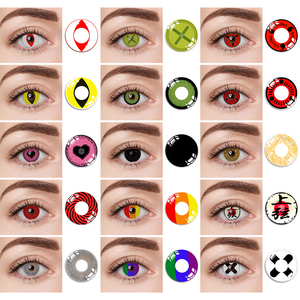
MILL CREEK Colored Contact Lenses Lentes De Contacto Wholesale OEM HEMA Yellow Yearly 14.5mm Cosplay Anime Demon-Eye Crazy
Send an Inquiry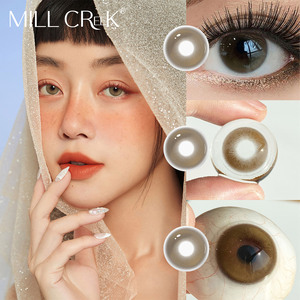
Bulk Order Soft Natural Brown Colored Contact Lenses for Factory Price Customizable Packaging Fast Shipping
Send an Inquiry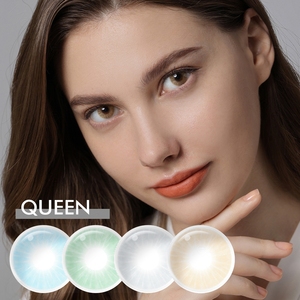
Magister Queen Colored Contact Lenses Natural Coloured Eye Contact Lens Pupilentes Lentes De Contacto De Colores Private Logo
Send an Inquiry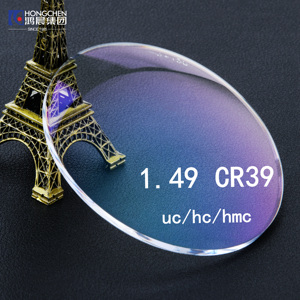
HONGCHEN China Factory Wholesale 1.499 CR 39 Hard Coating White Single Vision Optical Lenses Factory
Send an Inquiry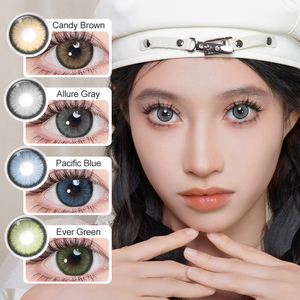
Free Shipping Products Magister Lenses Eye Contact Wholesale 14.5mm Colored Contacts Soft Natural Brown Eye Color Contact Lens
Send an Inquiry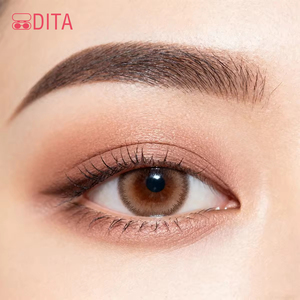
Hot Sale Colored Contact Lenses 14.2mm Natural Brown Daily Disposable Soft Cosmetic Eye Lenses CE Certified
Send an Inquiry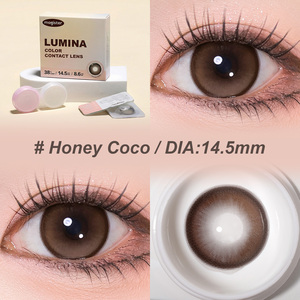
Full Color Printed Contact Lens Magister Lumina Colored Contact Lenses 6 Months Eye Contact 14.5mm Eye Lens Lentes De Contacto
Send an Inquiry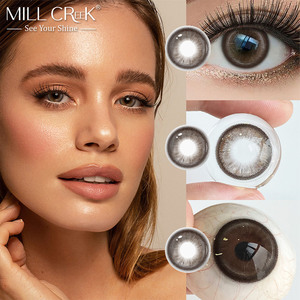
Bulk Natural Colored Contact Lenses 14.0mm 14.5mm 4 Soft Shades Yearly Disposable OEM ODM Factory Supply for Resellers
Send an InquiryPart 1: Key Evaluation Criteria for Selecting a Contact Lens OEM/ODM Factory
The global contact lens market is transitioning rapidly. Selecting the right original equipment manufacturer (OEM) or contract manufacturing partner is a high-stakes decision for optical retail chains, pharmacy buyers, and global health distributors. Because contact lenses are categorized as Class IIa or Class IIb medical devices across major international regulatory frameworks, procurement professionals must move beyond basic price-per-unit metrics and thoroughly evaluate technical, material, and regulatory capabilities.
1. Polymer Chemistry & Material Science Capabilities
A primary indicator of OEM capability is the breadth of hydrogel and silicone hydrogel (SiHy) polymer formulations available for custom casting. Modern consumer demand is shifting from traditional 2-HEMA hydrogel towards breathable, high oxygen-transmissibility (Dk/t) materials.
Evaluating polymer chemistry involves three crucial parameters:
- Oxygen Transmissibility (Dk/t): Essential for corneal health during daily and extended wear schedules.
- Modulus of Elasticity: Lower modulus ensures softness and instant comfort upon insertion, whereas higher modulus provides structural integrity for beginner wearers.
- Wettability & Surface Treatments: Advanced OEMs integrate plasma surface treatment or non-leaching internal wetting agents (such as PVP) directly into the monomer mix to lock in moisture without relying on external eye drops.
2. Manufacturing Precision: Cast Molding vs. Lathe Cutting
When selecting a contact lens factory, contract buyers must verify the precise production methodology employed. Modern high-volume OEM manufacturing relies almost exclusively on Precision Cast Molding (PCM).
| Manufacturing Technology | Production Throughput | Edge Quality & Smoothness | Ideal Application | Unit Cost Scalability |
|---|---|---|---|---|
| Fully Automated Cast Molding | Ultra-High (>100k units/day) | Micron-level repeatability, ultra-smooth edges | Daily & Monthly Disposables, Cosmetic Color Lenses | Exceptional (Low marginal cost) |
| Computerized Lathe Cutting | Low to Medium | Requires secondary polishing | Rigid Gas Permeable (RGP), Custom Toric/Prosthetics | High per-unit cost |
| Spin-Casting Hybrid | Moderate | Aspherical exterior, spherical interior | Standard spherical hydrogel lenses | Moderate |
3. Micro-Encapsulated Color Printing Technology (For Cosmetic Lenses)
For retailers offering cosmetic or color contact lenses, safety is paramount. Low-grade manufacturers print pigments directly onto the outer surface of the lens, raising risks of pigment leaching, corneal abrasion, and eye infection. Premier OEM manufacturers utilize Sandwich Encapsulation Technology (Micro-encapsulation), printing color layers between two inert, clear hydrogel hydro-shield layers to ensure the pigments never touch the eye.
4. Regulatory Dossiers & Cleanroom Automation Standards
Contract buyers must ensure the manufacturing site operates under strict ISO 13485:2016 Quality Management Systems for Medical Devices, backed by ISO Class 8 (Class 100,000) cleanrooms equipped with automated high-speed packaging, automated optical inspection (AOI) for defect detection, and online laser blister sealing. Verification of regulatory dossiers (EU MDR CE certificates, US FDA 510(k), US ISO accreditation) is non-negotiable prior to signing long-term OEM contracts.
Part 2: Future Procurement & Market Development Trends (2025–2030)
The vision care sector is undergoing a structural transformation driven by changing consumer lifestyle habits, prolonged digital screen usage, expansion of optical retail private labels, and heightened environmental awareness. Procurement managers must position their brands to capture these emerging macro trends.
Silicone Hydrogel Domination
Rapid shift from 2-HEMA to high-Dk Silicone Hydrogel daily disposables across both clear and cosmetic lens segments.
Sustainable Packaging
Transition toward 80% reduced plastic blisters, recycled secondary cartons, and biodegradable foil lids.
Private Label Expansion
Pharmacy chains & retail giants building proprietary eye care shelves to secure 60%+ gross profit margins.
Smart & Medicated Lenses
R&D growth in moisture-releasing matrices, blue-light blocking filters, and drug-eluting contact lens designs.
Supply Chain Resilience
Shift toward dual-sourcing models with localized European/Asian distribution hubs to mitigate delivery lead times.
1. The Accelerating Pivot to Daily Disposable Silicone Hydrogel
Consumer demand is overwhelmingly skewing toward single-use daily disposable contact lenses due to compliance ease, hygiene benefits, and zero maintenance requirements. Contract buyers are prioritizing OEM factories that possess scalable multi-cavity cast molding machines for SiHy daily disposables. High-speed automation lowers the unit cost gap between hydrogel and silicone hydrogel, making SiHy daily disposables commercially viable for mainstream drugstore private labels.
2. Eco-Conscious Contact Lens Packaging & Sustainable Manufacturing
Single-use packaging generates significant polypropylene blister waste and aluminum foil trash. Forward-thinking OEM factories are introducing green manufacturing practices, including:
- Slimline Flat-Pack Blisters: Utilizing up to 80% less plastic than traditional convex blisters, allowing more compact shipping volumes and reduced carbon footprint.
- Post-Consumer Recycled (PCR) Cartons: Certified FSC outer packaging printed with eco-friendly soy-based inks.
- Closed-Loop Water Recycling: Advanced water treatment systems operating within contract factories during lens hydration phases.
3. The Strategic Rise of Retailer-Owned Private Labels
Global pharmacy giants, optometry chains, and e-commerce players are actively replacing low-margin national contact lens brands with high-margin private label alternatives. By controlling product specifications, packaging aesthetics, and parameter ranges, optical retailers lock in customer loyalty and boost customer lifetime value (LTV).
Part 3: Enterprise Capabilities & Global Private Label Synergy
Kyralens Technology Co., Ltd. (located at Faradaystraat 14, 6718 XT Ede, The Netherlands) serves as a specialized global contract developer, OEM supply aggregator, and distributor of comprehensive private label eye care products. We bridge the operational gap between medical-grade manufacturing facilities and global retail chains.
1. Turnkey Category Management Across 6 Essential Verticals
Instead of managing fragmented vendors across multiple regions, buyers leverage Kyralens as a single, coordinated supply chain partner offering full shelf integration across six major optical verticals:
- Soft Contact Lenses: Daily, bi-weekly, and monthly disposables in hydrogel and silicone hydrogel materials.
- Cosmetic Colour Lenses: Trend-led natural, accent, and vibrant shade collections with or without optical correction.
- Contact Lens Care Solutions: Multi-purpose disinfectant solutions and hydrogen peroxide care systems.
- Lubricating Eye Drops: Preservative-free and lens-compatible rewetting drops for screen-strain relief and dry eye syndrome.
- Accessories & Storage Cases: Ergonomic lens cases, travel kits, and care kits in customizable brand colorways.
- Ready-to-Wear Reading Glasses: Stylish, pre-assembled readers compliant with international optical standards.
Trusted by World-Class Retail & Pharmacy Leaders
Our private label programs power leading drugstore, grocery, and pharmacy networks across Europe, the Middle East, and Asia.




2. Multi-Market Regulatory & Documentation Dossier Management
Launching private label medical devices requires robust regulatory support. Kyralens provides complete multi-lingual artwork customization, country-specific labelling audits, declarations of conformity, batch sterilization validation certificates, and full lot-number traceability records to guarantee seamless customs clearance and retail compliance.
Part 4: Frequently Asked Questions (FAQ) for OEM Buyers
Detailed answers to key operational, technical, and regulatory questions raised during contract lens supplier evaluations.
What is the difference between OEM, ODM, and Private Label contract manufacturing for contact lenses?
OEM (Original Equipment Manufacturing): The factory produces contact lenses based on your exact proprietary technical specifications, polymer formulations, base curve/diameter dimensions, and artwork designs.
ODM (Original Design Manufacturing): The factory provides pre-engineered, fully certified lens designs and shade collections, which are then custom-packaged under your brand identity.
Private Labeling: Kyralens manages the complete end-to-end product development, sourcing, multi-lingual compliance packaging, and regulatory documentation so retailers can sell high-quality eye care products under their store brand without heavy initial technical R&D investment.
What regulatory certifications are required before importing OEM contact lenses into Europe, the Middle East, or Asia?
Contact lenses are class-certified medical devices. Key requirements include:
- European Union: CE Marking under EU MDR 2017/745 (Class IIa for clear soft lenses, Class IIb for cosmetic/tinted lenses), supported by an ISO 13485:2016 quality management system certificate and Notified Body approval.
- Middle East: Registration with regional health authorities (e.g., SFDA in Saudi Arabia, MoHAP in UAE) backed by Free Sale Certificates (FSC) and technical dossier summaries.
- Asia: Country-specific health authority approvals (such as NMPA, PMDA, or MFDS) requiring local clinical evaluations and bio-compatibility testing reports.
How is quality control and sterile package integrity validated during high-volume production?
Quality assurance follows multi-stage physical and biological testing. Lenses undergo 100% Automated Optical Inspection (AOI) for edge tear defects, micro-bubbles, and inclusion voids prior to blister filling. Post-packaging, blisters are steam-autoclaved under validated cycle parameters to achieve a Sterility Assurance Level (SAL) of 10-6. Each batch undergoes residual monomer testing, bio-burden testing, peel-strength foil integrity checks, and 5-year accelerated stability shelf-life studies.
What are typical Minimum Order Quantities (MOQs) for custom OEM color contact lens orders?
MOQs depend on whether you select standard stock shades or require custom color tint development. Standard private-label shade collections typically start at 1,000 to 3,000 units per shade/diopter combination. Custom pantone color development or bespoke packaging die-cuts may require 10,000+ units per SKU to optimize cast-mold setup costs. Kyralens works with procurement teams to structure pilot launches that balance initial order volume with unit cost efficiency.
How do you ensure color printing accuracy and eye safety in cosmetic OEM lenses?
We mandate the Sandwich Printing Process across all cosmetic lens production. Non-toxic, medical-grade color pigments are embedded inside inner hydrogel layers rather than printed onto the surface. Spectrophotometer color-matching technology guarantees batch-to-batch shade consistency across high-volume production runs.
What is the standard production lead time from artwork approval to warehouse delivery?
For initial private label projects, lead times average 35 to 50 days, allowing time for custom packaging printing, blister filling, autoclaving, quality release testing, and export documentation preparation. Repeat replenishment orders are typically fulfilled within 20 to 30 days, with optional safety-stock buffering available at our Netherlands warehouse facility.
Ready to Build or Scale Your Eye Care Private Label?
Connect with our senior OEM optical procurement specialists today. We will help you select compliant polymer materials, design retail-ready packaging, and structure competitive bulk quotes for your target markets.