Featured OEM Contact Lenses & Accessories
High-precision optical solutions, cosmetic color contacts, and specialized care kits engineered under Korean medical-grade manufacturing standards.
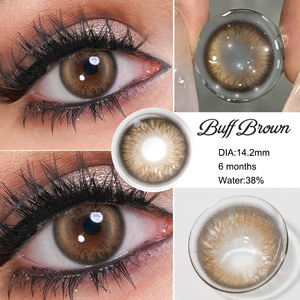
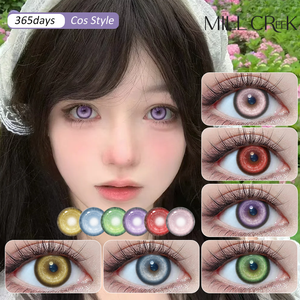
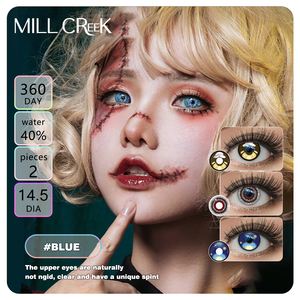
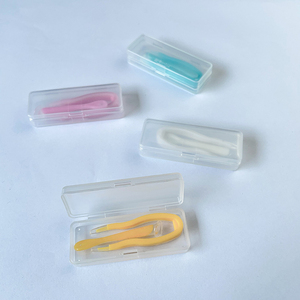
1. Executive Summary: The Strategic Evolution of Custom OEM Contact Lens Manufacturing
The global contact lens market is experiencing a profound paradigm shift driven by advancing material science, accelerating demand for cosmetic optical enhancement, and strict international medical device regulations. Procurement officers, retail brand managers, and pharmaceutical distributors sourcing contact lenses require partnerships that combine scientific innovation with robust supply chain integrity. As a specialized Custom OEM Korean Contact Lens Manufacturer & Exporter, our operational framework addresses the exact demands of international buyers seeking private label exclusivity, technical superiority, and regulatory compliance.
Korean optical manufacturing has earned global recognition for pioneering aesthetic contact lens design while maintaining rigorous medical-grade standards. Unlike generic contract manufacturers, premium Korean OEM facilities utilize automated double-sided cast molding, sub-micron surface lathe cutting, and bio-compatible polymer matrix formulations. This whitepaper serves as an authoritative guide for B2B buyers evaluating private label contact lens OEM/ODM programs, material specifications, regulatory documentation, and strategic procurement trends spanning 2025 to 2030.
Information Gain Key Insight: Modern contact lens procurement has shifted from simple price-per-unit evaluation to a multi-dimensional risk matrix encompassing oxygen permeability coefficient ($DK/t$), surface wettability angle, color sandwich pigment isolation integrity, and multi-jurisdictional medical device clearance (EU MDR, US FDA 510k, MFDS).
2. Future Procurement Trends in the Global Contact Lens Industry (2025–2030)
Understanding emerging market trajectories is critical for brand owners planning product roadmaps. Over the next five years, five structural shifts will redefine global contact lens procurement and distributor strategy:
1. Silicone Hydrogel Migration
Traditional HEMA (Hydroxyethyl methacrylate) materials are rapidly transitioning toward third-generation Silicone Hydrogel formulations. Procurement channels are demanding higher oxygen permeability ($DK/t > 100$) to support extended daily wear without corneal hypoxia.
2. Bio-Inspired Hydration Matrix
Incorporation of active bio-compatible agents such as Phosphorylcholine (MPC) and Hyaluronic Acid (HA) directly into the polymer network. This dramatically reduces lipid deposition and maintains tear-film stability over 16+ hours of digital screen exposure.
3. Hyper-Realistic Aesthetic Printing
Cosmetic color contacts are evolving beyond stark solid tints toward multi-layered 3-tone and 4-tone iris replication. Micro-dot printing technology creates natural gradient blending tailored to diverse global ethnic eye colors.
Sustainable Single-Use Packaging & Carbon Neutral Logistics
Environmental regulations across the EU and North America are forcing brand owners to evaluate the lifecycle impact of single-use blister packaging. Leading OEM Korean exporters are innovating lightweight polypropylene (PP) blister foils, recyclable secondary cartons, and micro-volume saline packaging to decrease plastic mass per blister by up to 28% without compromising sterile seal integrity.
3. Product Development & Material Science Benchmark
Evaluating OEM manufacturing quality requires a granular comparison of polymer compositions, optical geometries, and manufacturing methodologies. Below is an engineering comparison matrix of primary soft contact lens substrates produced within our Korean OEM facilities:
| Material Classification | Water Content (%) | Oxygen Transmissibility ($DK/t$) | Modulus (Elasticity MPa) | Primary Clinical & Market Target |
|---|---|---|---|---|
| Standard Poly-HEMA | 38% – 42% | 12 – 18 | 0.35 – 0.45 | Cost-effective cosmetic monthly contacts, fashion cosplay lenses. |
| MPC Hydrogel (Bio-compatible) | 55% – 58% | 25 – 32 | 0.30 – 0.38 | Sensitive eyes, dry environment daily disposables, premium prescription. |
| Gen-3 Silicone Hydrogel | 45% – 48% | 100 – 130 | 0.50 – 0.65 | High-Dk premium daily/monthly wear, corrective astigmatism optical lines. |
| Cosmetic Color Sandwich HEMA | 40% – 43% | 18 – 22 | 0.40 – 0.50 | Multi-tone decorative lenses with zero direct pigment-to-cornea contact. |
Micro-Encapsulated Sandwich Printing Technology
A critical quality differentiator in Korean cosmetic lens manufacturing is Sandwich Color Printing Technology. In low-cost generic manufacturing, pigment layers are often printed directly on the lens surface, exposing the delicate corneal epithelium to abrasive dye particles. Our advanced process embeds organic, non-toxic bio-pigments safely between two micro-thin hydrogel layers. This ensures that the colored layer never touches eye tissues, maintaining smooth surface wettability and preventing color fading during storage or wear.
4. Enterprise OEM/ODM Manufacturing Mastery & Supply Chain Integrity
Building a successful private label eye care line demands more than high-quality lenses; it requires a integrated supply chain partner capable of handling regulatory submissions, custom box packaging, solution formulation, and global shipping logistics.
Full-Spectrum Private Label Integration
We provide a turnkey OEM/ODM ecosystem encompassing custom optical powers (-0.00 to -10.00 D, torics, and hyperopia), bespoke base curves (8.5mm to 8.7mm), custom diameter parameters (14.0mm to 14.5mm), and exclusive pattern design software for unique visual brand signatures.
Class 100,000 Cleanroom & Automation
All production stages—from polymer mixing, injection cast molding, hydration, inspection, to blister sealing—take place in state-of-the-art ISO Class 7 (Class 100,000) cleanroom environments utilizing high-speed Automated Optical Inspection (AOI) robotics that inspect 100% of lenses for edge defects and surface inclusions.
As demonstrated across global retail partnerships (including drugstores, optical retail chains, and international online platforms), our manufacturing facility maintains complete lot traceability, multi-lingual blister labeling, and robust stability testing protocols for 3-year to 5-year product shelf lives.
5. The Private Label OEM/ODM Procurement Roadmap
Executing a seamless private label launch involves a structured 5-phase engineering protocol designed to minimize lead times and ensure regulatory approval across target destination countries:
- Phase 1: Concept & Parameter Specification: Defining optical power spectrum, target water content, replacement cadence (Daily, Monthly, Yearly), color patterns, and packaging layout.
- Phase 2: Custom Mold & Pattern Proofing: Rapid prototyping of print designs using high-resolution laser cliché plates and sample batch hydration runs.
- Phase 3: Regulatory Technical File Compilation: Assembling CE technical files, ISO 13485 audit records, Certificate of Free Sale (CFS), and ingredient toxicity profiles for local health authority registration.
- Phase 4: Automated Mass Production & AOI Quality Gate: High-speed double-sided cast molding, automated saline filling, foil heat-sealing, and high-pressure steam autoclave sterilization at 121°C.
- Phase 5: Retail Packaging & Global Logistics: Secondary carton assembly, barcoding (GTIN/EAN-13), batch coding, and temperature-controlled global export logistics.
6. Frequently Asked Questions (B2B Procurement & OEM Manufacturing)
What distinguishes OEM Korean contact lens manufacturing from other global suppliers?
What is the Minimum Order Quantity (MOQ) for custom private label orders?
What international regulatory certifications do your manufacturing facilities hold?
How does Sandwich Technology protect the wearer’s eyes in color contact lenses?
Can you provide full custom packaging solutions, including blister foils and secondary cartons?
What is the typical production lead time for custom OEM contact lens orders?
What material options are recommended for prescription daily disposables versus cosmetic monthly lenses?
How can international distributors request pre-production samples for clinical evaluation?
Partner with a Premier Korean OEM Contact Lens Exporter
Accelerate your brand's optical market growth with customized private label solutions, medical-grade manufacturing precision, and complete global regulatory support.
Get Catalog