Custom OEM Contact Lens Product Portfolio
Factory-direct private label manufacturing, precision optical instruments, cosmetic color matrices, and certified care systems engineered for global retail networks.
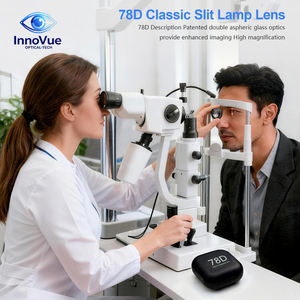
InnoVue 78D Contact Aspheric Ophthalmic Lens CE ISO Certified
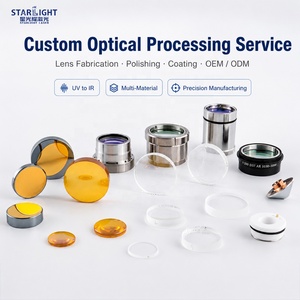
Custom Optical Components Manufacturing & Coating Service
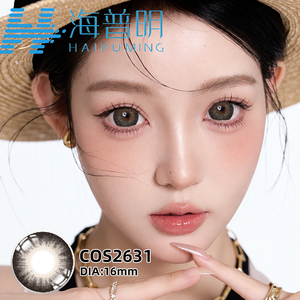
Wholesale Soft Cosmetic Colored Contact Lenses 16mm HEMA
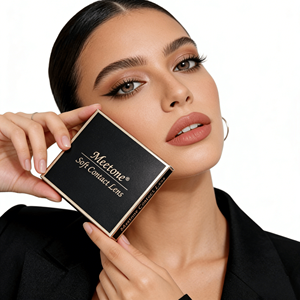
Private Label OEM Paper Packaging Cosmetic Color Contact Lenses
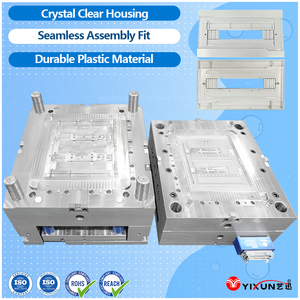
Custom Plastic Injection Mold Contact Lens Washer & Cleaner
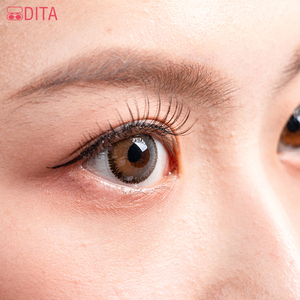
Private Label OEM Natural Brown Soft Colored Contact Lenses
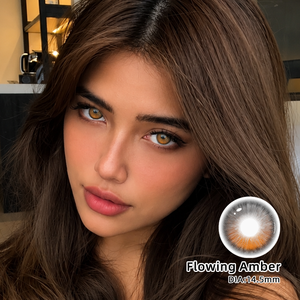
14.5mm OEM Cosplay & Halloween Party Colored Contact Lenses
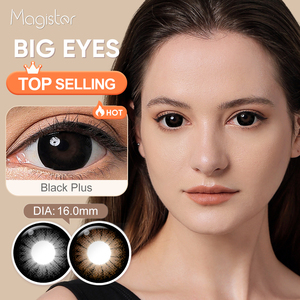
Magister Series 16mm Natural Soft Eye Color Contact Lenses
B2B Whitepaper: Engineering Standards for Custom OEM Monthly Colored Contact Lenses
In the global ocular retail and cosmetic contact lens industry, selecting a qualified Custom OEM monthly colored contact lenses supplier & manufacturer represents a pivotal strategic decision. Monthly disposable contact lenses occupy a dominant sweet spot between cost efficiency for consumers and sustained revenue generation for retailers, pharmacies, and optical store chains. Unlike daily disposables—which demand high volume replenishment—or yearly lenses—which carry higher contamination risks over time—the monthly replacement modality delivers optimal physiological safety, consistent hydration, and balanced oxygen transmissibility ($Dk/t$).
From a polymer chemistry perspective, modern colored contact lens manufacturing relies on advanced hydrogel materials such as PolyHEMA (Poly-2-hydroxyethyl methacrylate) blended with NVP (N-Vinylpyrrolidone) or second-generation Silicone Hydrogel formulations. These polymers provide dimensional stability, low elastic modulus (preventing corneal abrasion), and superior wettability, minimizing lipid and protein deposit buildup across a 30-day wear cycle.
To comply with strict medical device standards (such as EU MDR 2017/745 and US FDA 510k criteria), professional OEM color lenses utilize bio-compatible sandwich printing. Non-toxic, micro-encapsulated organic pigments are embedded inside the inner polymer core rather than printed directly on the lens surface. This guarantees zero direct contact between dye particles and the corneal epithelium, completely preventing pigment leaching or eye irritation.
Material Metrics & Ocular Physiology
When specifying OEM monthly colored contact lenses for commercial distribution, optical procurement managers must evaluate several interrelated physical parameters:
| Polymer Type | Water Content (%) | Oxygen Permeability (Dk/t) | Primary Clinical Benefit | Ideal Retail Positioning |
|---|---|---|---|---|
| Standard PolyHEMA Hydrogel | 38% - 42% | 15 - 22 Dk/t | Low dehydration rate; high physical tear resistance | Mass-market cosmetic & fashion chains |
| High-Moisture HEMA-NVP Co-polymer | 45% - 55% | 25 - 30 Dk/t | Immediate end-of-day wear comfort; high initial wettability | Premium drugstore & specialty beauty stores |
| Silicone Hydrogel (Fluorosilicone) | 38% - 45% | 80 - 120 Dk/t | Ultra-high oxygen flux; reduced corneal hypoxia risk | Professional optical clinics & pharmacy networks |
Furthermore, precision cast-molding processes ensure that edge geometry features a smooth, rounded edge profile. This micro-edge design minimizes lid sensation during blinking, promoting tear turnover underneath the lens to wash away metabolic debris—a key requirement for maintaining clear visual acuity and ocular health over 30 days of continuous monthly wear.
Enterprise OEM & ODM Customization Spectrum
As a fully certified optical manufacturer, our custom OEM/ODM production lines support comprehensive private label branding tailored to regional demographic preferences across Europe, the Middle East, and Asia-Pacific.
Custom Iris Optics & Tones
From subtle 1-tone natural blending to 3-tone limbus enhancement and high-opacity cosplay vibrant hues (14.0mm to 16.0mm diameter).
Private Label Packaging
Bespoke blister foils, multi-lingual inner leaflets, barcode integration, and luxury outer paper box packaging ready for retail shelf display.
Regulatory Document Bundles
Turnkey delivery of CE certificates, ISO 13485 audit reports, Certificate of Free Sale (CFS), and batch stability testing reports for fast registration.
Strategic Future Sourcing & Industry Trends (2025–2030)
The global colored contact lens market is transitioning rapidly due to shifting consumer behavior, online visual culture, and tightening regulatory oversight worldwide. Key trends shaping B2B sourcing include:
1. Accelerating Demand for Monthly Replacement Modalities
While daily disposables are popular in specific Western regions, global retail trends indicate a sharp increase in consumer preference for monthly disposable color lenses. Monthly lenses provide a significantly lower cost-per-wear ratio while enabling consumers to switch aesthetic eye colors as part of their routine monthly makeup regimens. Retailers report higher gross margins and superior repeat-purchase retention rates with branded monthly subscriptions.
2. Rise of Silicone Hydrogel in Cosmetic Lenses
Historically, cosmetic lenses were restricted to traditional HEMA materials due to pigment bonding limitations in silicone. Recent manufacturing breakthroughs in surface plasma treatment and dual-phase monomer synthesis allow color pigments to lock securely within silicone hydrogel matrices. B2B buyers should anticipate that high-Dk/t silicone monthly colored lenses will command premium shelf space over the next five years.
3. Regulatory Consolidation & Supply Chain Traceability
Regulators worldwide (including EU MDR and US FDA) are reclassifying cosmetic contact lenses into elevated medical device risk categories. Suppliers lacking ISO 13485 cleanroom infrastructure or automated optical inspection systems will be phased out of mainstream retail networks. Procurement managers must prioritize manufacturers providing complete lot traceability, automated optical power verification, and full bio-burden control.
4. Eco-Conscious Packaging & Sustainable Manufacturing
Sustainability is moving to the forefront of brand strategy. Emerging trends feature recyclable blister plastics, reduced-aluminum peel foils, and biodegradable outer paper packaging. OEM partners that streamline material weight and offer bio-based solution bottles provide retail brands with a compelling ESG narrative.
Enterprise Advantages: Why Partner with Kyralens Technology Co., Ltd.
Kyralens Technology Co., Ltd. is a global developer, manufacturer, and wholesaler specializing in private label contact lenses, cosmetic color series, ophthalmic lenses (including InnoVue series), lubricating drops, and lens care systems. Serving major retail ecosystems, pharmacy networks, and optical chains across Europe, the Middle East, and Asia, our operations stand out across key strategic pillars:
Proven Retail Partnerships
Trusted by tier-1 global retail heavyweights including Watsons, Rossmann, Kruidvat, Trekpleister, Ahold Delhaize, Albert Heijn, Etos, Nahdi, GMG, Eureka, Migros, and REWE.
State-of-the-Art Cleanroom Infrastructure
Class 100,000 cleanroom environments equipped with high-speed automated cast-molding machinery, laser edge inspectors, and computerized liquid injection systems.
End-to-End One-Stop Category Management
From single-tone natural lenses to specialized ophthalmic optical components (78D/90D lenses), disinfectant solutions, lens washers, and reading glasses—we cover your total shelf ecosystem.
B2B Procurement FAQ: Custom OEM Monthly Colored Contact Lenses
Addressing core technical, regulatory, and supply chain questions raised by enterprise procurement officers and optical product category managers.
MOQs vary depending on packaging customized options and shade choices. For standard stock private label packaging, MOQs start as low as 500 to 1,000 pairs per SKU. For complete custom iris print design and bespoke box printing, MOQs typically start at 5,000 pairs across mixed power ranges (-0.00 to -8.00 Diopters).
We employ micro-encapsulation sandwich technology where dye pigments are sealed securely within the hydrogel monomer layers. Lenses undergo cytotoxicity testing, systemic toxicity checks, and ocular irritation trials in compliance with ISO 10993 medical device biocompatibility guidelines.
Every shipment is backed by ISO 13485 Quality Management System certification, CE marking for European distribution, Certificate of Free Sale (CFS), detailed Batch Release Certificates (CoA), and full sterilization validation reports (Moist Heat Autoclaving at 121°C).
Our contact lenses carry a 5-year sterile shelf life from the date of manufacture when stored in unopened saline blister packaging under normal ambient temperatures (1°C to 30°C). Accelerated stability testing data is available for regulatory submission.
Yes. Our in-house optical engineering and graphic team provides complete packaging dielines, barcode generation, translation management (covering English, German, French, Dutch, Arabic, Spanish, etc.), and regulatory labelling reviews customized per country of sale.
Initial sample production and packaging proofing takes approximately 10 to 14 business days. Upon final artwork approval and deposit confirmation, full production delivery is completed within 30 to 45 days.
Launch Your Private Label Colored Contact Lens Line Today
Partner with a global certified optical manufacturer. Contact our category specialists to request product samples, engineering specs, and wholesale factory quotations.