Certified Cosmetic & Medical Contact Lenses
Explore our benchmark private label contact lens matrix. Engineered with advanced sandwich pigment locks, biocompatible hydrogel materials, and fully compliant export documentation for global distribution.
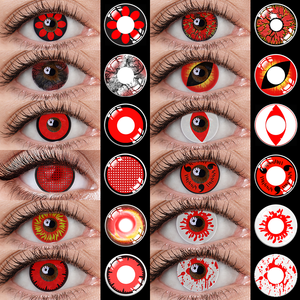
Wholesale Cosplay Crazy Lenses Halloween Red Cosmetic Lens
- Material: Hydrogel (Poly-HEMA)
- Base Curve: 8.6mm | Dia: 14.5mm
- Pigment Isolation: 3-Layer Sandwich
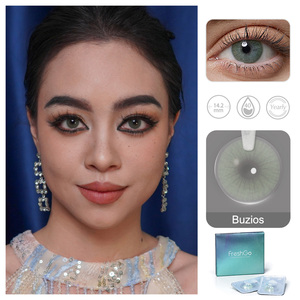
Freshgo Color Contact Lens 40% Water Soft 1-Year Disposable
- Water Content: 40% High Comfort
- Replacement: Yearly Disposable
- Certification: CE / ISO 13485
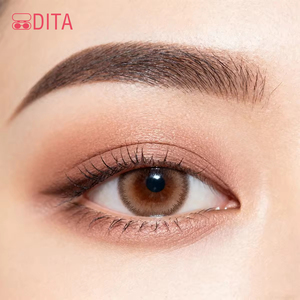
14.2mm Natural Brown Daily Disposable Soft Cosmetic Lenses
- Schedule: Single-Day Disposable
- Diameter: 14.2mm Iris Match
- Oxygen Permeability: High Dk/t
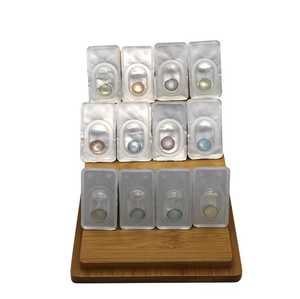
Natural Colors New Look Lady Day Soft Cosmetic Contact Lenses
- Design: Ultra-thin Edge Matrix
- Tints: 12 Natural Accent Shades
- UV Blocking: Integrated UV Filter
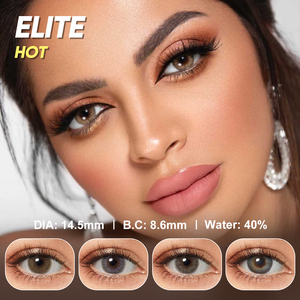
Elite Soft Natural Cosmetic Contacts 14.5mm Private Label
- Packaging: Custom OEM Blister
- Diameter: 14.5mm Enlarging Effect
- Moisture Lock: HA Hydration
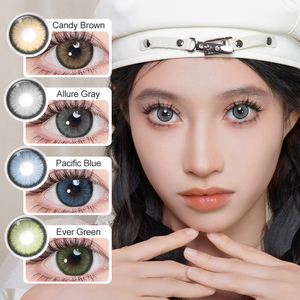
Magister 14.5mm Soft Natural Brown Cosmetic Eye Lenses
- Edge Profile: Smooth Comfort Cut
- Compliance: US FDA / EU MDR Ready
- Target Market: Retail & Beauty Chains
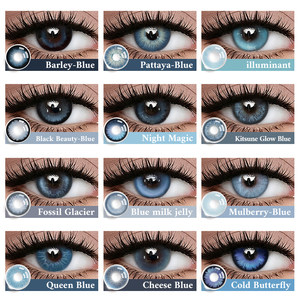
YITONGNIAN Blue Wholesale Yearly 14.5mm Big Eyes Lenses
- Quality Standard: ISO 13485 GMP
- Visual Effect: High Contrast Iris Ring
- OEM MOQ: Scalable Batch Sizes
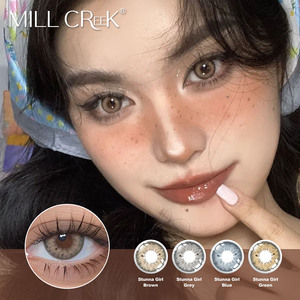
Haipurecon Stunna Girl Natural Soft Contact Lenses Bulk Order
- Application: Dramatic & Cosmetic Wear
- Manufacturing: Full Automated Mold
- Pricing: Direct Factory Tier Rates
Executive Whitepaper: Strategic Manufacturing & Procurement Standards for OEM/ODM Colored Contact Lenses
The global color contact lens sector has evolved from a niche cosmetic accessory into a regulated, high-precision medical device market. Modern procurement officers, retail category directors, and optical distributors face dual challenges: consumer demand for vibrant visual aesthetics and non-negotiable medical safety regulations. Partnering with a certified OEM/ODM certified colored contacts supplier manufacturer & exporter is no longer merely a pricing decision—it is an exercise in risk mitigation, material engineering quality, and supply chain continuity.
As standard-bearers in global eye care development, companies like kyralens Technology Co.,Ltd lead the industry by pairing optical polymer engineering with comprehensive retail category management. This whitepaper presents an authoritative overview of polymer material selection, pigment micro-encapsulation safety, regulatory compliance frameworks, and global procurement trends for 2025 and beyond.
1. Material Science & Polymer Engineering in Modern Contact Lens Manufacturing
The performance of any soft contact lens rests on its polymer architecture. The industry has migrated away from early-generation hydrogels toward advanced hydrogel and silicone hydrogel matrices engineered specifically for color pigment stability and ocular health.
- Poly-HEMA (Polyhydroxyethyl Methacrylate): The benchmark material for soft cosmetic lenses. Poly-HEMA offers predictable mechanical elasticity, exceptional dimensional stability during tinting, and high user comfort for daily or monthly wear cycles.
- Silicone Hydrogel Formulations: Delivering significantly higher oxygen transmissibility (Dk/t ratios exceeding 80–120), silicone hydrogel formulations allow oxygen to pass directly through the lens matrix to the cornea. This mitigates hypoxia risk during extended daily wear, catering to premium retail demographics.
- Water Content & Hydration Retention: Optimal water content ranges between 38% and 58%. While higher water content initially feels softer, lower water content polymers retain hydration longer in dry environment conditions, preventing lens dehydration on the eye.
2. Micro-Encapsulation & The 3-Layer "Sandwich" Pigment Printing Technology
The fundamental benchmark distinguishing certified medical manufacturers from low-tier producers is pigment isolation. Direct color printing onto the outer surface of a lens creates friction against the palpebral conjunctiva and risks chemical dye leaching onto the corneal epithelium.
State-of-the-art OEM/ODM production employs 3-Layer Micro-Encapsulation Sandwich Technology. Under this protocol, biocompatible bio-pigments are embedded completely between two transparent layers of HEMA polymer material. The color layer never comes into contact with ocular tissue or tear film, guaranteeing absolute chemical isolation, zero pigment loss, and frictionless micro-smooth surface comfort.
| Polymer Type | Dk/t (Oxygen Transmissibility) | Water Content | Pigment Integration Method | Primary Target Market |
|---|---|---|---|---|
| Standard Hydrogel (Poly-HEMA) | 15 - 25 Dk/t | 38% - 42% | Triple-Layer Sandwich Micro-Lock | Mass Retail / Cosplay / Promotional |
| Advanced Hydrogel + HA Lock | 28 - 35 Dk/t | 45% - 55% | Bio-Encapsulation Matrix | Drugstores / Beauty Retail Chains |
| Silicone Hydrogel Next-Gen | 80 - 120 Dk/t | 48% - 58% | Dual-Surface Embedded Lock | Optical Chains / Pharmacy Chains |
3. Global Medical Device Compliance & Quality Assurance Frameworks
Because soft contact lenses contact the cornea directly, global health authorities classify colored contact lenses as Class IIa or Class IIb medical devices. Importers and retailers must verify that their OEM supplier maintains full international quality management systems:
- ISO 13485:2016 Certification: Specifies requirements for a comprehensive quality management system dedicated to medical device manufacturing. Every lot produced must offer 100% batch traceability from raw monomer intake to final blister sterilization.
- EU MDR 2017/745 Compliance: For European distribution, manufacturers must hold valid CE certification under the updated Medical Device Regulation, guaranteeing stringent clinical evaluations and post-market surveillance.
- US FDA 510(k) Clearance: Required for legally marketing contact lenses within the United States, confirming substantial equivalence to legally marketed predicate devices.
- Sterilization Protocols: Moist heat steam autoclave sterilization at 121°C (250°F) under high pressure guarantees zero bio-burden, preserving sterility for up to 5 years in sealed foil blisters.
Why Global Brands Partner with Kyralens OEM/ODM Facilities
From single-category pilots to multi-national shelf roll-outs, our integrated production lines supply turnkey private label eye care solutions built for scale.
Full Category Ecosystem
One consolidated partner for colored lenses, clear daily disposables, lubricating rewetting eye drops, multi-purpose cleaning solutions, antibacterial storage cases, and reading glasses.
100% Quality Traceability
Automated Optical Inspection (AOI) technology scans every manufactured lens for edge smooth imperfections, pigment bubbles, and power accuracy before blister sealing.
Turnkey Custom Packaging
Complete packaging customization—from localized multi-lingual inner leaflets and artwork design to luxury rigid boxes and shelf-ready retail point-of-sale display cartons.
Global Sourcing & Procurement Trends in Colored Contact Lenses (2025–2030)
Market intelligence indicates a decisive shift in how buyers approach cosmetic contact lens procurement. Key trends reshaping OEM/ODM supply chains include:
1. Transition Toward Daily Disposable Cosmetic Formulations
While yearly and monthly reusable lenses historically dominated Asian and Latin American wholesale markets, consumer preferences in Europe, North America, and the Middle East are shifting toward Daily Disposable Colored Lenses. Single-use lenses eliminate the need for cleaning solutions, lower the incidence of microbial keratitis, and drive recurring monthly subscription revenue for retail brands.
2. Biocompatible Hyaluronic Acid (HA) Blister Buffer Solutions
Leading private label brands now specify rewetting agents directly inside the blister solution. Adding sodium hyaluronate or Trehalose to the sterile saline solution preserves initial lens hydration, offering instantaneous out-of-blister comfort for wearers suffering from digital eye strain.
3. Omnichannel Private Label Growth for Mass Retailers
Major international retail, drugstore, and grocery chains—such as Watsons, Rossmann, Kruidvat, Ahold Delhaize, Etos, and REWE—are aggressively expanding their proprietary eye care shelf footprint. Private label lines deliver gross margins 30% to 50% higher than national optical brands while building customer retail loyalty.
From Category Concept to Retail Shelf
Category Brief
Define target markets, parameter matrix, tint collections, and pricing positioning.
Material & Tint Selection
Select hydrogel or silicone hydrogel base and choose custom or stock color patterns.
Brand Packaging
Design custom box packaging, blister foil seals, and compliant multi-lingual leaflets.
Regulatory Review
Prepare declarations of conformity, lot code tracking, and target market registration files.
Automated Production
Cast-molding, automated optical inspection, autoclave sterilization, and global dispatch.
Trusted by Retail Leaders Worldwide
Our manufacturing network provides scalable supply chain infrastructure for leading drugstore, supermarket, and pharmacy networks across Europe, the Middle East, and Asia.




Frequently Asked Questions for OEM/ODM Sourcing
Comprehensive answers to common technical, regulatory, and supply chain inquiries from global category buyers.
What distinguishes a certified OEM/ODM contact lens manufacturer from a standard trading exporter?
A certified OEM/ODM manufacturer controls full R&D, automated cast-molding machinery, ISO 13485 GMP cleanrooms, and regulatory technical dossiers. Trading companies typically re-sell standard stock without direct control over polymer formulations, quality control rejection thresholds, or custom private label packaging compliance.
How does the 3-layer sandwich printing process protect wearer vision and eye health?
The 3-layer sandwich technology locks color bio-pigments safely between two non-toxic layers of clear hydrogel material. This ensures that pigment particles never touch the cornea or palpebral conjunctiva, eliminating risks of dye abrasion, color leakage, or ocular irritation.
What are the typical Minimum Order Quantities (MOQs) for custom private label packaging?
MOQs vary depending on the degree of customization. For stock lens parameters with custom packaging overprints, MOQs start as low as 500 to 1,000 boxes per SKU. For fully custom color iris pattern developments or specialized polymer formulations, MOQs typically range from 5,000 to 10,000 units per color design.
What technical documentation is provided to support regional medical device registration?
Every OEM order includes a complete regulatory file comprising ISO 13485 certificates, Declarations of Conformity (CE), sterilization validation reports, biocompatibility test data (ISO 10993), stability test records, and batch release documentation customized for European, Middle Eastern, and Asian health authorities.
Can we expand our brand into additional eye care shelf products with Kyralens?
Yes. Kyralens specializes in total category development. In addition to cosmetic and prescription soft contact lenses, we manufacture private label rewetting eye drops (in single-dose or multi-dose preservative-free bottles), multipurpose lens disinfectants, travel case kits, and ready-to-wear reading glasses.
What lead times can buyers expect for custom OEM production runs?
Initial artwork proofing and packaging design approval typically takes 7 to 10 business days. Mass production, sterile filling, and automated packaging cycles require 30 to 45 days. Expedited production schedules are available for recurring retail replenishment programs.
Launch Your Custom Private Label Eye Care Line Today
Partner with an ISO 13485 certified OEM/ODM color contact lens manufacturer. Request product samples, custom packaging quotes, or regulatory dossier consultation from our expert team.