Featured Wholesale & OEM Ophthalmic Assortment
Explore high-volume OEM/ODM products engineered for international optical chains, pharmacy networks, and beauty brand distributors.
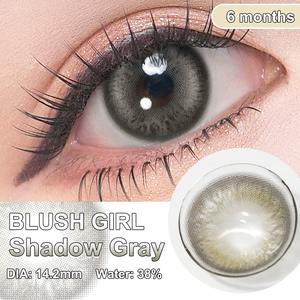
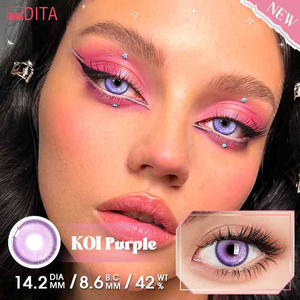
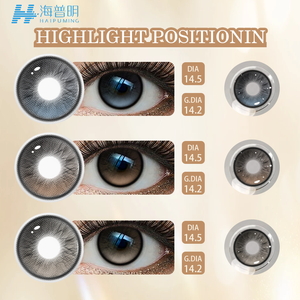
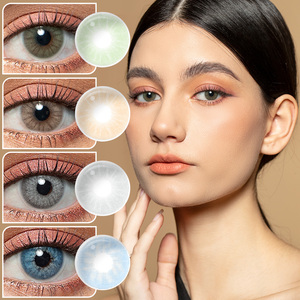
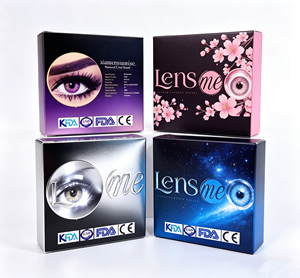
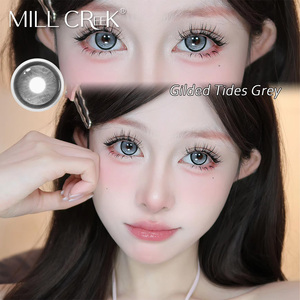
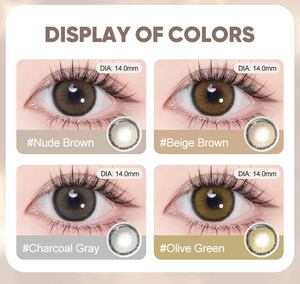
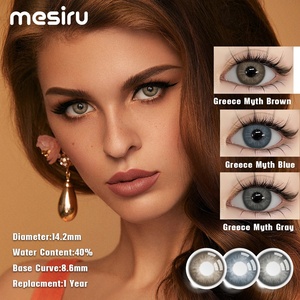
1. Executive Summary & Global Ophthalmic Market Landscape
The global contact lens and eye care market is undergoing a structural shift driven by expanding vision correction demographics, increasing cosmetic lens adoption across fashion and beauty retail, and skyrocketing demand for private label consumer health products. According to recent market intelligence, the global contact lens market value is projected to reach exceed $15.4 billion by 2030, exhibiting a compound annual growth rate (CAGR) of 6.2%. For international distributors, retail pharmacy giants, and optical store chains, establishing a reliable OEM/ODM (Original Equipment Manufacturer / Original Design Manufacturer) supply chain is no longer merely a procurement task—it is a core strategic lever to maximize gross profit margins, secure brand equity, and maintain supply resiliency.
Historically, the contact lens market was dominated by legacy multinational brand owners. However, the rise of modern retail models, direct-to-consumer (DTC) optical portals, and retail pharmacy chains (such as Watsons, Rossmann, Kruidvat, Albert Heijn, and Nahdi) has created an unprecedented demand for private-label ophthalmic platforms. Retailers and regional distributors are leveraging OEM/ODM partnerships to introduce proprietary contact lens lines, cosmetic color lens series, sterile multi-purpose lens solutions, and preservative-free ocular rewetting drops. This whitepaper serves as an exhaustive buyer’s guide for enterprise procurement officers, brand managers, and optical distributors navigating contract manufacturing, technical parameter selection, regulatory compliance, and market trends.
2. Structural Overview of OEM/ODM Contact Lens Manufacturing Capabilities
Contract manufacturing in optics requires state-of-the-art polymer chemistry, cleanroom robotics, automated optical inspection (AOI) technology, and strict quality management systems compliant with medical device standards. When evaluating OEM/ODM factories for contact lens distributor programs, enterprise buyers must analyze technical capabilities across three core verticals: polymer matrix engineering, color printing encapsulation technology, and packaging automation.
Material Science & Chemistry
Production capabilities spanning classic Hydrogel (HEMA, Etofilcon A, Polymacon) for cost-effective daily disposables, to advanced high-Dk/t Silicone Hydrogel polymers designed for extended wear and optimal corneal oxygenation.
Sandwich Color Encapsulation
Proprietary micro-encapsulation technology that locks cosmetic color pigments securely between double layers of clear polymer matrix, preventing direct pigment contact with the cornea or palpebral conjunctiva.
High-Precision Automated Molding
Full cast-molding processes utilizing optical grade disposable molds, ensuring sub-micron surface smoothness, consistent base curve (BC) radii, precise edge thickness design, and zero lathe-cut irregularities.
Technical Comparison: Contact Lens Polymers for Private Label Programs
Choosing the correct raw material configuration is crucial for aligning product performance with brand market positioning. The table below details technical attributes of primary hydrogel and silicone hydrogel formulations available under our OEM/ODM manufacturing framework:
| Polymer Class | Common USAN / Material | Water Content (%) | Oxygen Transmissibility (Dk/t) | Modulus (MPa) | Primary Target Application |
|---|---|---|---|---|---|
| Non-Ionic Hydrogel | Polymacon (HEMA) | 38% - 42% | 12 - 15 | 0.40 - 0.50 | Cosmetic Color Lenses, Annual Disposables, Budget Mass Retail |
| High Water Hydrogel | Etofilcon A / NVP copolymer | 55% - 58% | 25 - 30 | 0.30 - 0.35 | Daily Disposables, High-Comfort Entry Level Spherical Lenses |
| 1st Gen Silicone Hydrogel | Galyfilcon A / Lotrafilcon B | 33% - 47% | 80 - 110 | 1.00 - 1.20 | Premium Optical Chains, Extended Wear Prescriptions |
| 3rd Gen Wetting-Agent Hydrogel | Olofilcon B / Biomimetic PC | 45% - 50% | 120 - 160+ | 0.60 - 0.70 | Top Tier Flagship Dry Eye Formula, Premium Retail Private Label |
3. Procurement Trends & Future Outlook for the Optical Sourcing Market (2025-2030)
As the international eye care industry evolves, procurement executives must anticipate shifts in consumer preferences and technological innovations. Strategic sourcing decisions made today will define market leadership over the next decade. Key emerging trends reshaping the contact lens OEM/ODM ecosystem include:
A. Rapid Expansion of Cosmetic & Natural Iris-Enhancing Color Lenses
Cosmetic colored contact lenses are no longer restricted to costume or theatrical applications. Modern beauty shoppers view color lenses as an essential extension of daily cosmetics and beauty routines. Natural shade palettes—such as subtle gray, hazel, warm brown, sky blue, and olive green—with natural limbal ring designs represent the fastest-growing SKU segment across Asia, Europe, and the Middle East. OEM contracts focusing on multi-tone 3-in-1 print designs are outperforming traditional single-tone options by 3:1 in sell-through velocity.
B. The Rise of Preservative-Free Unit-Dose Ocular Drops & Multi-Purpose Solutions
Modern consumers are acutely aware of ocular surface health. Demand is shifting rapidly away from traditional multi-dose eye drops preserved with benzalkonium chloride (BAK) toward preservative-free single-use ampoules and novel airless pump containers. Enterprise distributors are bundling custom-branded lubricating eye drops (featuring Sodium Hyaluronate and Trehalose formulations) alongside private label contact lenses, creating synergistic cross-selling eco-systems within drugstore aisles.
C. Eco-Conscious Packaging & Sustainable Blister Solutions
Environmental sustainability has transitioned from a marketing niche to a compliance and retail procurement imperative. European and North American buyers are increasingly requiring OEM suppliers to provide recyclable polypropylene (PP) blister pack shells, reduced-aluminum peel foils, FSC-certified secondary carton boxes, and compact bulk packaging formats that reduce freight carbon footprints by up to 35%.
4. Key B2B Buyer FAQ: Navigating OEM/ODM Contact Lens Partnerships
Below are essential technical and operational answers to common questions raised by procurement leads, QA managers, and supply chain directors during OEM contract negotiations:
What is the distinction between OEM and ODM in contact lens manufacturing?
Under an OEM (Original Equipment Manufacturer) agreement, the buyer provides specific lens design geometries, customized power ranges, base curves, and proprietary packaging artwork. The factory acts as the certified technical manufacturer, executing production strictly according to client specifications. Under an ODM (Original Design Manufacturer) contract, the client leverages our turnkey, pre-certified lens formulations, standard optical parameters, and validated packaging templates. The factory handles end-to-end design refinement, rapid prototyping, box artwork integration, and regulatory Dossier submission under the client’s private brand name.
What international regulatory documentation and certifications are provided?
Every private label contact lens, ocular solution, and eye care accessory program is backed by comprehensive regulatory documentation suitable for global market entry. This includes ISO 13485:2016 Quality Management System certification, EU Medical Device Regulation (MDR 2017/745) CE certificates issued by Notified Body 2797, US FDA 510(k) clearances for specific hydrogel materials, Free Sale Certificates (FSC), Declaration of Conformity (DoC), full Lot Traceability testing, and complete biocompatibility reports (ISO 10993 cytotoxicity, sensitization, and ocular irritation testing).
What are typical Minimum Order Quantities (MOQs) and lead times for private label launches?
Minimum order quantities vary depending on material selection, color design complexity, and packaging customization. For standard stock prescription hydrogel lenses in existing client blister packaging, pilot MOQs start as low as 1,000 to 3,000 pairs per SKU/power. Custom shade developments or specialized OEM tooling typically require higher baseline runs (e.g., 10,000 units per color design). Standard production lead times range from 14 to 28 business days following packaging proof approval and deposit confirmation, supported by our European central warehousing infrastructure in Ede, The Netherlands for accelerated European distribution.
How do you ensure color consistency and safety in cosmetic contact lenses?
Color consistency across high-volume production lots is maintained using computerized spectroradiometer color-matching technology and automated machine-vision inspection stations. Safety is guaranteed via proprietary 3-layer Sandwich Encapsulation Technology: non-toxic, medical-grade color pigments are fully encapsulated within the interior of the hydrogel structure. The color pigment never directly touches corneal tissues or tears, ensuring zero pigment leaching and total user comfort throughout the wear cycle.
Can you manufacture private label contact lens care solutions and accessories?
Yes. Our enterprise private label programs encompass the full eye care shelf. Beyond contact lenses, we produce custom-branded Multi-Purpose Disinfecting Solutions (MPDS) in 60ml, 120ml, and 360ml bottle formats, Hydrogen Peroxide deep-cleaning systems, hyaluronic acid lubricating eye drops, anti-microbial contact lens cases, compact travel kits, and ready-to-wear reading glasses for retail pharmacy chains.
5. Enterprise Advantages of partnering with kyralens Technology Co.,Ltd
As an international wholesale developer, manufacturer partner, and master distributor of private label eye care solutions, kyralens Technology Co.,Ltd offers unparalleled infrastructure for retail buyers across Europe, the Middle East, and Asia. Operating out of our strategic logistics and administrative facility at Faradaystraat 14, 6718 XT Ede, The Netherlands, we bridge state-of-the-art optical manufacturing with real-world retail category management expertise.
Turnkey Regulatory Assurance
We take full responsibility for ensuring that your private label packaging artwork, warning symbols, multilingual leaflets, and technical labeling strictly comply with local destination market requirements (EU MDR, US FDA, GCC SFDA, NMPA).
Proven Retail Chain Validation
Our OEM/ODM eye care platform powers top-tier global drugstores, supermarkets, and optical retail chains, including industry leaders such as Watsons, Rossmann, Kruidvat, Trekpleister, Ahold Delhaize, Albert Heijn, Etos, Nahdi, GMG, Eureka, Migros, and REWE.
Full-Shelf Synergy
Eliminate multi-vendor friction. Source daily disposable lenses, cosmetic color lines, sterile rewetting drops, lens cases, and disinfectant solutions from a single audited, synchronized supply chain platform.
Low-Risk Pilot Program Escalation
Deploy localized market tests with optimized low MOQs before committing to national chain rollouts. Expand parameters, color ranges, and packaging options seamlessly as retail velocity scales.
Launch Your Private Label Eye Care Line Today
Request our comprehensive B2B OEM/ODM product catalog, material samples, technical dossiers, and institutional price schedules. Our team of optical engineers and regulatory experts is ready to accelerate your market launch.