Featured OEM/ODM Product Samples Available for Inspection
Select pre-production baseline samples across color contact lenses, optical clear series, and custom packaging systems for physical testing prior to commercial bulk production.
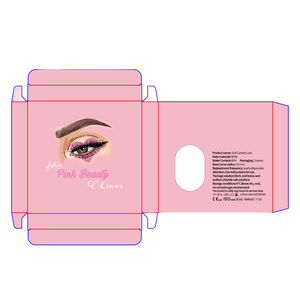
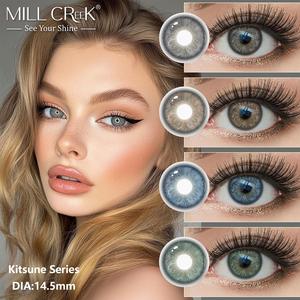
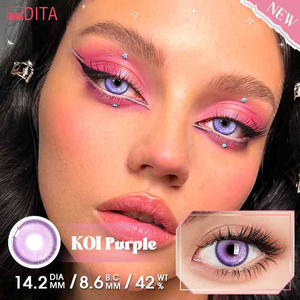
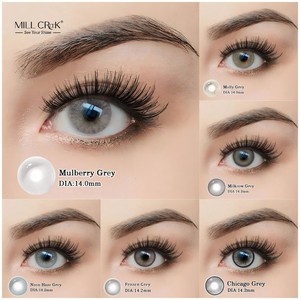
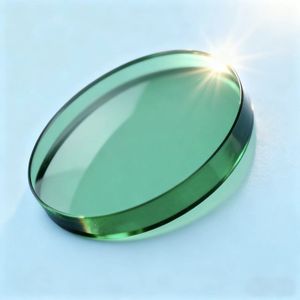
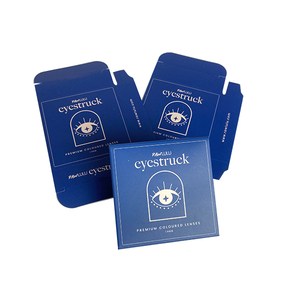
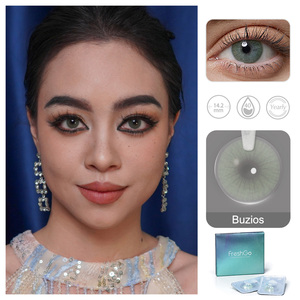
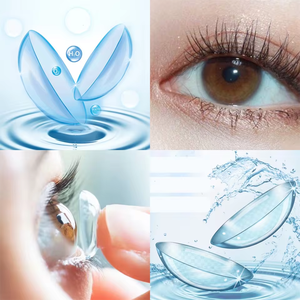
1. Strategic Importance of Pre-Production Sampling in Contact Lens Procurement
In the global medical device and optical retail sectors, procuring soft contact lenses on an OEM (Original Equipment Manufacturer) or ODM (Original Design Manufacturer) basis represents a significant capital investment and brand responsibility. Contact lenses belong to Class IIa/Class IIb (EU MDR) and Class II (US FDA) medical device classifications, requiring precise engineering, biological safety, and flawless physical ergonomics. Acquiring and rigorously testing OEM/ODM contact lens samples before placing a bulk order is not merely an operational step; it is an indispensable risk-mitigation protocol that safeguards your brand reputation, ensures regulatory compliance, and validates commercial viability.
For international buyers, pharmacy chains, optical retailers, and brand owners, the pre-order sampling phase serves as the definitive bridge between theoretical product specifications and real-world performance. By evaluating physical prototypes, procurement directors can verify crucial parameters such as base curve accuracy, edge geometry, color pigment stability, hydration dynamics, and blister pack seal integrity before committing to high-volume production runs.
Key Procurement Takeaway: A structured sample evaluation protocol prevents costly supply chain disruptions, reduces consumer return rates, and guarantees that full-scale production batches conform to international medical device standards (ISO 13485, CE 2797, US FDA 510(k)).
Why Pre-Bulk Sample Inspection Is Essential
- Verification of Material Polymer Properties: Testing physical samples allows optical engineers to verify the precise hydrogel or silicone hydrogel formulation, ensuring the declared water content percentage and oxygen transmissibility (Dk/t) match laboratory reports.
- Assessment of Color Sandwich Printing Integrity: For cosmetic colored contact lenses, evaluating sample lenses under magnification confirms that micro-encapsulated color pigments are securely embedded inside the lens material rather than printed directly on the exterior surface.
- Biocompatibility & Wearer Comfort Verification: Conducting trial wear assessments with certified eye care professionals ensures the lens profile maintains tear film stability, prevents corneal hypoxia, and eliminates ocular friction.
- Validation of Packaging & Sterilization Seals: Sample packages undergo bubble-leak integrity tests, peel-force analysis, and autoclave stability checks to guarantee sterile barrier preservation over a multi-year shelf life.
2. Comprehensive Technical Evaluation Protocol for Contact Lens Samples
When receiving OEM/ODM contact lens samples from standard-compliant exporters, quality assurance (QA) teams must execute a standardized inspection matrix. Below is the multi-stage evaluation protocol recommended for commercial buyers prior to signing bulk production contracts:
A. Dimensional Accuracy & Surface Polishing
Contact lens comfort depends heavily on edge profile engineering. Using high-resolution optical comparators and wavefront analyzers, sample lenses are examined for peripheral edge taper. Smooth, rounded edge contours allow proper tear exchange beneath the lens during blinking, mitigating dry eye symptoms. Any micro-burrs, flash, or perimeter distortion identified in sample batches indicate mold wear or improper lathe-cutting, requiring immediate manufacturer recalibration before bulk clearance.
B. Pigment Encapsulation & Cosmetic Design Fidelity
For private-label colored contact lenses (including gray, hazel, blue, circle, and natural tone series), pigment encapsulation is paramount. Advanced OEM/ODM manufacturers utilize 3-Layer Bio-Molecule Color Sandwich Technology. The color layer is locked between two micro-thin layers of clear hydrogel, preventing direct contact between color colorants and the corneal epithelium. Sample evaluation involves solvent extraction tests and surface friction analysis to confirm zero pigment bleeding or leaching.
C. Saline Formulation & Packaging Sterility
The solution inside the polypropylene blister pack is critical for lens preservation during shelf storage. OEM/ODM samples must be checked for buffered saline composition (pH balance maintained between 7.2 and 7.4; osmolarity stabilized at 290–310 mOsm/kg). Furthermore, the primary foil lid-stock must demonstrate clean peel properties without foil tearing or adhesive fiber shedding upon opening.
3. Material Science Framework: Selecting the Optimal Lens Substrate
During the OEM/ODM sample evaluation stage, brand owners must choose between traditional Hydrogel materials and modern Silicone Hydrogel polymers based on their target market positioning, pricing structure, and wearing modalities.
Selecting the right substrate during pre-production sample testing allows brand managers to tailor product claims. While HEMA-based formulations remain the global benchmark for vibrant cosmetic and circle color lenses due to superior dye locking performance, Silicone Hydrogel is rapidly becoming the standard for daily health-conscious optical correction lines.
4. Future Trends in OEM/ODM Contact Lens Manufacturing & Procurement
As consumer preferences evolve toward healthier eye care solutions, eco-conscious packaging, and dynamic aesthetic effects, contact lens exporters and manufacturers are upgrading their technology stack. Buyers sourcing samples in 2025 and beyond should anticipate several key industry developments:
1. Hyaluronic Acid & Dual Moisture Matrix Additives
Modern OEM formulations are moving beyond standard saline solution. Next-generation contact lens samples incorporate biocompatible wetting agents like Sodium Hyaluronate (HA) and Trehalose directly into the blister fluid and lens matrix. This creates a protective hydration shield that continuously re-wets the lens surface during prolonged digital screen use, reducing digital eye strain for end consumers.
2. Eco-Friendly & Compact Packaging Innovations
Traditional contact lens packaging generates significant plastic waste. Innovative ODM partners are prototyping minimalist flat-pack blister cards, biodegradable polypropylene foils, and recyclable paperboard outer boxes. Testing recyclable packaging samples prior to bulk ordering allows eco-focused brands to achieve sustainability certifications without compromising product sterility or shelf-life integrity.
3. Automated Micro-Injection Molding & Low-MOQ Prototyping
Advancements in computer-controlled direct cast molding allow manufacturers to produce ultra-precise custom base curves and complex optic zone profiles with turnaround times under 14 days. This enables optical brands to test niche markets—such as toric astigmatism series or photochromic tint-shifting lenses—via low-MOQ pre-production sample runs before making large-scale commercial commitments.
4. Smart Color Matching & AI-Driven Iris Aesthetics
In the cosmetic contact lens segment, artificial intelligence algorithms are now utilized to design multi-layer iris patterns that seamlessly blend with natural eye colors. By sampling modern 3-tone grey, hazel, green, and luminous circle lenses, distributors can offer realistic depth and vibrancy tailored to specific geographic demographics.
5. Enterprise Advantages of Partnering with Kyralens Technology
Kyralens Technology Co., Ltd (headquartered operational presence in Ede, The Netherlands, with high-capacity certified production partners worldwide) stands as a premier developer, exporter, and private label solution provider for international retailers, optical chains, pharmacy networks, and beauty distributors.
Whether you require standard daily clear lenses with refractive power (-0.00 to -10.00D), high-demand cosmetic color series, contact lens storage cases, lubricating eye drops, or complete cleaning solutions under your own private label, Kyralens provides a streamlined B2B roadmap designed around how modern retail buyers manage category growth.
6. Frequently Asked Questions (FAQ) for OEM/ODM Contact Lens Procurement
Contact lenses are medical devices subject to strict physiological, optical, and regulatory standards. Sampling allows procurement teams to physically test material softness, base curve fitting accuracy, pigment encapsulation integrity, packaging peel strength, and shelf-life stability. Conducting pre-production sample evaluation eliminates technical discrepancies and ensures the finished bulk goods conform 100% to brand requirements and regional health authority guidelines.
Each sample shipment can be supplied with relevant regulatory documentation tailored to your target distribution market. This includes Declarations of Conformity (DoC), ISO 13485 quality certificates, sterilization validation summaries, material biocompatibility test summaries (ISO 10993 cytotoxicity and ocular irritation reports), and draft artwork packaging master proofs.
Standard off-the-shelf product samples (clear or existing cosmetic stock colors) are typically dispatched within 3 to 5 business days. For fully customized private label samples—including custom 4-color printed packaging boxes, branded blister foil lid-stock, and proprietary iris pattern color printings—the prototyping lead time ranges between 10 to 20 business days depending on artwork approval and tooling setup.
MOQs vary depending on the chosen material polymer, replacement schedule (daily disposable vs. monthly/annual), and packaging format. Standard clear sphere lenses often have flexible starting quantities, while custom private-label color contact lenses generally start at 500 to 1,000 pairs per color model. We prepare detailed SKU-by-SKU cost breakdowns during the sampling phase so both market trial launches and national chain roll-outs can be planned realistically.
All cosmetic colored contact lenses produced under our OEM/ODM frameworks utilize advanced multi-layer sandwich printing technology. Color pigments are locked within the inner layers of the hydrogel structure, ensuring that color colorants never make contact with the ocular tissue or corneal surface. Samples undergo chemical extraction and surface topography tests to guarantee complete bio-safety and long-lasting wearer comfort.
Yes. We encourage procurement managers to evaluate both HEMA (hydrogel) and Silicone Hydrogel (SiHy) physical samples side-by-side. This comparative testing helps determine which material best suits your brand’s price positioning, intended wear cycle (daily disposables vs. 30-day extended wear), and target market demographic.
Samples are sealed inside medical-grade aluminum/polypropylene blisters containing sterile buffered saline solution. They undergo moist heat autoclave terminal sterilization (121°C / 250°F) prior to dispatch. Sample shipments are packaged in insulated, impact-resistant export cartons designed to withstand temperature fluctuations and pressure changes during international air transport.
Once sample evaluation is completed and physical baseline samples are sign-off approved by your technical team, we lock in the master golden sample specifications. Mass production proceeds in automated ISO Class 7 cleanrooms following the exact resin batches, print plates, and box dielines validated during sampling. Every commercial batch is issued a Certificate of Analysis (CoA) linked to lot traceability records prior to shipment clearance.