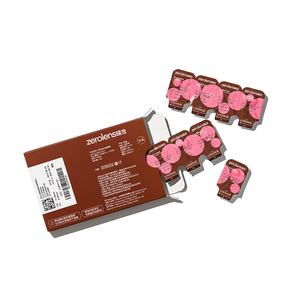
Featured OEM/ODM Cosmetic Lens Portfolio
Explore our flagship, CE and ISO 13485 certified optical formulations, custom packaging systems, and cosmetic contact lens designs optimized for global brand export.
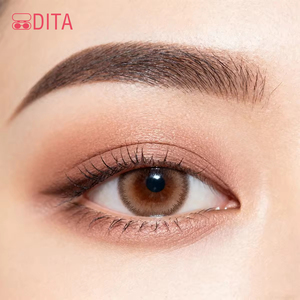
Hot Sale Colored Contact Lenses 14.2mm Natural Brown Daily Disposable Soft Cosmetic Eye Lenses CE Certified
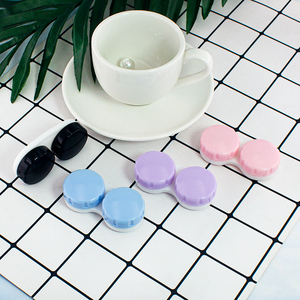
Lalens Lemon Brown Contact Lenses With Packaging Box Custom Design In Various Color Myopia Soft Eye Color Contact Lens
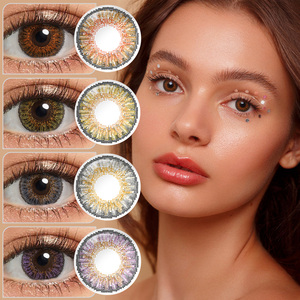
Best Selling 3 Tone Contacts Lenses Color Big Eye Lenses Cosmetic Colored Contact Lens Entilles De Contact En Gros for Dark Eyes
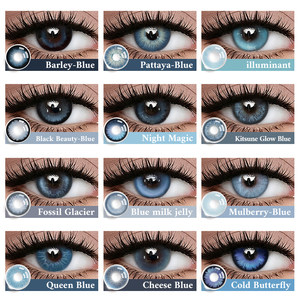
YITONGNIAN Wholesale Blue Colored Contact Lenses Yearly Disposable 14.5mm CE ISO13485 OEM Big Eyes Contact Lenses
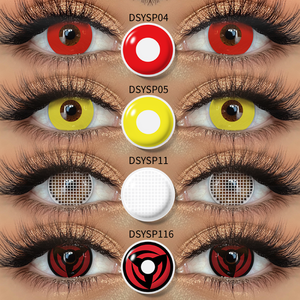
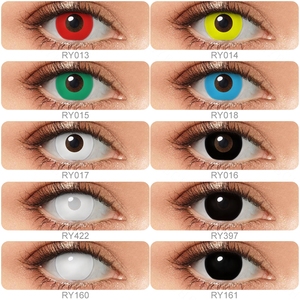
Factory - Supplied Crazy Colored Contact Lenses for Unforgettable Cosplay and Halloween
Free Shipping Pseyeche Halloween Contacts Crazy Sharingan Eye Lens Anime Cosplay Contact Lenses Eye Lens Lentes De Contacto
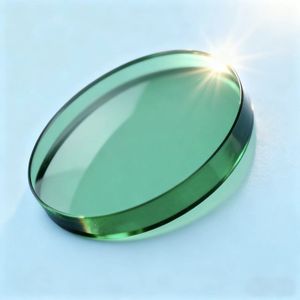
Colorful Semi-Finished Photochromic Lenses Green 1.56 Optical SF Lens Contact SF Lenses
100K+
Class 10 Cleanroom Facility
99.8%
First-Pass Quality Yield Rate
45+
Global Export Markets
500+
Custom Pattern & Color Molds
Engineering Excellence in OEM/ODM Cosmetic Contact Lens Manufacturing
In the highly regulated optical and cosmetic eye care industry, selecting an Original Equipment Manufacturer (OEM) or Original Design Manufacturer (ODM) requires rigorous evaluation of biocompatibility, optical engineering, pigment encapsulation safety, and international regulatory compliance. As a premier global manufacturer and exporter, our production ecosystem operates under strict ISO 13485 Medical Devices Quality Management standards, providing end-to-end private label solutions for optical retail chains, beauty brands, pharmacy groups, and international distributors across Europe, the Middle East, Asia, and the Americas.
"Information Gain Insight: True medical-grade cosmetic lenses require a 3-layer micro-sandwich printing architecture. Pigments must be permanently sealed between biocompatible hydrogel layers to guarantee zero direct dye contact with the corneal epithelium."
Core Manufacturing Advantages & Supply Chain Integrity
Biocompatible 3-Layer Sandwich Printing
Our proprietary micro-encapsulation technology seals natural and synthetic color pigments inside the inner polymer matrices. This eliminates color leaching, friction against the palpebral conjunctiva, and maintains a silky ultra-smooth lens surface.
High Oxygen Transmissibility (DK/t)
Utilizing premium PolyHEMA, hydrogel, and advanced Silicone Hydrogel (SiHy) formulations, our lenses maintain superior oxygen flux. This prevents corneal hypoxia, vascularization, and redness, allowing comfortable extended daily wear.
Full Regulatory Dossier Support
We supply complete CE Mark, ISO 13485 audit reports, US FDA 510(k) master files, free sale certificates (FSC), and multi-language localized compliance labeling tailored to target import customs regulations.
Comprehensive Private Label Customization Ecosystem
To differentiate in a saturated retail landscape, brand owners require granular control over lens optics, color palettes, wearing modalities, and primary/secondary packaging designs. Our OEM/ODM setup provides modular technical specifications engineered for scalable production, from boutique niche collections to mass-market pharmacy rollouts.
Technical Specification Framework
| Optical & Material Parameter | Standard OEM Specifications | Premium Silicone Hydrogel (SiHy) OEM | Cosplay & Fantasy Special Effects |
|---|---|---|---|
| Base Curve (BC) | 8.5mm, 8.6mm, 8.7mm (±0.1mm tolerance) | 8.5mm, 8.6mm | 8.6mm, 8.8mm |
| Diameter (DIA) / Graphic DIA | 14.0mm – 14.5mm / G.DIA 13.0 – 13.8mm | 14.2mm / G.DIA 13.2 – 13.6mm | 14.5mm – 22.0mm (Sclera) |
| Water Content (%) | 38% – 42% (Low Evaporation Hydrogel) | 45% – 55% (High Moisture Balance) | 38% – 40% |
| Oxygen Permeability (DK/t) | 18 – 25 DK/t | 80 – 120+ DK/t | 15 – 20 DK/t |
| Diopter Power Range | 0.00D (Plano) to -10.00D (0.25D steps) | 0.00D to -12.00D, Toric options available | 0.00D (Plano) |
| Center Thickness | 0.07mm – 0.09mm (@ -3.00D) | 0.06mm – 0.08mm (@ -3.00D) | 0.09mm – 0.12mm |
| Replacement Modality | Daily, 2-Weekly, Monthly, Yearly | Daily, Monthly | Daily, Yearly |
| UV Blocking Capability | Class II (UVA > 50%, UVB > 95%) | Class I (UVA > 90%, UVB > 99%) | Optional UV Reactive Pigments |
Private Label Packaging Engineering & Aesthetics
Product packaging serves as the primary touchpoint for consumer trust in eye care. We provide end-to-end custom packaging design and manufacturing, integrating security, brand identity, and shelf-impact elements:
- Blister Packaging Technology: Automated thermal-sealed polypropylene (PP) blister cups with multi-layer aluminum foil lids ensuring 5-year sterile shelf life.
- Custom Folding Cartons & Rigid Gift Boxes: FSC-certified eco-friendly paperboard, matte/gloss lamination, spot UV, metallic foil stamping, and embossed tactile graphics.
- Regulatory Inserts & Barcoding: Automatic inclusion of multi-language patient information leaflets (PIL), unique device identifiers (UDI), GS1 DataMatrix barcodes, and anti-counterfeit QR validation codes.
Global Sourcing Outlook: Future Trends in Cosmetic Lens Manufacturing
As consumer preference shifts towards eye health, bio-inspired iris realism, and direct-to-consumer digital channels, purchasing directors and retail buyers must align with future-ready OEM partners. Our R&D engineering team highlights four core procurement trends shaping the 2025–2030 cosmetic optical market:
1. Dominance of Daily Disposable Silicone Hydrogel
Consumers are rapidly abandoning annual cosmetic lenses in favor of daily disposables. Silicone hydrogel formulations are becoming the gold standard, providing 4x greater oxygen transmissibility to prevent ocular fatigue associated with extended mobile and desktop screen use.
2. Hyper-Realistic 3D Iris & Biomimetic Printing
Flat 1-tone or harsh dark outer rim designs are being replaced by multi-layered 3-tone and 4-tone biomimetic patterns. These designs simulate natural corneal radial striae, pupillary contraction structures, and subtle limbal ring gradients to achieve seamless blending with dark Asian and dark brown European irises.
3. Eco-Conscious Optical Packaging Initiatives
Sustainability is no longer optional. Leading European and North American retail brands are demanding biodegradable blister tray polymers, reduced foil thicknesses, and 100% recycled paper outer boxes to meet corporate ESG compliance directives.
4. Customization for Niche Markets (Cosplay & Photochromic)
Specialty segments—including high-vibrancy anime cosplay lenses, theatrical costume optics, and photochromic soft lenses that tint dynamically under sunlight—are expanding rapidly. Brands utilizing agile ODM manufacturers can capture high-margin, passionate buyer communities.
End-to-End OEM/ODM Manufacturing & Quality Assurance Roadmap
Partnering with our factory guarantees a seamless, risk-averse journey from initial pattern concept to final batch delivery at your distribution center. Every stage is validated under rigorous Quality Assurance (QA) protocols:
01
Concept & Color Matching
Client submits target Pantone color codes, physical samples, or digital graphic artwork. Our optical colorists formulate micro-pigment blends and produce physical trial samples within 7–10 days.
02
Tooling & Mold Casting
High-precision optical CNC tooling crafts single-use casting molds. Automated monomer dosing machines inject PolyHEMA/SiHy formulations into optical molds under Class 10,000 cleanroom environments.
03
Polymerization & Hydration
Thermal/UV curing transforms monomers into hydrogel matrices. Lenses undergo automated hydration in purified saline solution to reach equilibrium water content and optical stability.
04
Automated Inspection
100% high-resolution vision systems inspect every single lens for edge tears, surface inclusions, power accuracy, base curve deviation, and pigment printing center alignment.
05
Autoclave Sterilization
Sealed blister packs are processed through steam autoclaves at 121°C (250°F) under strict time-temperature pressure curves, achieving a Sterility Assurance Level (SAL) of 10⁻⁶.
06
Global Logistics & Documentation
Final kits are packed with serialized lot tracking barcodes, certificate of analysis (COA), and shipped via air or sea freight with temperature-monitored logistics support.
Frequently Asked B2B Procurement Questions
Clear, authoritative answers regarding minimum order quantities, regulatory certification, private label branding, and export logistics for global buyers.
What are your Minimum Order Quantities (MOQ) for OEM/ODM private labels?
Our baseline MOQ for standard private label stock colors is 500 pairs per color/shade with stock powers. For custom pattern development, proprietary color blends, or dedicated packaging artwork, MOQs typically range from 1,000 to 3,000 pairs depending on the lens material (Hydrogel vs. Silicone Hydrogel) and replacement cycle.
What regulatory documentation do you provide for import customs clearance?
We provide full export compliance dossiers including ISO 13485:2016 Quality Management Certification, CE Medical Device Certificates, Free Sale Certificates (FSC), Declaration of Conformity (DoC), Batch Certificate of Analysis (COA), and complete Material Safety Data Sheets (MSDS).
How do you guarantee pigment safety and corneal protection?
All our colored contact lenses utilize 3-layer micro-sandwich printing technology. Pigment layer is embedded inside the lens matrix, preventing any direct contact between the colorant and corneal tissue, eliminating dye leaching, corneal staining, and allergic responses.
Can we order custom power ranges (diopters) including toric or hyperopia?
Yes. While plano (0.00D) and standard myopia powers (-1.00D to -6.00D in 0.25D steps; -6.50D to -10.00D in 0.50D steps) are standard stock items, we manufacture high-myopia, hyperopia (+0.50D to +6.00D), and custom astigmatism/toric cosmetic lenses upon custom ODM contract.
What is the typical lead time from sample confirmation to mass production?
Pre-production sample matching takes approximately 7 to 10 days. Once final packaging artwork and lens samples are approved, mass cleanroom manufacturing and autoclave sterilization require 25 to 35 business days depending on order volume and packaging complexity.
Do you offer localized packaging design and multi-language support?
Yes. Our in-house packaging design department assists with structural box layout, foil artwork, regulatory text compliance, GS1 barcode integration, and multi-language translation (English, Spanish, French, Arabic, German, Russian, Japanese) tailored to your destination market.
Ready to Launch or Expand Your Private Label Cosmetic Lens Brand?
Connect directly with our senior OEM/ODM optical engineering team. Receive technical specifications, physical sample kits, custom color matching, and factory-direct wholesale pricing within 24 hours.