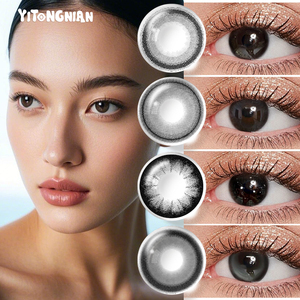
Enterprise Product Line
Featured Packaging & Contact Lens Products
Precision-engineered contact lenses, custom blister packs, and premium secondary packaging built for global retail optical networks and healthcare distributors.
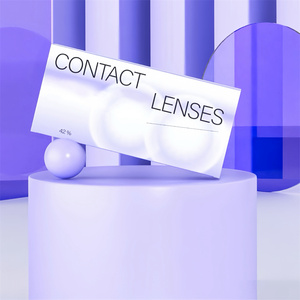
Custom Color Contact Lens Packaging Box Spot UV & 3D Foil Printing
Inquire Now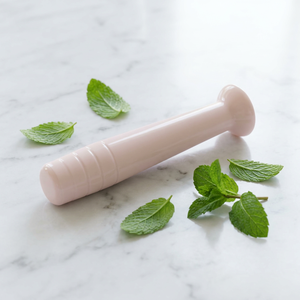
High Suction Solid Color RGP Contact Lenses & Removable Suction Rod Kit
Inquire Now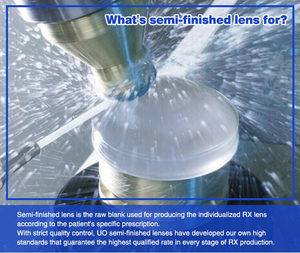
1.499 Single Vision Polarized Semi-Finished Lens OEM Factory Direct
Inquire Now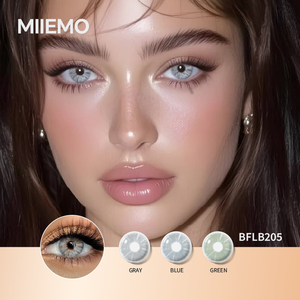
DSC Soft Blue Small Pupil Colored Lenses ISO Certified 5-Year Shelf Life
Inquire Now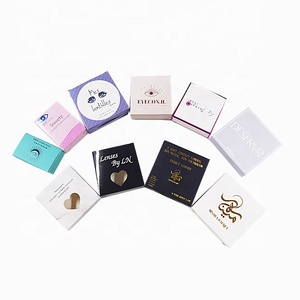
Clear Window Paper Packaging Box Custom Foldable Carton for Optical Shops
Inquire Now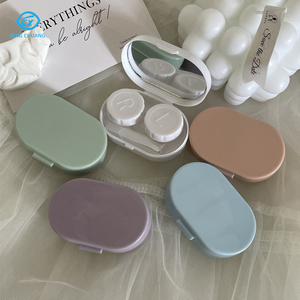
Factory OEM/ODM Candy Color Contact Lens Storage Cases & Travel Kits
Inquire Now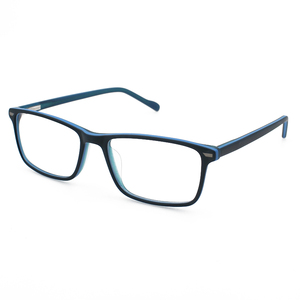
Handcrafted Raw Acetate Material Optical Eyeglass Frames Wholesale
Inquire Now100%
ISO 11607 Barrier Compliant
ISO 7
Cleanroom Manufacturing
50+
Global Retail Chains Served
99.98%
Sterility Assurance Level (SAL)
Industry Whitepaper & Strategic Guide
The Architecture of Medical-Grade Contact Lens Packaging: An OEM/ODM Manufacturing Perspective
In the highly regulated optical and ophthalmic product manufacturing sector, contact lens packaging is far more than a decorative container—it is a critical Sterile Barrier System (SBS) designated under medical device regulations worldwide. As a premier global factory and private-label packaging supplier, kyralens Technology Co., Ltd. operates at the intersection of polymer science, aseptic fluid filling, advanced structural packaging, and international healthcare compliance.
Primary contact lens packaging—typically consisting of thermoformed polypropylene (PP) blister cups sealed with multi-laminate aluminum lidding foil—must maintain complete seal integrity and biocompatibility over a multi-year shelf life. Concurrently, secondary packaging (outer retail folding cartons, rigid presentation boxes, counter display units) acts as the principal brand ambassador in competitive retail environments such as drugstores, pharmacy networks, and optical specialty stores.
Regulatory Notice for Procurement Directors: Under the European Union Medical Device Regulation (EU MDR 2017/745) and US FDA 21 CFR Part 820 Quality System Regulation (QSR), primary packaging directly contacting buffering saline and hydrophilic contact lens hydrogels is classified as an integral component of the finished medical device. Full lot traceability, extractable/leachable testing, and barrier validation are mandatory.
Our European compliance hub located in Ede, the Netherlands (Faradaystraat 14, 6718 XT Ede), combined with state-of-the-art automated production facilities in Asia, empowers global retail giants—including Watsons, Rossmann, Kruidvat, Albert Heijn, Etos, Nahdi, and REWE—to deploy scalable, fully compliant private-label eye care ranges efficiently.
Engineering Primary & Secondary Contact Lens Packaging Systems
A comprehensive OEM/ODM packaging solution requires dual-layer design precision: protecting the physical lens geometry in buffered isotonic solution while delivering elevated consumer aesthetic appeal on retail shelves.
Primary Blister Cup Thermoforming
Manufactured using medical-grade high-density Polypropylene (PP) free from phthalates and heavy metals. Designed to withstand high-temperature moist heat steam sterilization (autoclaving at 121°C for 20 minutes) without thermal deformation or saline ion migration.
Peelable Foil Lidding Laminates
Engineered multi-layer foil substrate (PET/Aluminum/Heat-seal lacquer coating). Formulated for precise burst-strength balancing—ensuring a micro-leak-proof hermetic seal during transport while offering smooth, uniform peel force for end-user comfort.
High-Impact Secondary Cartons
Custom structural folding paperboard utilizing virgin SBS (Solid Bleached Sulfate) or eco-friendly recycled Kraft stocks. Finished with premium tactile effects including 3D digital hot foil stamping, selective Spot UV, anti-scratch matte laminations, and embossed braille.
Primary Packaging Material Barrier Comparison Matrix
To assist procurement managers in evaluating packaging materials for private label contact lens ranges, the following engineering matrix outlines performance parameters across key substrate options:
| Packaging Substrate | Thermal Stability (Autoclave 121°C) | Moisture Vapor Transmission Rate (MVTR) | Oxygen Barrier Integrity | Recyclability & Environmental Profile | Regulatory Status |
|---|---|---|---|---|---|
| Medical-Grade PP (Polypropylene) | Exceptional | < 0.5 g/m²/24hr | Moderate-High | Class 5 Recyclable / Mono-material | FDA 21 CFR / ISO 11607 |
| Cyclic Olefin Copolymer (COC) | High | < 0.1 g/m²/24hr | Superior | Specialized Polymer Stream | USP Class VI Compliant |
| Multi-Laminate PET/ALU Foil | Exceptional | 0.00 g/m²/24hr (Zero) | Absolute Barrier (100%) | Aluminum Recovery Processing | Global Standard Lidding |
| Paperboard Folding Cartons (FSC) | N/A (Secondary Only) | N/A | N/A | 100% Biodegradable / FSC Certified | EU Directive 94/62/EC |
Strategic Market Foresight
Future Procurement Trends in OEM/ODM Contact Lens Packaging (2025–2030)
The global contact lens packaging market is undergoing a structural transition driven by strict environmental mandates, rapid digital integration, and shifting consumer purchasing habits across omnichannel retail. Brand owners and procurement specialists must align their sourcing strategies with four dominant macro trends:
1. Sustainable Mono-Material & Bio-Based Blisters
With the European Packaging and Packaging Waste Regulation (PPWR) imposing aggressive plastic reduction quotas, packaging engineering is shifting toward mono-material polypropylene blister packs and peelable paper-foil laminates. Sourcing teams are prioritizing vendors capable of delivering 100% recyclable primary blister structures that do not compromise 5-year sterile preservation shelf life.
2. Smart Packaging & Serialized Anti-Counterfeiting
Integrating high-density 2D DataMatrix codes, GS1 Digital Link QR codes, and tamper-evident break seals on secondary packaging is transitioning from optional to mandatory. Smart packaging enables end-to-end batch tracking from cleanroom filling lines directly to the end customer's smartphone, safeguarding brand equity against gray-market counterfeiting.
3. Premiumization & Tactile Unboxing Experiences
Cosmetic and colored contact lenses are increasingly positioned as beauty accessories rather than purely corrective optical devices. Private-label buyers are demanding luxury packaging finishes: soft-touch velvet coatings, metallic 3D foil accents, magnetic closure presentation boxes, and custom interior clear-window display sleeves that drive viral social media unboxing engagement.
End-to-End OEM/ODM Custom Packaging Workflow
To eliminate launch risk for enterprise buyers, our streamlined manufacturing framework covers every phase from initial technical briefing to final distribution delivery:
01
Technical Design & CAD Prototyping
Collaborative definition of blister pocket depth, fluid volume, foil peel vector, and outer carton dimensions. Structural 3D CAD modeling and rapid physical sample prototyping delivered within 5 working days.
02
Tooling & Mold Fabrication
Precision CNC machining of multi-cavity aluminum thermoforming molds. Heat-seal tool calibration guaranteeing uniform thermal distribution across all blister sealing margins.
03
Prepress Artwork & Color Proofing
Full graphic design optimization, color separation, and digital proofing. Automated verification of regulatory text legibility, UDI barcoding, and regional language translations.
04
Cleanroom Thermoforming & Filling
Automated high-speed thermoforming, saline dosing, lens insertion, and foil heat-sealing conducted inside ISO Class 7 cleanrooms under strict bio-burden control protocols.
05
Terminal Sterilization & QA Validation
Industrial steam autoclave sterilization followed by 100% vision-system seal inspection, burst testing (ASTM F88), dye penetration leak testing (ASTM F1929), and batch sterility release certification.
06
Secondary Assembly & Logistics
Carton folding, lot number/expiration date laser coding, package insert inclusion, shrink wrapping, and compliance-ready global freight shipping directly to buyer fulfillment hubs.
Enterprise Reliability
Why Leading Global Optical Chains Partner with kyralens
kyralens Technology Co., Ltd. stands as a premier specialized manufacturer and distributor focused exclusively on private-label eye care solutions. Our enterprise capabilities provide retail category managers and optical brand owners with distinct operational advantages:
European Quality & Compliance Standards
Headquartered in Ede, Netherlands, our European compliance team oversees technical documentation, regulatory dossier submissions (CE marking, declarations of conformity), and market-specific packaging labeling for strict European, Middle Eastern, and Asian markets.
Fully Integrated One-Stop Supply Chain
From primary soft contact lenses (daily, monthly, toric, cosmetic color series) and RGP accessories to contact lens storage cases, multi-purpose care solutions, and specialized retail packaging—we manage the entire shelf lifecycle under one roof.
Low-Risk Pilot Launches & Scalable Volume
We accommodate both agile pilot brand launches with manageable initial minimum order quantities (MOQs) and massive multi-million-unit automated production runs for international drugstore franchises.
Buyer Guidance
Frequently Asked Questions (FAQ)
Technical and commercial insights addressing key procurement inquiries regarding OEM/ODM contact lens packaging manufacturing.
What regulatory standards apply to primary contact lens packaging? ▼
Primary contact lens packaging (blister cups and foil lidding) must comply with international medical device sterile barrier standards, specifically ISO 11607-1 and 11607-2 (Packaging for terminally sterilized medical devices). Materials must be non-toxic, biocompatible per ISO 10993, and capable of maintaining a sterile barrier over a validated 5-year shelf life under varying ambient storage conditions.
Can kyralens handle structural packaging design and custom box printing? ▼
Yes. We offer complete OEM/ODM secondary packaging customization. Our design engineering team assists with CAD structural box design, dieline development, prepress artwork proofing, custom PMS color matching, micro-embossing, soft-touch matte film laminations, 3D hot foil stamping, and clear window cutouts tailored to your retail brand identity.
What quality assurance methods are used to test blister leak integrity? ▼
Every production lot undergoes rigorous physical and microbiological quality control testing. This includes methylene blue dye penetration tests (ASTM F1929) to detect micro-channels in heat seals, peel strength testing (ASTM F88) to verify opening force consistency, and vacuum decay testing to guarantee zero micro-leaks post-autoclave sterilization.
What are the typical Minimum Order Quantities (MOQs) for custom private label packaging? ▼
MOQs depend on the product category and depth of customization. For custom-printed secondary paper folding cartons, typical starting MOQs are 3,000 to 5,000 units per SKU. For custom thermoformed primary blisters or specialized foil printing, MOQs are customized based on production line efficiency. We work closely with clients to plan phased pilot launches before scaling to mass volume.
How does kyralens support compliance with EU MDR and global labeling laws? ▼
Our European compliance office in Ede, Netherlands ensures that all packaging artwork and technical files meet regional regulatory requirements. We verify symbol usage (ISO 15223-1), multi-language packaging text, lot numbering formats, manufacturing date/expiration coding, and Unique Device Identification (UDI) barcode integration prior to mass production.
What is the lead time for custom OEM packaging development from concept to delivery? ▼
Standard lead time for structural CAD design and initial sample proofing is 7–10 days. Once artwork and technical specifications are approved by your team, mass production and cleanroom filling typically take 3 to 5 weeks depending on order volume and scheduling. Expedited sample cycles are available upon request.
Partner with a Leading Contact Lens Packaging OEM/ODM Factory
Elevate your optical product range with medical-grade sterile barrier packaging, premium custom box printing, and reliable international compliance support.
Inquire Now