CE-Certified Contact Lenses & Eyecare Portfolio
Explore our compliant, factory-direct vision solutions manufactured under strict ISO 13485 and Medical Device Regulation (MDR) standards.
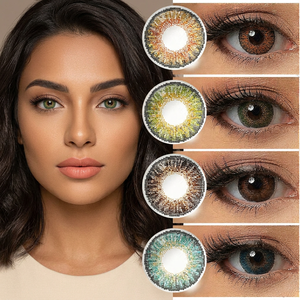
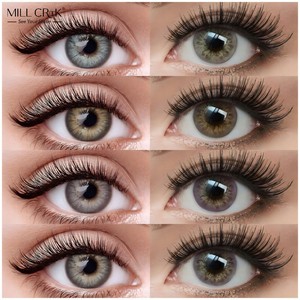
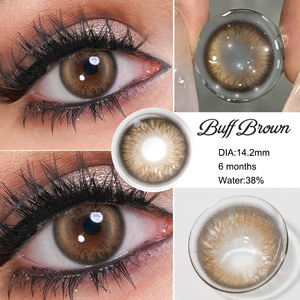
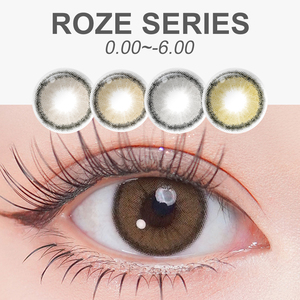
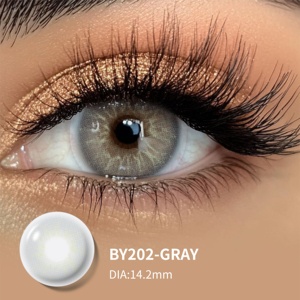
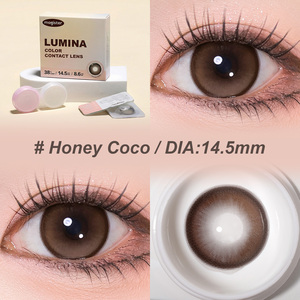
Executive Procurement Briefing: Transitioning from the legacy Medical Devices Directive (MDD 93/42/EEC) to the European Union Medical Device Regulation (EU MDR 2017/745) has reshaped the global optical manufacturing landscape. Contact lenses—whether corrective, therapeutic, or purely cosmetic—are categorized as Class IIa or Class IIb medical devices. Procuring from CE-compliant factories is no longer merely a legal checkmark; it is a strategic shield protecting optical retailers, pharmacy chains, and brand owners against severe liability, supply chain disruptions, and market bans.
Navigating the EU MDR 2017/745 Framework for Contact Lenses
Understanding how European health authorities regulate corrective and cosmetic hydrogel contact lenses is essential for procurement officers and regulatory affairs managers.
Classification Dynamics: Class IIa vs. Class IIb
Under EU MDR Annex VIII, contact lenses are subject to rigorous risk-based categorization:
- Class IIa (Standard Wear Lenses): Daily disposable, bi-weekly, and monthly soft lenses intended for continuous wear under 30 days. They require conformity assessments involving a designated Notified Body.
- Class IIb (Extended Wear Lenses): Lenses intended for continuous wear exceeding 30 days or therapeutic rigid gas-permeable (RGP) orthokeratology lenses, requiring elevated clinical data scrutiny and unannounced annual manufacturing site audits.
- Cosmetic / Non-Prescription Lenses: Under MDR Annex XVI, non-corrective color contact lenses are subject to identical safety, clinical, and CE certification standards as prescription corrective lenses.
The Role of Notified Bodies (NB) in CE Certification
A CE mark on a contact lens package is only valid if backed by an accredited Notified Body operating within the European Economic Area (EEA). Suppliers cannot self-declare compliance for Class IIa/IIb medical devices.
Factories must undergo full Quality Management System (QMS) audits under ISO 13485:2016 and technical documentation evaluations. A 4-digit Notified Body identification number (e.g., CE 0123, CE 0459, CE 2797) must accompany the CE mark on all primary blister foils and secondary retail cartons.
Top 10 CE Marking Requirements for Contact Lenses Factories & Suppliers
A definitive technical breakdown of the mandatory compliance benchmarks every OEM/ODM contact lens manufacturer must satisfy to obtain and maintain valid CE certification.
ISO 13485:2016 Certified QMS
The foundational bedrock of CE conformity. The factory must operate an independently audited Quality Management System specifically certified for medical device manufacturing. This covers raw material control (HEMA, NVP, Silicone monomers), cleanroom environmental controls (ISO Class 7/8), automated visual inspection, and batch release protocols.
Comprehensive Technical Documentation (STED)
Factories must maintain a robust Summary Technical Documentation (STED) dossier detailing device design, material chemistry, manufacturing flowcharts, risk analysis (ISO 14971), and verification testing. This dossier is subjected to intense review by Notified Bodies before CE certificate renewal.
Clinical Evaluation Report (CER) & Evidence
Under MDR Article 61, suppliers must prove clinical safety and efficacy through rigorous Clinical Evaluation Reports (CER). Factories must synthesize clinical trial data, literature reviews, and post-market safety metrics demonstrating low incidence of corneal adverse events (e.g., microbial keratitis, giant papillary conjunctivitis).
Biocompatibility & Cytotoxicity Compliance
Because contact lenses sit directly on the delicate ocular cornea, full compliance with ISO 10993 biological evaluation standards is mandatory. Required laboratory validation includes cytotoxicity testing (ISO 10993-5), ocular irritation testing (ISO 10993-10), systemic toxicity, and extractable leachables analysis for color pigments embedded via sandwich technology.
Moist Heat Sterilization Validation (ISO 17665)
Contact lenses are supplied sterile. Factories must validate terminal steam autoclave sterilization cycles in compliance with ISO 17665. This ensures a Sterility Assurance Level (SAL) of 10^-6, verifying that blister packs remain completely sterile and free from endotoxins, pyrogens, and viable microorganisms over their entire shelf life.
Oxygen Transmissibility (Dk/t) & Material Integrity
CE compliance mandates precise specification control over polymer physical properties. Lenses must demonstrate documented oxygen permeability (Dk/t calculated via polarographic or coulometric method), controlled hydration percentage (water content), refractive index, and dimensional stability across temperatures ranging from storage to ocular wear (35°C).
Notified Body Audits & Valid Certificates
A legitimate supplier must provide valid EU Quality Management System Certificates and EU Technical Documentation Assessment Certificates issued by an authorized NB under MDR 2017/745. Importers must verify certificate authenticity via official EU databases to prevent fraudulent documentation risks.
Post-Market Surveillance (PMS) & PMCF Plan
MDR enforces continuous risk management throughout the product lifecycle. CE-marked factories must actively collect, analyze, and report post-market performance data. They must establish formal Post-Market Clinical Follow-up (PMCF) plans and submit Periodic Safety Update Reports (PSUR) to regulatory authorities.
Unique Device Identification (UDI) & EUDAMED
Every packaging unit—from individual blister packs to shipping cartons—must feature machine-readable UDI barcodes (GS1 datamatrix standard). The supplier must register all device data, basic UDI-DI codes, and production identifiers into the European Databank on Medical Devices (EUDAMED) for complete supply chain traceability.
Multilingual Packaging & Instructions for Use (IFU) Compliance
CE marking demands strict adherence to labeling standards (EN ISO 15223-1). Primary packaging blister foils and retail boxes must display standardized graphical symbols (lot number, expiry date, sterile barrier method, single-use indicator, base curve, diameter, diopter power). Secondary packaging must include compliant Instructions for Use (IFU) translated into the official national languages of target EU destination markets.
Technical Specification & Testing Benchmark Comparison Matrix
A quick-reference audit checklist for optical procurement teams reviewing OEM factory compliance documentation.
| Compliance Parameter | Applicable Standard | Mandatory Testing Protocol | CE MDR Verification Metric |
|---|---|---|---|
| Quality Management System | ISO 13485:2016 | Full facility audit by Notified Body | Valid QMS Certificate (MDR Annex IX) |
| Cytotoxicity & Irritation | ISO 10993-5 / ISO 10993-10 | In vitro cell culture & ocular reactivity assays | Zero cytotoxicity index; non-irritant rating |
| Sterilization Validation | ISO 17665-1 / ISO 11607 | Moist heat autoclave bioburden & pouch seal strength | Sterility Assurance Level (SAL) 10^-6 |
| Oxygen Permeability | ISO 18369-4 | Polarographic / Coulometric Dk measurement | Verified Dk/t matching technical specification file |
| Packaging & Labeling | EN ISO 15223-1 / GS1 UDI | DataMatrix verification & legibility stress tests | Basic UDI-DI registration in EUDAMED |
Future Sourcing & Procurement Trends in Eyecare (2025–2030)
Strategic market insights for B2B buyers, category managers, and retail optic chains preparing for next-generation contact lens supply dynamics.
1. Shift Toward High-Dk Silicone Hydrogels
While classic HEMA/NVP hydrogels dominate cost-effective color cosmetic categories, global demand is rapidly pivoting toward Silicone Hydrogel (SiHy) materials. SiHy lenses offer oxygen transmissibility rates 3x to 5x higher than traditional hydrogels, reducing corneal hypoxia risks and supporting all-day comfortable wear. Forward-thinking suppliers are investing heavily in micro-emulsion polymerization techniques to combine rich cosmetic coloration with high SiHy breathability.
2. Sustainable & Eco-Friendly Packaging
Environmental sustainability is transforming medical packaging. Top-tier factories are phasing out traditional heavy plastic blister trays in favor of ultra-slim recyclable foil pouches and biodegradable paper boxes using vegetable-based inks. Reducing plastic content per blister by up to 50% lowers logistics freight costs and aligns brand portfolios with global corporate ESG goals.
3. Automated Sandwich Coloration Precision
For cosmetic color lenses, safety concerns over surface dye exposure have driven strict regulatory bans on single-layer printed lenses. Future procurement guidelines mandate multi-layer encapsulation (Sandwich Technology), where non-toxic bio-pigments are completely embedded within two clear polymer hydrogel layers. This guarantees zero direct contact between pigment molecules and the ocular tissue, eliminating fading and irritation.
Enterprise Sourcing Superiority: Partnering with kyralens Technology Co., Ltd.
Delivering end-to-end OEM/ODM private label solutions for optical chains, pharmacy groups, and international vision care brands.
Complete Category Supply Chain Integration
kyralens Technology Co., Ltd. serves as a full-spectrum vision care manufacturer and distributor. We eliminate supply chain fragmentation by providing a unified, retail-ready assortment across 6 key product pillars:
- Soft Contact Lenses: Daily, bi-weekly, and monthly disposable lenses in hydrogel and silicone hydrogel formulations.
- Cosmetic Colour Lenses: Trend-setting natural 1-tone, 2-tone, and 3-tone color contact collections with or without optical correction.
- Lens Care & Disinfecting Solutions: Multipurpose cleaning solutions, sterile saline rinses, and peroxide systems.
- Ocular Lubricating Eye Drops: Preservative-free rewetting drops engineered for dry eye relief and lens wearers.
- Precision Accessories: Custom color lens cases, travel insertion tools, and antimicrobial storage kits.
- Reading Glasses: Premium optical-grade pre-assembled reading glasses for mass retail distribution.
Turnkey Private Label & Regulatory Services
Procuring private label medical products requires seamless synergy between creative design and legal compliance. Our turnkey OEM/ODM services streamline your product launch from conceptual design to distribution warehouse delivery:
- Tailored Regulatory Dossiers: We provide full technical files, Notified Body CE certificates, ISO 13485 documentation, and declarations of conformity tailored to your destination market.
- Custom Packaging & Branding: In-house structural and graphic designers craft distinctive packaging cartons, blister foil art, and multilingual IFU inserts tailored to your brand identity.
- Flexible Low-MOQ Pilot Programs: Scale seamlessly from targeted regional market test launches to full national store rollouts with reliable lot-to-lot consistency.
- Global Distribution Logistics: Serving retail drugstores, optical chains, and online brands across Europe, the Middle East, and Asia with complete lot traceability.
Procurement & Regulatory FAQ
Expert answers to critical compliance, MOQ, and manufacturing questions asked by optical buyers.
How do I verify if a contact lens factory has a valid CE Mark under EU MDR?
Request the manufacturer's EU Technical Documentation Assessment Certificate and Quality Management System Certificate issued by an accredited Notified Body. Check that the 4-digit NB code printed on the primary blister foil matches the Notified Body listed on the certificate. You can cross-reference certificate numbers directly on the official European NANDO database or through the EUDAMED portal.
Are cosmetic color contact lenses subject to the same CE requirements as prescription lenses?
Yes. Under Annex XVI of EU MDR 2017/745, non-corrective (plano) cosmetic color contact lenses are explicitly classified as medical devices (Class IIa). They must undergo identical clinical evaluation, biocompatibility testing (ISO 10993), sterilization validation, and Notified Body auditing as corrective optical lenses.
What is the typical Minimum Order Quantity (MOQ) for OEM private label contact lenses?
Minimum order quantities depend on the level of customization. Standard packaging customization with factory-stock parameters generally starts at low trial thresholds (e.g., 500 to 1,000 boxes per shade/diopter). Custom polymer formulations, specialized tint designs, or bespoke blister packaging may require higher production run volumes. Contact our OEM team to receive a tailored quotation per SKU.
What documentation is required for importing CE-marked contact lenses into non-EU markets?
Because EU MDR standards are among the highest globally, a CE mark and ISO 13485 certification significantly expedite registration in third-party markets across the Middle East, Asia, and Latin America. Standard export dossiers include Free Sale Certificates (FSC), Certificates of Analysis (CoA), Batch Release Records, and Technical Master Files prepared by our regulatory team.
Why is Sandwich Technology critical for color contact lens safety?
Sandwich Technology micro-encapsulates color pigments between two inert bio-compatible hydrogel polymer layers. This prevents raw pigment dyes from leaching into the tear film or physically touching the corneal epithelium, eliminating mechanical friction, pigment flaking, and hypersensitivity reactions during long wear periods.
Ready to Launch Your CE-Compliant Eyecare Line?
Partner with kyralens Technology Co., Ltd. for fully certified OEM/ODM contact lenses, care solutions, and vision accessories. Receive tailored technical specifications, sample kits, and wholesale pricing today.