Recommended Factory Direct Color Contact Lens Catalog
High-demand prescription and non-prescription cosmetic contact lenses manufactured under strict CE 2797 and US FDA 510(k) quality standards for global distributors and retail brands.
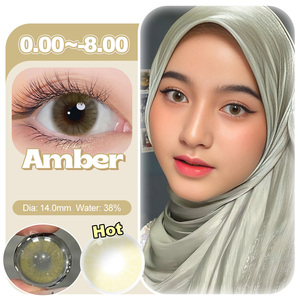
Magister Hidrocor Series Soft Eye Lenses Natural Prescription Contact Lenses
Base Curve / DIA: 8.6mm / 14.2mm
Tech: Sandwich Color Imprinting
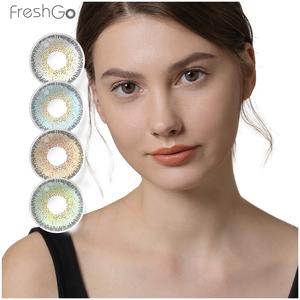
Freshgo 14.2mm Natural Series Soft Cosmetic Contact Lenses Wholesale
Replacement: Yearly / Monthly Disposable
Certification: CE / ISO 13485
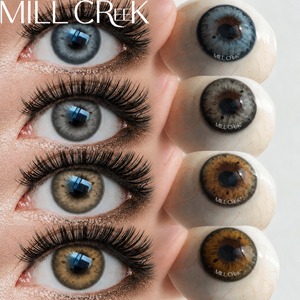
MILLCREEK Prescription Cosmetic Enhancement Yearly Contact Lenses
Oxygen Transmissibility: High Dk/t
Customization: Private Label Packaging
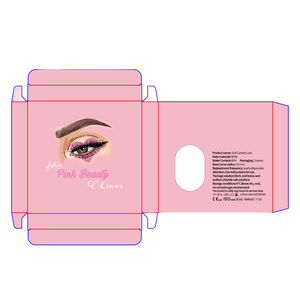
OEM/ODM Recyclable Contact Lens Packaging Boxes with 4-Color Logo Printing
Finish: Glossy / Matte Lamination
Eco Standard: 100% Recyclable Paperboard
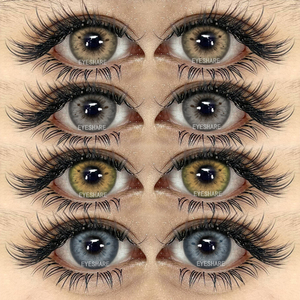
Eyeshare Soft Multi-Tone Natural Color Contact Lenses 2-Pack Blister
UV Protection: Class 2 UV Blocking Filter
MOQ: Low MOQ Wholesale Tiers
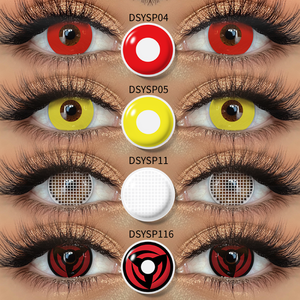
Factory-Direct Crazy Colored Contact Lenses for Cosplay & Halloween
Safety Standard: Opaque Pigment Encapsulation
Center Thickness: 0.08mm Optimized
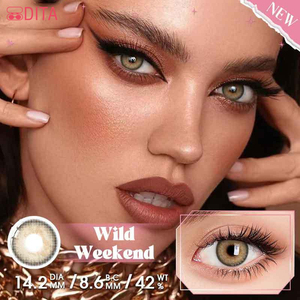
Ultra-Hydrating Soft Color Contact Lenses with Customizable Branding
Comfort: Ultra-Thin Edge Geometry
OEM Service: Full Artwork Support
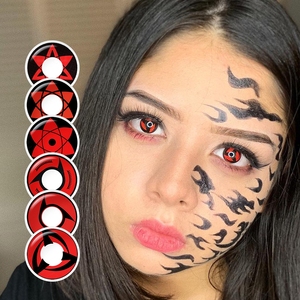
Anime Series Special Effect Cosmetic Lenses Wholesale Batch Direct
Packaging: Sterilized Polyfoil Blisters
Compliance: Complete Lot Traceability
The Global Landscape of Color Contact Lens Manufacturing & Export
The color contact lens sector represents one of the fastest-growing niches within the global ophthalmic devices market. Moving far beyond traditional refractive correction, colored contact lenses have morphed into essential fashion, beauty, and cosmetic accessories. For international procurement managers, pharmacy chain buyers, optical retailers, and brand owners, navigating the matrix of manufacturer capabilities requires evaluating advanced polymer chemistry, optical design precision, cleanroom infrastructure, and stringent international regulatory compliance.
Leading global manufacturers and exporters are concentrated in key medical device hubs including South Korea, Taiwan, Mainland China, and Western Europe. Suppliers that dominate the market distinguish themselves not simply by pricing, but by their investment in automated lathe-cutting technologies, cast-molding precision systems, and proprietary color-embedding processes that ensure maximum ocular safety, high oxygen transmissibility ($Dk/t$), and exceptional wearer comfort.
Ocular Safety First
Micro-encapsulation prevents direct contact between color pigments and corneal epithelial tissues.
Hydration & Breathability
Advanced non-ionic HEMA and Hydrogel polymers maintain moisture retention above 42% over long wear cycles.
Modular Packaging
Turnkey OEM/ODM blister packs, custom carton printing, and complete private label documentation kits.
Technical Differentiation: What Sets Top-Tier Manufacturers Apart?
When evaluating the top 10 colored contact lens manufacturers globally, procurement officers must look beyond visual aesthetics. The optical performance and anatomical compatibility of a lens are governed by exact physical parameters. Below are the key technological metrics that separate elite manufacturers from standard suppliers:
1. Micro-Encapsulation & "Sandwich" Printing Technology
Historically, color contact lenses carried risks of color fading or corneal irritation if pigments were printed directly onto the lens surface. Premier manufacturers utilize advanced 3-Layer Sandwich Printing Technology (also referred to as Interlocking Pattern Coating). In this process, biocompatible pigments are embedded inside the hydrogel polymer matrix. The color layer is fully enclosed between two clear, smooth protective layers of hydrogel material, ensuring that pigment molecules never touch the cornea or conjunctival tissues.
2. Base Curve Optimization & Edge Geometry Design
Comfort is heavily dependent on edge design. Leading exporters utilize computer-controlled, double-beveled rounding edge processes. Unlike sharp cut edges, a smooth rounded edge facilitates constant tear film exchange underneath the lens with every blink. This drastically reduces foreign body sensation and dry eye syndrome during extended daily wear.
| Evaluation Parameter | Standard Commercial Grade | Top-Tier Medical Grade (Kyralens Standard) | Impact on Wearer & Business |
|---|---|---|---|
| Color Embedding Tech | Surface Pad Printing | 3-Layer Micro-Encapsulation Sandwich Tech | Zero risk of pigment leaching; superior safety profile |
| Oxygen Permeability ($Dk/t$) | 12 - 18 $Dk/t$ | 25 - 35+ $Dk/t$ (Silicone Hydrogel) | Prevents corneal hypoxia and redness during extended wear |
| Water Content Stability | 38% (High Dehydration Rate) | 42% - 58% (Hydrophilic Matrix) | Sustained all-day comfort; reduced dry-eye complaints |
| Edge Profile | Single-Chamber Square Edge | Precision Double-Beveled Curved Edge | Enhanced tear lubrication and instant insertion comfort |
| Cleanroom Manufacturing | Class 300,000 Standard | ISO Class 5 / Class 100,000 Cleanroom | Zero microbiological contamination; 100% batch safety |
Future Sourcing & Procurement Trends in Colored Contact Lenses
As global regulatory frameworks tighten and consumer preferences pivot toward natural aesthetics and ocular wellness, procurement teams must align with suppliers capable of anticipating market shifts. The following five key trends are restructuring global supply chains:
1. Rise of High Dk/t Silicone Hydrogel Color Lenses
Historically, color lenses were predominantly produced in traditional HEMA hydrogel due to dye absorption characteristics. Modern R&D breakthroughs have successfully integrated color pigments into Silicone Hydrogel polymers, offering 3x to 5x greater oxygen transmissibility. Procurement managers are rapidly transitioning their high-margin SKU lines toward silicone hydrogel formulations to meet consumer demand for health-first beauty products.
2. Natural Iris Mimicry vs. High-Opaque Anime Graphics
Market demand has split into two lucrative segments: everyday natural cosmetic lenses (1-tone and 2-tone limbal ring designs that blend with brown and dark eyes) and high-impact cosplay/anime lenses (vibrant 3-tone and single-tone opaque patterns). Top suppliers maintain dual production lines capable of supporting both subtle cosmetic enhancement and high-opacity specialty shades.
3. Sustainable & Minimalist Blister Packaging
Environmental legislation—particularly in the EU, North America, and parts of Asia—is forcing optical distributors to minimize plastic waste. Emerging factory standards utilize lightweight foil lids, eco-friendly polypropylene blisters, and FSC-certified paper packaging with soy-based ink printing.
4. Turnkey Private Label (OEM/ODM) Agility
Retail buyers no longer accept 6-month product development cycles. Leading exporters offer streamlined OEM/ODM frameworks—providing pre-approved regulatory technical files (CE, FDA, UKCA), custom die-cut artwork templates, and flexible minimum order quantities (MOQs) for pilot range testing.
Frequently Asked Questions (B2B Sourcing & Procurement FAQ)
Clear, direct technical and commercial answers to common questions asked by buyers, category managers, and optical importers.
Initiate Your Private Label Contact Lens Program Today
Request our comprehensive product catalog, technical data sheets (TDS), color swatch physical samples, and tiered wholesale price lists. Contact our key account engineering team for direct factory sourcing.
Get Catalog