Top 10 Contact Lens OEM Service Manufacturers & Exporters
Global Sourcing Insights, ISO 13485 Manufacturing Compliance, Polymer Chemistry Innovations & Turnkey Private Label Solutions
Featured OEM Contact Lenses & Optical Engineering Products
Direct from Certified Cleanroom Manufacturing Facilities – Fully Customizable for Global Retailers & Optical Brands
Lens Accessory
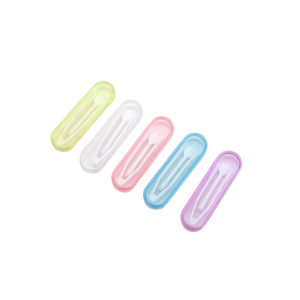
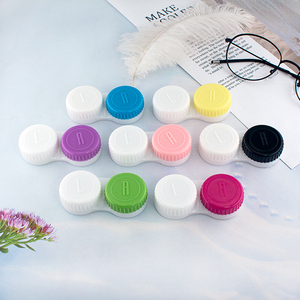
Medical Silicone Contact Lens Tweezers & Insertion Tool
Ultra-soft, medical-grade silicone suction applicator and anti-scratch tweezers designed for hygienic handling of hydrogel and cosmetic soft contact lenses.
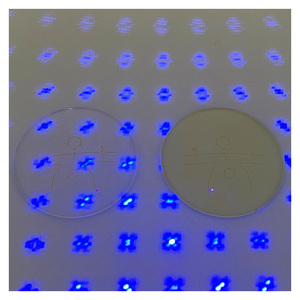
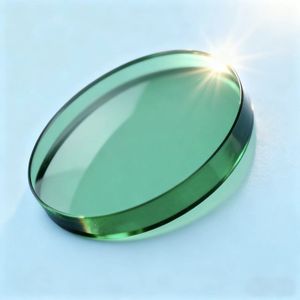
1.56 Anti-Blue Ray Round-Top Bifocal Ophthalmic Lens
Hard-coated (HC) and Multi-Coated (HMC) prescription ophthalmic lenses with high blue-light filtering efficiency and scratch-resistant hydrophobic coating.
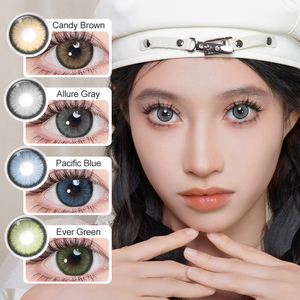
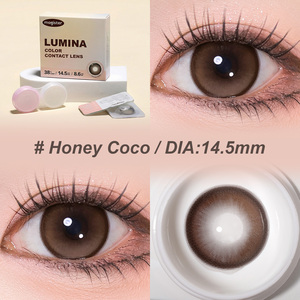
Wholesale 14.5mm Soft Natural Brown Cosmetic Color Lens
High-water hydrogel cosmetic color contact lenses incorporating triple-layer pigment sandwich technology for maximum eye comfort and vibrant iris enhancement.
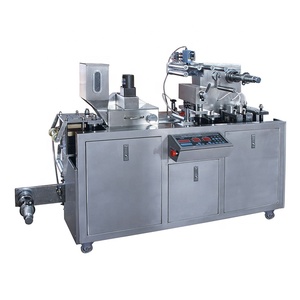
Industrial-grade automatic blister sealing and thermoforming equipment designed specifically for saline liquid dosing and leak-free aluminum foil sealing of contact lenses.
Executive Sourcing Analysis: Evaluating Global Contact Lens OEM Manufacturers
The global contact lens market has evolved from standard vision correction into a highly sophisticated ecosystem encompassing optical biomechanics, polymer material science, cosmetic color micro-pigmentation, and specialized pharmaceutical contact care solutions. For procurement directors, optical chain retail buyers, and private label brand managers, evaluating contract manufacturing partners requires a rigorous audit beyond basic unit production costs.
Core Procurement Rule: OEM/ODM partners must possess Class 100,000 (ISO Class 8) and Class 10,000 (ISO Class 7) automated cleanroom environments, fully compliant with ISO 13485 quality management systems, US FDA 510(k) clearances, and EU Medical Device Regulation (MDR 2017/745) requirements.
Selecting a premier contact lens Original Equipment Manufacturer (OEM) or Original Design Manufacturer (ODM) dictates long-term brand equity, product safety, parameter yield consistency, and regulatory risk mitigation. Key technical parameters evaluated in our benchmarking methodology include polymer oxygen permeability ($Dk/t$), surface modulus elasticity ($MPa$), equilibrium water content (EWC), wet-molding edge profile design, and color pigment containment encapsulation.
Polymer Monomer Science
Synthesis of third-generation Silicone Hydrogel monomers yielding ultra-high oxygen transmissibility without compromising wettability or increasing surface modulus strength.
Bio-Safety Encapsulation
Patented sandwich micro-encapsulation techniques that embed organic pigments entirely inside the polymer matrix, ensuring zero pigment exposure to the human cornea.
Automated Vision Quality Control
Sub-micron optical automated inspection systems scanning 100% of blisters for edge tearing, bubble formation, peripheral thickness variances, and surface particulate contamination.
Strategic Sourcing & Future Trends in Contact Lens Manufacturing (2025–2030)
As global retail buyers navigate post-pandemic consumer shifts, optical product procurement is rapidly transforming. Retail chains such as Watsons, Rossmann, Kruidvat, and REWE are shifting private label strategies from low-cost commoditized products toward premium, high-margin, bio-compatible eye care portfolios. Understanding future manufacturing trends is essential for constructing resilient product roadmaps.
1. The Universal Transition to High-Dk Silicone Hydrogel (SiHy) Daily Disposables
Traditional hydrogel contact lenses composed of HEMA (hydroxyethyl methacrylate) materials are rapidly losing market share to Silicone Hydrogel (SiHy) formulations. Modern consumers demand daily disposable formats that prevent dry-eye symptoms caused by prolonged digital screen exposure. Advanced OEM exporters are investing heavily in fluorosilicone monomer synthesis to achieve oxygen transmissibility ratings ($Dk/t$) exceeding 120, while maintaining low dehydration rates under low humidity ambient environments.
Leading optical OEMs are moving beyond simple saline packaging solutions by integrating natural tear-film mimetic polymers such as Hyaluronic Acid (HA), Polyvinylpyrrolidone (PVP), and 2-methacryloyloxyethyl phosphorylcholine (MPC) directly into the lens monomer structure. This permanent matrix hydration minimizes lipid deposition, reduces bacterial adhesion, and provides day-long comfort without relying on artificial ocular lubricant rewetting drops.
Environmental responsibility has shifted from a brand marketing concept to a mandatory vendor auditing metric. Tier-1 European supermarket and drugstore procurement teams now mandate reduced plastic footprint solutions. Next-generation contact lens blister manufacturing lines utilize polypropylene (PP) formulations that use 40% less resin, alongside 100% recyclable aluminum foil lids and compact secondary paperboard cartons designed to optimize container shipping density.
With artificial blue light radiation rising from LED monitors and smartphones, OEM development is expanding into functional light management. Photochromic soft contact lenses and yellow-tinted blue-light filtering matrices represent fast-growing categories. OEM exporters offering semi-finished and finished photochromic optical blanks alongside functional contact lenses provide multi-category sourcing advantages for retail optical buyers.
Product Development & Production Technology Breakthroughs
Contract manufacturing of contact lenses involves high-precision mass micro-engineering. Achieving micron-level geometric repeatability across millions of units per month requires state-of-the-art tooling and chemistry control.
Technical Milestone: High-speed double-sided cast molding technology now achieves surface roughness tolerances below 10 nanometers ($nm$), ensuring frictionless movement over the conjunctiva and ocular epithelium.
In traditional lathe-cutting, individual lens buttons are turned mechanically, limiting throughput and consistency. Modern OEM export leaders utilize computer-controlled automated cast molding: liquid polymer monomers are injected into high-precision optical quartz or plastic mold inserts, cured instantly via targeted ultraviolet light, and hydrated dynamically in cleanroom environments.
For cosmetic color lenses, color consistency is achieved using multi-tone automated pad printing or digital micro-inkjet technology. The pigment pattern is sealed using a protective top coat monomer layer before thermal curing. This process ensures that the finished contact lens maintains high color fidelity, precise iris pattern alignment, and smooth anterior surface geometry.
Headquartered in Ede, The Netherlands – Delivering Turnkey Private Label Eye Care Solutions to Global Chains
As a specialized global distributor and OEM private label developer, kyralens Technology Co., Ltd bridges international manufacturing excellence with stringent European regulatory standards. Operating out of Faradaystraat 14, 6718 XT Ede, The Netherlands, kyralens manages end-to-end optical product programs—from polymer selection and artwork customization to destination country registration and lot-level supply chain replenishment.
Trusted by International Retailers, Pharmacy Chains & Optical Wholesalers Across Europe, Middle East & Asia:
WatsonsRossmannKruidvatTrekpleisterAhold DelhaizeAlbert HeijnEtosNahdi PharmacyGMG GroupEureka RetailMigrosREWE Group
Frequently Asked Questions (FAQ) for B2B Contact Lens Sourcing
Technical, Regulatory, and Supply Chain Insights for Enterprise Procurement Teams
What regulatory documentation and certifications are required to import OEM contact lenses into Europe and North America?
+
Contact lenses are classified as Class IIa or Class IIb medical devices under European MDR 2017/745 and Class II medical devices under US FDA regulations. To successfully import and sell OEM contact lenses, the manufacturer must hold ISO 13485 certification, provide a valid CE Certificate of Conformity from an accredited Notified Body, maintain full Technical Documentation Dossiers (including biocompatibility testing per ISO 10993 and clinical evaluation reports), and establish lot-level traceability protocols. kyralens provides complete technical dossier support for seamless regulatory registration.
What is the structural difference between HEMA hydrogel and Silicone Hydrogel (SiHy) for private label lines?
+
HEMA hydrogel materials rely on water content to transport oxygen to the cornea, typically yielding oxygen permeability (Dk/t) ratings between 15 and 30. Silicone Hydrogel incorporates siloxane polymer chains that allow oxygen to pass directly through the material matrix regardless of water content, reaching Dk/t ratings from 80 to over 130. Silicone hydrogel reduces hypoxic stress during long wear, making it the preferred choice for premium retail private label branding.
How does the pigment sandwich embedding technique protect consumer ocular health in cosmetic color lenses?
+
The sandwich embedding technique (or micro-encapsulation) coats the color pigments between two protective layers of clear lens polymer before polymerization. This structure prevents organic or inorganic dyes from coming into direct physical contact with the corneal endothelium or palpebral conjunctiva, eliminating risks of pigment leaching, allergic inflammation, or surface friction discomfort.
What are the standard Minimum Order Quantities (MOQs) for customized OEM packaging and private label lenses?
+
Minimum Order Quantities vary based on SKU parameters, replacement schedules, and packaging customization depth. For standard clear spherical hydrogel lenses in existing parameter stock, pilot run MOQs start as low as 5,000 to 10,000 blisters per power. Fully customized private label printed paper boxes and specific custom base curve/diameter production runs typically require MOQs ranging from 30,000 to 50,000 blisters per brand collection.
What sterilization methods and packaging validation tests ensure a 5-year shelf life for blister packs?
+
Contact lens blister packs undergo moist heat steam autoclaving at elevated temperatures (typically 121°C for at least 15–20 minutes) inside certified pressure vessels. Shelf life stability is validated through accelerated aging testing (at 55°C) and real-time aging protocols according to ISO 11607 standards. Tests verify seal strength integrity, saline pH stability, osmolarity retention, and sterility maintenance over a 3- to 5-year shelf period.
Can OEM partners support automated blister packaging machinery solutions for localized secondary packing facilities?
+
Yes. Advanced optical engineering suppliers provide complete industrial equipment solutions, such as the DPP80 Automated ALU-Plastic Blister Packaging Machine. These machines integrate thermoforming, liquid saline dosing, micro-leak detection, and heat-sealing capabilities, allowing large optical distributors or regional pharmaceutical plants to establish localized secondary packaging lines while sourcing bulk sterile blisters.
How are manufacturing defects monitored and controlled under ISO 13485 protocols?
+
Quality assurance under ISO 13485 involves 100% online Automated Optical Inspection (AOI) utilizing high-resolution CCD cameras that capture sub-pixel images of each lens in its saline blister. Defects such as edge tears, center thickness deviations, inclusion of foreign particles, and heat-seal micro-voids are automatically rejected before secondary boxing, maintaining Acceptable Quality Level (AQL) standards below 0.1%.
Why partner with kyralens Technology Co., Ltd for European and Middle Eastern private label distribution?
+
kyralens offers European management oversight, simplified logistics, and compliant multilingual packaging design directly tailored to destination drugstores and pharmacy chains. By combining centralized European regulatory compliance with direct cleanroom manufacturing access, kyralens reduces procurement lead times, minimizes regulatory risks, and provides complete product category management across lenses, eye drops, care solutions, and optical accessories.
Partner with a World-Class Contact Lens OEM/ODM Leader
Initiate your custom private label project, request sample kits, or obtain technical compliance dossiers from our optical engineering team.