ISO 13485 Certified Contact Lens Portfolio
High-precision OEM/ODM colored lenses, optical frames, and accessory systems manufactured under strict medical-grade cleanroom protocols for global distributors and retail chains.
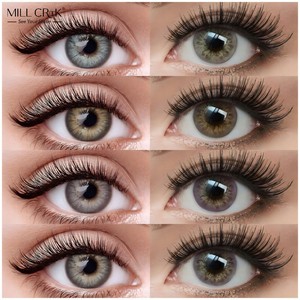
Factory Direct 40% Water Content Colored Contact Lenses High-Quality OEM ODM Wholesale CE ISO 13485 Certified
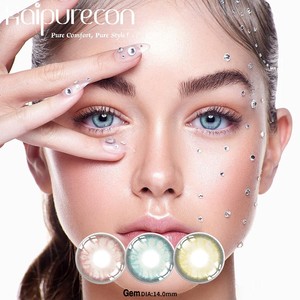
Contact Lenses Wholesale Colored Contacts Eyes Lenses 14.0mm Soft HEMA Cosmetic Natural Custom OEM ODM Bulk Factory Manufacturer
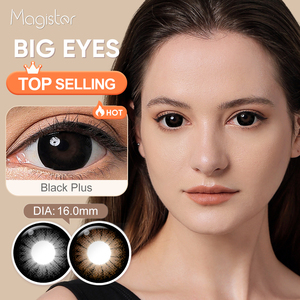
Free HOT Magister 16mm Colored Contacts Eye Contact Lenses Contact Lens Natural Soft Lens Wholesale Brown Lentes De Contacto
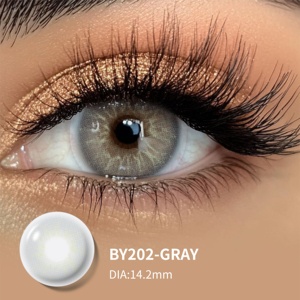
Private Magister Power Colored Contact Lenses Soft HEMA Material Monthly Natural Eye Pupilentes Lentes De Contacto De Colores
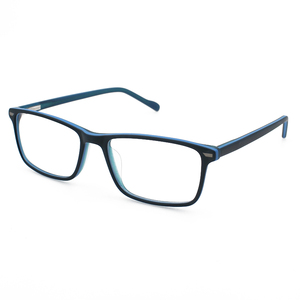
China Manufacturers Raw Acetate Materials Optical Frames Eyeglasses for Men
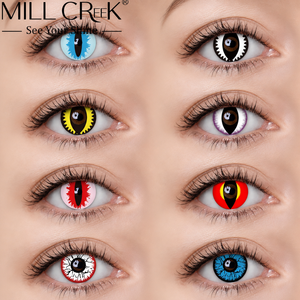
MILLCREEK Red Yearly 14.5mm Cosplay Party Special-Effect Crazy HEMA OEM Wholesale Colored Contact Lenses Lentes De Contacto
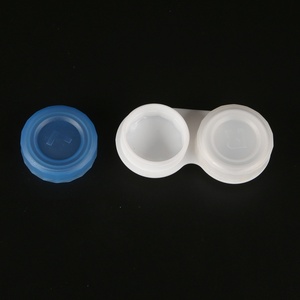
Wholesale Custom New PP-02 Plastic Contact Lens Companion Double Box Simple Korean Style Blue White Color Contact Lenses
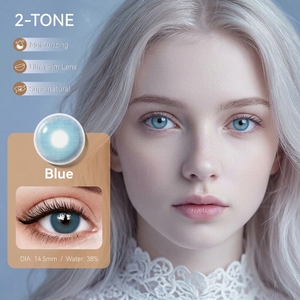
Fashion Style Natural Blue Soft Contact Lenses Cosmetic OEM ODM Wholesale 14.5mm 38% Water Content ISO 13485 Certified
Evaluating Top 10 ISO Certified Colored Contacts Suppliers: A Comprehensive Technical Framework
For procurement directors, optical retail buyer networks, and pharmaceutical distributors, identifying qualified contact lens manufacturers requires evaluating regulatory credentials, material safety, automated quality control, and micro-pigment encapsulation tech.
1. The Regulatory Imperative: Why ISO 13485:2016 is Non-Negotiable
Cosmetic colored contact lenses are classified as Class IIa medical devices under EU MDR (2017/745) and Class II medical devices by the US FDA. Procuring soft contact lenses from uncertified facilities poses extreme legal, operational, and commercial risks. An authentic ISO 13485 certified colored contacts supplier factory operates under a comprehensive Quality Management System (QMS) specifically engineered for ophthalmic medical devices.
This certification guarantees lot-to-lot traceability, validated bio-compatibility (ISO 10993 compliance), non-cytotoxicity, and strict environmental control over raw polymer synthesis. When auditing top manufacturers, procurement teams must verify that the ISO certification covers "Design, Development, Cast-Molding, and Packaging of Sterile Ophthalmic Hydrogel Lenses" rather than generic optical packaging.
2. Technical Evaluation Matrix for OEM/ODM Contact Lens Factories
To establish competitive advantages in retail and private label channels, professional buyers must evaluate OEM/ODM manufacturers across five core technical pillars:
| Audit Parameter | Standard Commercial Grade | Medical-Grade ISO Standard (Tier 1) | Business & Health Impact |
|---|---|---|---|
| Pigment Encapsulation | Single-layer surface printing | Double-layer Sandwich Technology | Zero pigment-cornea contact; eliminates allergic keratitis. |
| Molding Technology | Manual spin-casting / basic lathe | Fully Automated Cast-Molding (Cast-Mold) | Sub-micron edge geometry; prevents optical aberrations. |
| Oxygen Transmissibility (Dk/t) | 10 - 15 Dk/t (Low HEMA) | 25 - 120 Dk/t (High Hydrogel / Silicone) | Sustained corneal respiration; reduces hypoxia & eye redness. |
| Inspection Protocol | Sample visual manual check | 100% Automated Optical Inspection (AOI) | Eliminates micro-tears, edge burrs, and pattern misalignments. |
| Water Content Stability | Variability ± 5% | Tight Tolerance ± 1.5% (38%-42% target) | Long-lasting dehydration resistance during daily wear. |
Technological Development & Material Science Trends in Cosmetic Contact Lenses
As consumer expectations shift toward natural iris aesthetics and all-day hydration, contact lens manufacturing technology is undergoing rapid material transformations.
Silicone Hydrogel Transition
Evolution from conventional poly-HEMA to third-generation Silicone Hydrogel polymers, increasing oxygen permeability by up to 400% for long-hour wear.
Micro-Raster Iris Printing
Multi-layered HD dot-matrix digital rendering mimicking natural human iris striations for realistic color transitions in natural lighting.
Hyaluronic Acid (HA) Matrix
Molecular embedding of tear-film lubricating agents (HA & PVP) directly into the polymer network to prevent dry-eye symptoms.
Material Science Breakdown: Poly-HEMA vs. Silicone Hydrogel in Colored Lenses
Traditionally, 2-hydroxyethyl methacrylate (poly-HEMA) has dominated the cosmetic colored contact lens sector due to its high flexibility, cost-effectiveness, and ease of tinting. However, next-generation manufacturing centers are scaling up production of Silicone Hydrogel colored contact lenses. Silicone hydrogel incorporates fluorosilicone monomers, allowing oxygen to pass directly through the material matrix rather than relying solely on water content.
This technological leap addresses the classic "water content paradox" in colored lenses. While high water content HEMA lenses feel comfortable initially, they act like a sponge in arid environments, drawing moisture from the wearer's tear film. In contrast, low water-content high-Dk Silicone Hydrogel maintains structural stability and moisture equilibrium throughout 12+ hours of wear.
Bio-Inspired 3D Iris Patterning & Precision Optics
Modern consumers demand cosmetic lenses that blend seamlessly with natural pupil colors. Advanced factories utilize bio-mimetic iris software to render multi-tone pattern layouts (1-tone natural enhancement, 2-tone iris depth, 3-tone gradient contrast, and special-effect cosplay graphics). By deploying automated micro-drop inkjet technology, color densities are modulated at sub-micron levels, preventing optical distortion across the central clear visual zone (typically 3.0mm to 3.5mm pupil diameter).
Future Sourcing & Global Procurement Trends (2025–2030)
Navigating supply chain evolution, private label branding demands, and international regulatory shifts for high-volume optical purchasing.
1. Direct-to-Consumer (D2C) & Retail Aggregation Integration
Global optical retail is moving toward hybrid sales channels. Supermarket chains, pharmacy groups (such as Rossmann, Kruidvat, and Watsons), and specialized D2C beauty brands require supply partners that offer total supply chain integration. The strategic procurement model has shifted from simple bulk commodity buying to end-to-end private label packaging programs including customized blister packs, secondary retail cartons, multilingual instructions for use (IFU), and standardized barcoding (GS1 DataMatrix & UDI).
2. Demand for Modular MOQs and Rapid Prototyping
Fast fashion trends are bleeding into cosmetic optics. Retailers can no longer afford 12-month production lead times for new color collections. Future-ready manufacturers must offer agile OEM capabilities—enabling brand owners to test seasonal shade collections with modular Minimum Order Quantities (MOQs) before committing to 100k+ unit mass runs.
3. Sustainable Eco-Packaging & Accessory Integration
Environmental regulations across the EU and North America are forcing a redesign of traditional primary packaging. Modern procurement specs demand medical-grade PP-02 recyclable blister shells, reduced foil thickness, eco-poly outer packaging, and bio-compatible lens care companion cases. Bundling sterile daily/monthly colored lenses with compliant multipurpose solution drops and companion boxes ensures complete shelf-ready product ecosystems.
Why Global Retail Leaders Partner with Kyralens Technology
Kyralens Technology Co., Ltd. delivers a streamlined, compliant, and scalable OEM/ODM platform for private label contact lenses, eye drops, and optical care products.
Full-Spectrum Compliance
Complete documentation packages supplied for global entry, including Declarations of Conformity, ISO 13485 certificates, CE approvals, and lot-level traceability.
End-to-End Shelf Category
One unified partner supplying soft colored lenses, prescription hydrogels, eye drops, cleaning solutions, companion cases, and optical frames.
Global Logistics & Retail Reach
Trusted by major pharmacy, grocery, and optical networks across Europe, the Middle East, and Asia with localized, multilingual retail packaging.
Kyralens eliminates category entry barriers for importers and retail chains. From product specification alignment and brand packaging design to automated cleanroom production and destination customs documentation, our team manages every stage of the private label life cycle.
Frequently Asked Questions (FAQ) for Optical Buyers & Importers
Answers to essential technical, regulatory, and operational questions encountered during contact lens vendor audits.
Partner with a Leading ISO Certified Contact Lens Manufacturer
Consult with our OEM/ODM technical specialists to receive sample kits, technical dossiers, and customized private label cost projections for your destination market.
Send an Inquiry