Featured OEM/ODM Colored Contact Lens Solutions
Explore high-volume OEM/ODM contact lens configurations engineered in ISO 13485 cleanrooms. Customized for private label optical chains, cosmetic brands, and global distributors.
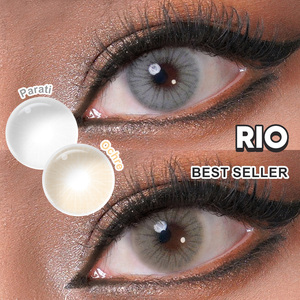
Customized Package Freshgo Colored Contact Lenses Small Pupil Colored Contact Wholesale RIO Natural Contact Lenses
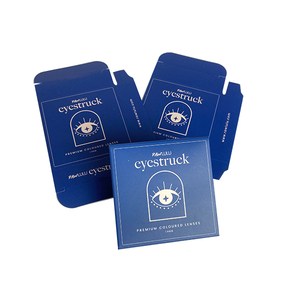
Free Design Soft Contact Lenses Packaging Low Moq Contact Lenses Wholesale Lentes De Contacto
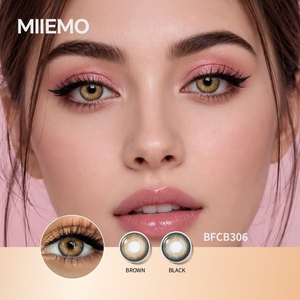
OEM/OEM Factory Direct Shipping Direct Sell Transition 3 Tone Ocean Blue Soft Magic Eye Color Contact Lens Low Price
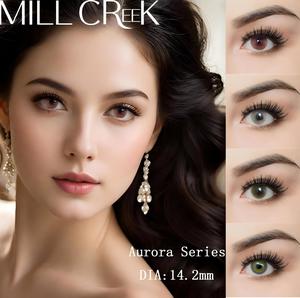
MILL CREEK Wholesale CE Certified Soft Colored Contact Lenses for Eyes-Prescription Cosmetic
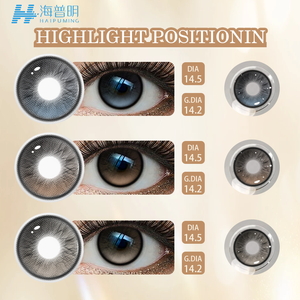
Wholesale Rotation-Stable Highlight Colored Contact Lenses 14.5mm Yearly Soft HEMA Custom OEM Factory Supply for Resellers
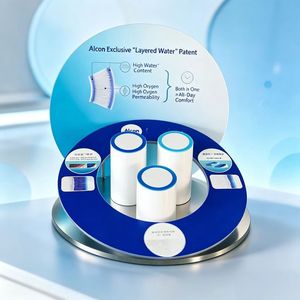
Premium Stable Structure PMMA Stainless Steel Contact Lens Display Tray Custom Size Brand Slogan Printing Easy Assembly Retail
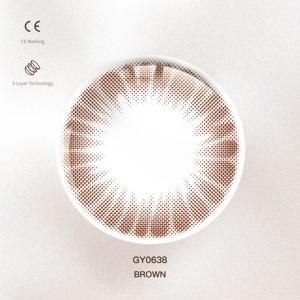
Manufacturer Accept OEM Can Be Customized Fashion Contact Lens,Year Throws Instock Color Fashion Contact Lens
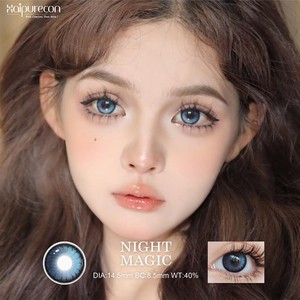
Haipurecon High-Quality Soft Contact Lenses with Natural Colored Cosmetic Lens Positioning
Global B2B Sourcing Metrics & Manufacturing Capacities
China has established itself as the world's most sophisticated hub for soft contact lens manufacturing, blending advanced polymer chemistry with automated high-speed cast molding lines.
The Shift Toward China ODM Supremacy in Vision Care
The global color contact lens market is undergoing a seismic structural shift. Historically dominated by rigid medical distribution channels, color contact lenses have evolved into a hybrid category—standing at the intersection of prescription eye care, fast-fashion cosmetics, and daily beauty routines. Global optical brands, drugstore chains (such as Watsons, Rossmann, and Kruidvat), and digital-native DTC beauty companies increasingly rely on top-tier Chinese Original Design Manufacturers (ODM) and Original Equipment Manufacturers (OEM) to drive product innovation.
China's specialized manufacturing ecosystem—concentrated in key industrial clusters like Jiangsu and Guangdong—combines state-of-the-art polymer formulation, precision micro-molding, and automated high-speed packaging lines. This infrastructure empowers brand owners to deploy rapid product iterations, launch multi-tone color collections with bio-compatible pigments, and maintain rigid compliance with medical device directives across the EU, US, Middle East, and Asia-Pacific regions.
Technical Breakthroughs in Contact Lens Manufacturing
A technical deep-dive into how leading Chinese factories engineer soft hydrogel and silicone hydrogel lenses for maximum physiological safety and optical clarity.
Sandwich Bio-Encapsulation Technology
Leading ODM factories utilize multi-layer bio-compatibility printing. Colored pigments (titanium dioxide, iron oxides, phthalocyanines) are completely embedded between two protective isolation layers of clear hydrogel material. This guarantees zero direct contact between colorants and the delicate human cornea or palpebral conjunctiva, preventing pigment leaching and mechanical friction.
Silicone Hydrogel (SiHy) Polymer Matrices
Transitioning from traditional HEMA (2-hydroxyethyl methacrylate) to fluorinated silicone hydrogel polymers dramatically elevates oxygen transmissibility (DK/t values exceeding 80–120). High oxygen permeability prevents corneal hypoxia, limbal neovascularization, and ocular redness, enabling comfortable 12-hour+ daily wear for cosmetic users.
Sub-Micron Automated Cast Molding
Modern Chinese factories employ fully automated ultra-precision optical cast molding systems. Using high-purity single-use optical molds, liquid monomer mix is injected, cured under UV/thermal channels, and hydrated. This ensures strict batch-to-batch consistency in base curve (BC 8.5–8.7mm), diameter (DIA 14.0–14.5mm), and power accuracy (0.25D increments).
| Performance Parameter | Standard HEMA Hydrogel Lenses | Advanced Silicone Hydrogel ODM Lenses | B2B Buyer Impact |
|---|---|---|---|
| Oxygen Permeability (DK/t) | 18 - 25 DK/t | 80 - 130 DK/t | 4x oxygen flow; supports medical marketing claims & premium pricing. |
| Water Content Range | 38% - 58% | 40% - 48% (Low dehydration) | Prevents lens dry-out in air-conditioned environments; boosts end-user retention. |
| Modulus (Flexibility) | 0.3 - 0.5 MPa | 0.6 - 0.9 MPa | Provides structural memory for easy handling and insertion by first-time wearers. |
| Color Layering Method | Surface Pad Printing (Outdated) | 3-Layer Sandwich Bio-Encapsulation | 100% ocular safety compliance; meets stringent FDA & EU MDR Class IIa audits. |
| Edge Geometry | Standard Cut Edge | Tapered Micro-Aspheric Edge Design | Smooth tears exchange under the lens; prevents eyelid margin friction. |
Future Procurement Trends in Colored Contact Lenses
Key market shifts shaping global B2B optical procurement over the next five years. Stay ahead of category disruptions and consumer demand dynamics.
1. The Rapid Dominance of Daily Disposables (1D) over Long-Cycle Lenses
Global consumer hygiene awareness and convenience preferences are accelerating the phase-out of monthly and yearly replacement cosmetic lenses. Sourcing data indicates that Daily Disposable (1D) color contact lenses now represent over 62% of new product developments among tier-1 optical retailers. Daily lenses eliminate the need for multipurpose cleaning solutions and storage cases, reducing the risk of microbial keratitis while increasing repurchase velocity per user.
2. Micro-Pupil Aesthetics & Iris Texture Emulation
Cosmetic preferences are pivoting from oversized, unnatural "anime-style" big-eye designs (14.5mm+ high opacity) to hyper-realistic iris textures. Top ODM manufacturers are innovating with small pupil aperture designs (3.0mm–3.5mm) featuring multi-layered radial striations, subtle limbal rings, and semi-transparent dot-matrix blending. Modern consumers seek subtle eye enhancement that seamlessly integrates with their natural eye color.
3. Integrated Private Label Ecosystems: Bundling Care Solutions & Drops
Forward-thinking retail buyers are moving away from sourcing standalone SKUs. Instead, they collaborate with ODM suppliers like kyralens Technology Co.,Ltd to launch cohesive eye-care shelf solutions. This includes pairing private label color contact lenses with sterile hyaluronic acid rewetting drops, preservative-free unit-dose drops, and multipurpose disinfecting solutions under a unified retail brand identity.
4. Eco-Conscious Packaging & Reduced Plastic Footprints
Environmental regulations in Europe and Asia are pushing optical brands to demand sustainable primary packaging. Manufacturers are introducing ultra-thin aluminum foil blister lids, recycled polypropylene (PP) blister cups, and compact outer cartons made from FSC-certified paperboard—reducing freight volume and plastic waste by up to 35%.
Regulatory Certification & Medical Device Compliance
Navigating global market access requires rigorous adherence to medical device quality management systems and country-specific regulatory filings.
EU MDR 2017/745 Class IIa Certification
Under European Union regulations, non-prescription cosmetic lenses as well as prescription color lenses are classified as Class IIa/IIb medical devices. Premium Chinese supplier factories maintain CE certification under Notified Bodies (such as TÜV Rheinland or BSI), providing full Technical Files, Clinical Evaluation Reports (CER), and Risk Assessment dossiers.
ISO 13485:2016 Quality Systems
Quality control starts long before raw monomers enter cleanrooms. Verified factories operate under ISO 13485 certified Quality Management Systems (QMS), enforcing lot-by-lot batch record traceability, bio-burden testing, cytotoxicity screening, and 100% visual inspection via Automated Optical Inspection (AOI) cameras.
US FDA 510(k) & NMPA Clearance
For brands targeting North American or Chinese domestic retail, partner factories offer pre-cleared 510(k) Premarket Notifications and National Medical Products Administration (NMPA) Class III registration certificates, drastically shortening market entry timelines for brand owners.
Why Top Retail Leaders Partner with kyralens Technology Co.,Ltd
A reliable, end-to-end partner specializing exclusively in private label vision care, connecting cutting-edge optical production with retail category management.
kyralens Technology Co.,Ltd stands as a premier enterprise developer and global wholesaler of private label eye care products. We bridge the gap between high-precision optical manufacturing and consumer retail requirements. Rather than forcing brands into rigid off-the-shelf catalog selections, we manage an agile full-stack ODM co-creation workflow tailored to procurement teams, drugstores, and optical chains.
End-to-End Private Label Co-Creation Capabilities
- Assortment Gap Analysis: We analyze your market footprint, competitive shelf pricing, and demographic target to formulate winning lens shade matrix portfolios.
- Custom Artwork & Structural Design: Differentiate your retail brand with bespoke primary blisters, secondary folding cartons, and retail display trays (PMMA / Stainless Steel).
- Regulatory Dossier Support: Multilingual packaging compliance, localized ingredient lists, EAN/UPC barcoding, and complete lot-traceability documentation pre-approved prior to mass production.
- Flexible Minimum Order Quantities (MOQ): Tiered order structures designed to support both localized pilot launches and scaled national roll-outs across multi-store retail networks.





Frequently Asked Questions (FAQ)
Essential technical and commercial answers for B2B procurement managers, optical category directors, and cosmetic brand developers.
What is the difference between OEM and ODM in colored contact lens manufacturing? +
OEM (Original Equipment Manufacturer) involves manufacturing contact lenses according to a client's pre-existing precise specifications, artwork, and formula. ODM (Original Design Manufacturer) is a comprehensive solution where the factory handles everything from polymer chemistry formulation, custom iris pattern artwork creation, optical mold development, regulatory registration, and full retail-ready blister/carton packaging design based on your target market requirements.
How do China factories ensure color pigment safety in soft contact lenses? +
Leading Chinese ODM manufacturers use advanced 3-layer Sandwich Bio-Coloring Technology. Natural organic pigments or FDA-approved iron oxide colorants are printed onto an inner hydrogel matrix layer and subsequently encapsulated between two clear, unpigmented hydrogel polymer layers. This prevents any mechanical contact between pigment particles and the cornea, ensuring absolute ocular biocompatibility and zero color leaching.
What regulatory certificates are required to import color contact lenses into Europe or North America? +
Contact lenses are regulated as medical devices globally. For the European Union, products require CE certification under EU MDR 2017/745 (Class IIa medical devices), supported by ISO 13485 QMS certification. For the US market, 510(k) clearance numbers from the US FDA are required. For Middle Eastern markets (such as Saudi Arabia), Saudi FDA clearance is mandatory. kyralens provides comprehensive technical documentation and regulatory dossiers for destination country clearance.
What are the typical Minimum Order Quantities (MOQs) for private label color lenses? +
MOQs depend on the level of customization. For custom-designed color patterns and customized branded boxes, baseline factory MOQs typically start at 500 to 1,000 pairs per SKU/power. For standard stock patterns in custom private label packaging, MOQs can be lower. Contact our enterprise sales team to receive a tailored project quotation per SKU.
What is the shelf life and sterilization method for factory-supplied color lenses? +
Color soft contact lenses sealed in sterile buffered saline blisters have a certified shelf life of 5 years from the date of manufacture. Sterilization is performed using moist heat steam autoclaving at 121°C (250°F) for a minimum of 30 minutes, meeting Sterility Assurance Level (SAL) 10^-6 standards in accordance with ISO 17665.
Can we customize lens parameters like Base Curve (BC) and Diameter (DIA)? +
Yes. Standard universal cosmetic lens specifications are Base Curve (BC) 8.5mm–8.7mm and Diameter (DIA) 14.0mm–14.5mm with a graphic diameter (GDIA) ranging from 13.0mm to 14.0mm. Custom ODM optical molds can be fabricated to adjust center thickness, pupil aperture diameter, and peripheral edge profiles for custom market lines.
What is the typical production and lead time for custom ODM orders? +
Sample approval and pattern proofing usually take 7 to 10 working days. Once artwork and technical specs are signed off, mass cleanroom manufacturing, hydration, sterilization, QA testing, and custom packaging assembly require approximately 20 to 30 calendar days depending on total order volume.
Ready to Build Your Private Label Contact Lens Brand?
Partner with a verified industry ODM/OEM specialist. Speak with our optical engineers and procurement specialists today to request product samples, factory audits, and OEM pricing catalogs.