Explore high-demand cosmetic and clear contact lens SKUs, OEM custom packaging options, and ophthalmic optics directly manufactured for international markets.
Understanding the price structure of contact lenses manufactured in China requires analyzing raw material polymer costs, optical manufacturing processes (wet casting vs. high-precision lathe cutting), multi-layer color printing techniques, and international packaging sterilization. Below is the comprehensive market benchmark for procurement teams and commercial buyers.
| Category / Product Type | Material Specification | Replacement Cycle | Tier 1 (1k - 5k Pairs) | Tier 2 (10k - 50k Pairs) | Tier 3 (100k+ Pairs) | Target Retail Margin |
|---|---|---|---|---|---|---|
| Clear Standard Soft Lenses | PolyHEMA / HEMA-MAA 58% H2O | Daily Disposable | $0.25 - $0.35 / pair | $0.18 - $0.24 / pair | $0.12 - $0.16 / pair | 65% - 80% |
| Silicone Hydrogel Clear Lenses | Formofilcon B (100+ Dk/t) | Daily / Monthly | $0.65 - $0.85 / pair | $0.45 - $0.58 / pair | $0.32 - $0.42 / pair | 60% - 75% |
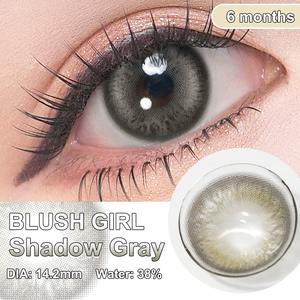
| Cosmetic 3-Tone Color Lenses | PolyHEMA Sandwich Tech | Monthly / Yearly | $0.85 - $1.30 / pair | $0.55 - $0.78 / pair | $0.38 - $0.50 / pair | 70% - 85% |
| Lubricating Eye Drops (15ml) | 0.2% Hyaluronic Acid / Preservative-Free | Daily Care | $0.95 - $1.40 / unit | $0.68 - $0.88 / unit | $0.48 - $0.62 / unit | 60% - 72% |
| Custom Printed Outer Packaging | FSC 350g Medical Carton + Foil | Per Order Run | $0.18 - $0.25 / box | $0.09 - $0.14 / box | $0.04 - $0.07 / box | N/A (Cost Item) |
When evaluating quotes from Chinese contact lens suppliers, verify whether the quoted FOB price includes saline blister sealing integrity validation, diopter mix surcharges, CE MDR technical file access, and automated secondary carton insertion. High-end automated factories utilize robotic vision inspection to eliminate optical power variance, significantly reducing retail return rates.
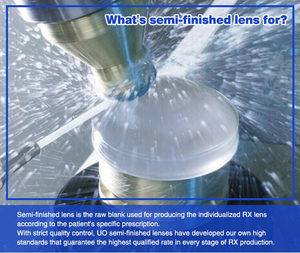
Evaluating OEM manufacturing quality requires examining polymer chemistry, optical design parameters, and surface wettability metrics. Modern production lines in China have transitioned from traditional lathe cutting to ultra-precise automated wet casting molds.
Standard PolyHEMA hydrogels provide a Dk/t of 15–28, suitable for daily wear. Advanced Silicone Hydrogel (SiHy) formulations yield a Dk/t between 80 and 150+, allowing high oxygen diffusion that mitigates corneal hypoxia and corneal edema during prolonged use.
To eliminate direct dye contact with the eye tissue, leading Chinese factories utilize double-layer sandwich coating technology. Micro-pigments are micro-encapsulated between two sterile polymer layers, guaranteeing zero color leaching and maximum ocular safety.
Smooth, rounded edge designs produced via high-speed nanometer-level molds minimize eyelid sensation during blinking. Edge thickness is strictly controlled within a tight margin of ±0.005mm for instant comfort upon insertion.
As a global pioneer in private label eye care solutions, kyralens Technology Co.,Ltd specializes in supplying complete, market-ready contact lens and lens care lines for international drugstore chains, retail conglomerates, optical brands, and pharmacy groups. Operating out of Ede, The Netherlands, with automated manufacturing facilities in China, kyralens bridges high-precision manufacturing with strict European regulatory compliance.
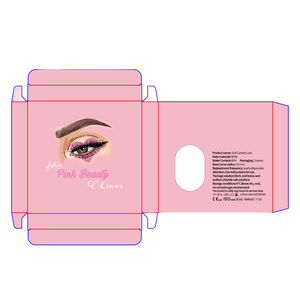
From diopter parameter selection to custom packaging die-lines, foil sealing, and multi-language patient instruction leaflets, kyralens delivers 100% shelf-ready products tailored to your brand architecture.
All product lines come backed by full regulatory dossier packs, including Declarations of Conformity, CE 0123 / CE 2460 certificates, ISO 13485:2016 audit reports, and full batch lot traceability records.
Consolidate your entire optical catalog—daily/monthly soft lenses, color lenses, hyaluronic lubricating drops, multi-purpose disinfecting solutions, storage cases, and reading glasses—under one vendor contract.
Our private label programmes and distribution networks serve prestigious retail, pharmacy, and grocery leaders across Europe, the Middle East, and Asia:
Category managers must adapt procurement strategies to match evolving consumer preferences, environmental mandates, and technological developments in optical science. Key industry transformations include:
Consumer preferences are shifting away from monthly HEMA lenses toward single-use daily Silicone Hydrogel lenses. Procurement teams should adjust purchasing ratios to prioritize 30-pack daily SiHy formats, which command higher retail price points and foster recurring brand subscription models.
European and North American retail mandates require suppliers to reduce plastic footprint. Next-generation contact lens sourcing emphasizes biodegradable blister foil films, lighter weight Polypropylene polypropylene cups, and 100% recycled FSC cardboard secondary packaging.
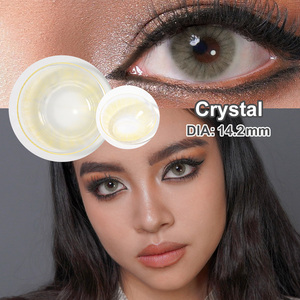
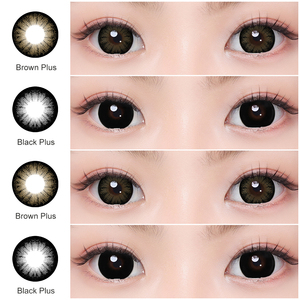
High-opacity dramatic color contacts are giving way to subtle, iris-enhancing natural shades (hazel, mocha brown, muted olive green). Advanced 3D digital printing allows micro-ring patterns that blend seamlessly with natural iris textures.
Addressing core operational, technical, and regulatory inquiries commonly raised during commercial contract negotiations and supplier audits.