Featured OEM/ODM Cosmetic & SFX Contact Lens Portfolio
Factory-direct wholesale offerings featuring advanced sandwich encapsulation technology, high oxygen permeability, and retail-ready packaging formats for global optical chains and distributors.
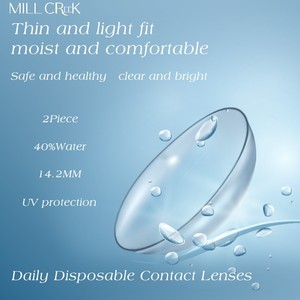
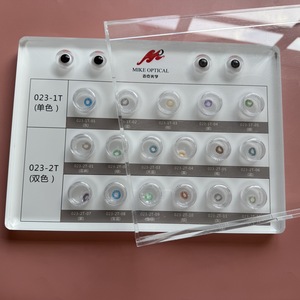
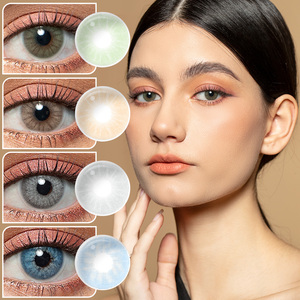
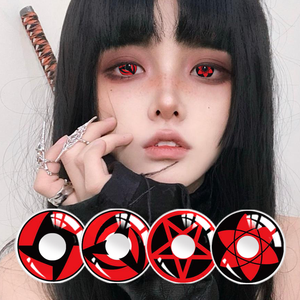

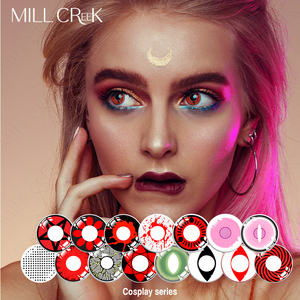
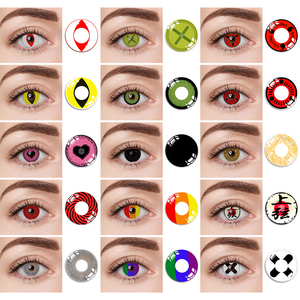
Global B2B Market Analysis: Sourcing Halloween & SFX Contact Lenses from China
The global demand for high-vibrancy Halloween, cosplay, and special effects (SFX) contact lenses has experienced unprecedented growth, expanding beyond traditional Q4 seasonal peaks into year-round theatrical, beauty, and entertainment retail sectors. Procurement officers, optical importers, and brand owners seeking the top China Halloween contact lenses suppliers & exporters face a complex operational landscape. Navigating this market requires balancing rapid aesthetic design cycles with rigorous medical-grade manufacturing standards.
China has solidified its position as the premier manufacturing hub for hydrogel (HEMA) and silicone hydrogel (SiHy) cosmetic lenses. State-of-the-art facilities in manufacturing clusters integrate fully automated cast-molding processes with ultra-precise color encapsulation technology. For international buyers, partnering with top-tier Chinese factories yields substantial structural advantages: optimized economies of scale, lower per-unit blister production costs, flexible OEM minimum order quantities (MOQs), and accelerated time-to-market for bespoke pattern designs.
However, information asymmetry in global procurement often leads buyers to confuse certified Class II medical device manufacturers with unverified trading intermediaries. This whitepaper serves as an authoritative guide on evaluating manufacturing capabilities, safety protocols, international regulatory benchmarks (including EU MDR 2017/745, US FDA 510(k), and ISO 13485), material polymer dynamics, and end-to-end supply chain integration.
Sandwich Pigment Tech
Double-layer encapsulation ensures raw pigments never come into contact with the human cornea, maintaining zero color fading and absolute ocular safety.
ISO 13485 Cleanrooms
Manufactured under Class 100,000 dust-free cleanroom environments, utilizing automated robotic injection molding and online vision inspection.
Global Market Compliance
Complete regulatory dossiers including CE declarations of conformity, Free Sale Certificates (FSC), and full lot traceability for hassle-free customs clearance.
Material Science: HEMA vs. Silicone Hydrogel in SFX Lens Manufacturing
Special-effect lenses (such as full-pupil whiteout, blackout, mini-sclera, and high-opacity red demon eyes) present unique optical engineering challenges. Unlike natural cosmetic lenses that feature a clear central aperture, SFX lenses often cover a larger portion of the cornea or completely block visual transmission for theatrical impact.
Polymer Composition & Hydration Equilibrium
Leading Chinese exporters utilize optimized Poly-HEMA (Hydroxyethyl Methacrylate) copolymer formulations integrated with N-Vinylpyrrolidone (NVP). This matrix achieves an optimal hydration balance (38% to 42% water content). Maintaining water content within this exact corridor prevents the lens from drawing moisture from the tear film, drastically reducing dryness during extended wear in costume conventions or theatrical performances.
| Parameter Spec | Standard HEMA SFX Lenses | Advanced Silicone Hydrogel (SiHy) | Procurement Impact |
|---|---|---|---|
| Oxygen Permeability (Dk/t) | 8.5 - 12.0 Dk/t | 25.0 - 55.0 Dk/t | SiHy allows longer continuous wear without corneal hypoxia. |
| Water Content Range | 38% - 42% | 45% - 55% | 38% HEMA offers structural rigidity for detailed SFX patterns. |
| Center Thickness (ct) | 0.08mm - 0.12mm | 0.07mm - 0.09mm | Thinner profiles enhance initial comfort and hydration retention. |
| Pigment Tech | Sandwich Micro-Encapsulation | 3D Bio-Matrix Layering | 100% smooth surface prevents eyelid friction and ocular irritation. |
| Replacement Cycle | Daily / Monthly / Yearly | Daily / Monthly | Daily disposables carry lower infection risks for casual wearers. |
3-Layer Pigment Encapsulation Architecture
Inferior color contact lenses utilize primitive surface printing methods where inorganic pigments remain exposed on the lens surface, leading to potential epithelial abrasion or color leaching. Leading exporters like kyralens Technology Co., Ltd. enforce strict Sandwich Encapsulation Protocols. Color pigments (FDA-approved iron oxides, titanium dioxide, and phthalocyanine compounds) are locked securely between an ultra-thin clear base layer and a protective cover polymer layer.
Future Procurement Trends in Halloween & Cosplay Eyewear
Analyzing buyer purchasing behavior and search intent metrics reveals a decisive transformation in how Halloween and costume contact lenses are specified, branded, and distributed across European, North American, and Asian markets.
1. Rapid-Turnaround OEM Digital Artwork
B2B buyers no longer accept 90-day lead times for new design testing. Modern OEM facilities utilize high-resolution digital micro-dispensing systems, shortening custom pattern prototyping from 8 weeks to under 14 days.
2. Shift Toward Daily Disposables
While 1-Year reusable lenses historically dominated the costume market, hygienic shift metrics indicate a 40% YoY increase in procurement orders for Daily Disposable Halloween Lenses, driven by consumer safety preference.
3. Digital Order Tracking & Portal API
Top exporters are deploying dedicated B2B order management portals (such as custom mobile apps and bulk inventory integration), enabling distributors to manage prescriptions, real-time batch tracking, and automated reorders.
Mitigating Supply Chain Vulnerabilities for Seasonality
Halloween retail logistics demand zero tolerance for delay. Over 70% of annual consumer SFX contact lens purchases occur within a narrow 6-week window (September 15 to October 31). Experienced procurement managers must establish direct supply agreements with China exporters by May or June to secure manufacturing slots, complete sterilizing batch validation, and clear maritime or air freight customs well in advance of peak season retail distribution.
Enterprise Excellence: Why Partnering with kyralens Empowers Retailers
kyralens Technology Co., Ltd. stands at the forefront of global private label eye care manufacturing and supply chain coordination. Specialized exclusively in retail-first contact lenses, cosmetic color series, lubricating eye drops, and optical care solutions, kyralens bridges the gap between sophisticated optical engineering and retail commercial success.
By consolidating your eye care portfolio under a unified manufacturing framework, retail buyers eliminate multi-vendor friction and secure consistent brand identity across all contact lens packaging, blisters, and auxiliary cleaning kits.
Full Category Coverage
From hydrogel SFX lenses and daily disposable clears to lubricating eye drops and custom storage cases, launch your entire shelf under one cohesive brand label.
Regulatory Dossier Preparation
Every order is supplied with country-specific compliance documents, including lot traceability records, lab safety tests, and multilingual box labeling.
Commercial Flexibility
Whether conducting regional market pilot tests or rolling out national drugstore programs, scalable procurement models accommodate diverse volume requirements.
Frequently Asked Questions (FAQ) for B2B Procurement
Direct answers to critical regulatory, logistical, and technical questions asked by global optics procurement teams before importing Halloween contact lenses from China.
What are the critical quality certifications required to export Halloween contact lenses from China to Europe and the US? +
For European Union markets, contact lenses are classified as Class IIa/Class IIb medical devices under Regulation (EU) 2017/745 (MDR). Exporters must hold a valid CE Certificate from a Notified Body and an ISO 13485 Medical Device Quality System Certificate. For the United States, suppliers must comply with FDA 510(k) clearance protocols, establishment registration, and device listing. Reputable Chinese exporters provide complete Technical Files (TF), Declarations of Conformity (DoC), and ISO-certified lab test reports covering cytotoxicity, ocular irritation, and systemic toxicity.
How does the "Sandwich Tech" protect wearers during intense costume or SFX usage? +
Sandwich Encapsulation Technology involves embedding organic or inorganic color pigments inside the inner layer of the hydrogel material. Two clear polymer layers surround the pigment layer completely. This guarantees that pigment particles never touch the corneal epithelium or palpebral conjunctiva, preventing dye migration, chemical irritation, or surface roughness that could cause eyelid friction.
What are the standard Minimum Order Quantities (MOQs) for factory OEM custom Halloween contact lenses? +
Factory MOQs vary by product tier and customization level. For stock pattern items in standard factory packaging, MOQs start as low as 50 to 100 pairs per SKU. For custom private label artwork and branded packaging boxes (blisters or glass vials), standard production MOQs typically range between 500 and 3,000 pairs per design pattern depending on parameters and power ranges (0.00 to -8.00 Diopters).
What is the typical shelf life and sterilization validation for exported contact lenses? +
Medical-grade contact lenses undergo steam autoclave terminal sterilization within sealed foil blister packs or glass vials. Certified exporters provide a 5-year shelf life validated through accelerated stability testing. Storage solution within each blister consists of buffered saline enriched with moisturizing agents to preserve lens elasticity and color saturation throughout the storage duration.
How far in advance should B2B buyers place production orders for Halloween seasonal demand? +
Due to intense global demand spikes between July and October, international procurement teams should finalize custom design artworks, artwork proofs, and initial deposits by late May or early June. This timeframe accounts for 20-30 days of cleanroom manufacturing, 14 days of mandatory sterile incubation quality checks, and 25-35 days for ocean freight or 5-7 days for express air shipping and customs clearance.
Can Halloween special-effect lenses be produced with vision correction (prescription power)? +
Yes. Top exporters supply Halloween contact lenses in both plano (0.00 power for cosmetic usage) and prescription strengths ranging from -0.50 to -8.00 Diopters (in 0.25D or 0.50D increments). Providing corrective power options expands a retailer's addressable consumer market by catering to visual correction users who require prescription costume lenses.
What documentation is included for customs clearance in destination ports? +
Standard export shipments include the Commercial Invoice, Packing List, Bill of Lading (or Air Waybill), Certificate of Origin (CO), Certificate of Analysis (CoA) per lot batch, CE/ISO Certificates, and Free Sale Certificates (FSC) issued by government medical device administration authorities.
Accelerate Your Eye Care & Costume Lens Brand Today
Partner with China's leading certified OEM/ODM manufacturers. Contact our technical B2B procurement specialists to request product samples, factory compliance dossiers, and wholesale pricing schedules.