OEM/ODM Medical Device Certified Portfolio
Explore our NMPA Class III, ISO 13485, and CE MDR compliant contact lens formulations, precision automated packaging systems, and customized private-label solutions engineered for global optical buyers.
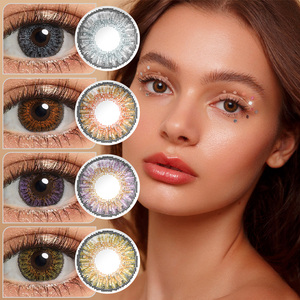
Free FreshGo Natural Look 3 Tone Soft Lens Contacts Colored Eye Contact Lenses Wholesale 1 Year OEM Paper Box Lentes De Contacto
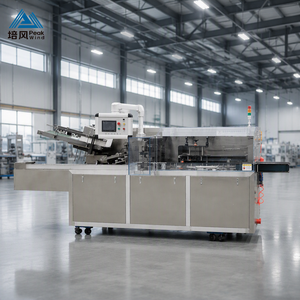
Professional Fully Automatic Large Capacity Aseptic Cartoner Machine for Contact Lenses with PLC Control
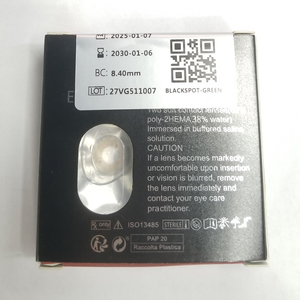
Eyeshare Wholesale Personal Brand Lentes De Contacto Paper Box Free Design Custom Eye Lens Packing Box Colored Contact Lenses
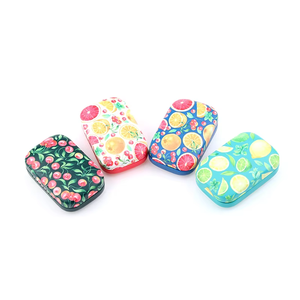
Contact Lens Case Portable Digital Printed Plastic CE Certified Mirror Solution Bottle Travel Storage Kit Wholesale Custom OEM
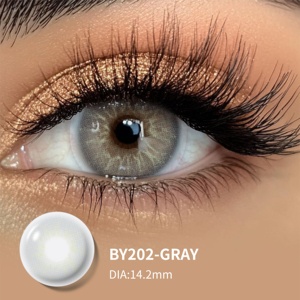
Private Magister Power Colored Contact Lenses Soft HEMA Material Monthly Natural Eye Pupilentes Lentes De Contacto De Colores
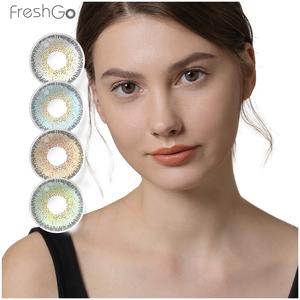
Freshgo 14.2 Natural Series Color Contacts New Look Cheap Contact Lens From China Wholesale Colored Contact Lenses
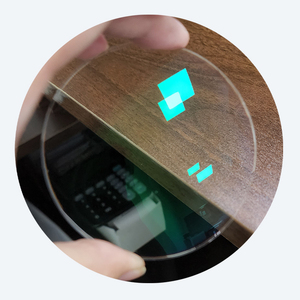
Factory Direct Wholesale Blue Cut Lens Photochromic UV 420 for Reading Lenses Eye Contact Optical Resin Lenses
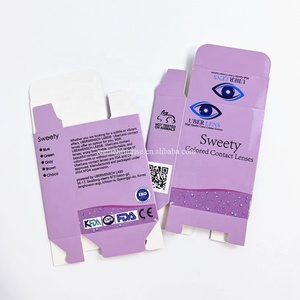
Custom Printed Cosmetic Boxes Eye Contact Lenses Complete Package for Contact Lenses
Executive Whitepaper: China's Role in Certified Ophthalmic Manufacturing
The global contact lens industry is undergoing a paradigm shift driven by advances in bio-compatible polymer chemistry, automated aseptic packaging, and stringent international regulatory harmonization. As medical devices directly in contact with the human cornea, soft contact lenses (both corrective and cosmetic) are regulated under the highest risk tiers globally: Class III Medical Devices under China's National Medical Products Administration (NMPA), Class IIb/III under the European Union Medical Device Regulation (EU MDR 2017/745), and Class II under the US FDA 510(k) framework.
For international procurement directors, pharmacy chain buyers, and optical retail brands, sourcing certified contact lenses from China requires a deep technical understanding of manufacturing protocols, material science, and cleanroom qualification. China's top medical device certified contact lens exporters have transitioned from high-volume manual casting to fully integrated, automated smart factories operating under ISO 13485:2016 quality management systems.
1. The NMPA Class III Medical Device Mandate
In China, ophthalmic products designed for prolonged ocular contact are subject to rigorous clinical testing, biocompatibility evaluation (ISO 10993 series), chemical characterization, and continuous stability validation. Certified manufacturers must maintain:
- ISO Class 8 (Class 100,000) Cleanrooms: Cleanrooms monitored continuously for airborne particulate count, microbiological contamination, positive pressure differential, and relative humidity.
- Purified Water for Injection (WFI) Systems: Multi-stage reverse osmosis (RO) and electro-deionization (EDI) systems ensuring non-pyrogenic saline solution filling.
- Sandwich Color Encapsulation Technology: For cosmetic color lenses, pigments must be embedded between two clear hydrogel polymer layers to eliminate direct pigment-cornea contact.
Enterprise Advantages: Advanced Infrastructure & End-to-End Capabilities
As an industry leader in private label eye care manufacturing and distribution, kyralens Technology Co., Ltd. and its certified production facilities bridge the gap between high-precision optical engineering and retail market demand. Specializing in complete eye care shelf solutions—ranging from daily disposable soft contact lenses to cosmetic color lenses, lubricating eye drops, aseptic cleaning solutions, and ergonomic storage accessories—we empower retailers, optical chains, and drugstores to build profitable, compliant brand portfolios.
Full Category Integration
From hydrogel and silicone hydrogel lenses to multi-purpose disinfecting solutions and high-barrier packaging, manage your entire ophthalmic catalog through a single accredited manufacturing partner.
Automated Mold-Casting
State-of-the-art robotic mold injection and cast-molding systems guarantee microscopic edge smoothness, ultra-consistent base curves (8.5mm - 8.6mm), and minimal swelling ratio variation.
Regulatory Dossier Support
Comprehensive technical documentation including Declarations of Conformity, ISO 13485 audit certificates, sterilization validation reports (ISO 17665), and multilingual labeling compliance per country.
Future Procurement Trends in Global Ophthalmic Sourcing
Analyzing key shifts in consumer behavior, material innovation, and manufacturing efficiency shaping global B2B procurement strategy for 2025–2030.
1. Rapid Migration to Silicone Hydrogel (SiHy)
While traditional 2-HEMA lenses maintain strong demand in cosmetic entry-level segments, enterprise buyers are rapidly shifting core SKUs to Silicone Hydrogel materials (Fluorosilicon hydrogel monomers). SiHy offers 3x to 5x higher oxygen permeability (Dk/t > 100), enabling longer wear times, reduced corneal hypoxia, and superior comfort profiles essential for premium brand positioning.
2. High-Speed Automated Cartoning & Aseptic Blister Packaging
Labor-intensive packaging is being replaced by fully automatic PLC-controlled aseptic cartoning lines. Capable of outputting 120 to 200 units per minute, integrated cartoning lines perform online visual inspection, batch coding, leaflet insertion, and tamper-evident shrink-wrapping simultaneously—drastically reducing lead times and unit cost.
3. Hyper-Natural 3-Tone Color Optics & Custom Private Labeling
Cosmetic buyers demand subtle, bio-mimetic iris patterns over harsh single-color rings. 3-tone natural series featuring hazel, olive gray, and honey hues with subtle limbal ring blending are dominating retail sales. Turnkey private label packaging—custom paper boxes, luxury metallic stamping, and eco-friendly foil blisters—is now standard for high-growth brands.
4. UV-420 & Blue-Cut Optical Lens Integration
With increasing screen time, hybrid optical products combining prescription correction with photoprotective UV420 and blue-light absorption monomers represent a high-margin cross-selling opportunity for optical retailers and prescription glass distributors alike.
Technological & Manufacturing Innovation Roadmap (2025–2030)
To stay competitive in the fast-evolving global contact lens market, top Chinese factories are pioneering advanced material synthesis and artificial intelligence quality control protocols. Understanding these innovations allows procurement directors to future-proof their supply chains.
A. AI-Powered Automated Visual Inspection (AVI) Systems
Traditional manual microscopic inspection is susceptible to human fatigue. Next-generation certified production lines utilize multi-camera machine vision algorithms capable of detecting sub-millimeter lens defects, including edge tears, air bubbles, surface scratches, and color print misalignments at speeds of up to 15 lenses per second with a 99.9% accuracy rate.
B. Bio-Mimetic Hydrogel Hydration Locking
Advanced copolymerization of Hydroxyethyl Methacrylate (HEMA) with N-Vinylpyrrolidone (NVP) and Phosphorylcholine (MPC) moieties mimics the tear film's natural lipid layer. This bio-inspired chemistry binds water molecules tightly to the lens matrix, maintaining high water content (38% to 58%) throughout 12 to 16 hours of continuous wear without drawing moisture from the tear layer.
C. Sustainable Aseptic Packaging Solutions
Leading exporters are actively reducing plastic consumption by adopting recyclable polypropylene blister containers, ultra-thin high-barrier aluminum foil lids, and FSC-certified biodegradable outer carton boxes, aligning OEM product lines with stringent European ESG (Environmental, Social, and Governance) requirements.
Frequently Asked Procurement Questions (FAQ)
Detailed technical, regulatory, and commercial answers for international sourcing teams and brand managers.
What is NMPA Class III Medical Device Certification, and why is it mandatory for China exporters?
What is the difference between standard HEMA hydrogel and Silicone Hydrogel (SiHy) contact lenses?
How does "Sandwich Pigment Encapsulation" ensure safety in cosmetic color lenses?
What regulatory documentation is provided to support destination country registration?
What are the standard Minimum Order Quantities (MOQs) for private label custom branding?
How are contact lenses tested and sterilized prior to release?
Can Chinese exporters manufacture specialty prescription contact lenses like toric or multifocal lenses?
What lead times should buyers expect for bulk OEM contact lens orders?
Partner with China's Premier Certified Contact Lens Manufacturer
Build a distinctive, compliant, and highly profitable private label eye care brand with kyralens. Request technical specifications, factory audit dossiers, and custom wholesale quotes today.
Contact Us