Featured OEM/ODM Product Portfolio
Precision-engineered silicone hydrogel colored contact lenses and diagnostic ophthalmic optics manufactured under ISO 13485:2016 standards.
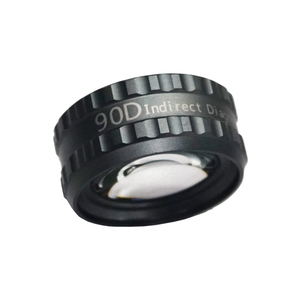
Ophthalmic Fundus Contact Lens Aspheric 90D Lens
Contact Us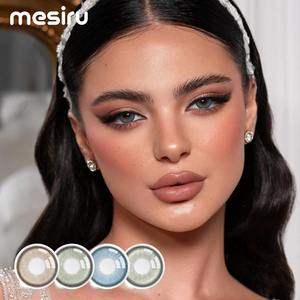
New Type Soft 40% Water Content Enlarge Eyes Colored Contact Lenses
Contact Us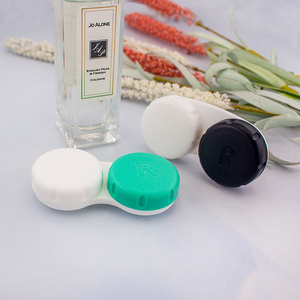
Custom Colored Contact Lenses Prescription Packaging OEM
Contact Us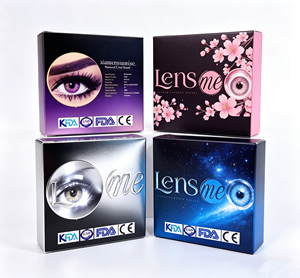
Custom Eco-Friendly Recyclable Spot UV Matte Contact Lens Packaging
Contact Us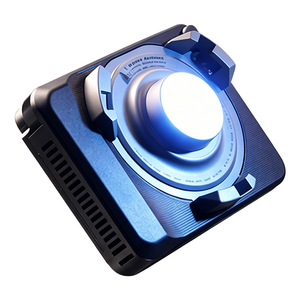
Flexible ABS Lens Accessories with Private Mold-aputure Brand
Contact Us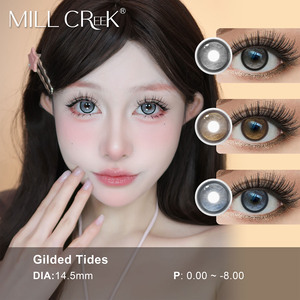
Haipurecon Factory Direct Wholesale Natural Color Contact Lenses
Contact Us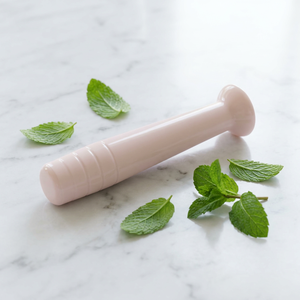
Wholesale High Suction RGP Contact Lenses With Suction Rods
Contact Us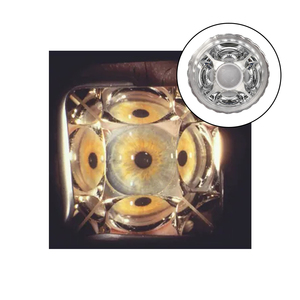
Good Quality Ophthalmic Fundus Contact Aspheric 78D Lens
Contact UsThe Polymer Chemistry Evolution: Why Silicone Hydrogel Dominates Cosmetic Optics
The global contact lens market has undergone a paradigm shift, migrating from legacy Hydroxyethyl Methacrylate (HEMA) hydrogels to advanced Fluorosilicone Hydrogel macromers. In cosmetic and corrective eye care, traditional hydrogel lenses relied strictly on water content to transport oxygen to the cornea. However, high water content in conventional materials often leads to lens dehydration, tear film evaporation, and end-of-day ocular discomfort.
As a premier silicone hydrogel colored contact lens manufacturer in China, our engineering lab integrates organosilicon groups (siloxane chains) into the polymer matrix. This creates a dual-phase transport system where oxygen passes directly through the silicone polymer networks independent of water volume. The resulting oxygen permeability metric ($Dk/t$) soars from the standard 18–25 barrier up to 100–147 $Dk/t$, virtually eliminating corneal hypoxia, limbal hyperemia, and neovascularization during extended wear schedules.
Furthermore, overcoming the inherent hydrophobic nature of raw silicone required groundbreaking surface modification chemistry. Our automated manufacturing lines employ internal wetting agents—such as non-crosslinked Polyvinylpyrrolidone (PVP)—co-polymerized directly into the lens structure. This permanent hydrophilicity guarantees a low water-contact angle (< 35°), minimizing lipid and protein deposition while preserving all-day surface wettability for demanding private label retail brand applications.
Engineering Benchmark: 1st Gen HEMA vs. 3rd Gen Silicone Hydrogel Color Lenses
To assist procurement managers and optical retail buyers in making data-driven sourcing decisions, the table below outlines critical performance metrics evaluated under ISO 18369 physical optical testing standards:
| Performance Parameter | Traditional HEMA Hydrogel | 2nd Gen Silicone Hydrogel | 3rd Gen Fluoro-Silicone Hydrogel (Our Standard) |
|---|---|---|---|
| Oxygen Transmissivity (Dk/t @ -3.00D) | 15 - 25 Dk/t | 60 - 80 Dk/t | 110 - 147 Dk/t |
| Modulus (Stiffness / MPa) | 0.25 - 0.35 MPa | 1.0 - 1.4 MPa (Stiffer) | 0.38 - 0.52 MPa (Ultra-Soft) |
| Dehydration Rate after 12 hrs | High (> 12% moisture loss) | Moderate (6-8% loss) | Low (< 3.5% loss) |
| Color Layering Technology | Surface Pad Printing | Dual-Layer Substrate | 3D Bio-Encapsulated Sandwich Tech |
| Bacterial & Lipid Adherence | Moderate Risk | Elevated Lipid Binding | Ultra-Low (PVP Co-Polymerized) |
Global Strategic Sourcing & Procurement Trends (2025–2030)
The global contact lens supply chain is undergoing structural changes driven by consumer health awareness, regulatory enforcement, and sustainable packaging initiatives. Key trends shaping procurement for optical chain procurement leads include:
Rapid Shift to 1-Day Daily Disposables
Consumer preferences are rapidly shifting away from monthly replacement cycles toward 1-Day daily disposable colored lenses, prioritizing sterility, convenience, and zero maintenance care solution costs.
Global Regulatory Harmonization
Importers must align with stringent medical device frameworks: EU MDR 2017/745 Class IIa/IIb certifications, US FDA 510(k) clearances, and China NMPA Class III sterile registration files.
Eco-Sustainable Packaging Protocols
Pioneering manufacturers are transitioning to 100% recyclable Polypropylene (PP) blister cups, biodegradable foil lids, and FSC-certified secondary paperboard cartons with zero-VOC soy inks.
Hyper-Realistic Iris Biomorphics
Advanced digital dot-matrix printing allows up to 6 custom color tone layers, mirroring subtle human iris radial structures for natural aesthetic enhancement demanded by modern consumers.
Enterprise Capability & Quality Management Infrastructure
Headquartered with operational distribution nodes such as kyralens Technology Co.,Ltd (Faradaystraat 14, 6718 XT Ede, The Netherlands) and high-volume automated manufacturing bases across China, our consortium bridge European optical design standards with China's advanced medical device manufacturing infrastructure.
Our cleanroom production facilities operate under strict ISO Class 7 and Class 8 environmental controls. Every silicone hydrogel color lens batch undergoes 100% automated high-resolution optical power inspection, center thickness verification, edge defect evaluation, and spectrophotometric color shade verification.
Having developed successful private label eye care lines for retail giants—including Watsons, Rossmann, Kruidvat, Etos, Ahold Delhaize, Albert Heijn, REWE, and Migros—our turnkey OEM/ODM solutions handle everything from custom artwork regulatory approval to final steam-autoclave terminal sterilization (121°C for 20 mins).
B2B Procurement & Technical FAQ
What is the minimum order quantity (MOQ) for custom private label silicone hydrogel colored lenses?
How does your factory prevent color pigment leaching in silicone hydrogel lenses?
What international regulatory compliance documentation do you provide for import clearance?
What is the lead time for OEM custom production and global shipment?
Can you manufacture toric (astigmatism) or multifocal silicone hydrogel color lenses?
Accelerate Your Brand with China's Premier Lens Manufacturer
Initiate your OEM/ODM project today. Request technical datasheets, full color catalog samples, or factory audit schedules directly from our engineering and sales teams.
Contact Us