Featured Contact Lens Products & OEM Formulations
Explore our certified medical-grade daily, monthly, and cosmetic contact lens series. Manufactured in ISO 13485 & CE certified cleanroom facilities for high precision optical delivery.
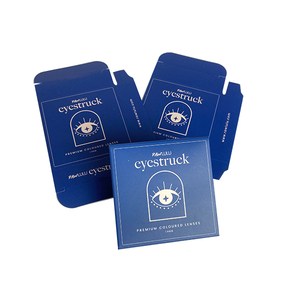
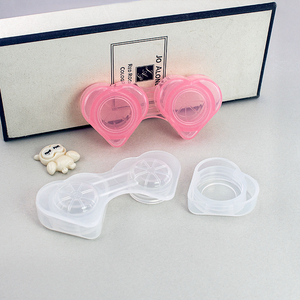
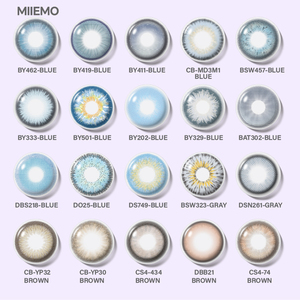
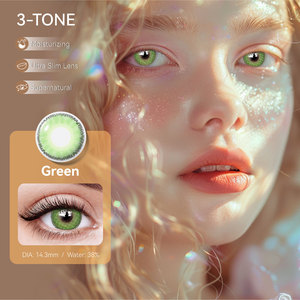
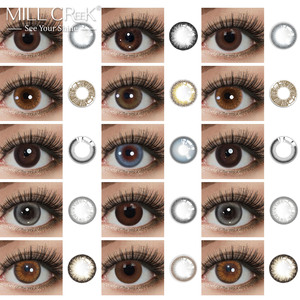
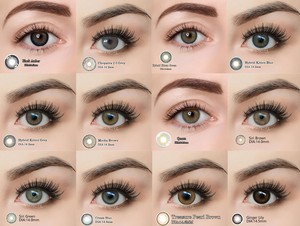
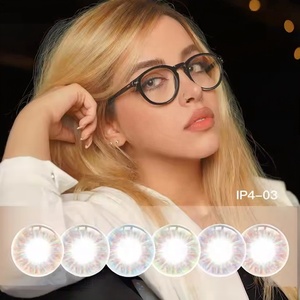
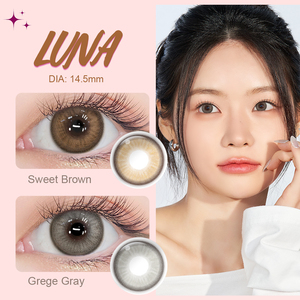
Whitepaper Overview: Precision Contact Lens Manufacturing Standards
As the international ophthalmic industry rapidly shifts toward high-performance bio-compatible polymers and strict regulatory oversight, choosing the right contact lens brand manufacturer factory and supplier has become a strategic decision for retail vision brands, optical pharmacy chains, and direct-to-consumer healthcare platforms. Headquartered at Faradaystraat 14, 6718 XT Ede, The Netherlands, kyralens Technology Co.,Ltd stands as a premier global developer, OEM/ODM manufacturer, and distributor of private label eye care products.
Modern contact lens manufacturing requires absolute precision across chemical synthesis, physical optics molding, surface treatment engineering, micro-encapsulation, and automated sterile packaging. Unlike standard consumer goods, soft contact lenses are classified as Class IIa / Class IIb medical devices under European MDR (EU 2017/745) and United States FDA guidelines. A single micrometer deviation in base curve ($BC$) or central thickness ($t_c$) can cause corneal hypoxia, mechanical irritation, or refractive visual distortion.
Core Manufacturing Cleanroom Technologies
Our global manufacturing infrastructure utilizes fully automated cast-molding and lathe-cutting technological lines operating inside Class 100,000 (ISO Level 7 & 8) cleanrooms. This ensures environmental particulate control below critical thresholds, virtually eliminating foreign body contamination during the liquid monomer polymerization phase.
- Automated High-Precision Cast Molding: Monomer liquid is injected into optical-grade quartz molds, followed by ultra-precise UV and thermal polymerization to achieve seamless peripheral edge profiles.
- Triple-Layer Sandwich Micro-Encapsulation: For cosmetic colored contact lenses, bio-compatible color pigments are locked between two transparent hydrogel protective layers. This guarantees zero direct contact between the iris pigments and the corneal endothelium.
- Plasma Surface Modification: Silicone hydrogel surfaces undergo high-frequency plasma oxidation to create a hydrophilic polar coating, reducing hydrophobic lipid deposition and enhancing continuous tear film stability.
Product Architecture & Polymer Engineering Recommendations
Technical comparison of material formulations engineered for retail private label optimization and patient wearing comfort.
High Dk/t Silicone Hydrogel Lenses
Engineered with long-chain siloxane macromers, our silicone hydrogel series delivers oxygen transmissibility ratings ($Dk/t$) up to 160. Ideal for monthly disposable wearers and extended wear demands, preventing corneal neovascularization while maintaining a low elastic modulus (0.4–0.6 MPa) for effortless insertion.
Biocompatible Hydrogel (HEMA-GMA)
Formulated with 38% to 58% water content polymers balanced with Glycerol Methacrylate (GMA) and Hyaluronic Acid (HA) matrix integration. These lenses exhibit minimal moisture evaporation throughout 16 hours of continuous wear, serving as the benchmark standard for daily disposable prescriptions.
Sandwich Tint Cosmetic Color Series
Featuring 1-tone natural enhancement, 2-tone depth shading, and 3-tone exotic cosmetic iris patterns. Color pigments are isolated inside a bio-inert polymer sandwich matrix, providing vibrant ocular cosmetics without compromising tear distribution or mechanical corneal health.
Polymer Material & Specification Matrix
Detailed parameters for procurement managers, regulatory directors, and eye care brand developers.
| Material Type | Water Content | Oxygen Transmissibility ($Dk/t$) | Modulus (MPa) | Base Curve ($BC$) | Primary Application Segment |
|---|---|---|---|---|---|
| Silicone Hydrogel (Third Gen) | 45% ± 2% | 130 – 160 $Dk/t$ | 0.5 MPa | 8.5mm / 8.6mm | Premium Daily & Monthly Prescriptions |
| HEMA-GMA Hydrogel | 58% ± 2% | 28 – 35 $Dk/t$ | 0.3 MPa | 8.6mm / 8.7mm | High-Moisture Daily Disposables |
| Sandwich Color Hydrogel | 38% – 42% | 22 – 26 $Dk/t$ | 0.4 MPa | 8.5mm – 8.8mm | Cosmetic & Beauty Retail Series |
| Toric Astigmatism Hydrogel | 45% ± 2% | 32 $Dk/t$ | 0.45 MPa | 8.6mm | Custom Optical Correction Lines |
Future Procurement Trends in Contact Lens Supply Chains (2026–2030)
The global contact lens market is undergoing a major paradigm shift driven by technological innovations in ocular diagnostics, environmental sustainability demands, and changing consumer purchasing behaviors. Category procurement directors must evaluate manufacturers based on their forward-looking R&D capabilities rather than legacy high-volume output alone.
1. Transition to Eco-Friendly Biopolymers & PCR Packaging
Traditional contact lens packaging creates non-biodegradable waste due to aluminum foil blister lids and polypropylene containers. Advanced OEM suppliers are integrating post-consumer recycled (PCR) plastics for secondary packaging alongside bioplastics derived from renewable bio-monomers. Furthermore, lightweight foil-less blister designs are significantly lowering shipping carbon footprints across transatlantic and pan-Asian retail supply chains.
2. Rise of Smart Wearable Contact Lenses & Optical Sensing
The intersection of ophthalmic optics and micro-electronics is giving rise to smart contact lenses capable of continuous intraocular pressure (IOP) monitoring for early glaucoma diagnosis, micro-fluidic glucose sensing in tear film for diabetic care, and dynamic electro-refractive focus adjustment. Forward-thinking OEM factories are expanding cleanroom infrastructure to accommodate micro-chip embedding and bio-compatible sensor sealing processes.
3. Myopia Management & Pediatric Prescriptions
With pediatric myopia rates accelerating globally, demand for therapeutic contact lenses—such as dual-focus concentric ring designs and Orthokeratology (Ortho-K) molds—is surging. B2B procurement channels are aggressively expanding private-label myopia control ranges, requiring manufacturing partners to possess specialized optical lathe manufacturing precision and validated clinical trial documentation.
4. AI-Driven On-Demand OEM Customization & Low MOQs
Modern retail inventory strategies favor rapid product iterations over massive static warehousing. Leading manufacturers now leverage automated optical inspection (AOI) coupled with flexible short-run packaging lines, allowing vision brands to launch seasonal color lines or specialized parameter batches with minimum order quantities (MOQs) as low as 500 boxes per SKU.
Macro Industry Development Trends: Shaping Vision Care Retail
Understanding broader market vectors enables vision brands to align their catalog strategies with real consumer demand shifts. Key growth drivers include:
- Replacement Schedule Acceleration: Consumer preference is rapidly migrating from annual or semi-annual lenses toward Daily Disposable (1-Day) formats. This shift is fueled by heightened consumer awareness of ocular hygiene, convenience, and reduced incidence of protein deposition complications.
- Cross-Category Shelf Synergy: Retailers are no longer selling contact lenses in isolation. Successful eye care strategies integrate branded multipurpose contact lens cleaning solutions, preservative-free lubricating eye drops, and ergonomic travel cases under unified private label branding, maximizing customer lifetime value (LTV) and retail shelf productivity.
- Democratization of Cosmetic Optics: Color contact lenses have crossed over from specialized costume accessories into everyday beauty routines. The integration of subtle, natural iris patterns matching diverse global demographics has positioned color lenses as high-margin cosmetic consumables in drugstores, supermarket chains, and optical boutiques.
Trusted Supply Partner for Leading Retail Chains





Frequently Asked Questions (FAQ)
Essential insights for category buyers, regulatory compliance managers, and OEM private label developers.
What regulatory documentation and medical certifications do you provide for global imports?
Each OEM/ODM manufacturing run by kyralens is supplied with complete medical device compliance documentation tailor-made for the destination market. This includes CE Certificates under European Medical Device Regulation (MDR 2017/745), ISO 13485:2016 Quality Management System certification, US FDA 510(k) clearances, Declarations of Conformity (DoC), full lot traceability logs, and toxicological safety evaluations. Requirements are thoroughly verified per destination country prior to production batch sign-off.
How does kyralens guarantee color safety in cosmetic colored contact lenses?
We utilize advanced 3-layer Sandwich Micro-Encapsulation Technology. Color pigments are printed and encapsulated inside a biocompatible monomer matrix layer, ensuring the pigments never come into physical contact with the cornea or palpebral conjunctiva. Furthermore, all pigments undergo ISO 10993 cytotoxicity testing, ensuring zero leaching, high color stability, and optimal oxygen permeability.
What are the minimum order quantities (MOQs) and production lead times for private label packaging?
MOQs vary based on parameter customization and packaging specs. For standard private label boxed packaging with stock parameters, MOQs start as low as 500 to 1,000 boxes per SKU. Custom color pattern development or unique lens parameters typically require 3,000 to 5,000 units. Standard production turnarounds range from 15 to 30 working days post packaging artwork approval.
How does water content and oxygen transmissibility ($Dk/t$) impact consumer comfort?
Water content determines initial lens softness, while oxygen transmissibility ($Dk/t$) dictates long-term corneal health during wear. High water hydrogel lenses (58%) provide immediate hydration but can draw moisture from dry eyes in arid environments. Conversely, Silicone Hydrogel lenses combine moderate water content (40%-45%) with extremely high oxygen passage ($Dk/t > 100$), preventing corneal hypoxia and allowing comfortable wear for up to 16 hours daily.
Can kyralens supply bundled eye care solutions, lens cases, and drops under one label?
Yes. kyralens provides comprehensive end-to-end category development. In addition to contact lenses, we formulate and package multipurpose contact lens cleaning solutions, peroxide disinfection kits, hyaluronic acid eye drops, anti-microbial contact lens cases, and travel accessory kits under unified corporate branding for cohesive shelf presentation.
Why Partner with kyralens Technology Co.,Ltd?
Navigating the global optical market demands an experienced partner who understands both precision medical manufacturing and modern retail dynamics. kyralens Technology Co.,Ltd bridges the gap between scientific engineering and commercial execution.
European Distribution & HQ
Operating from Ede, The Netherlands, providing seamless European logistics, localized compliance review, and responsive B2B account management for international buyers.
Full Category Integration
Consolidate your supply chain by sourcing daily lenses, cosmetic series, drops, solutions, cases, and reading glasses from a single accredited OEM partner.
Global Compliance Framework
Proven track record supporting major supermarket chains, retail drugstores, and pharmacy networks across Europe, the Middle East, and the Asia-Pacific region.
Launch Your Custom Private Label Eye Care Line Today
Partner with kyralens Technology Co.,Ltd to access world-class contact lens OEM/ODM manufacturing, bio-compatible polymer innovations, and rapid international distribution.
Contact Us